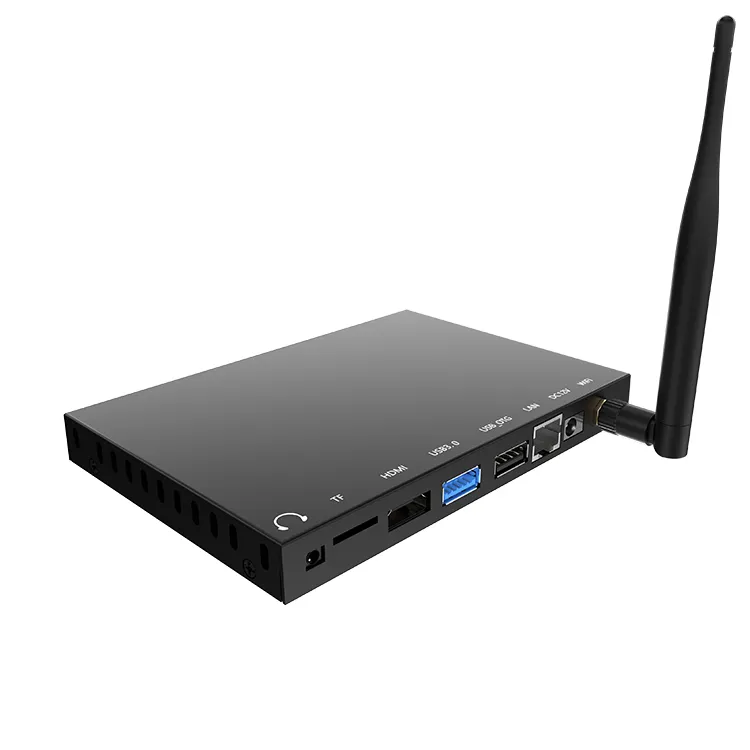
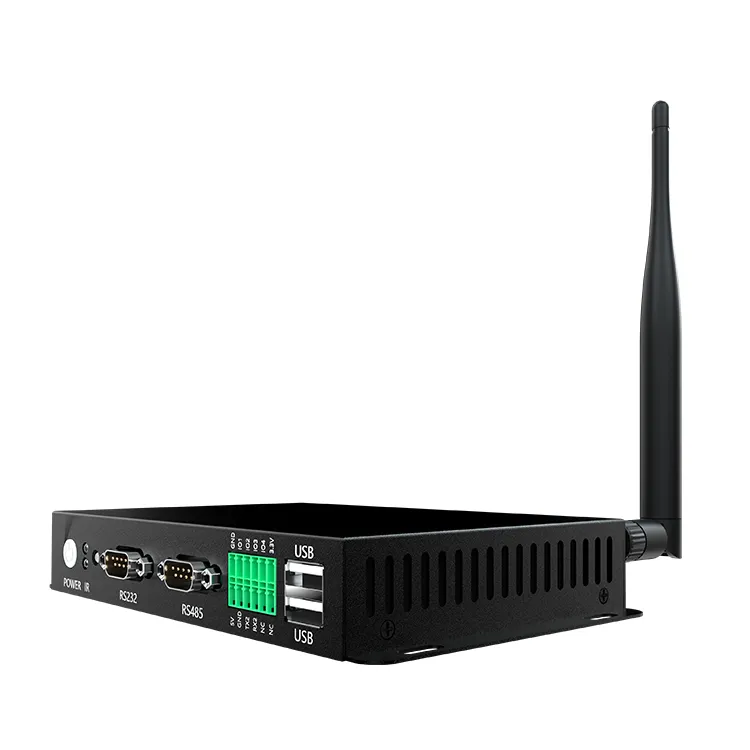
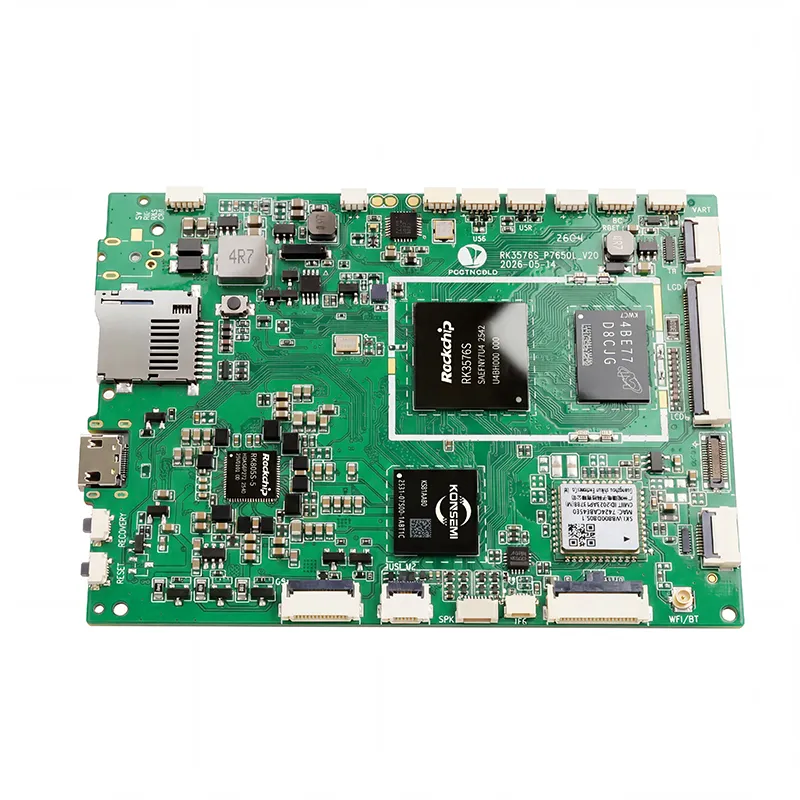
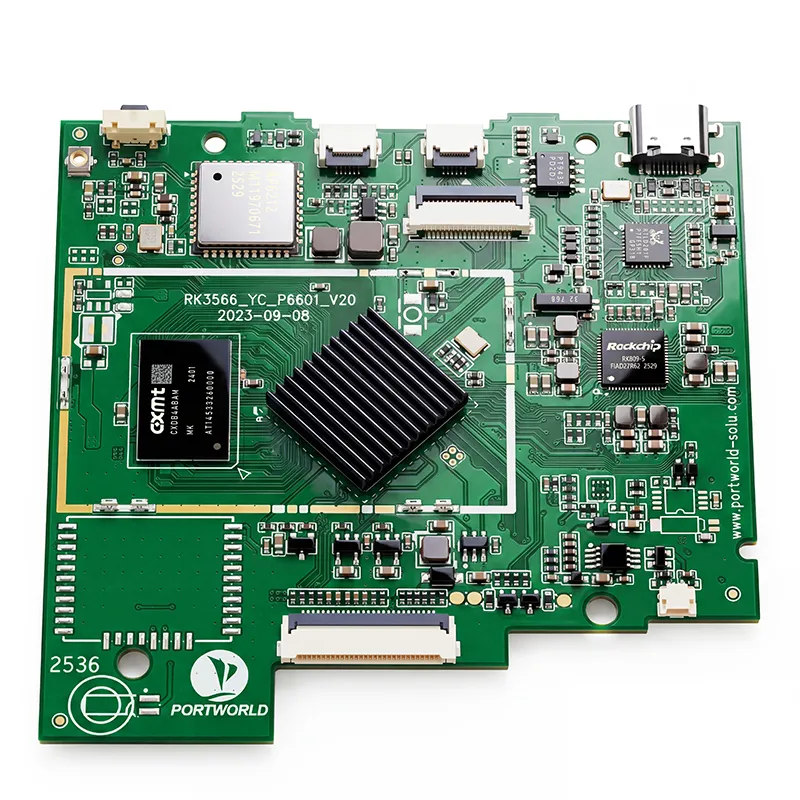
RK3576 Motherboard PCBA Design and Custom OEM/ODM Services
Apr 27,2026
The Next-Gen RK3588 Core board
Powerful, AI-Driven, High-Performance.Shop Now>


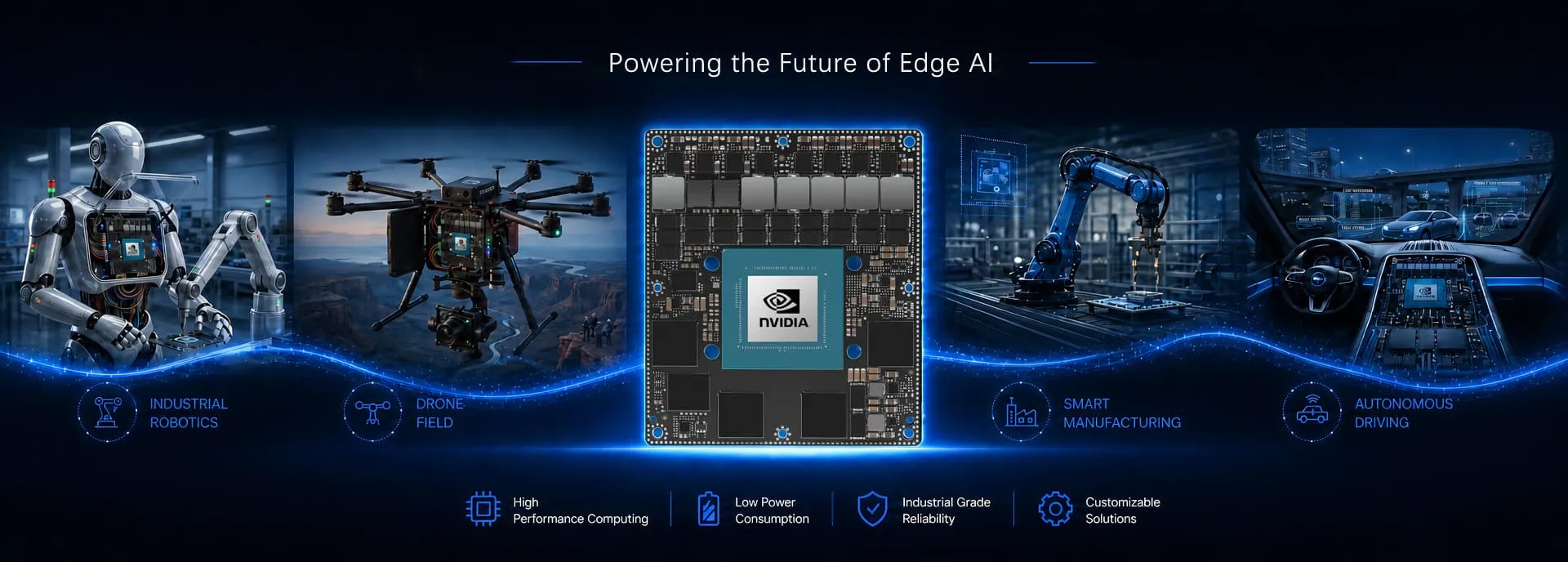


Artificial intelligence is extending beyond computer screens and cloud-based applications. It is increasingly being integrated into machines that engage with the physical world. From humanoid robots and autonomous mobile robots to intelligent industrial equipment, a new generation of AI-enabled machines is reshaping how industries approach automation.
This evolution is commonly referred to as Physical AI.
Unlike traditional software AI, which mainly processes digital information, Physical AI allows machines to perceive their environments, interpret situations, make decisions, and act in the real world. Humanoid robots are among the most prominent examples of this shift.
Yet developing an intelligent humanoid robot involves far more than combining a robotic body with an AI model. Every autonomous movement depends on a sophisticated embedded computing system that processes camera images, interprets sensor data, runs AI inference, coordinates communications, and enables real-time interaction.
Selecting the right embedded computing hardware is therefore becoming a critical part of humanoid robot development.
What Is Physical AI, and Why Is It Important for Robotics?
Physical AI describes AI systems capable of perceiving and engaging with the physical world. By bringing together AI models, sensors, robotics, simulation, and embedded computing, it enables machines to carry out tasks under real-world conditions.
For a humanoid robot, these capabilities may include:
Environmental perception: Using cameras, depth sensors, and other devices to identify objects, people, and obstacles.
Spatial understanding: Interpreting the surroundings and determining how the robot relates to nearby objects.
Intelligent decision-making: Applying AI models to select suitable actions based on visual data, instructions, and environmental conditions.
Motion planning: Mapping movement paths and coordinating the robot’s different components.
Human-robot interaction: Enabling communication through voice commands, visual cues, and task-oriented exchanges.
NVIDIA has been developing its Physical AI ecosystem with technologies including NVIDIA Isaac, Isaac GR00T, and Jetson robotics computing platforms. These tools support multiple phases of robot development, from simulation and model training to deployment on physical machines.
NVIDIA presents humanoid robotics as a layered system encompassing hardware abstraction, real-time control, perception and planning, and high-level reasoning. This framework highlights the importance of embedded computing architecture in contemporary robotics.
Why Embedded Computing Forms the Foundation of Humanoid Robots
Humanoid robots must process substantial amounts of information while working within strict physical constraints.
Unlike stationary servers, computers in robots must fit into a compact enclosure, withstand fluctuating temperatures, manage power use, and maintain reliable communication with numerous electronic components.
An embedded computing platform provides the processing foundation needed for these tasks.
1. AI Processing and Edge Inference
Humanoid robots rely on AI models to interpret visual data, identify objects, understand commands, and enable autonomous behavior.
Running these models directly on the robot reduces reliance on a continuous cloud connection and enables essential processing to take place locally.
Depending on the application, an embedded AI platform may support:
Platforms with GPU and NPU acceleration can improve the efficiency of these workloads.
2. Camera and Sensor Integration
A robot requires dependable information about its surroundings before making decisions.
Modern humanoid robots may combine multiple cameras, depth sensors, IMUs, proximity sensors, microphones, and other sensing devices.
The embedded computer must offer appropriate interfaces and processing capacity to acquire and interpret this information.
Key considerations include:
In multi-camera systems, memory bandwidth, processing performance, and data throughput are especially critical.
3. Real-Time Control and Peripheral Communication
AI perception and motion control are tightly linked, yet they may have different timing demands.
A robot can rely on an AI computer to identify objects and determine actions, while dedicated microcontrollers or real-time control units handle motor commands, joint feedback, and other time-critical tasks.
This distributed design separates computationally demanding AI workloads from control functions that require predictable timing.
Depending on the hardware architecture, interfaces such as UART, RS485, CAN, and GPIO can connect the system to external controllers and peripheral devices.
For humanoid robots, the central AI computer should consequently be chosen as one element of the overall system, not as a standalone component.
What Hardware Does a Humanoid Robot Require?
No single board handles every task in a humanoid robot. A typical  ed architecture combines several hardware layers, each designed for a specific role.
AI Computing Mainboard
The AI computing board serves as the central platform for demanding workloads, including image recognition, visual perception, AI inference, and high-level application processing.
Based on the robot’s complexity, developers may select an NVIDIA Jetson platform or a Rockchip-based embedded computing solution.
Sensor Processing Modules
Sensor modules gather data from cameras, IMUs, microphones, and other devices.
Some systems distribute processing by handling sensor preprocessing near the data source before sending information to the central AI computer.
Motion Control Boards
Dedicated control boards manage motor drivers, encoders, joint feedback, and other time-sensitive operations.
These components are vital to stable, responsive movement. AI computing boards should not be treated as direct substitutes for dedicated motor-control and safety systems.
Power Management System
Robots depend on battery systems and thoughtfully engineered power distribution architectures.
The embedded computing platform requires a stable power supply while meeting the electrical demands of connected cameras, sensors, communication modules, and other peripherals.
Thermal Management and Mechanical Integration
High-performance AI processors produce heat, particularly during demanding workloads.
Cooling strategies, enclosure design, ventilation, heat dissipation, and board placement all affect long-term reliability.
Thermal management can be especially difficult in compact humanoid robots, where computing hardware must operate within a confined space.
NVIDIA Jetson vs. Rockchip: Selecting an AI Computing Platform
NVIDIA Jetson and Rockchip processors are two prominent choices for embedded AI development.
Each addresses different hardware and software needs, so the best option depends on the robot’s complexity and anticipated AI workload.
NVIDIA Jetson for Advanced AI Robotics
NVIDIA Jetson platforms are built to accelerate AI computing at the edge.
Their ecosystem combines GPU acceleration, CUDA, TensorRT, and robotics-focused software frameworks, making them a strong option for developers working on advanced computer vision and AI inference.
For humanoid robot projects, NVIDIA-based computing platforms can support:
Advanced edge AI applications
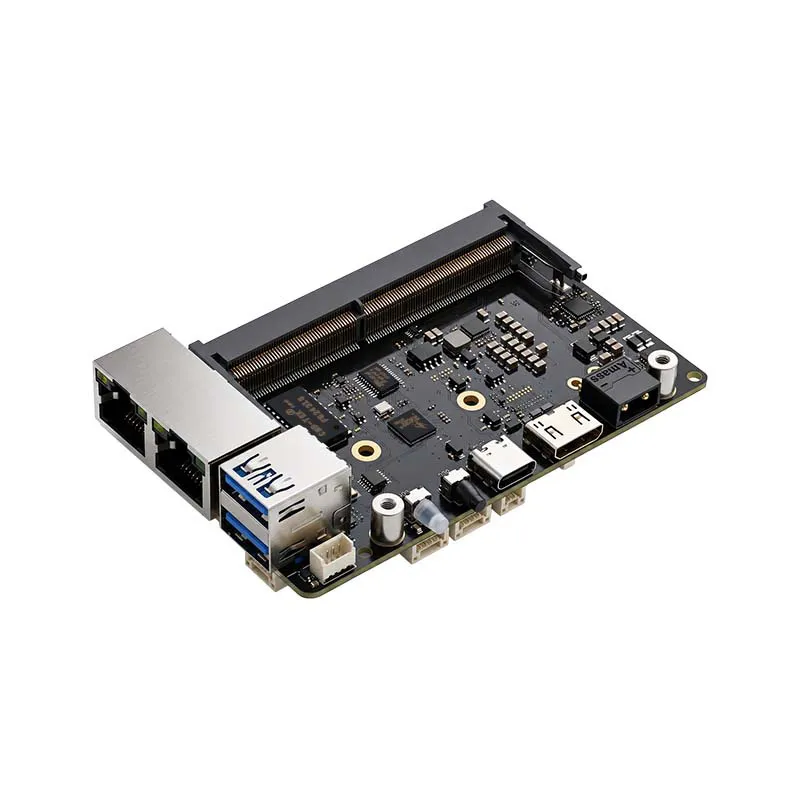
Portworld offers NVIDIA Jetson-based embedded board solutions, including the YC-N1902 and YC-N2401, for customized AI computing applications.
The YC-N1902 supports NVIDIA Jetson Orin Nano/NX platform configurations and delivers AI computing performance of up to 157 TOPS, depending on the selected module and configuration.
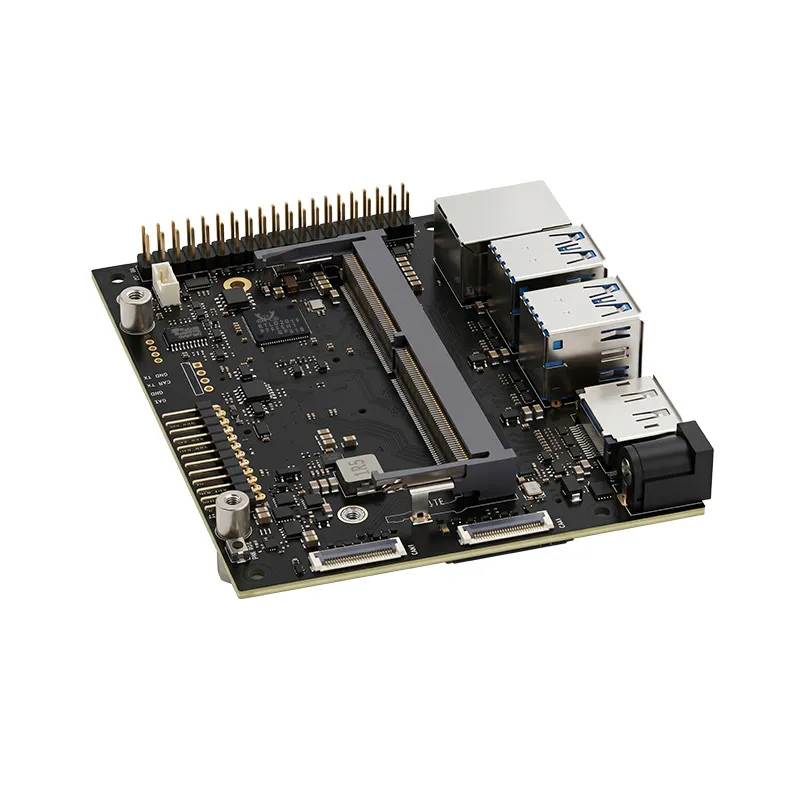
The YC-N2401 also supports Jetson Orin Nano/NX options. It features 1GbE and 2.5GbE Ethernet connectivity, as well as a wide-range 9.5–30V power input.
These platforms provide a computing foundation for robotics developers creating intelligent machines, autonomous systems, and edge AI devices.
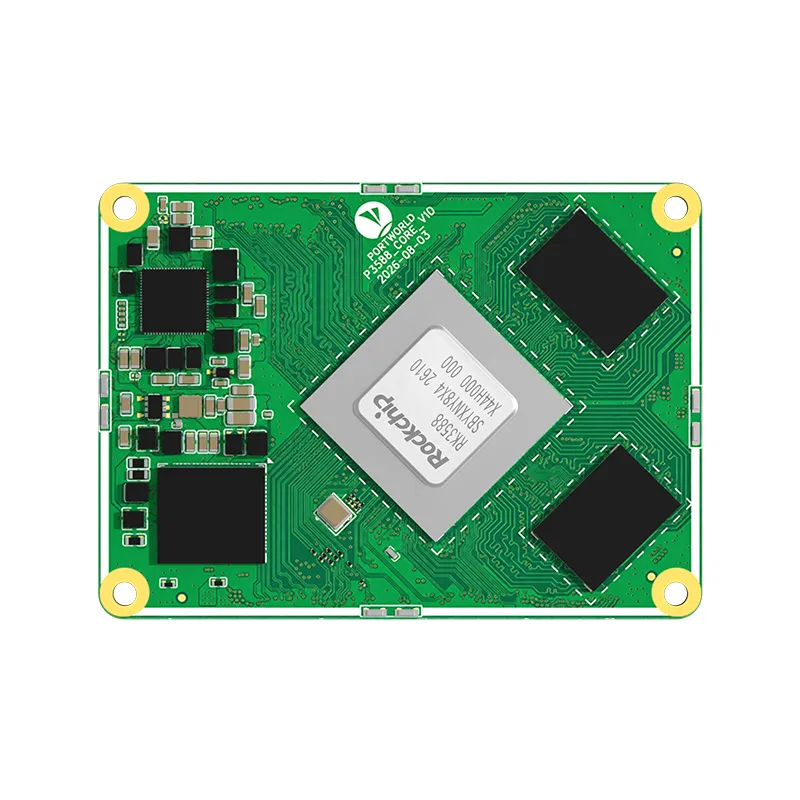
Rockchip RK3588 for Flexible Embedded AI Applications
Robotics projects do not all require the same AI computing architecture.
For applications built around embedded Linux or Android, multimedia processing, industrial connectivity, and custom hardware integration, Rockchip-based platforms offer an additional development option.
Portworld’s YC-Core3588 is powered by the Rockchip RK3588 octa-core processor, featuring:
In robotics, RK3588-based hardware may suit visual interfaces, embedded AI inference, multimedia processing, intelligent terminals, and other edge-computing applications.
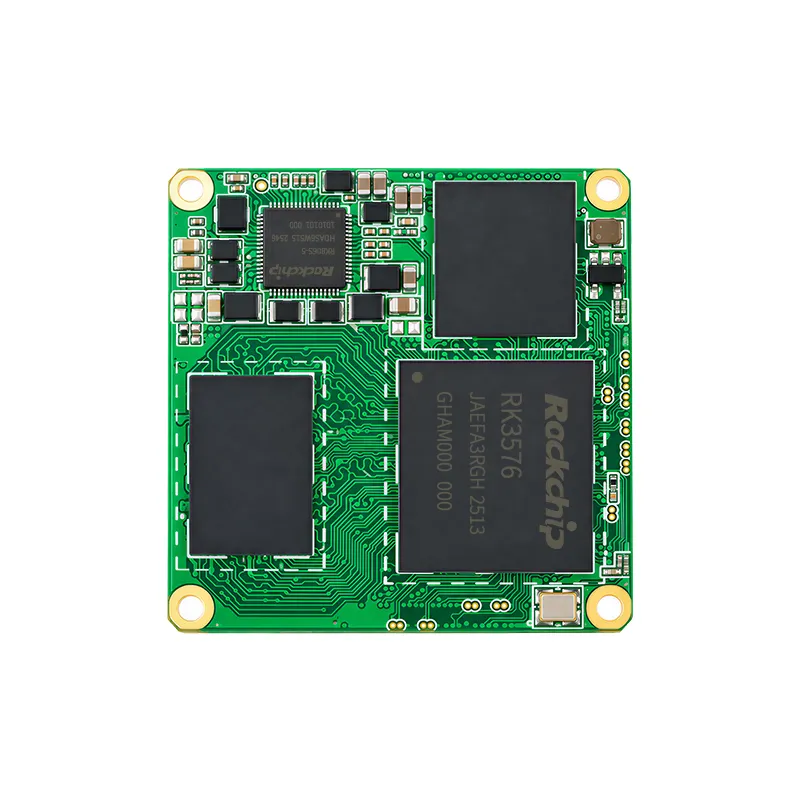
Rockchip RK3576 for Compact Embedded Systems
The RK3576 is a suitable choice for robotics and intelligent embedded devices that need a balance of processing power, compact size, and integration flexibility.
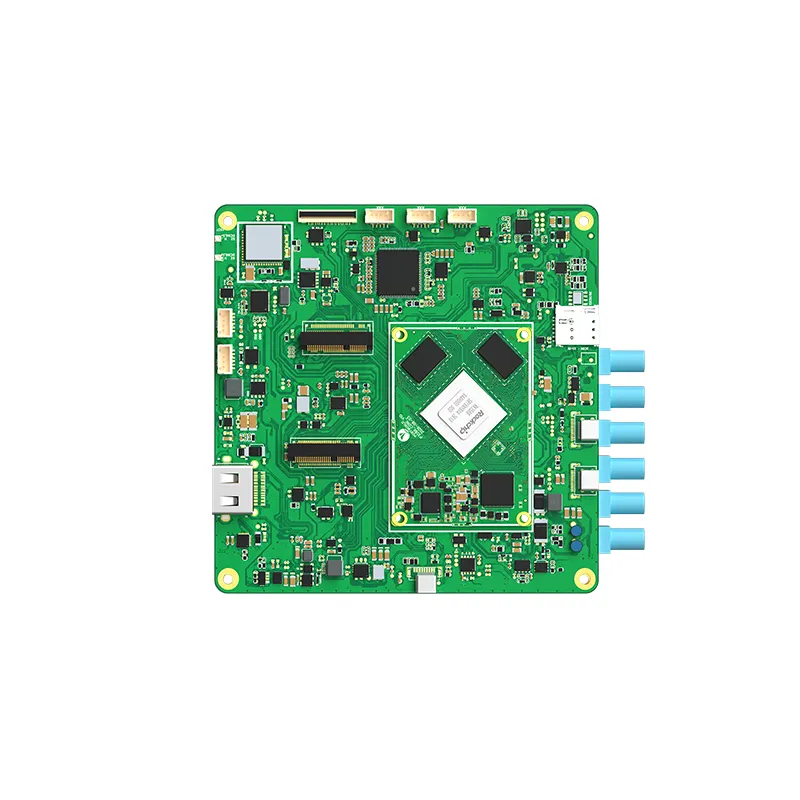
Portworld’s YC-Core3576 offers:
Its compact design can help developers incorporate embedded computing into robotics products with limited space.
| Platform | Main Strength | Potential Robotics Applications |
|---|---|---|
| NVIDIA Jetson Orin Nano/NX | Accelerated AI ecosystem | Advanced vision, AI inference, robotics perception |
| RK3588 | Powerful multimedia and embedded computing | Smart robots, vision terminals, edge AI |
| RK3576 | Compact SoM architecture | Embedded control systems, compact intelligent devices |
Selecting a mainboard should account for the AI models’ actual requirements, the number of cameras, memory capacity, software compatibility, power consumption, and overall system cost.
Key Factors for Choosing a Humanoid Robot Mainboard
Selecting an embedded computing board for a humanoid robot requires more than comparing processor specifications.
During hardware development, evaluate the following factors.
AI Performance and Memory
AI workloads may demand substantial processing power and memory bandwidth. Assess the size of the AI models, their inference requirements, and how many tasks must run simultaneously.
Camera and Display Interfaces
Camera connectivity is vital to perception systems. Verify that the board supports the necessary camera interfaces, video input configurations, and display outputs.
Communication and Expansion
The board should offer appropriate interfaces for sensors, external controllers, networking modules, and peripherals.
Depending on the design, these may include USB, Ethernet, UART, I2C, SPI, RS485, and GPIO.
Power Consumption
Battery-powered robots need careful power budgeting. The processor, memory, storage, and connected peripherals all contribute to total energy use.
Portworld Embedded Computing Solutions for Physical AI and Robotics
Developing a humanoid robot calls for close integration of AI computing hardware, sensor interfaces, communication systems, and mechanical design.
Portworld offers embedded computing platforms and OEM/ODM customization services to companies creating robotics, industrial AI, and intelligent edge devices.
Its product range includes NVIDIA Jetson-based boards, Rockchip AI computing modules, and customized embedded mainboards.
YC-N1902 and YC-N2401: AI Computing Based on NVIDIA Jetson
The YC-N1902 and YC-N2401 support NVIDIA Jetson Orin Nano/NX platform options for AI computing applications.
They are suitable for consideration in robotics projects involving AI inference, machine vision, intelligent perception, and edge computing.
The YC-N2401 also provides 1GbE and 2.5GbE Ethernet connectivity, along with a wide-range 9.5–30V power input.
YC-Core3588: High-Performance Rockchip SoM
The YC-Core3588 is intended for embedded applications requiring robust CPU performance, integrated AI acceleration, multimedia processing, and versatile peripheral expansion.
Its compact System on Module design enables developers to create customized carrier boards for robotics and other embedded products.
YC-Core3576: Compact AI Computing Module
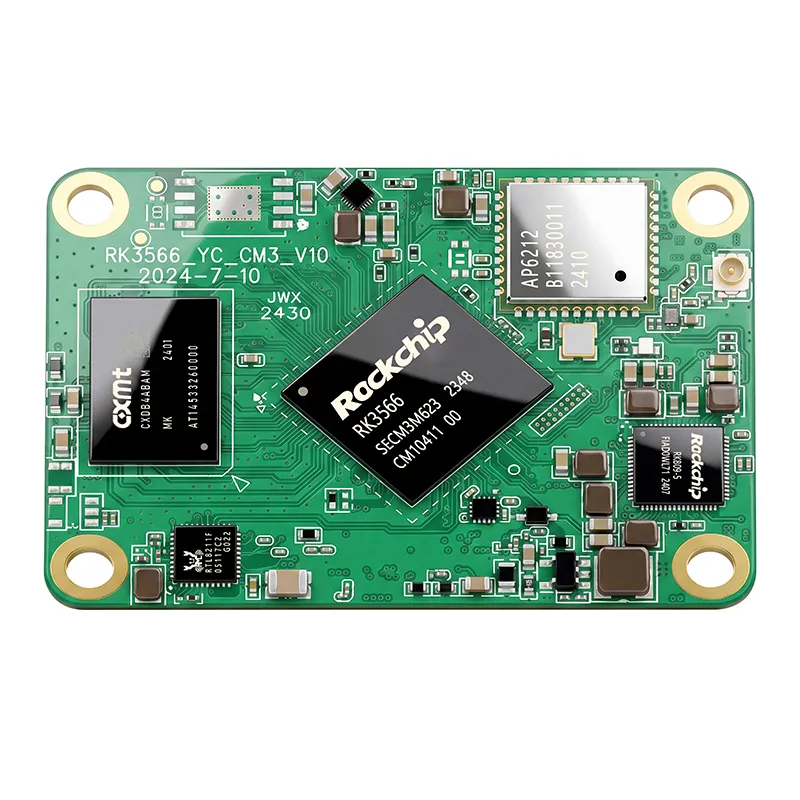
The YC-Core3576 features a compact 38 × 38 mm form factor, an octa-core RK3576 processor, and integrated NPU capabilities.
It is designed for projects that need to balance board size, system integration, and embedded AI performance.
OEM/ODM Services for Robotics Hardware
In addition to standard computing boards, Portworld offers hardware development and customization to meet diverse project requirements.
Services include:
For robotics manufacturers, these services can help transform an initial development platform into a customized embedded computing solution that is ready for product integration.
The Future of Physical AI Relies on Better Hardware Integration
Physical AI is unlocking new possibilities in humanoid robotics, autonomous machinery, industrial automation, and intelligent devices.
As these systems grow more capable, their computing needs become increasingly complex. AI processing, sensor integration, real-time communications, power management, and thermal design must function together within a unified embedded architecture.
For developers, selecting the right computing platform is a crucial step in creating reliable, scalable robotic products.
Whether a project calls for NVIDIA Jetson AI computing, a Rockchip-based System on Module, or a customized embedded mainboard, Portworld offers hardware platforms and OEM/ODM development support for next-generation intelligent devices.