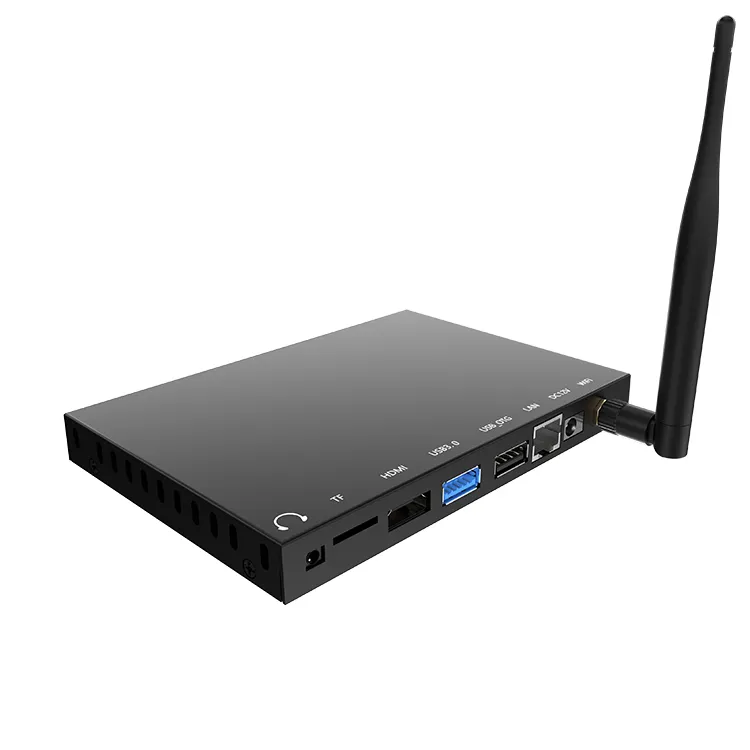
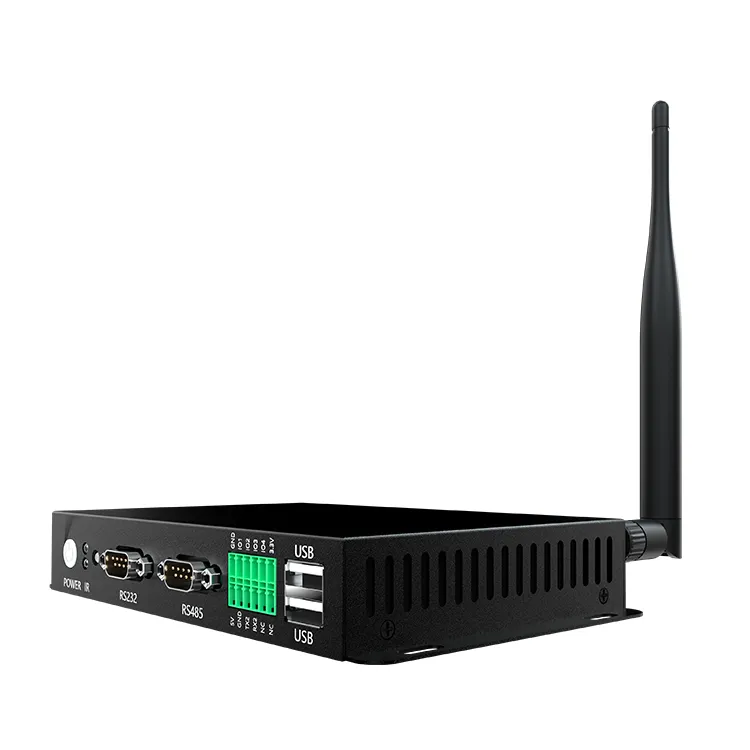
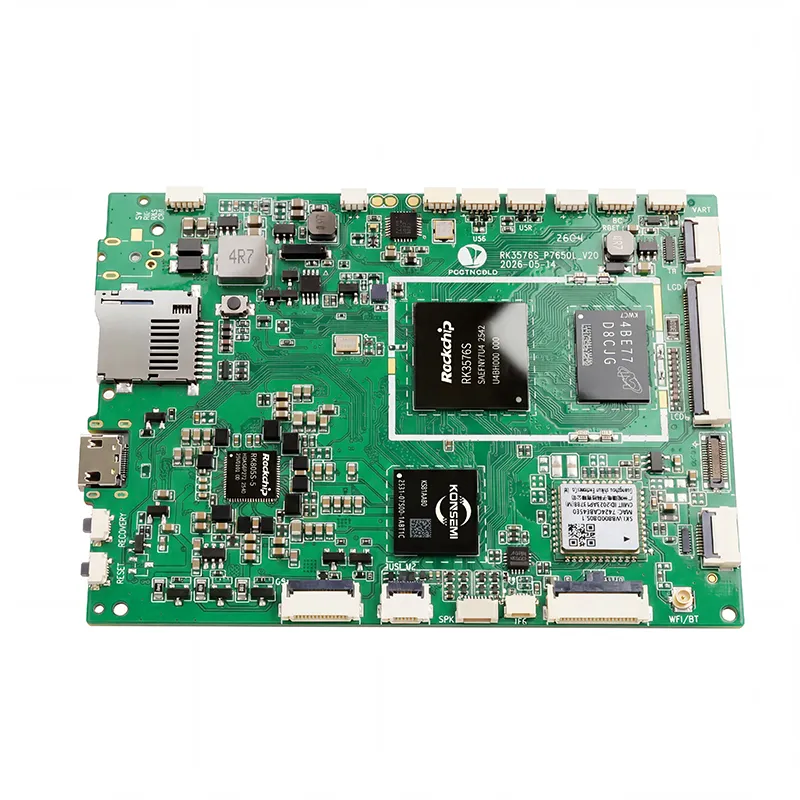
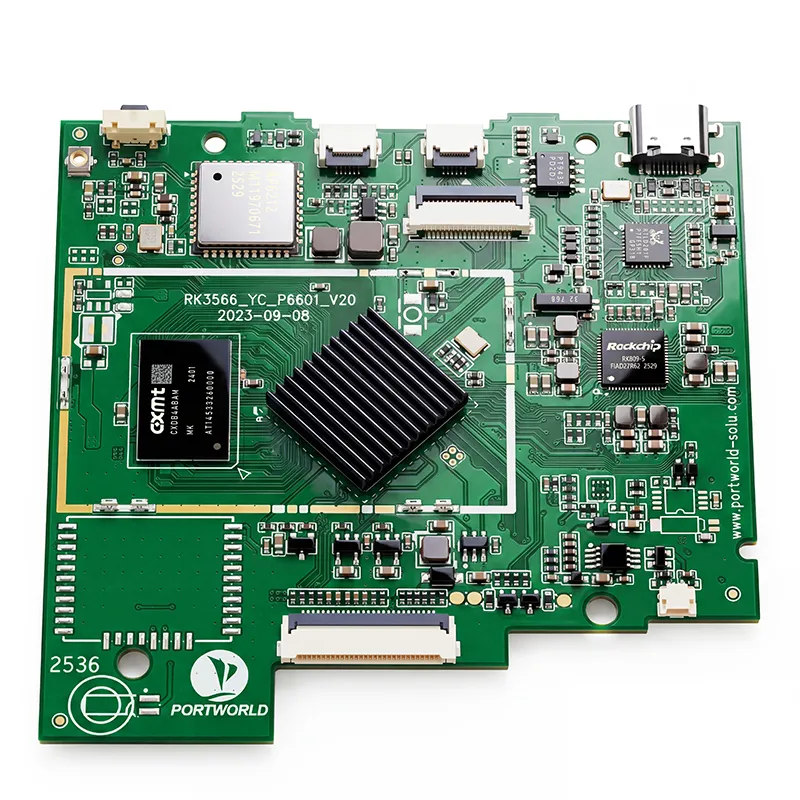


RK3576 Motherboard PCBA Design and Custom OEM/ODM Services
Apr 27,2026
The Next-Gen RK3588 Core board
Powerful, AI-Driven, High-Performance.Shop Now>


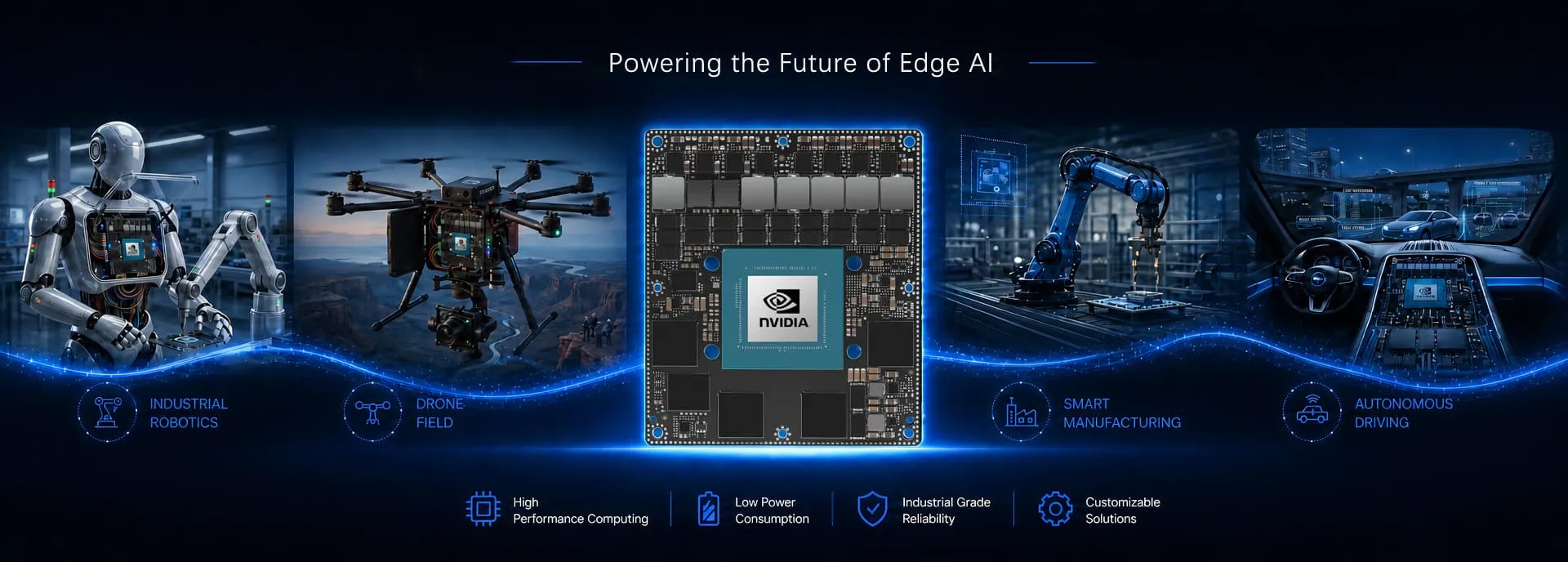


Artificial intelligence hardware has emerged as one of the global technology industry's most strategically significant sectors. Advanced AI processors now support applications ranging from large-scale data centers and autonomous vehicles to industrial robots, smart cameras, and embedded computing devices.
As demand for AI computing rises, the semiconductor industry faces mounting challenges related to technology security, international trade regulations, supply chain transparency, and intellectual property protection.
Recent reports involving NVIDIA have brought these concerns back into focus. After reports about CEO Jensen Huang and an alleged foreign intelligence operation, NVIDIA's board announced an independent inquiry into whether foreign intelligence activities had targeted Huang. The company said it had no current reason to believe that its confidential information or national security interests had been compromised.
While the inquiry remains underway, the situation raises a wider question for the technology sector: how can businesses safeguard valuable AI hardware, technical information, and supply chains as AI computing grows in importance?
For manufacturers, system integrators, and developers of embedded AI products, hardware security and supply chain management are no longer peripheral concerns. They are essential elements of long-term product development.
Why AI Chips Are a Strategic Technology Asset
AI processors differ from conventional embedded processors in both computing capabilities and commercial significance.
Modern AI chips bring together powerful CPU architectures, GPU acceleration, neural processing capabilities, high-bandwidth memory, and specialized software ecosystems. These technologies support demanding workloads, including large language model inference, computer vision, robotic perception, and autonomous decision-making.
Companies such as NVIDIA have developed extensive ecosystems around AI computing hardware. Their products are widely deployed in data centers, robotics development, industrial automation, and edge AI systems.
The increasing importance of these processors has given rise to several industry challenges.
1. Increasing Technology Value
Advanced AI processors demand substantial investment in research, engineering, and specialized manufacturing. Their designs, software environments, and technical documentation constitute valuable intellectual property.
2. International Supply Chain Complexity
AI hardware production depends on a network of suppliers, semiconductor manufacturers, component distributors, system integrators, and regional partners. This complexity makes supplier verification and product traceability increasingly critical.
3. Export Controls and Regulatory Compliance
Certain advanced computing processors may be subject to export restrictions based on their performance specifications, destination, end user, and intended use.
Companies conducting international AI hardware transactions must understand applicable regulations and maintain suitable compliance procedures.
4. Increasing Information Security Risks
AI hardware projects involve sensitive technical information, such as board schematics, firmware, source code, system configurations, and customer application data. Protecting these assets throughout development and manufacturing is essential.
What NVIDIA’s Investigation Reveals About AI Hardware Security
NVIDIA’s recent investigation has drawn attention because it extends beyond an individual executive’s personal circumstances. It also raises questions about how technology companies oversee sensitive business relationships, protect corporate information, and address potential foreign intelligence risks.
Reports about the case have included allegations concerning a business executive linked to a major NVIDIA customer, as well as possible efforts to obtain information about advanced AI chips.
These allegations must be distinguished from confirmed findings. NVIDIA’s board has said it has no reason to believe that company secrets or national security information were compromised. An independent review is intended to assess the information available.
For the broader semiconductor industry, the situation nevertheless offers an opportunity to review several important security practices.
Protecting Confidential Technical Information
AI hardware companies handle substantial amounts of sensitive information throughout product development.
This may include:
Semiconductor and system architecture information
Companies should establish access controls, secure document-management processes, appropriate employee permissions, and suitable confidentiality agreements.
These safeguards are especially important for embedded hardware manufacturers working with multiple OEM/ODM customers and external development partners.
Strengthening Supplier and Customer Verification
The global AI hardware supply chain spans semiconductor vendors, module suppliers, distributors, contract manufacturers, and end customers.
Businesses should implement procedures to confirm supplier identities, authorized distribution channels, customer details, and product destinations.
Traceability is equally important. Manufacturers need dependable records covering component origins, production batches, hardware configurations, and product shipments.
These measures help mitigate risks involving unauthorized components, counterfeit hardware, and opaque product distribution channels.
Understanding AI Chip Export Regulations
Advanced AI processors may face different export control requirements based on their technical specifications and destination markets.
Companies that export AI computing boards or incorporate advanced processors into complete systems should assess relevant regulations before shipping.
Compliance processes may involve customer screening, end-user verification, destination checks, product classification, and transaction records.
For international hardware manufacturers, regulatory awareness should be built into procurement and sales operations, rather than addressed only after a transaction is complete.
Why Edge AI Hardware Requires Strong Supply Chain Management
Discussions of AI security often center on large data centers and high-performance GPUs. Yet embedded AI hardware faces many of the same supply chain and information security risks.
Edge AI systems operate in physical settings such as factories, warehouses, hospitals, commercial buildings, transportation networks, and public infrastructure.
These devices may handle sensitive images, operational data, user interactions, and industrial information.
As a result, a dependable edge AI solution requires more than a powerful processor.
1. Verified Hardware Components
Manufacturers should source components from trusted suppliers and keep consistent procurement records.
Processor modules, memory, storage, power management components, and communications chips all affect the product’s overall reliability.
2. Secure Firmware and Software Management
Embedded devices need appropriate safeguards for their firmware, operating systems, application software, and system updates.
Depending on the platform, useful security measures can include secure boot, firmware authentication, signed updates, access controls, and vulnerability management.
The available security features depend on the processor selected and how the software is implemented.
3. Managed SDK and Source Code Access
Software development kits and technical documentation are essential for embedded product development.
Access to source code, engineering materials, and development environments should be governed by project requirements and customer authorization.
This is particularly important in OEM/ODM projects that serve multiple customers and use customized hardware configurations.
4. Dependable Manufacturing and Product Traceability
A production-ready embedded computing solution should include well-documented hardware revisions, component records, production test procedures, and quality control processes.
These practices enable manufacturers to maintain consistency across prototype development, pilot production, and mass manufacturing.
Selecting AI Computing Hardware: NVIDIA Jetson and Rockchip Platforms
For companies building AI-enabled embedded products, selecting the appropriate processor is vital to performance planning and supply chain management.
NVIDIA Jetson and Rockchip platforms provide distinct approaches to embedded AI computing.
NVIDIA Jetson for Advanced Edge AI Applications
NVIDIA Jetson platforms are engineered to accelerate AI computing at the edge.
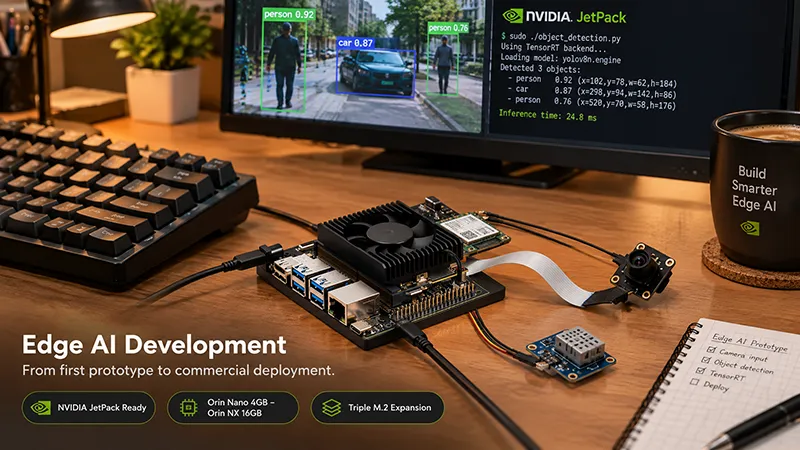
They offer a mature software ecosystem for developers creating solutions in computer vision, robotics, AI inference, and intelligent automation.
Depending on the module selected, Jetson-based systems can power applications such as:
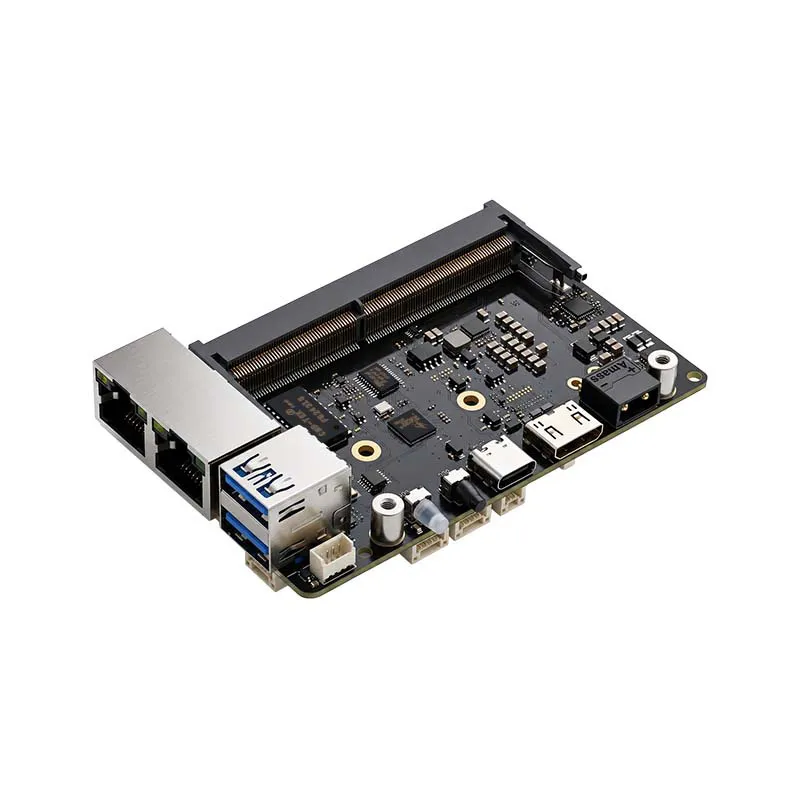
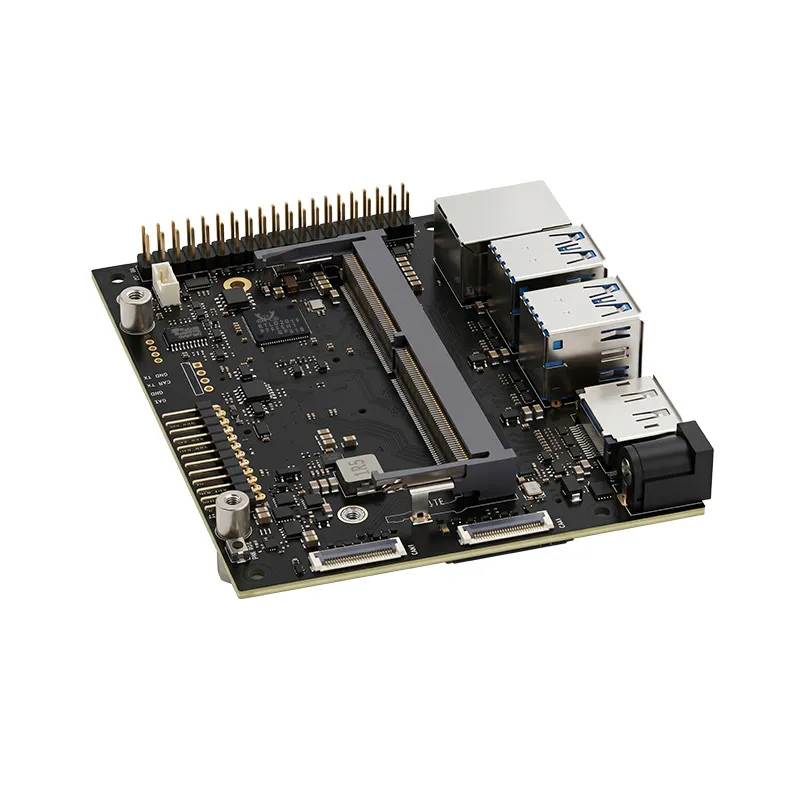
Portworld offers embedded board solutions based on NVIDIA Jetson, including the YC-N1902 and YC-N2401.
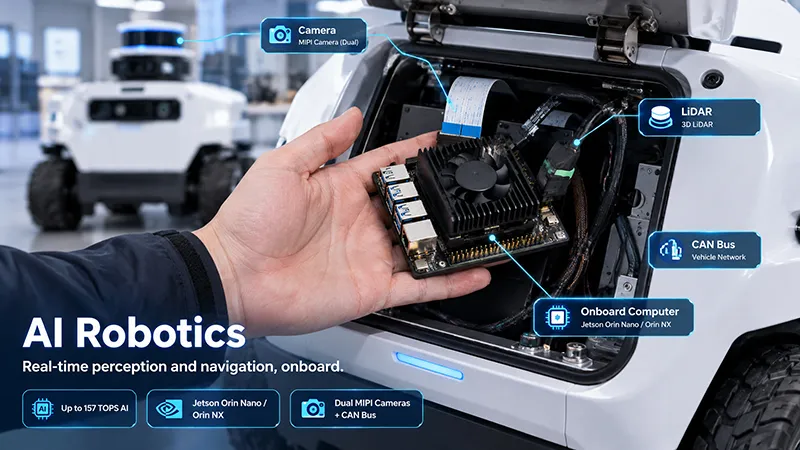
The YC-N1902 supports Jetson Orin Nano/NX configurations and delivers up to 157 TOPS of computing performance, depending on the module selected.
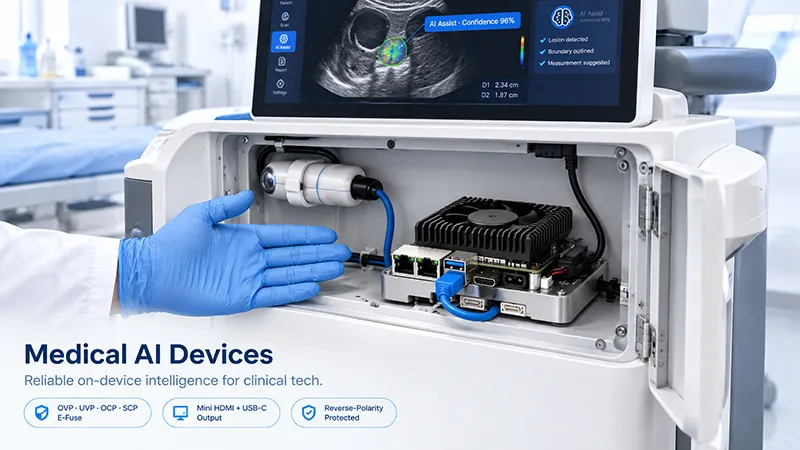
The YC-N2401 supports Jetson Orin Nano/NX platform options and features 1GbE and 2.5GbE Ethernet connectivity, along with a wide-range 9.5–30V power input.
These platforms provide the hardware foundation developers need to build customized AI computing devices.
Rockchip Platforms for Adaptable Embedded Computing
Rockchip-based processors offer another choice for embedded systems that need a balance of computing performance, multimedia features, connectivity, and customization options.
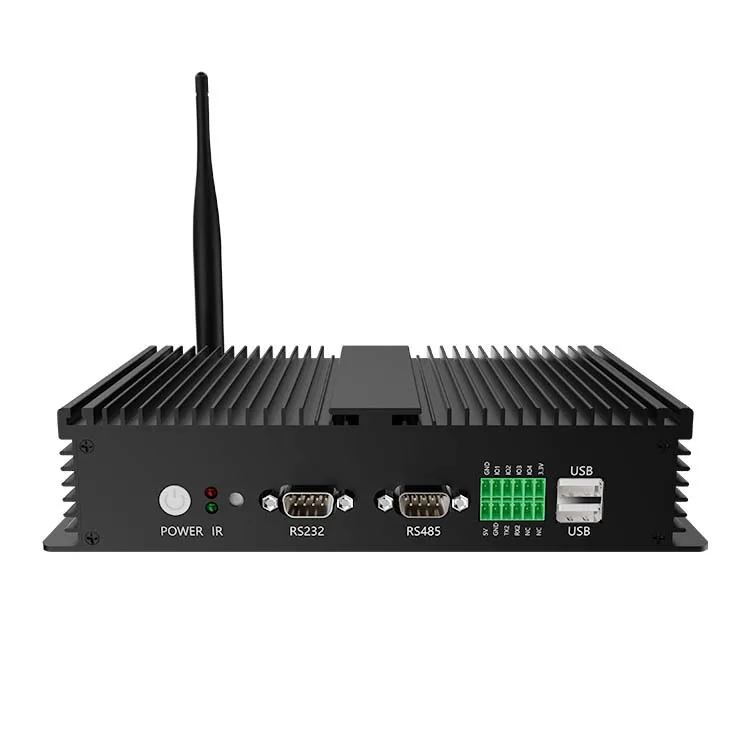
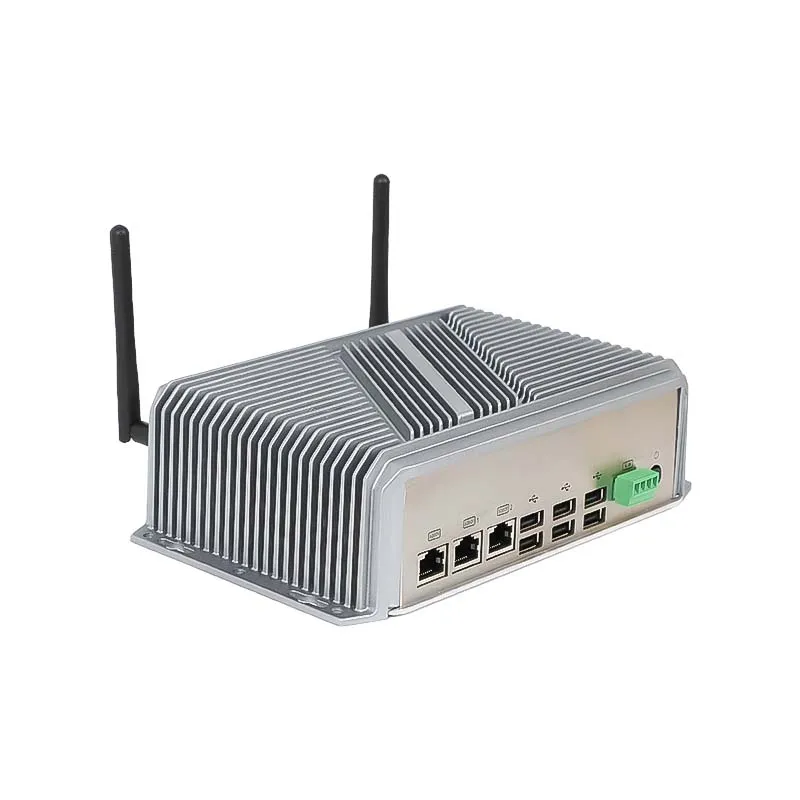
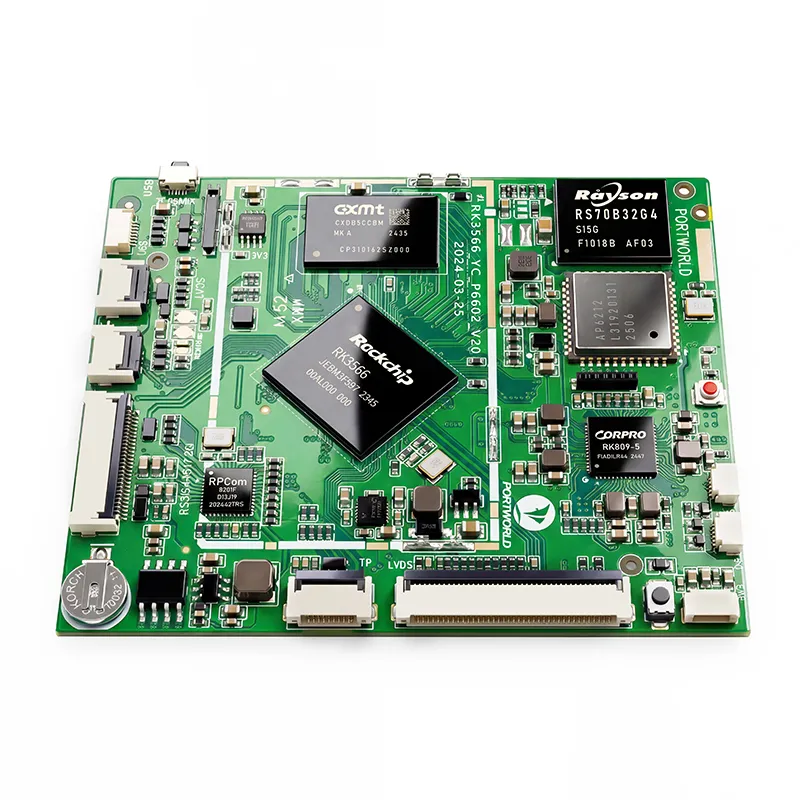
Portworld's embedded computing portfolio includes several solutions built on Rockchip platforms.
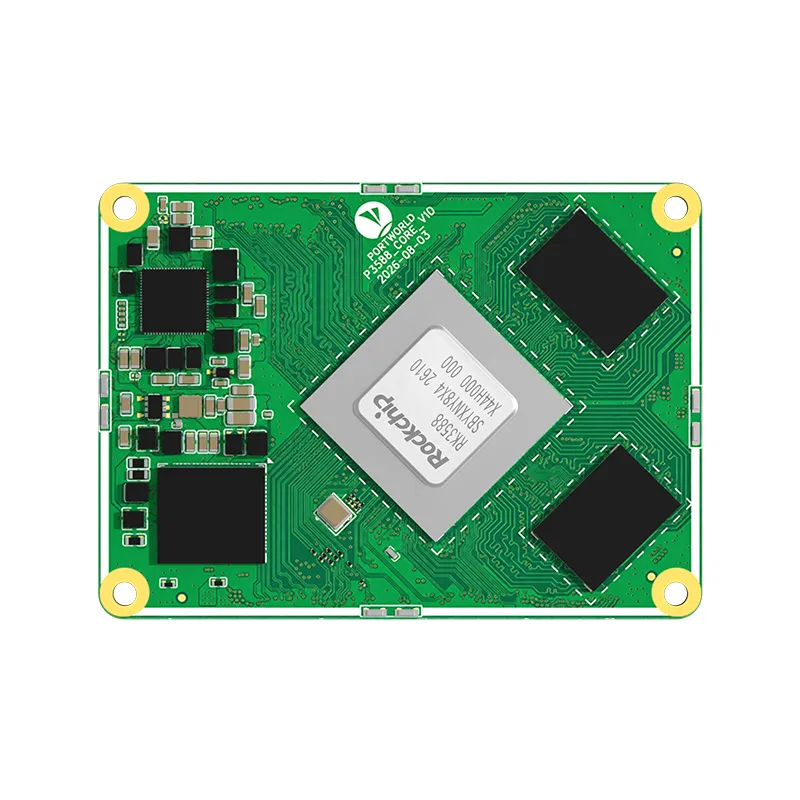
YC-Core3588
Powered by the RK3588 octa-core processor, the YC-Core3588 features a 6 TOPS NPU and supports advanced multimedia processing, multiple display interfaces, and flexible peripheral expansion.
Potential applications include industrial AI devices, smart robotics, machine vision terminals, and intelligent commercial equipment.
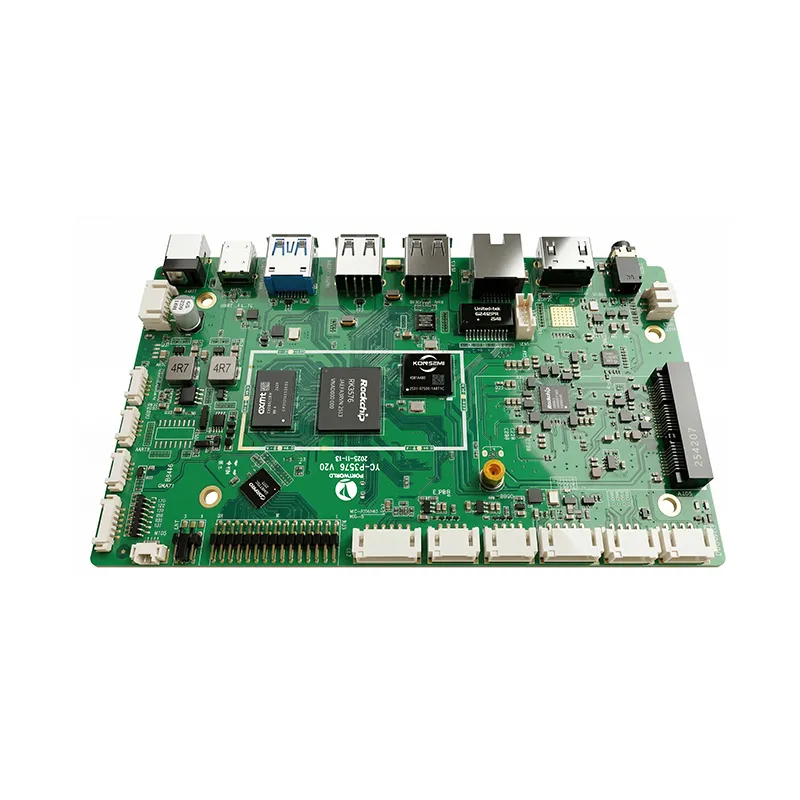
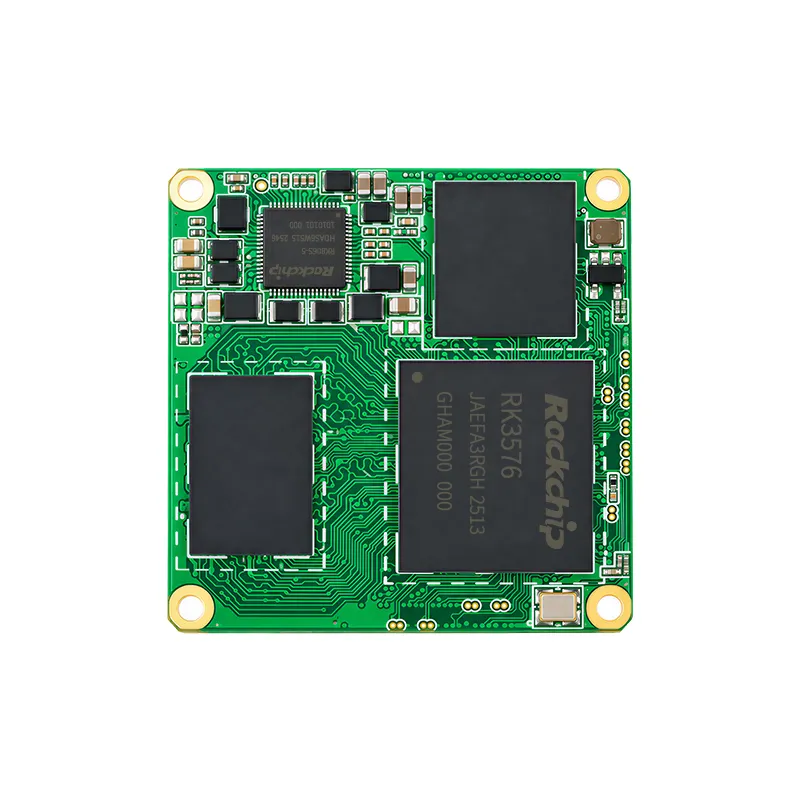
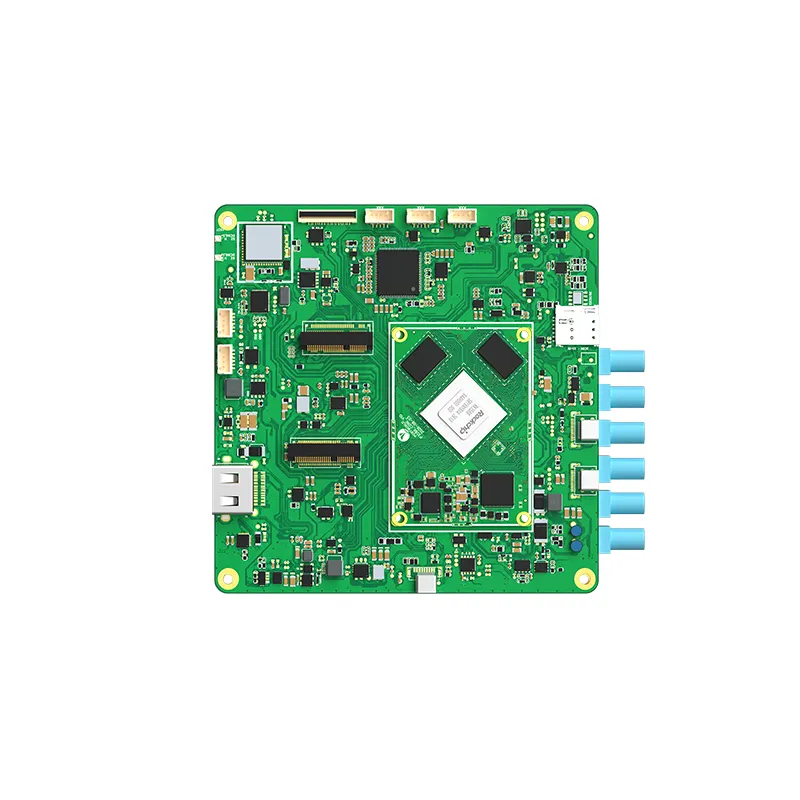
YC-Core3576
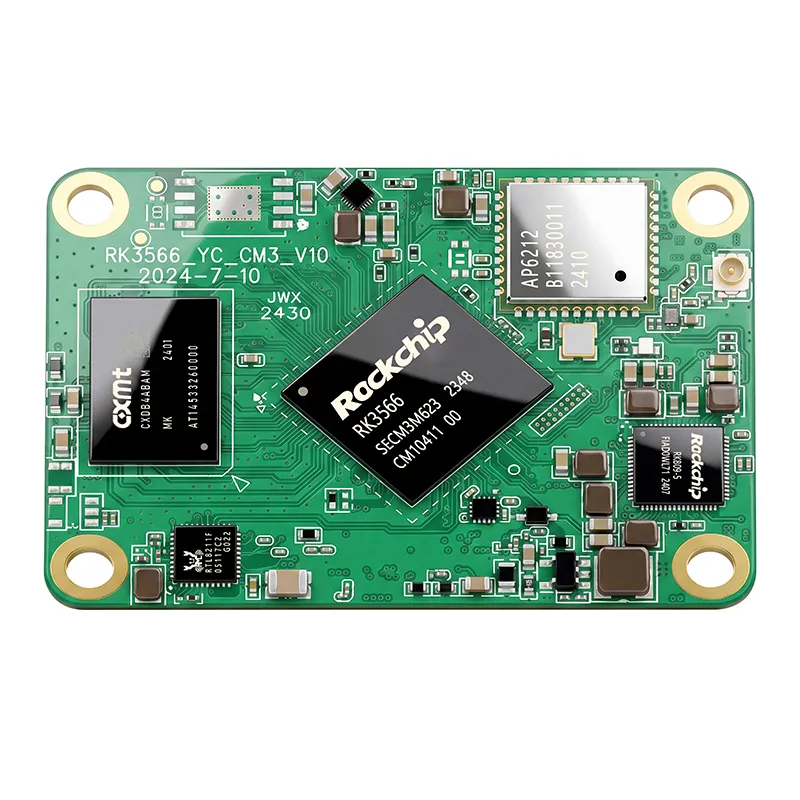
The YC-Core3576 is based on the RK3576 processor and features a compact 38 × 38mm System on Module design.
It brings together an octa-core CPU architecture, integrated GPU and NPU capabilities, and a 240-pin board-to-board connector.
This module is suited to embedded products that must balance space constraints, system integration, and computing performance.
The choice between NVIDIA Jetson and Rockchip should be based on the required AI workload, software ecosystem, interfaces, power budget, product cost, and long-term supply needs.
What Should Businesses Consider When Choosing an Embedded AI Hardware Manufacturer?
For companies developing commercial AI products, choosing a hardware manufacturing partner is a significant decision.
A dependable partner should offer more than a processor board. It should support the full process, including hardware development, software integration, customization, and production.
Several factors merit careful consideration.
Engineering and R&D Capabilities
The manufacturer should bring expertise in embedded hardware design, PCB development, processor integration, and system customization.
Component Sourcing and Quality Management
Dependable component procurement, supplier oversight, production inspections, and product traceability can help minimize manufacturing risks.
Software Development Support
Embedded products may need operating system adaptation, BSP customization, driver integration, SDK resources, and application-level development.
Documentation and Intellectual Property Management
Technical documentation, schematics, firmware, and source code should be handled in accordance with clearly defined project permissions and confidentiality requirements.
Production Flexibility
Manufacturers should be equipped to support prototype development, limited production runs, and scalable manufacturing to meet project needs.
These capabilities are especially valuable to companies developing customized AI terminals, robotics systems, and industrial computing devices.
Portworld: Embedded AI Hardware and OEM/ODM Customization
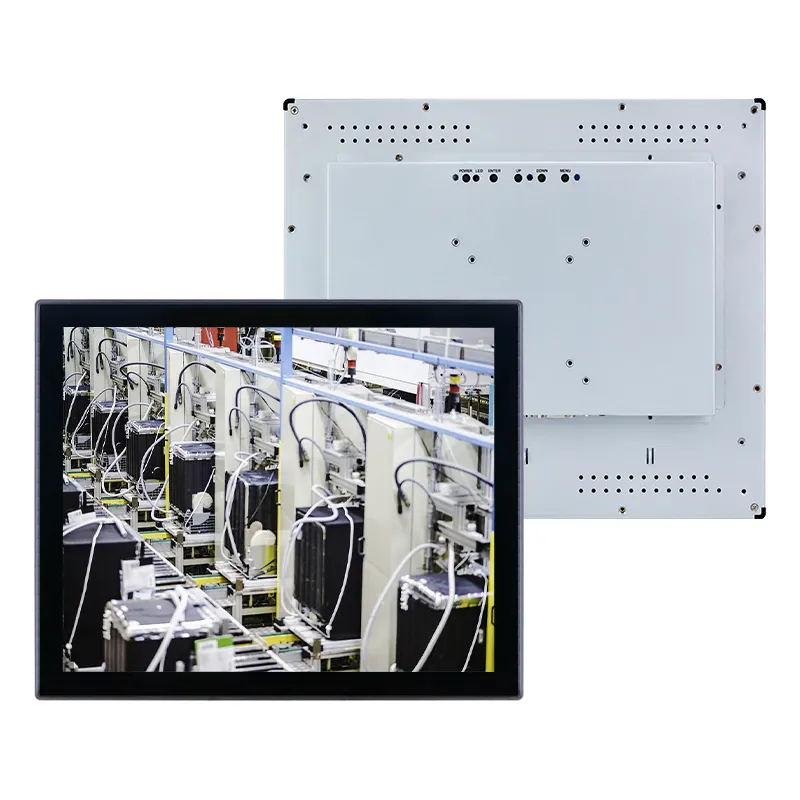
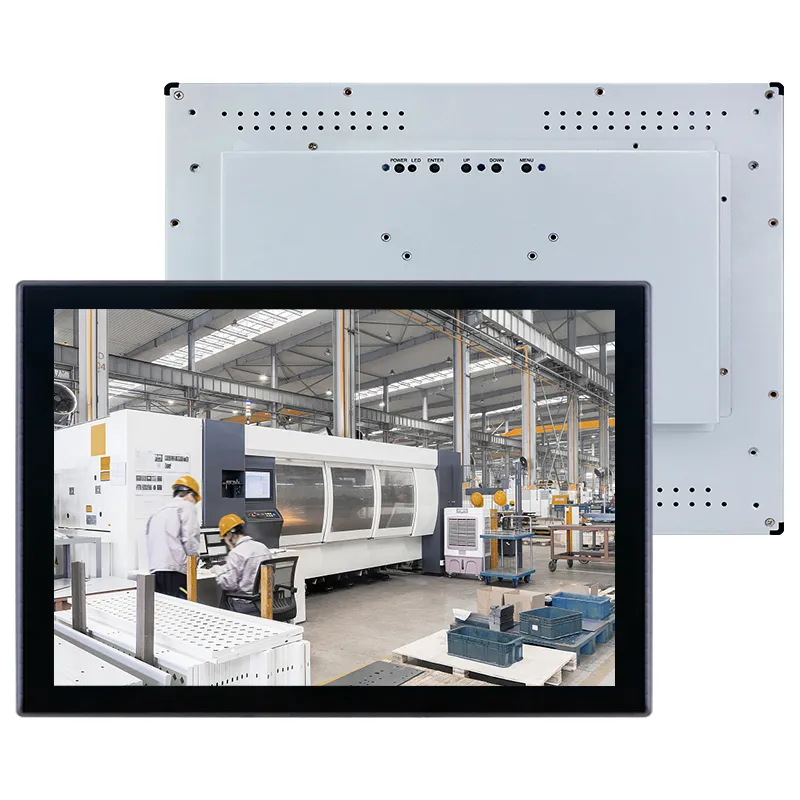
Portworld offers embedded computing boards, System on Modules, industrial touch displays, and tailored hardware solutions for AIoT and industrial applications.
Drawing on more than 18 years of hardware engineering experience, Portworld helps customers develop intelligent devices that need customized computing platforms and reliable, long-term manufacturing support.
Portworld: Embedded AI Hardware and OEM/ODM Customization
Portworld supplies embedded computing boards, System-on-Modules, industrial touch displays, and tailored hardware solutions for AIoT and industrial applications.
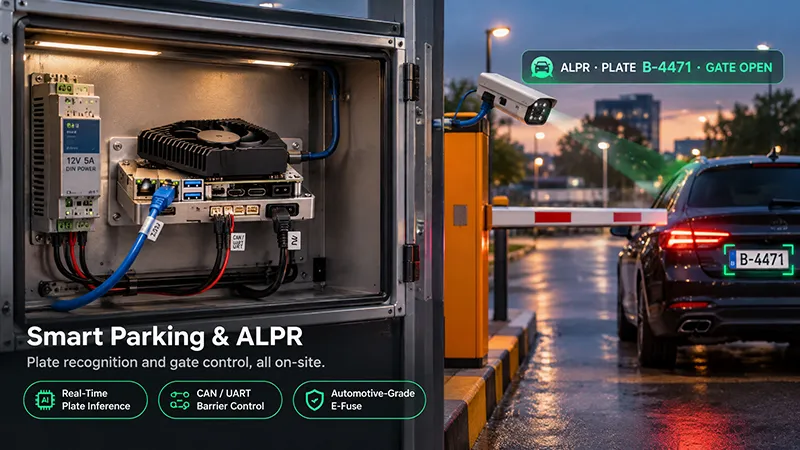
Drawing on more than 18 years of hardware engineering experience, Portworld helps customers develop intelligent devices that need customized computing platforms and dependable, long-term manufacturing support.
Its product range includes AI boards built on NVIDIA Jetson, Rockchip motherboards, compact SoM platforms, and embedded touchscreen solutions.
Portworld's OEM/ODM services include:
For businesses developing robotics, machine vision, industrial automation, and smart terminal products, Portworld offers hardware development and manufacturing support customized to application needs.
By combining embedded computing platforms with tailored hardware integration, companies can create AI-powered products while retaining greater control over product architecture and the manufacturing process.