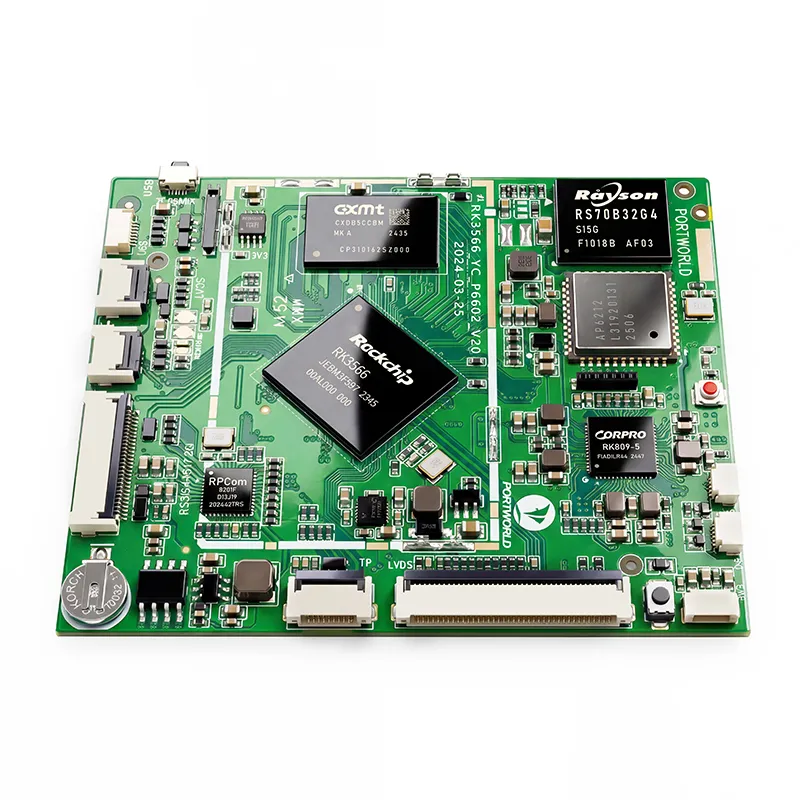
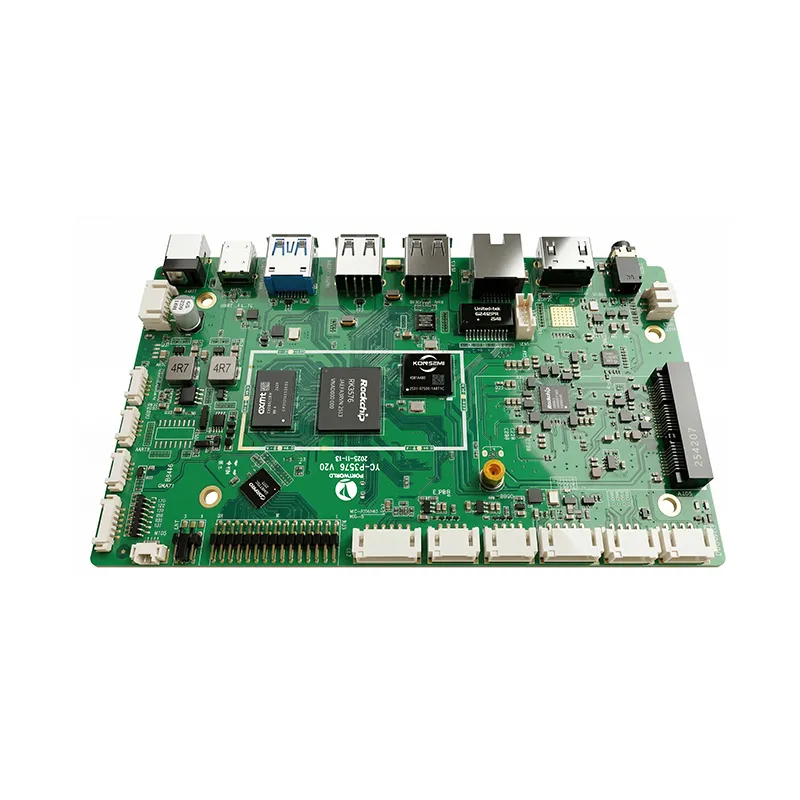
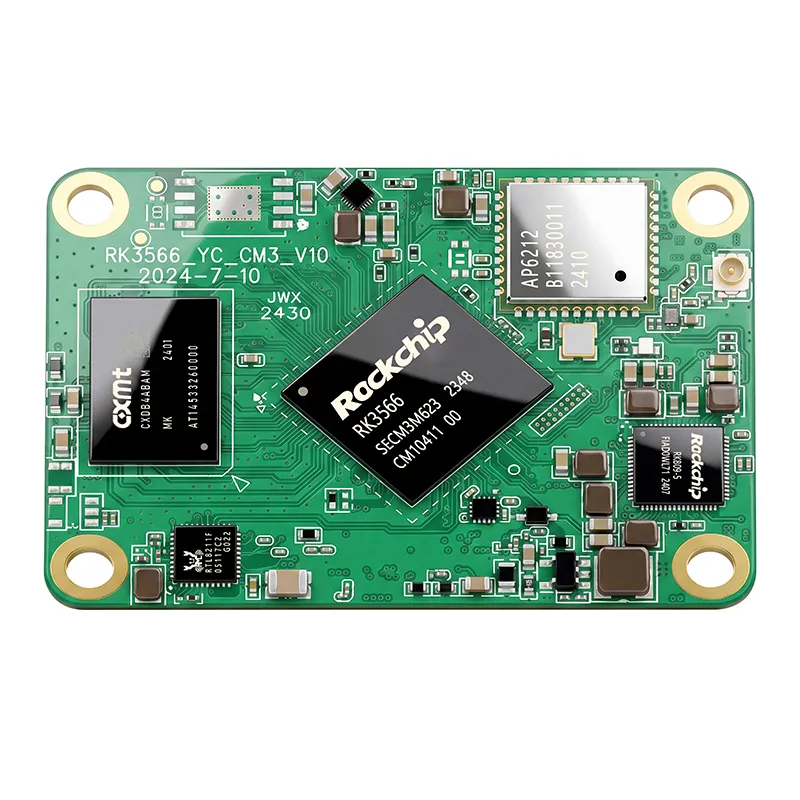
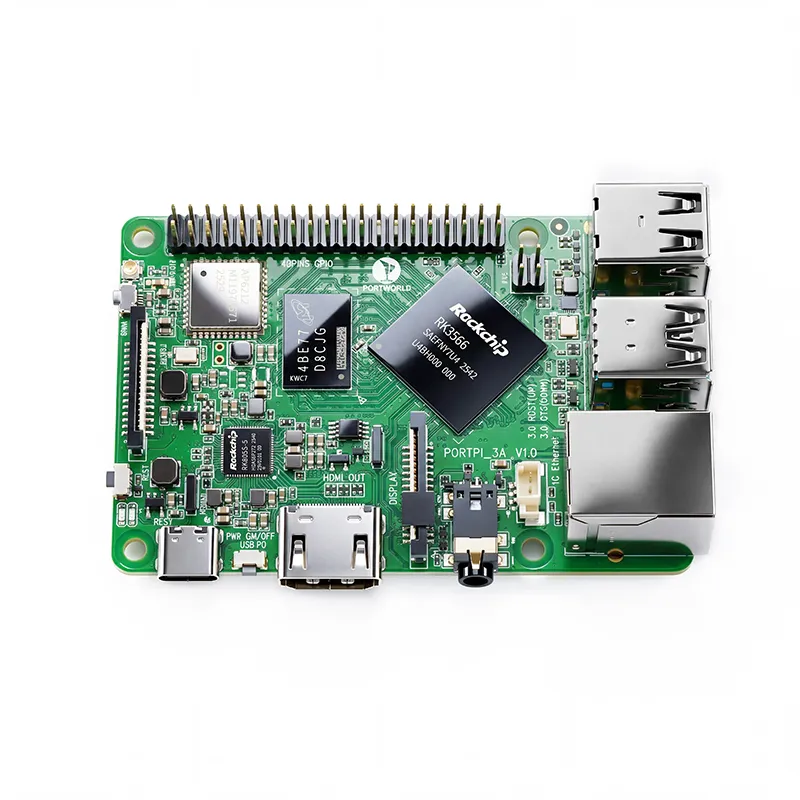
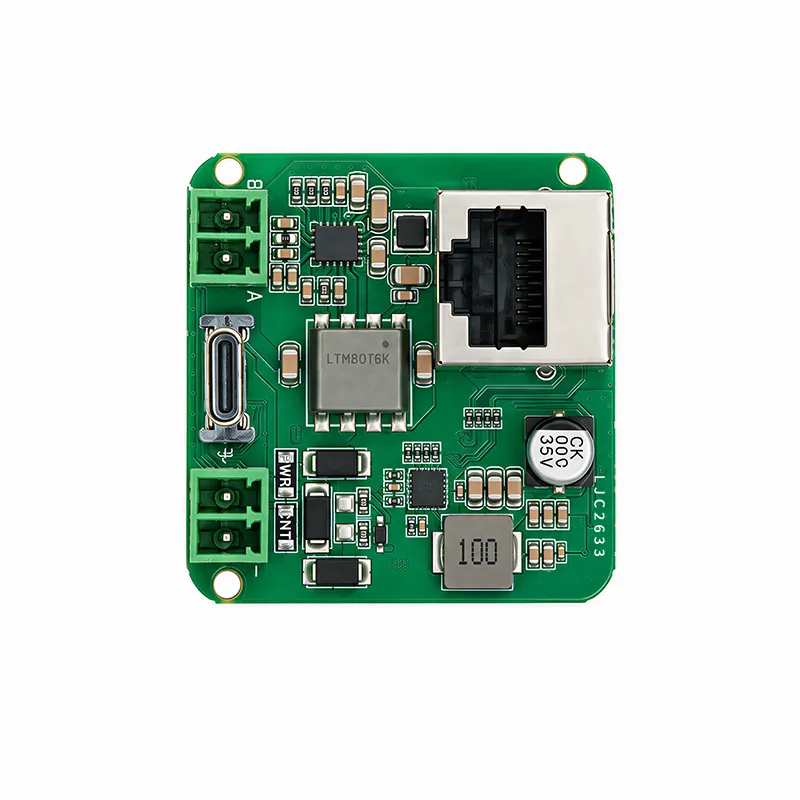
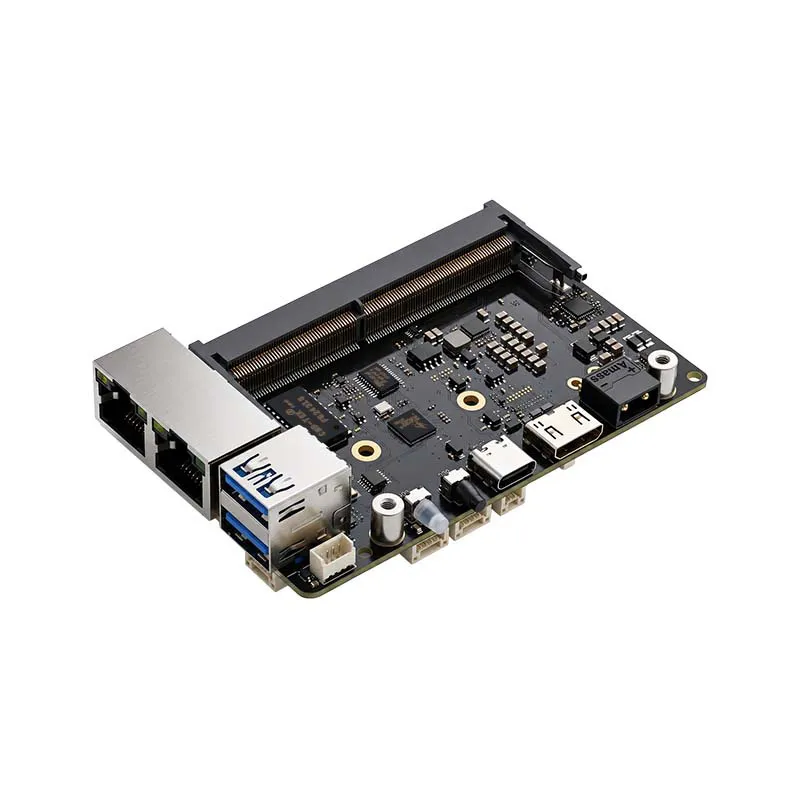
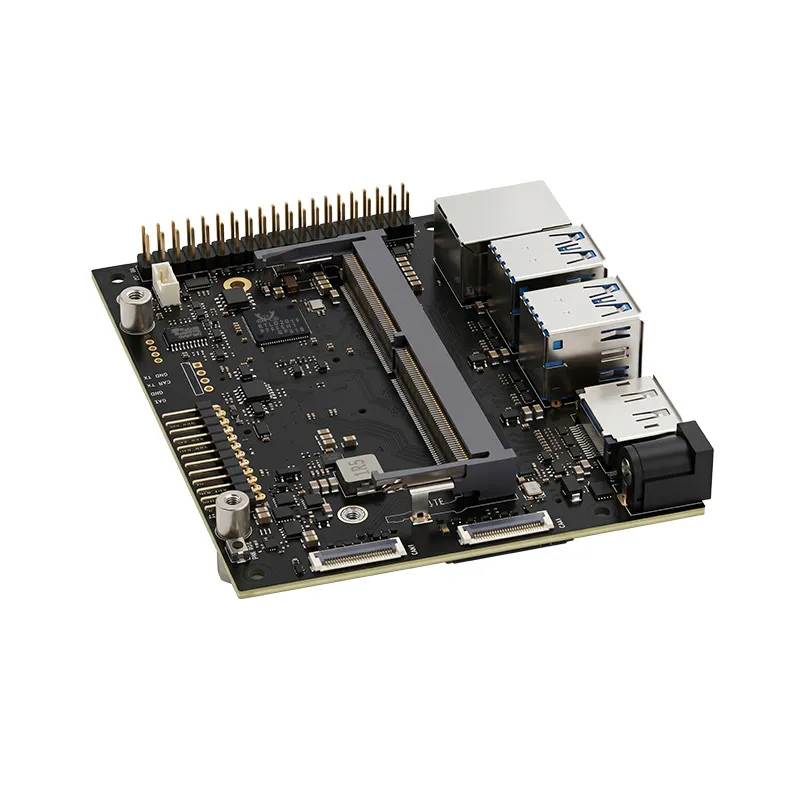
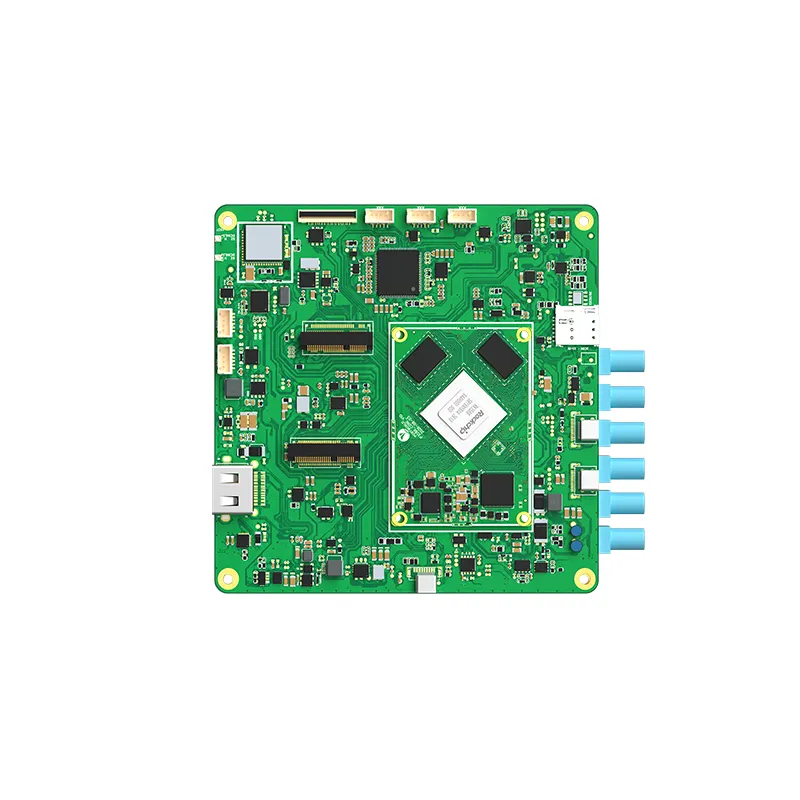

RK3576 Motherboard PCBA Design and Custom OEM/ODM Services
Apr 27,2026
The Next-Gen RK3588 Core board
Powerful, AI-Driven, High-Performance.Shop Now>


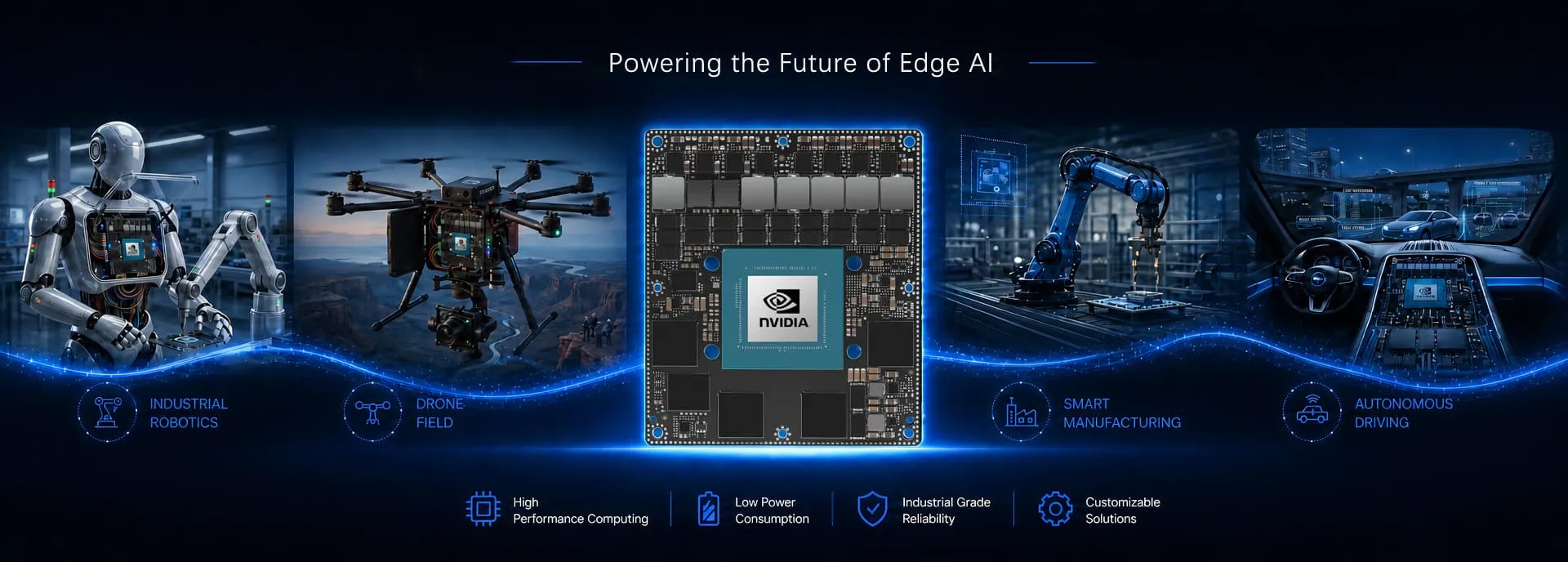


As embedded devices evolve to become more sophisticated, manufacturers are increasingly seeking computing platforms that offer a combination of processing power, connectivity, and adaptable hardware integration. Various products, ranging from industrial control systems and smart home devices to AI-driven robots and digital signage, often depend on a compact computing module instead of a processor developed entirely from the ground up.
This is where the core board, frequently referred to as a System on Module (SoM), plays a crucial role. A core board consolidates essential computing components into a compact module that can be linked to a custom carrier board. This integration aids developers in streamlining hardware design, expediting product development, and creating embedded systems customized for specific applications.
For organizations engaged in the development of industrial machinery, smart terminals, robotics, or edge AI solutions, comprehending the functionality of core boards is a vital initial step in selecting the appropriate embedded computing platform.
What Is a Core Board?
A core board is a compact electronic module that incorporates the fundamental computing components of an embedded system. Depending on its processor architecture and design, it may encompass a system-on-chip (SoC), RAM, flash storage, power management components, and other critical circuitry.
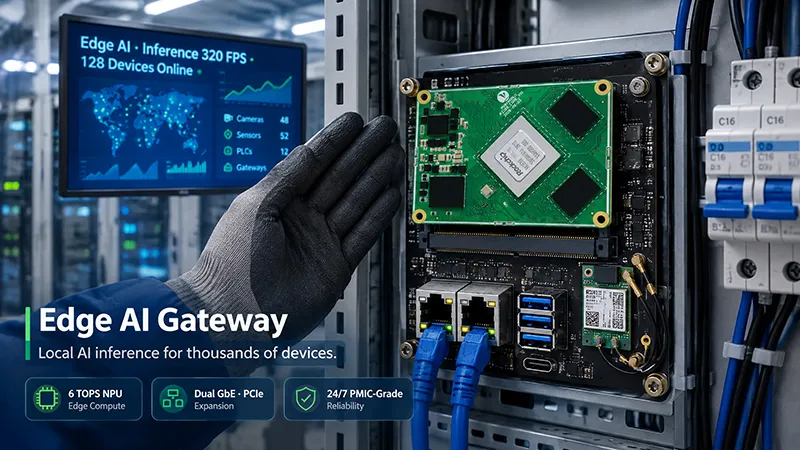
Typically, the core board connects to a carrier board, sometimes known as a baseboard, which supplies the external interfaces and application-specific hardware required by the final product.
Rather than constructing an entire computing platform from scratch, a product developer can utilize an existing core board and tailor the carrier board to fulfill the project's specifications. This method can minimize redundant hardware development efforts and enable engineering teams to concentrate on functions specific to the product.
In embedded computing, the terms core board and System on Module (SoM) are frequently used interchangeably. Nonetheless, the precise level of integration can differ among manufacturers. Some modules come with built-in memory and storage, while others necessitate additional components on the carrier board. Developers should review the specifications of the module prior to finalizing their hardware design.
How Does a Core Board Function in an Embedded System?
A standard embedded computing platform comprises two primary hardware layers: the core board and the carrier board.
The core board delivers the essential computing resources. Its processor operates the operating system and application software, while integrated graphics, AI acceleration, and multimedia engines manage the supported workloads. Memory and storage supply the necessary resources to run programs and maintain system data.
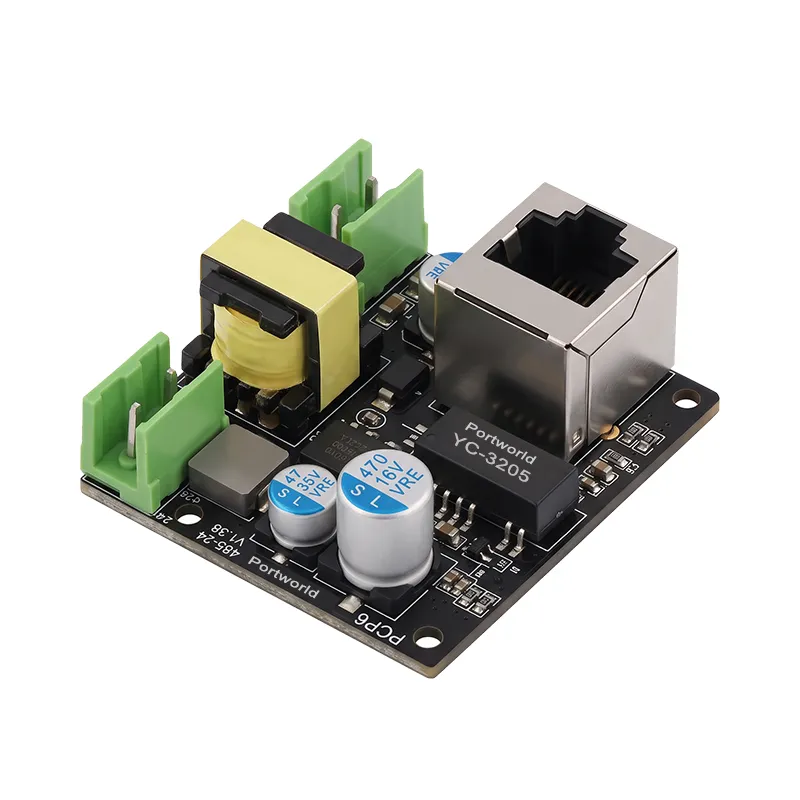
The carrier board links the core board to the remainder of the device. It may offer Ethernet, USB, HDMI, camera interfaces, serial communication, audio, power input, and connections for sensors or industrial machinery. The specific interfaces are contingent upon the available signals from the core board and the design of the carrier board.
For instance, an industrial machine vision system might utilize a core board based on the RK3588 for tasks related to image processing and AI inference. A tailored carrier board can facilitate connections to compatible cameras, Ethernet networks, storage devices, and industrial peripherals. The resulting system merges the computational power of the module with the necessary interfaces dictated by the application.
This modular design distinguishes the core computing platform from the hardware specific to the product, thereby simplifying the development of various devices around a unified computing framework.
Core Board vs. Carrier Board: What Distinguishes Them?
While these components function in tandem, they fulfill distinct roles.
The core board is primarily concerned with computing. It houses the processor platform along with the fundamental components essential for its operation. The CPU architecture, memory capacity, AI acceleration, multimedia features, and compatible operating systems largely define the computing capabilities of the system.
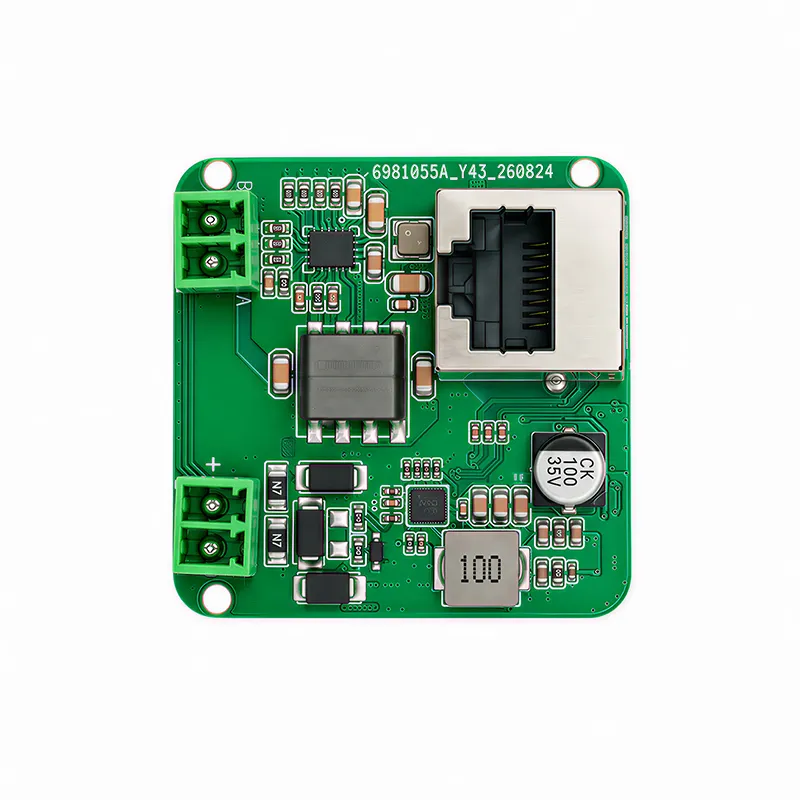
Conversely, the carrier board is centered on integration. It directs signals from the module to external connectors and incorporates the necessary circuitry for the final product. Its design dictates which interfaces are available, how peripherals are connected, and how the module integrates into the overall electrical and mechanical framework.
This separation proves particularly beneficial for manufacturers who are creating multiple products that share similar computing needs but possess different external interfaces. Instead of redesigning the processor platform for each individual product, they can utilize a compatible core board and create various carrier boards.
Nonetheless, modularity does not imply that every core board is interchangeable. It is essential that connector pinouts, electrical characteristics, power requirements, boot configurations, thermal limits, and software support are all compatible.
What is the Significance of Core Boards in Embedded Product Development?
One significant benefit of employing a core board is the capacity to reuse a well-established computing platform. The design of a processor board entails considerations such as high-speed signal routing, memory layout, power sequencing, electromagnetic compatibility, and thermal management. Initiating the process with an appropriate module can significantly lessen the workload needed to execute these functions.
Core boards also provide product developers with enhanced flexibility in choosing computing performance. A straightforward connected device may only require minimal processing capabilities, whereas a machine vision system or an intelligent robot might necessitate multiple CPU cores, a GPU, and an AI accelerator.
Furthermore, the modular approach can facilitate product customization. A manufacturer can create a carrier board tailored to a specific enclosure, communication interface, display, or peripheral configuration without the need to redesign the entire computing platform.
For commercial products, this approach can facilitate a more consistent development process throughout prototypes, pilot production, and mass manufacturing. The actual reductions in development time and costs are contingent upon the module's maturity, the quality of documentation, software compatibility, and the extent of customization needed.
Various Types of Core Boards for Distinct Applications
Not all embedded systems necessitate the same processing architecture. Core boards are offered across a diverse spectrum of performance levels and processor platforms.
For basic control and connected devices, an entry-level module may suffice for operating a lightweight operating system, managing sensors, and facilitating communication with other devices. In contrast, interactive terminals, smart panels, and multimedia systems may require a more advanced application processor to effectively manage graphical interfaces, video playback, and multiple communication tasks.
AI-enabled products present additional requirements. A module equipped with a dedicated neural processing unit (NPU) can enhance the performance of supported machine learning workloads locally, depending on the model, framework, and software runtime. This capability is particularly beneficial when an application needs to process camera input or make decisions without transmitting all data to a remote server.
Portworld provides embedded computing platforms utilizing Rockchip processors tailored to various project specifications. Notable examples include the YC-Core3588, which is built on the Rockchip RK3588, and the YC-Core3576, which is based on the Rockchip RK3576.
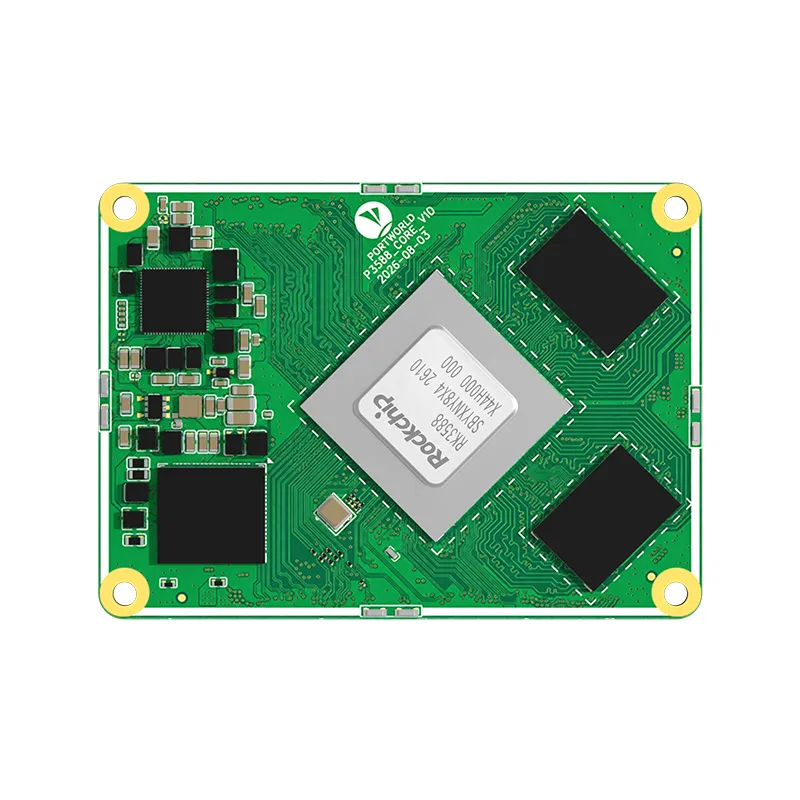
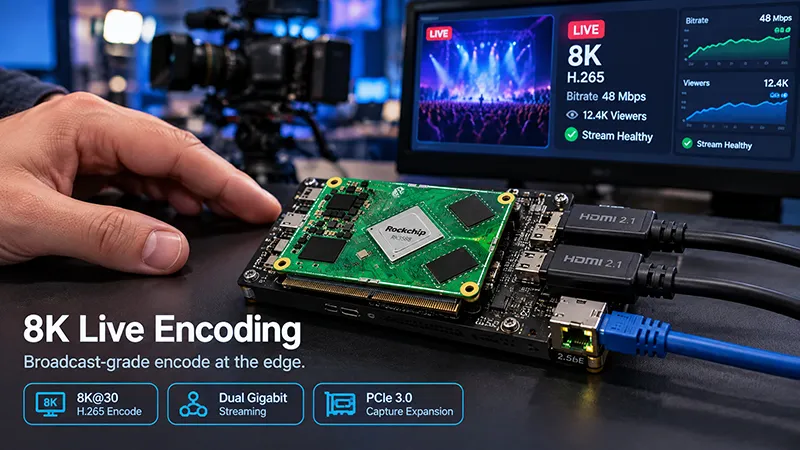
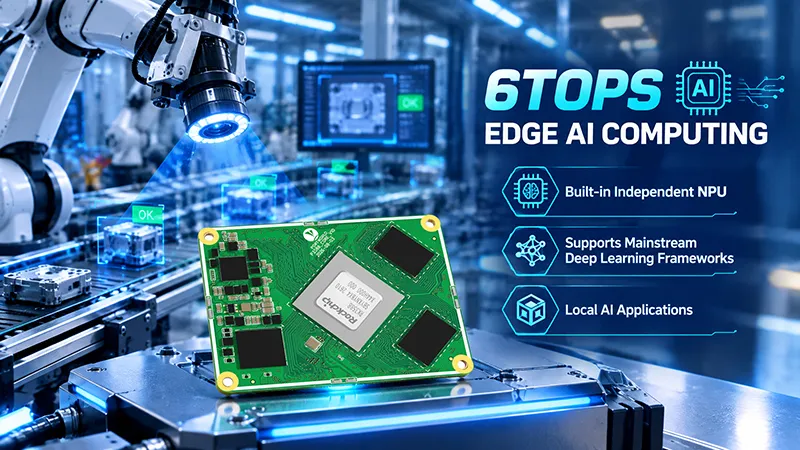
The YC-Core3588 is equipped with an octa-core CPU, an integrated NPU capable of delivering up to 6 TOPS, 8K video processing features, and a 400-pin board-to-board connection architecture. This platform is ideal for assessing high-performance embedded applications such as edge AI systems, robotics, intelligent terminals, and commercial multimedia devices.
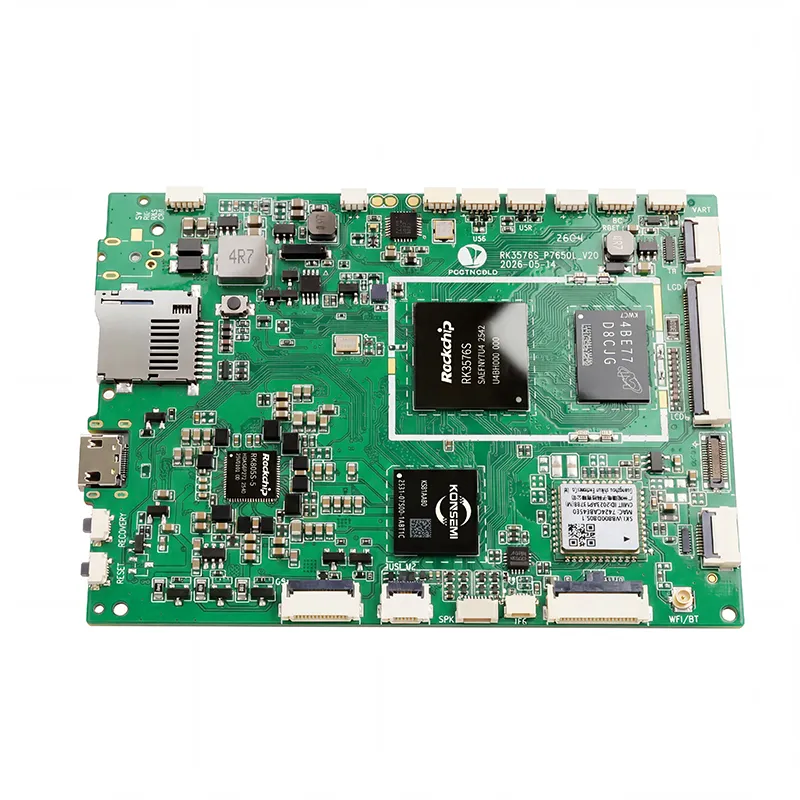
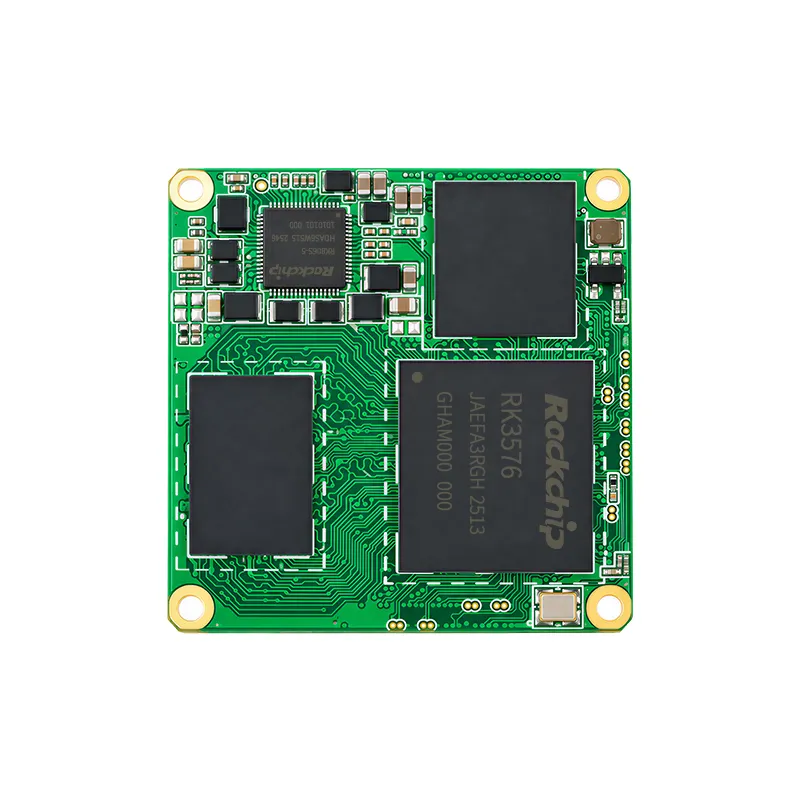
The YC-Core3576 is a compact module measuring 38 × 38 mm, featuring an RK3576 processor, octa-core CPU architecture, integrated AI acceleration, and a 240-pin board-to-board connector. Its reduced size makes it suitable for embedded products where PCB space and system integration are critical factors.
These examples demonstrate how developers can choose a core board based on processing capabilities, physical dimensions, interfaces, and software requirements, rather than considering all modules as interchangeable.
Core Boards in Industrial and Commercial Applications
Core boards are utilized across various industries due to the necessity for embedded products to achieve a balance between computing power, reliability, and connectivity tailored to specific applications.
In the realm of industrial automation, a core board serves as the computing foundation for devices such as HMIs, equipment monitoring terminals, industrial gateways, or machine vision systems. The carrier board can be engineered to provide the necessary Ethernet, serial interfaces, display connections, and peripheral signals.
Within robotics, the module facilitates application processing, sensor integration, local AI inference, and communication with other control subsystems. The required computing performance is contingent upon the robot's perception, navigation, control, and software demands.
In the sectors of smart retail and digital signage, an appropriate core board can oversee display output, content playback, network connectivity, and interactive features. Systems that require enhanced graphics or AI capabilities may necessitate a more powerful processor platform.
In smart home and building automation, core boards can be incorporated into control panels, gateways, and connected terminals. The ultimate design may integrate a touchscreen, network interfaces, serial communication, and support for the protocols essential to the project.
In all instances, the processor constitutes only one component of the overall solution. The performance of the final product is influenced by the carrier board, software platform, thermal design, enclosure, peripherals, and system validation.