RK3576 Motherboard PCBA Design and Custom OEM/ODM Services
Apr 27,2026
The Next-Gen RK3588 Core board
Powerful, AI-Driven, High-Performance.Shop Now>




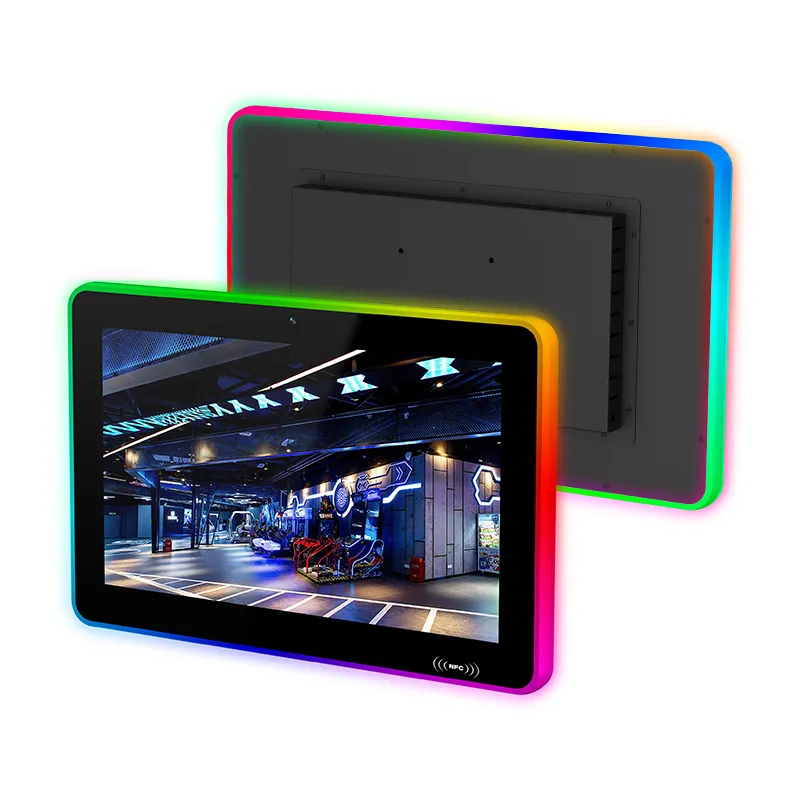
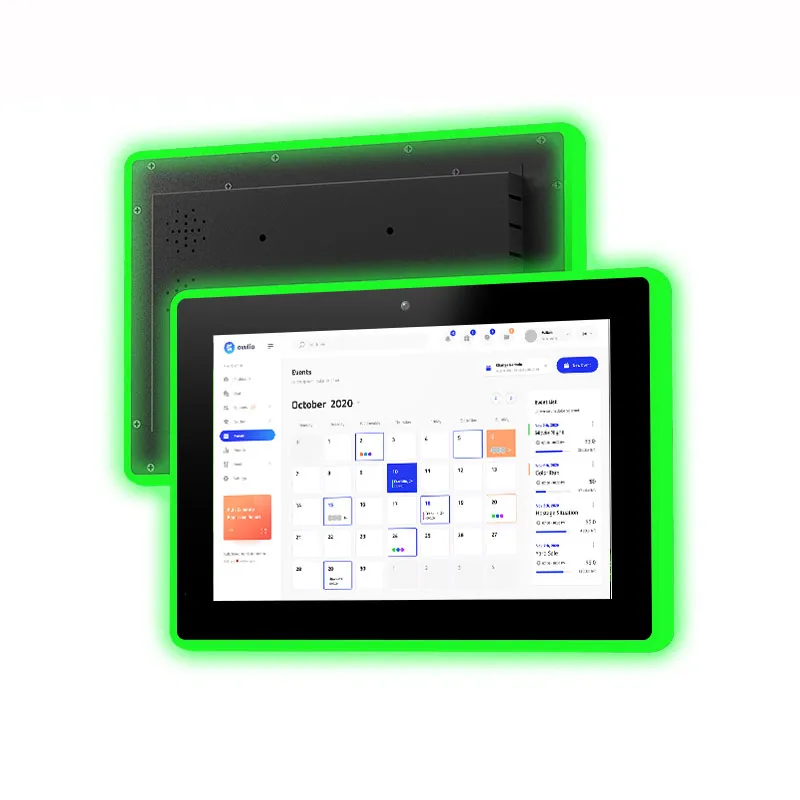
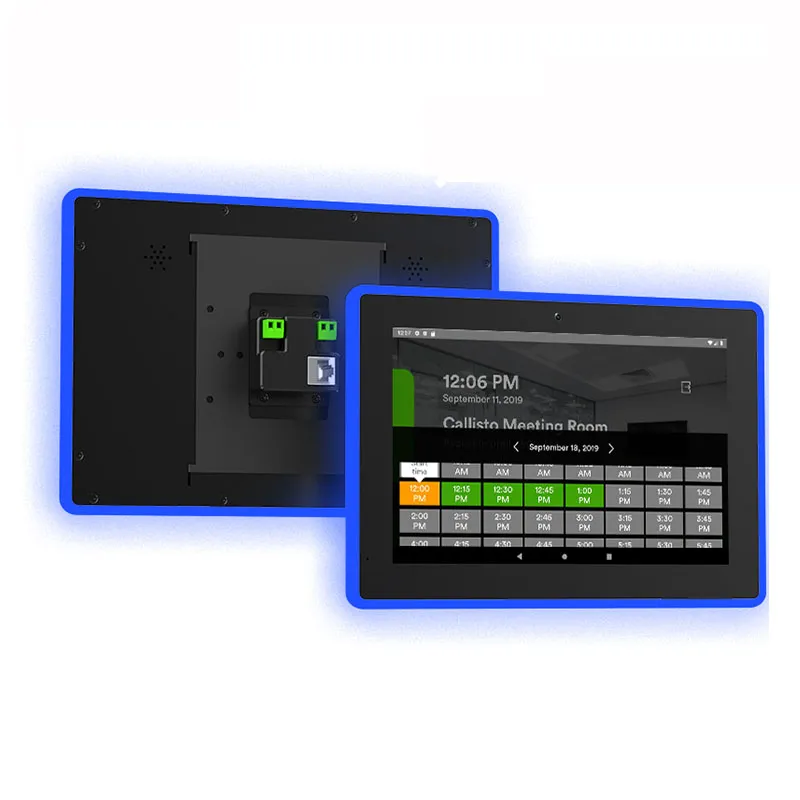
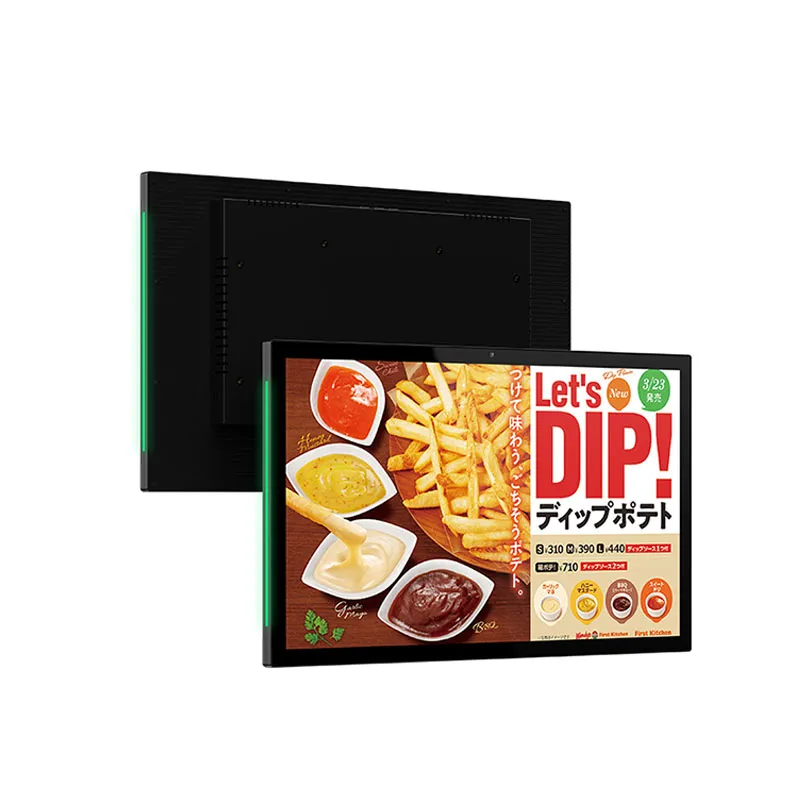
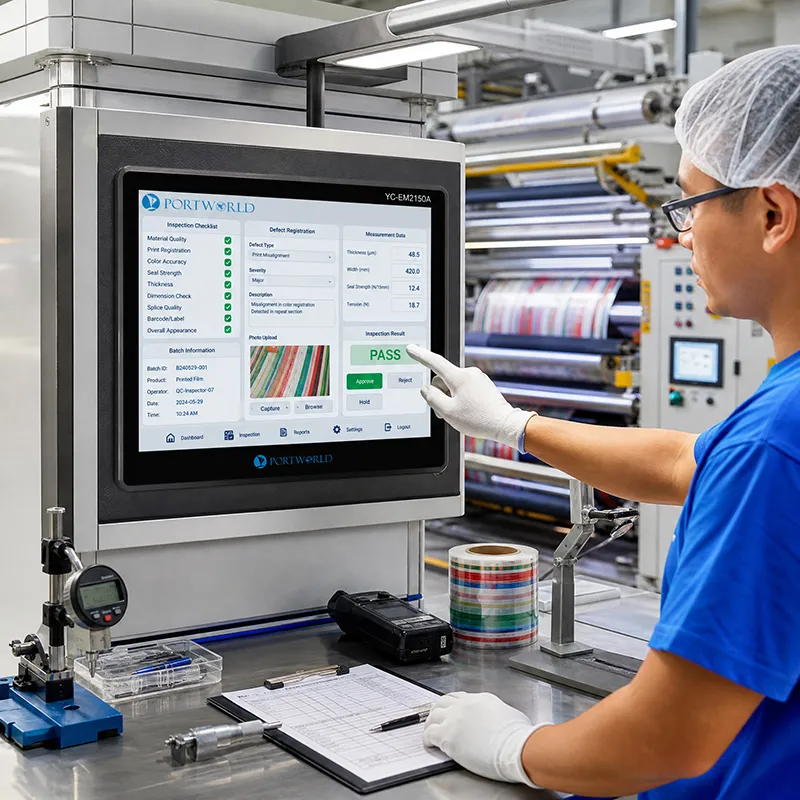
Industrial touchscreen monitors frequently serve as integral components within comprehensive systems, including factory automation platforms, machine control interfaces, self-service kiosks, and industrial Internet of Things applications. In such contexts, conventional displays may lack the appropriate screen proportions, installation framework, connectivity options, or processing power required. Engaging with an industrial touchscreen monitor manufacturer that accommodates bespoke specifications enables organizations to customize the hardware according to their operational systems and manufacturing demands.
For original equipment manufacturer clients, the objective extends beyond merely acquiring a touchscreen display. Rather, it involves securing a display system that aligns with the mechanical architecture, establishes proper communication with the primary system, and maintains consistent manufacturing standards throughout the transition from initial development to large-scale production.
What Aspects of an Industrial Touchscreen Monitor Can Be Customized?
Customization may commence with the display specifications. Contingent upon the particular application, clients may designate screen dimensions, pixel density, luminosity levels, visual perspective range, protective glass composition, and touch input methodology. Capacitive projection technology is frequently employed for rapid multi-touch functionality, whereas resistive touch mechanisms may be more appropriate for applications with distinct interaction specifications. The ultimate determination should correspond to the environmental conditions and the manner in which operators engage with the system.
Mechanical customization is equally important. An industrial touchscreen may need to fit into a control cabinet, machine enclosure, operator console, or wall-mounted terminal. A factory can evaluate customized housing dimensions, bezel design, mounting holes, cable routing, connector positions, and enclosure materials. Where dust or moisture protection is required, the design should be matched to the intended environment and validated against the specified protection level.
Interface customization helps ensure that the display works with the rest of the system. Depending on the hardware design, requirements may include HDMI, USB, VGA, serial ports, or other connections. Customers should confirm both the connector type and the supported signal or communication protocol, since the presence of a physical connector alone does not guarantee compatibility.
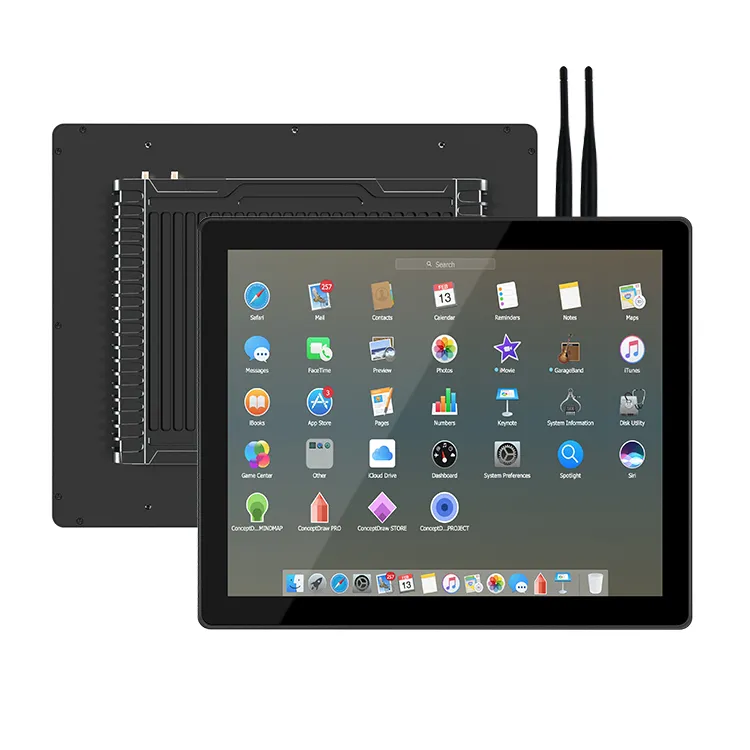
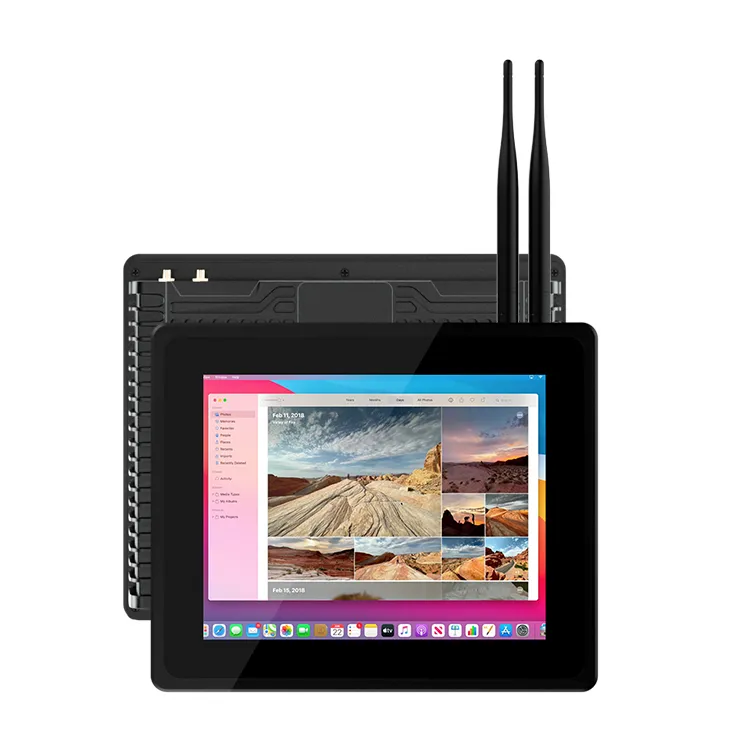
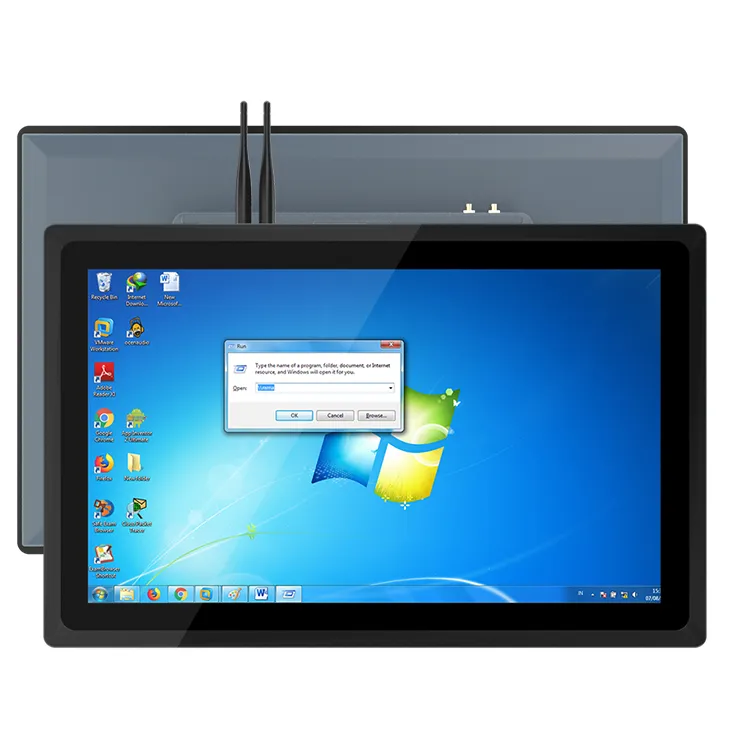
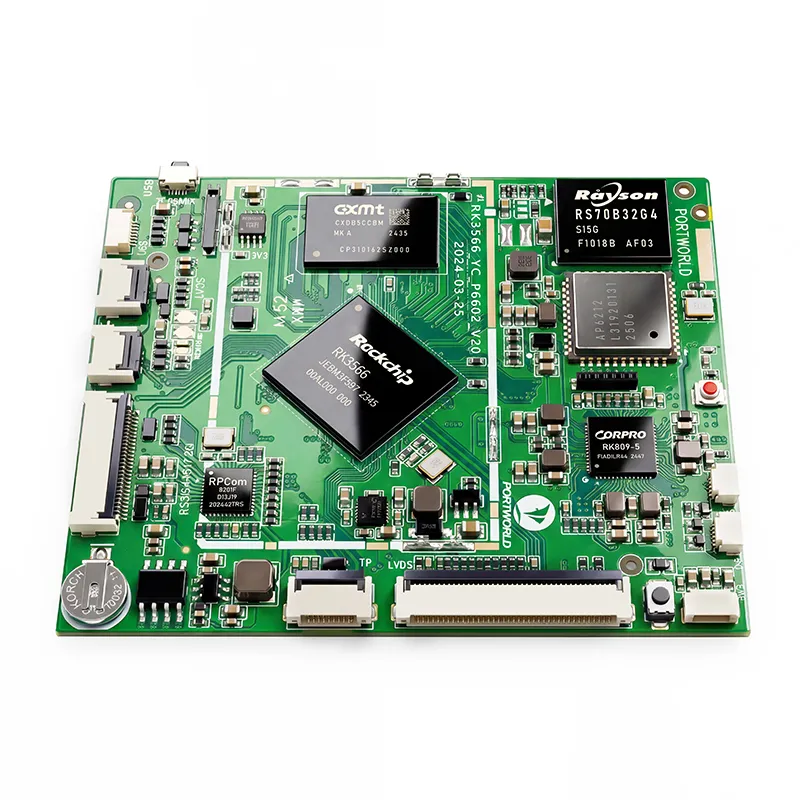
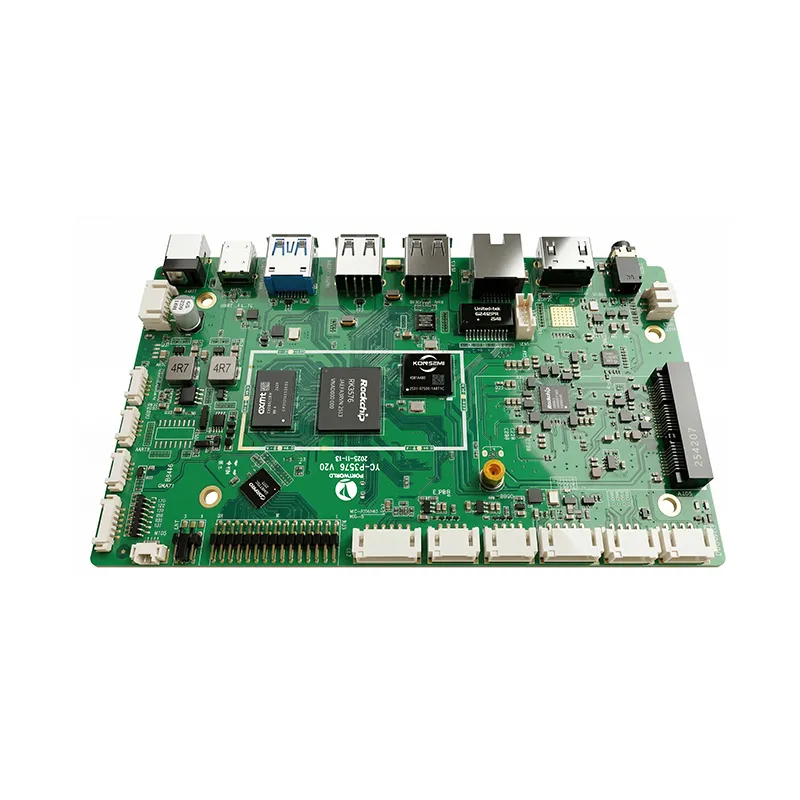
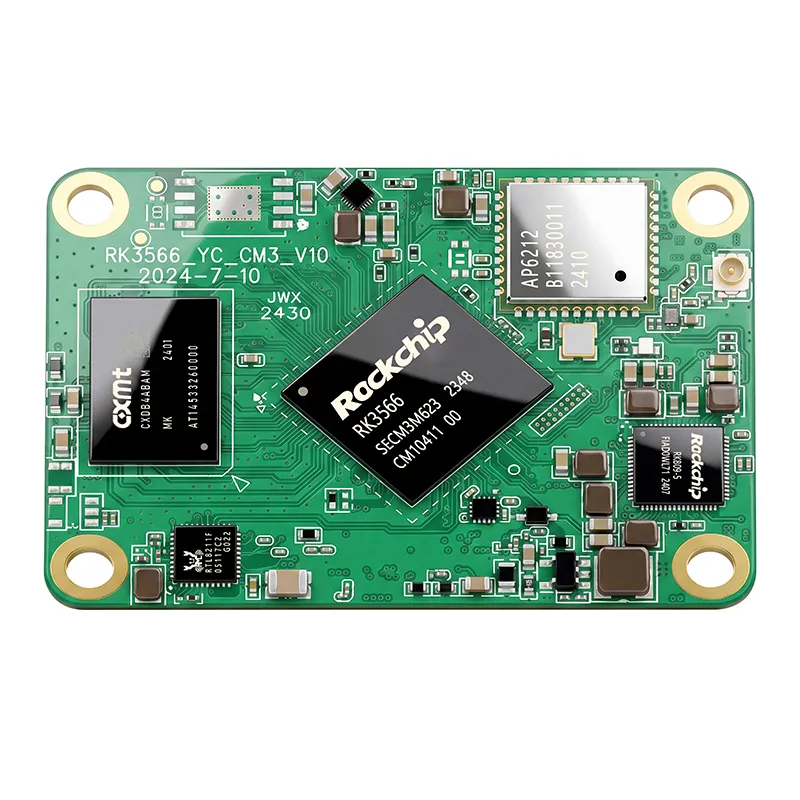
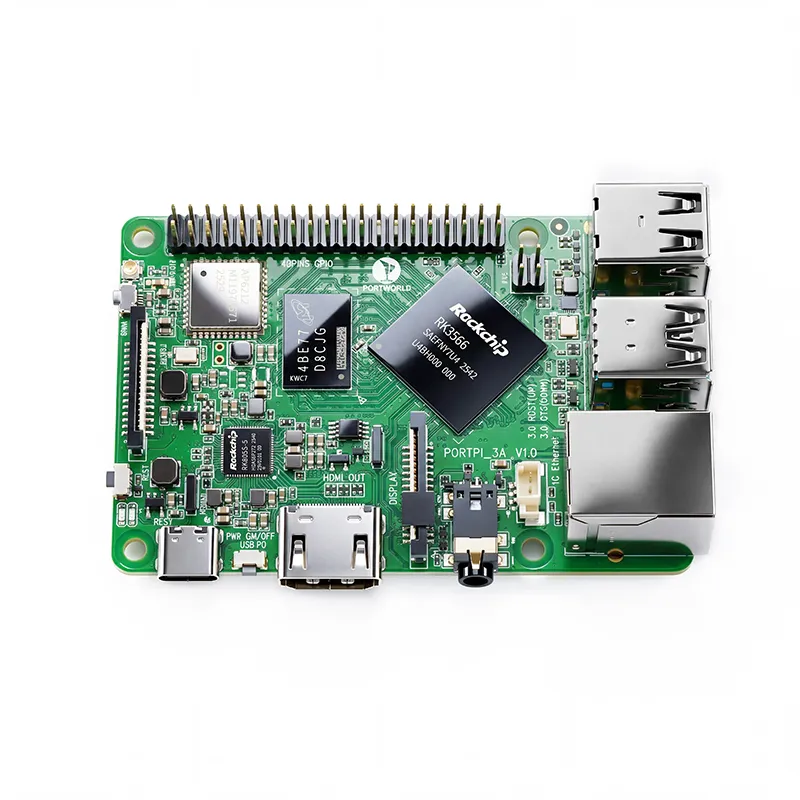
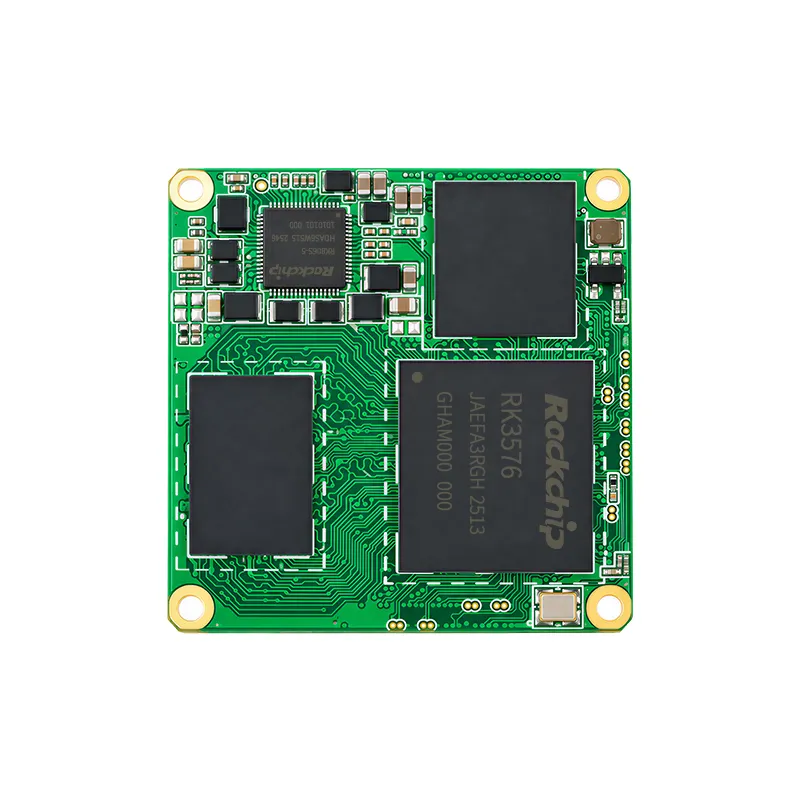
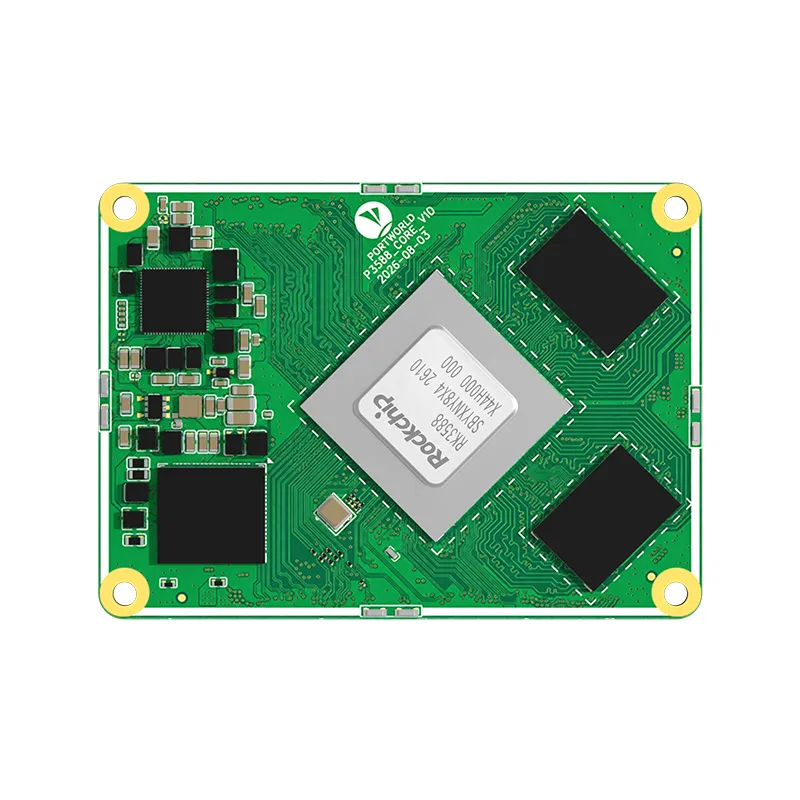
Some custom orders also require embedded computing hardware. In these cases, a manufacturer may integrate a motherboard or system-on-module to create a complete industrial touchscreen panel PC. This approach can simplify system integration when the project needs a display, processor, memory, storage, network connectivity, and operating system in one device.
Custom Orders from Prototype to Bulk Production
A successful custom order typically commences with a comprehensive technical specification. The customer furnishes details regarding the intended application, display dimensions, tactile input requirements, mounting schematics, connectivity interfaces, power supply specifications, operational conditions, preferred operating system where applicable, anticipated order volume, and expected service duration.
The manufacturing facility evaluates the specifications and assesses whether an existing product line can be modified or if a novel design must be developed. Leveraging an established platform frequently diminishes development duration and expenditure, whereas a custom mechanical assembly or specialized circuit board may necessitate supplementary engineering efforts and manufacturing equipment.
Following design approval, the subsequent phase involves prototype development. Customers must validate the visual performance, tactile responsiveness, mounting compatibility, interface functionality, and operational characteristics prior to sample authorization. For rigorous industrial applications, supplementary assessments including thermal stress, mechanical vibration, environmental sealing, or extended operational endurance testing may be mandated in accordance with project requirements.
Upon sample approval, the factory may proceed to pilot production and subsequent mass manufacturing. Establishing explicit acceptance criteria, implementing rigorous component selection protocols, and maintaining comprehensive production documentation facilitate consistency alignment between the approved sample and subsequent production batches. For extended-duration equipment initiatives, procurement professionals should additionally address component supply assurance, version management procedures, and logistics for future replenishment orders.
Portworld Custom Industrial Touchscreen Monitor Solutions
Portworld specializes in the provision of industrial touch displays, embedded touch panel personal computers, industrial compact computing systems, and embedded motherboard solutions. The organization's comprehensive product range accommodates customized orders spanning from adapted conventional monitors to more sophisticated industrial computing platforms.
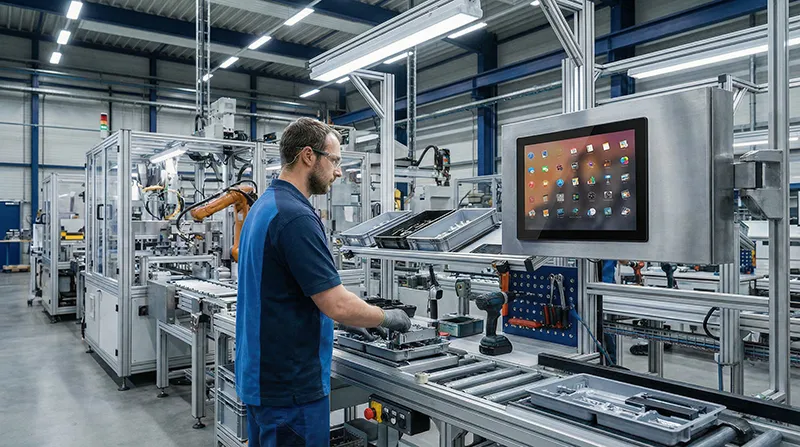
Pertinent product categories encompass:
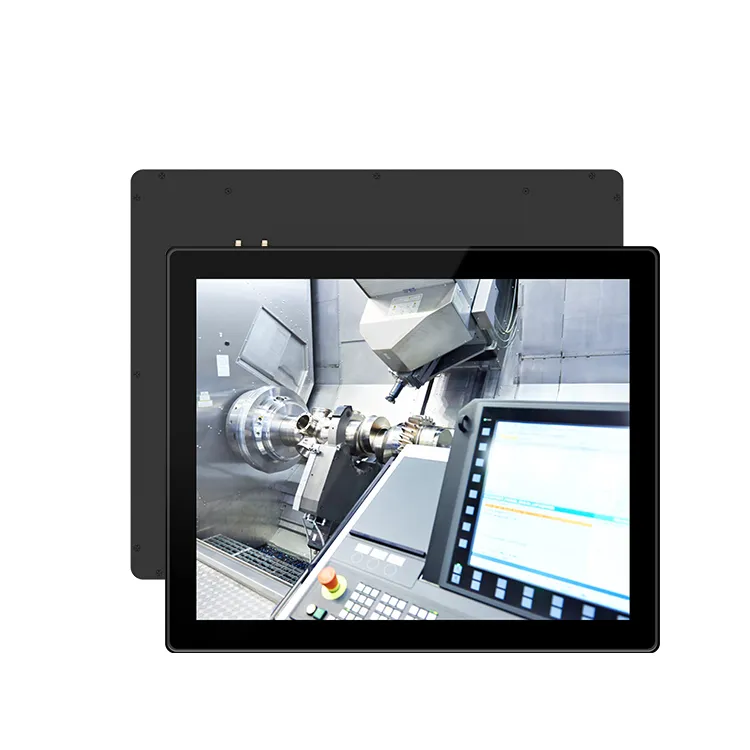
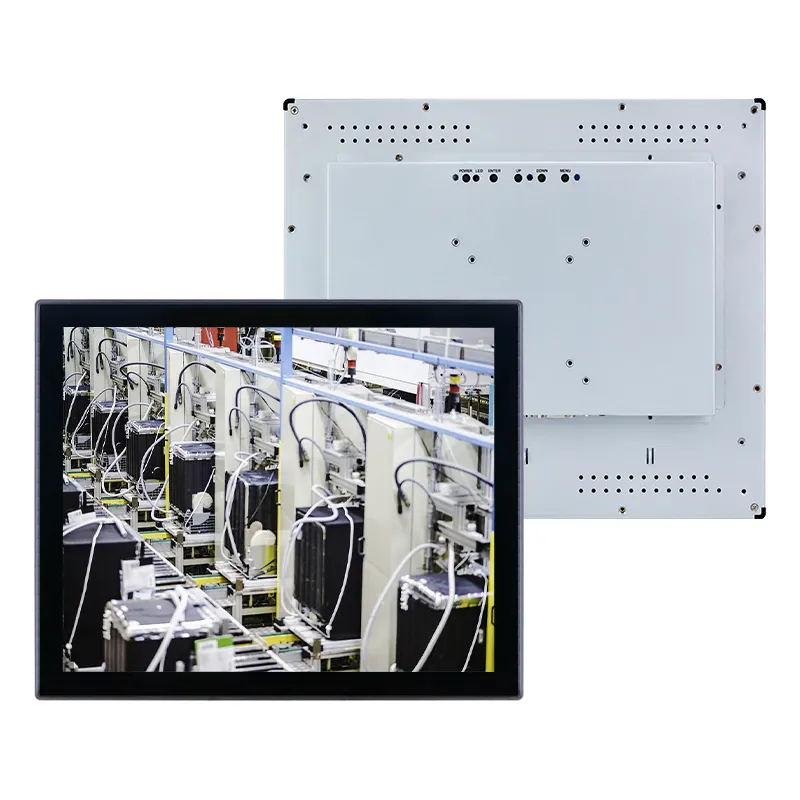
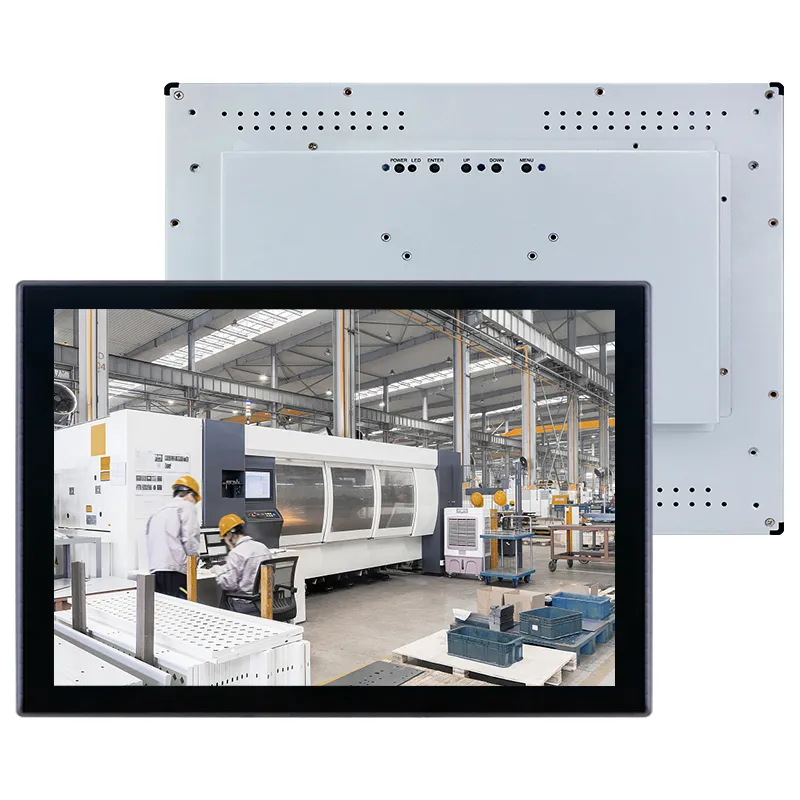
Industrial touch monitors: YC-15EBT, YC-185EBT, and YC-215EBT designated for embedded display implementations.
Industrial panel personal computers: YC-104EM, YC-17EM, and YC-215EM engineered for applications necessitating an integrated touchscreen and computational infrastructure.
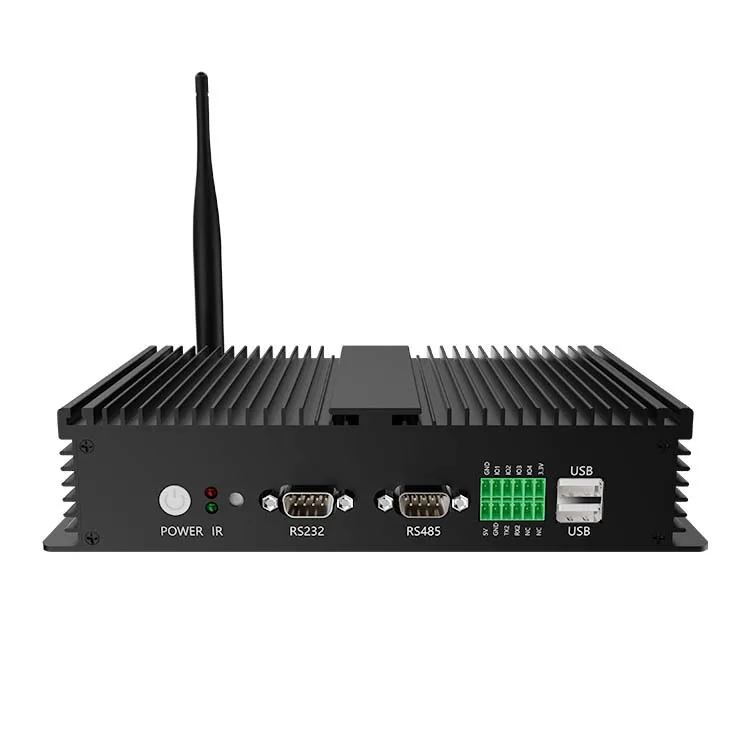
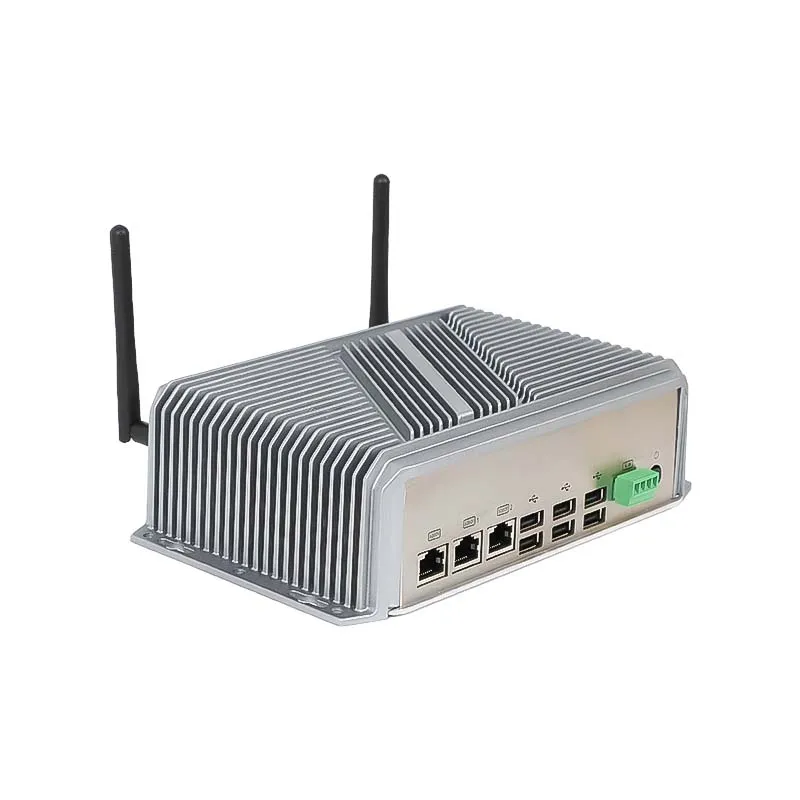
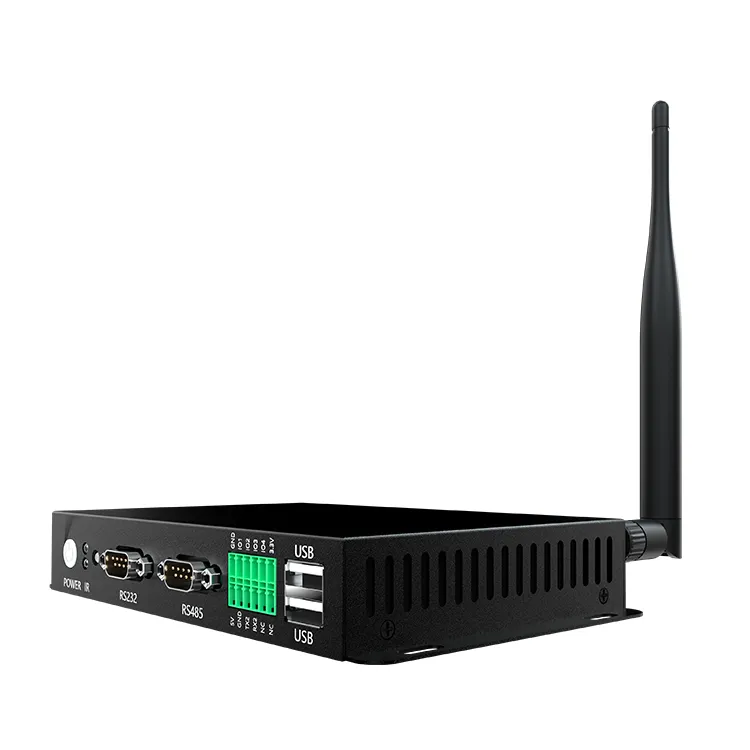
Industrial compact computing systems: YC-I720, YC-T620, and YC-T621 intended for configurations utilizing an independent processing unit.
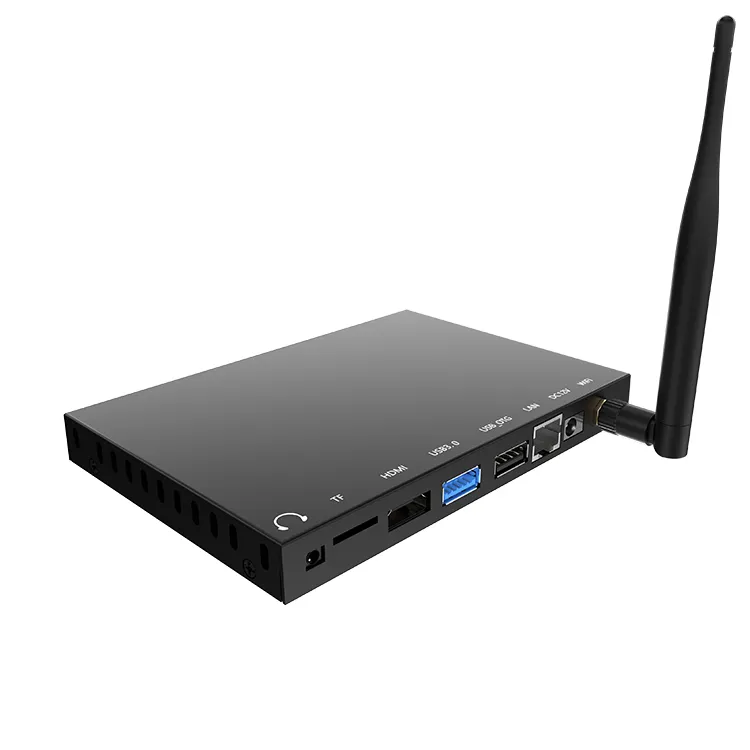
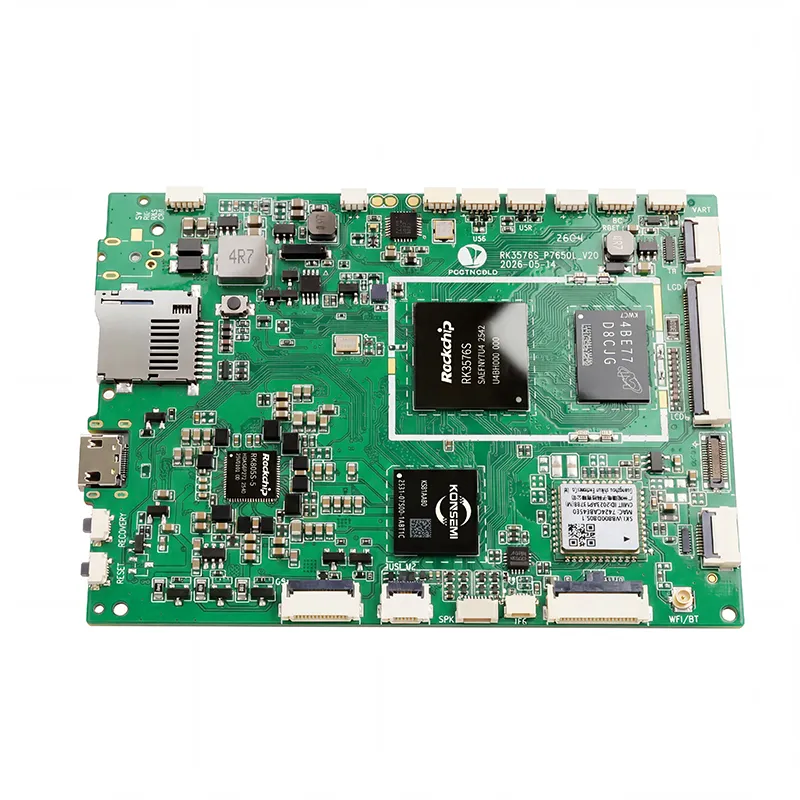
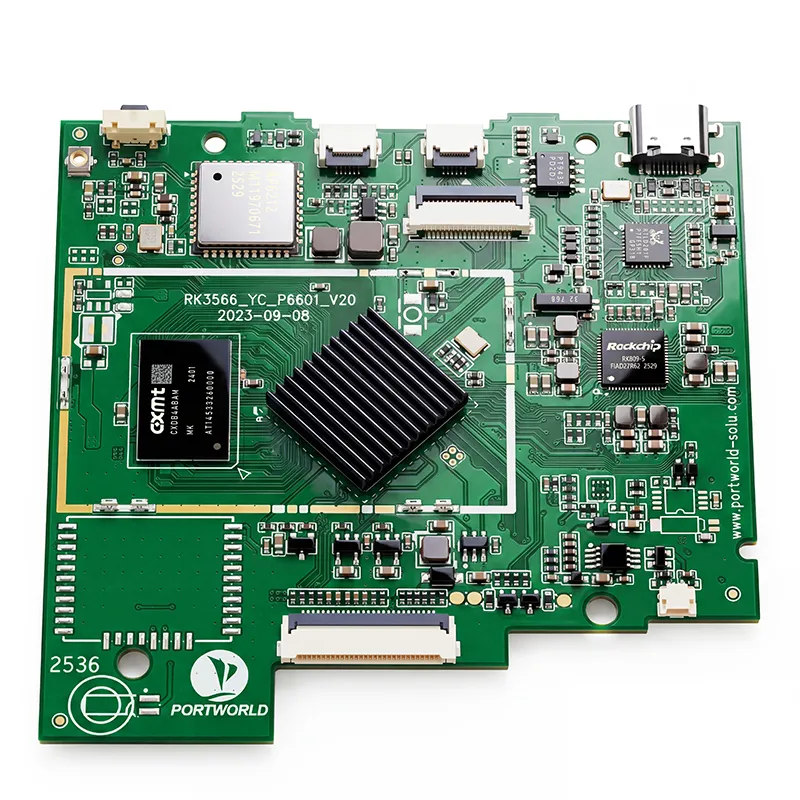
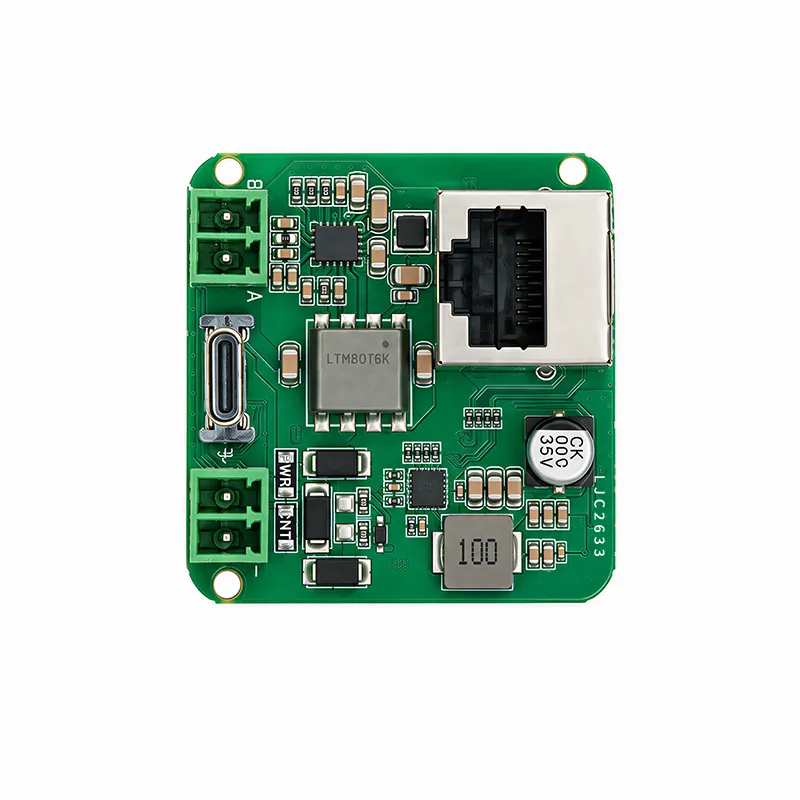
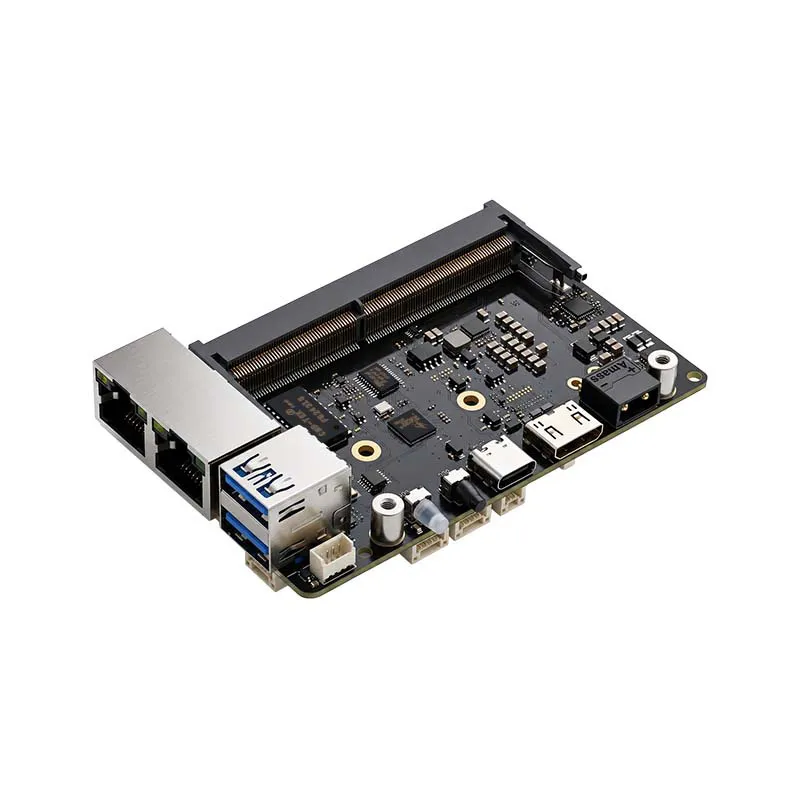
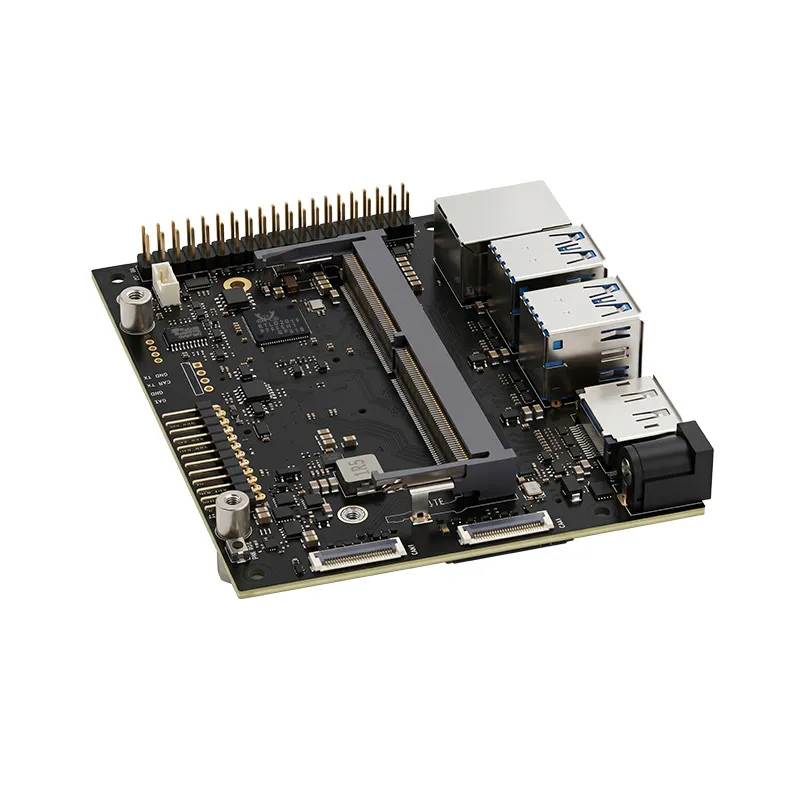
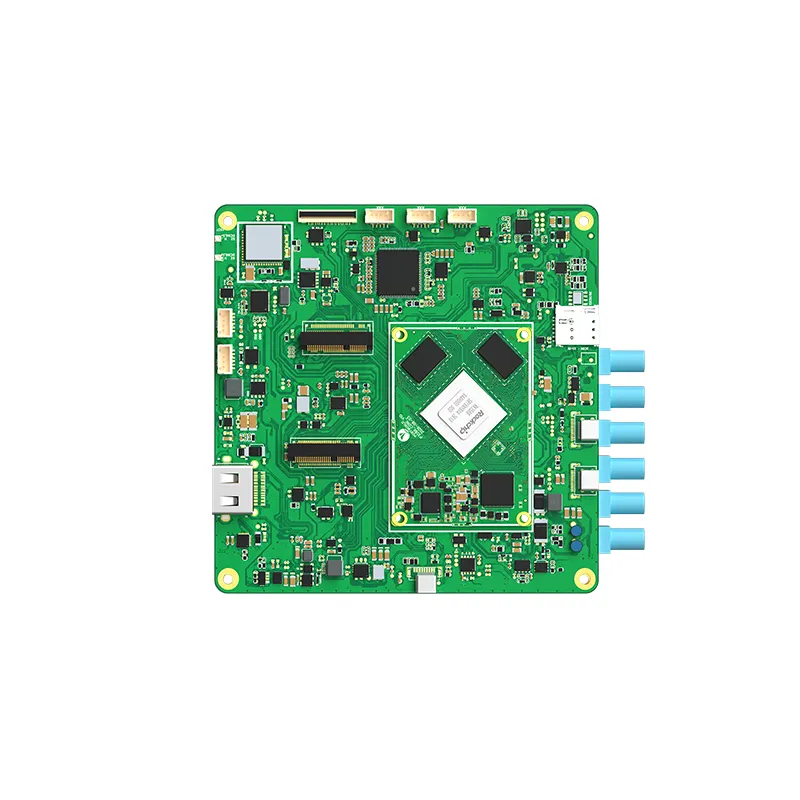
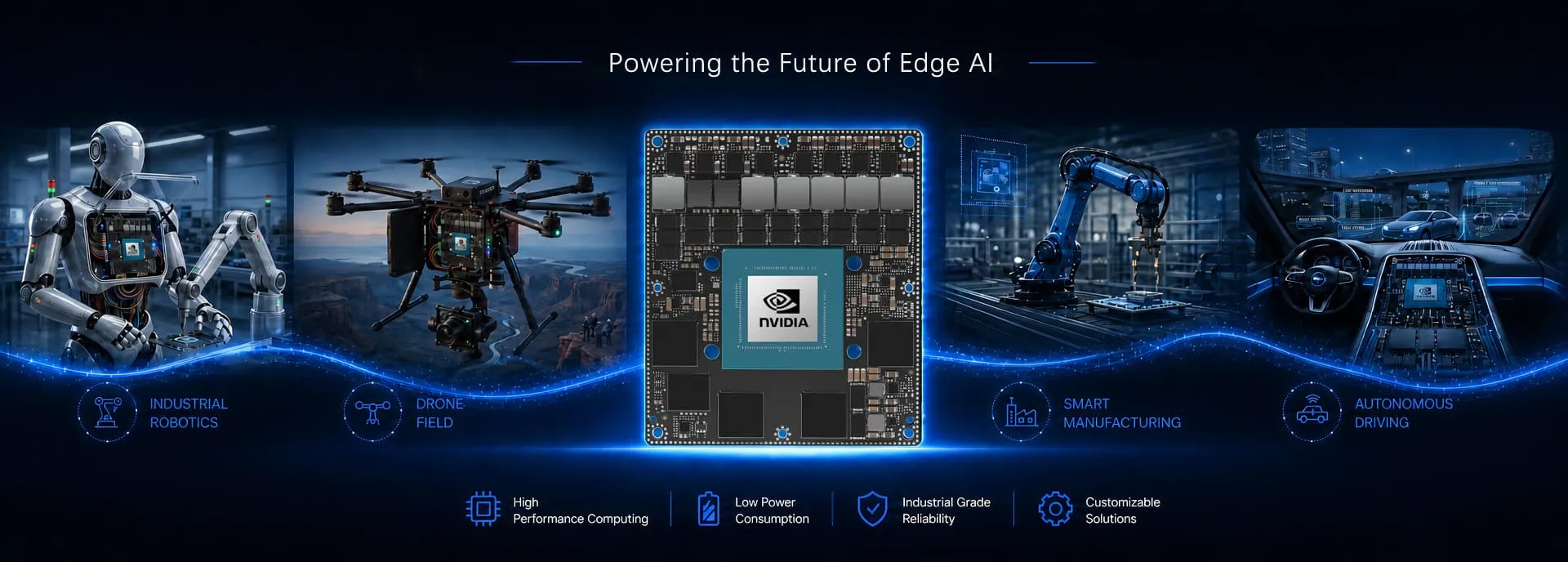
Embedded motherboards and Systems-on-Modules: YC-P3566, YC-P3576, YC-P6802, and YC-Core3588 developed for specialized embedded systems and equipment incorporation.
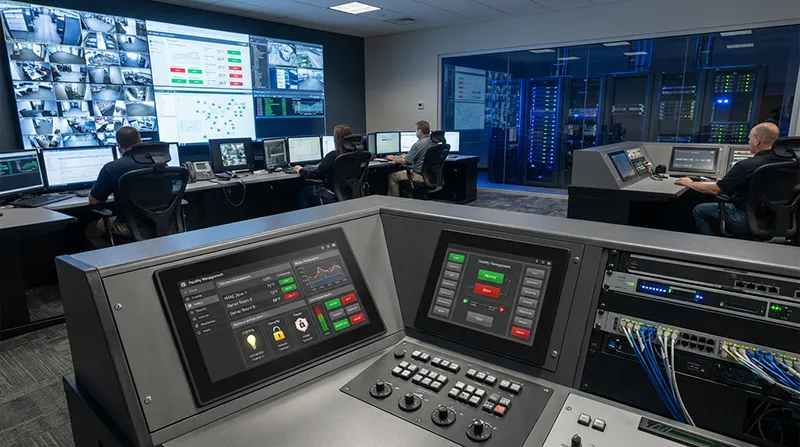
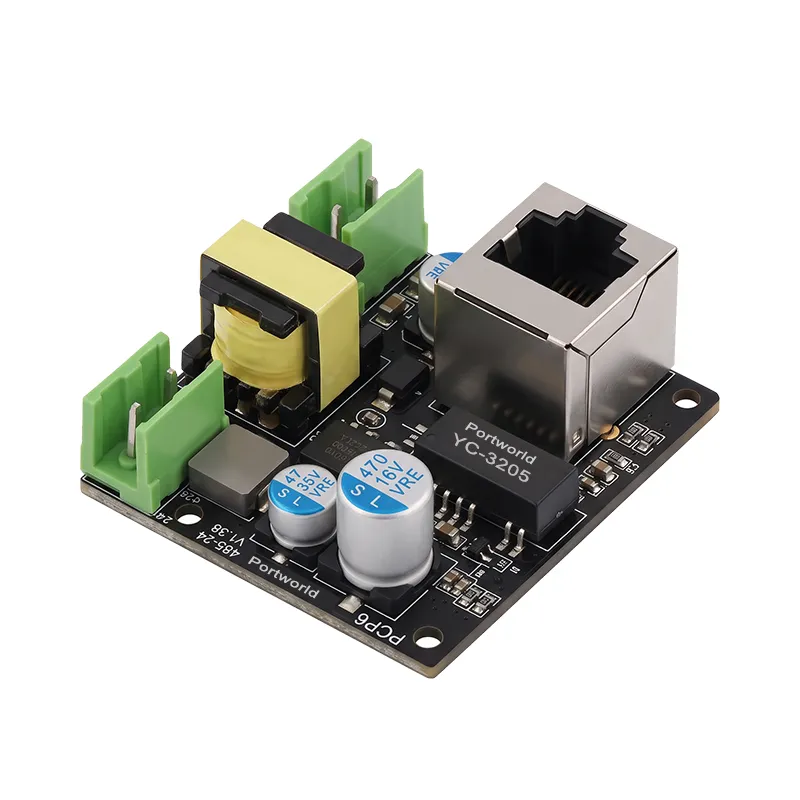
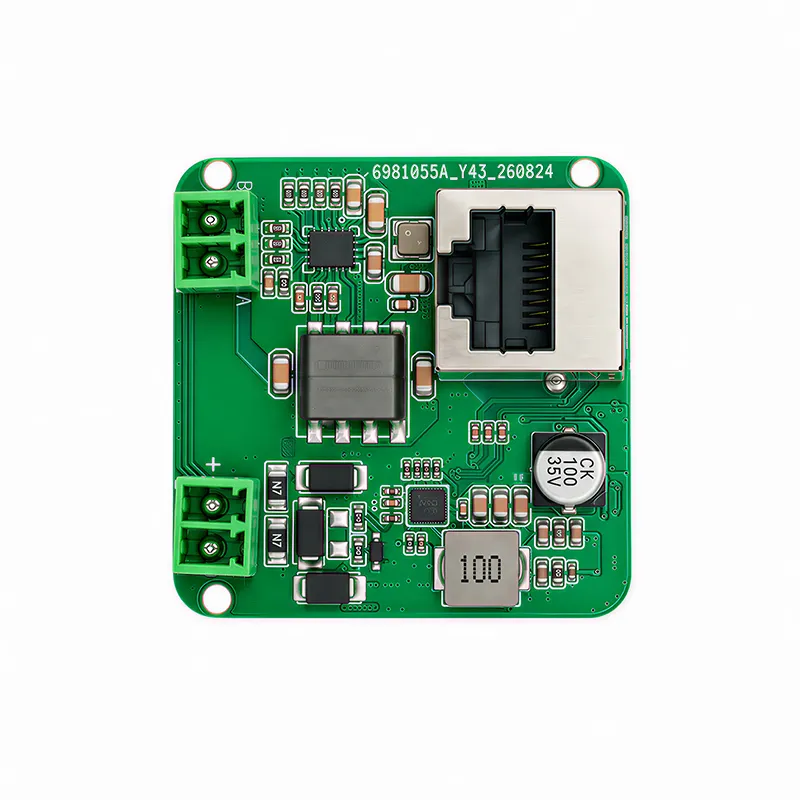
Portworld's OEM/ODM services can support hardware and mechanical customization, interface configuration, PCB/PCBA development, embedded motherboard integration, operating system customization, BSP/SDK support, product branding, and packaging. Depending on the project, customers can discuss engineering samples, prototype validation, and bulk production arrangements.
The exact customization options depend on the selected model and the project's technical requirements. Screen parameters, interface combinations, operating system support, protection ratings, minimum order quantities, and lead times should be confirmed during the quotation and engineering review process.
How to Choose a Factory for Custom Orders
When comparing industrial touchscreen monitor factories, look beyond the quoted unit price. Check whether the manufacturer can review technical drawings, evaluate interface compatibility, develop samples, document testing requirements, and maintain consistent specifications across repeat orders.
It is also important to distinguish between a standalone touchscreen monitor and an integrated panel PC. A monitor generally depends on an external host computer, while a panel PC combines the display with computing hardware. Defining the product type at the beginning helps prevent unnecessary development costs and specification changes later.
For a quotation, prepare a specification that includes the screen size and resolution, brightness, touch technology, mounting dimensions, required interfaces, power input, operating conditions, target order quantity, and any OEM branding requirements.
Choosing an industrial touchscreen monitor factory that supports custom orders gives equipment manufacturers greater flexibility in product design and system integration. With industrial displays, embedded computing hardware, and OEM/ODM engineering services, Portworld can support businesses looking for customized touchscreen solutions from initial specification through sample validation and production.