
RK3576 Motherboard PCBA Design and Custom OEM/ODM Services
Apr 27,2026
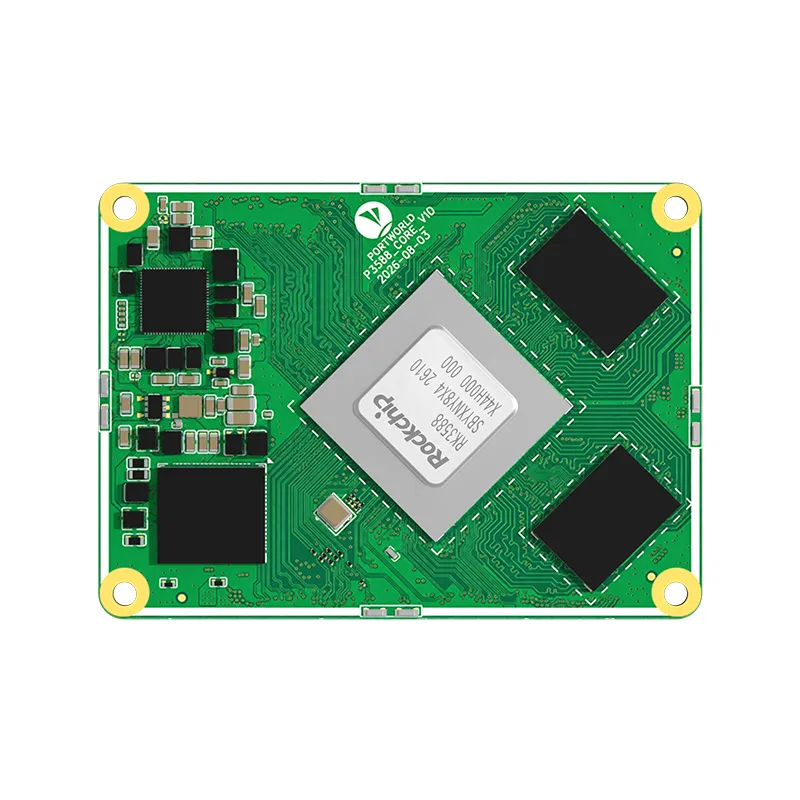
The Next-Gen RK3588 Core board
Powerful, AI-Driven, High-Performance.Shop Now>


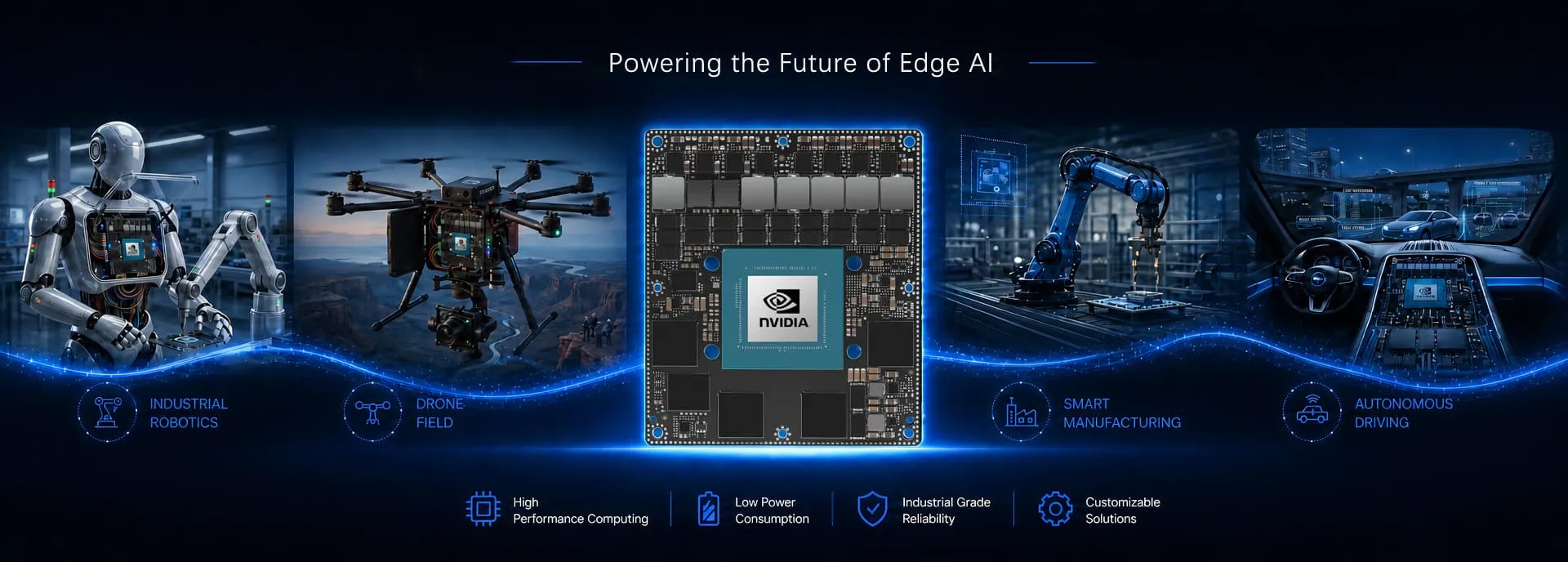


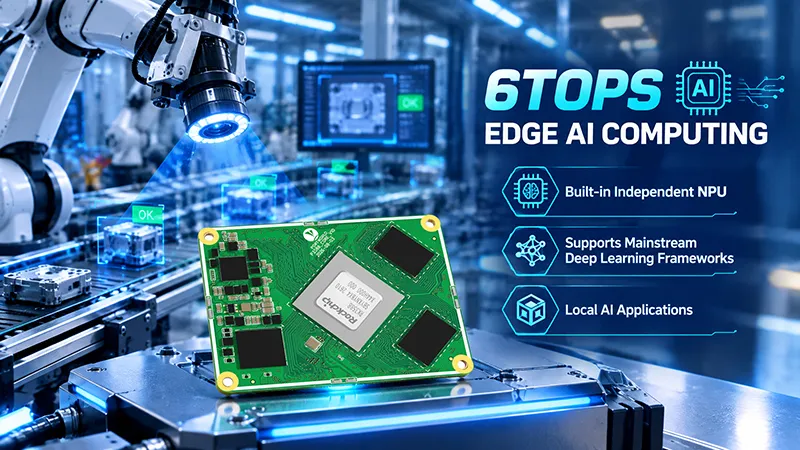
As artificial intelligence computing, machine vision, and edge processing technologies become increasingly prevalent in embedded systems, developers require hardware platforms specifically engineered for their particular applications. The Rockchip RK3588represents a robust solution, integrating an octa-core processor, a 6 TOPS neural processing unit, sophisticated multimedia capabilities, and high-performance connectivity infrastructure. Nevertheless, procuring a standard core board constitutes merely the initial phase. Random access memory capacity, storage architecture, interface accessibility, and overall system integration significantly influence both the operational performance and dependability of the resulting product.
Optimizing Memory and Storage Configuration for Your Specific Application
The RK3588 accommodates LPDDR4, LPDDR4X, and LPDDR5 memory technologies, with specific configurations contingent upon the core board architecture. Memory selection must correspond to the application's genuine computational demands.
For artificial intelligence vision applications, robotic systems, and edge computing platforms, adequate random access memory proves essential when executing artificial intelligence inference operations, processing video streams from imaging sensors, and orchestrating multiple concurrent applications. Interactive displays and multimedia interface terminals may necessitate expanded memory resources for rendering high-resolution graphics and managing video content.
Storage selection must align with system dimensions and information management requirements. Embedded multimedia cards serve appropriately for embedded operating systems and application repositories, whereas NVMe solid-state drives or SATA storage solutions may prove advantageous for applications managing extensive data collections, video archival, or artificial intelligence-related information repositories. The accessible alternatives depend upon the core board specifications and carrier-board configuration methodology.
Determining memory and storage specifications during the preliminary design phase mitigates unnecessary expenditures and minimizes the requirement for subsequent hardware modifications.
Tailoring Interface Configurations for Hardware Integration
Embedded systems across various product categories necessitate distinct interface combinations. The RK3588 platform provides comprehensive connectivity capabilities, encompassing PCIe, USB 3.1, Gigabit Ethernet, SATA, HDMI, DisplayPort, MIPI-CSI, MIPI-DSI, UART, SPI, and I2C protocols. Nevertheless, the specific interfaces made available on a completed core board are determined by its particular design specifications.
Robotics and industrial automation applications typically demand prioritization of Ethernet, USB, PCIe, and serial communication interfaces. Artificial intelligence vision systems require multiple camera input connections, whereas smart display devices and interactive terminal solutions necessitate dedicated display outputs and touchscreen input capabilities.
A purpose-built carrier board facilitates the adaptation of these interfaces to meet end-product requirements by establishing connector positioning, power distribution systems, peripheral integration points, and mechanical attachment solutions.
During the customization planning phase, it is essential to evaluate interface pin configurations, transmission capacity demands, electrical potential specifications, signal fidelity considerations, and potential concurrent utilization constraints. Certain interfaces may not be simultaneously operational across all possible system configurations.
System Integration: From Core Board to Finished Product
A core board does not function as a standalone embedded system. It requires integration with power management systems, external peripherals, thermal solutions, enclosure design, and the necessary software infrastructure.
For an RK3588-based product, system integration may encompass:
Power design: Deliver consistent power rails and adequate capacity to support the processor, memory, and attached peripherals.
Thermal management: Assess heat dissipation performance during continuous CPU, GPU, and NPU operations.
Operating system and BSP: Customize Android or Linux, establish driver configurations, and incorporate application software.
AI deployment: Confirm model compatibility and enhance inference performance through the suitable RKNN software stack.
Mechanical integration: Align board dimensions, connectors, mounting mechanisms, and thermal solutions with the enclosure specifications.
These considerations are essential for applications including AI inspection systems, robotic platforms, multi-camera solutions, and industrial edge computing devices, where hardware and software components must function cohesively and dependably.
Portworld provides RK3588-based core board solutions, including the YC-Core3588, designed for embedded artificial intelligence and high-performance computing applications. The platform's capabilities can be tailored to accommodate complex workloads encompassing local AI inference, multimedia processing, and high-speed peripheral connectivity, contingent upon the specific configuration selected.
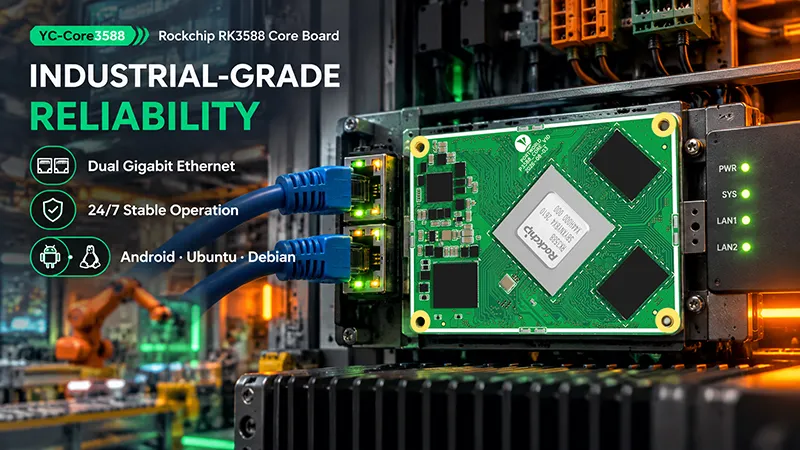
Portworld's comprehensive OEM/ODM services enable customers to assess memory configurations, storage solutions, carrier-board interfaces, operating system customization, and hardware integration strategies. The extent of customization available is determined by the intended application design and specific project parameters.
For developers creating AI-enabled cameras, industrial computing systems, robotic control platforms, or intelligent terminals, establishing clear requirements at the outset facilitates the development of an optimally suited hardware platform and streamlines the transition from prototype development to commercial production.
Selecting the appropriate RK3588 core board requires consideration beyond maximum performance specifications. The optimal choice represents the configuration that aligns with your computational demands, interface requirements, software ecosystem, thermal management constraints, and manufacturing specifications.