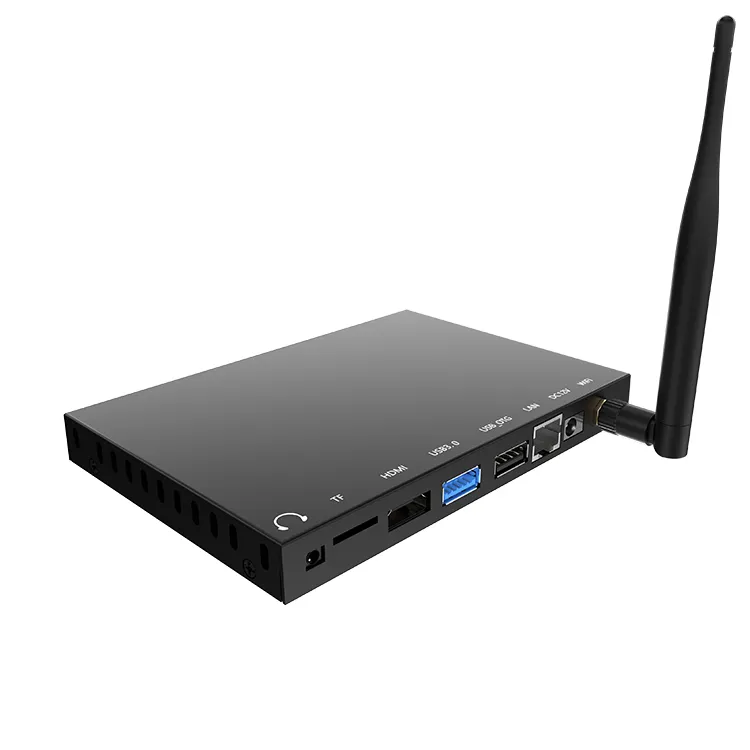
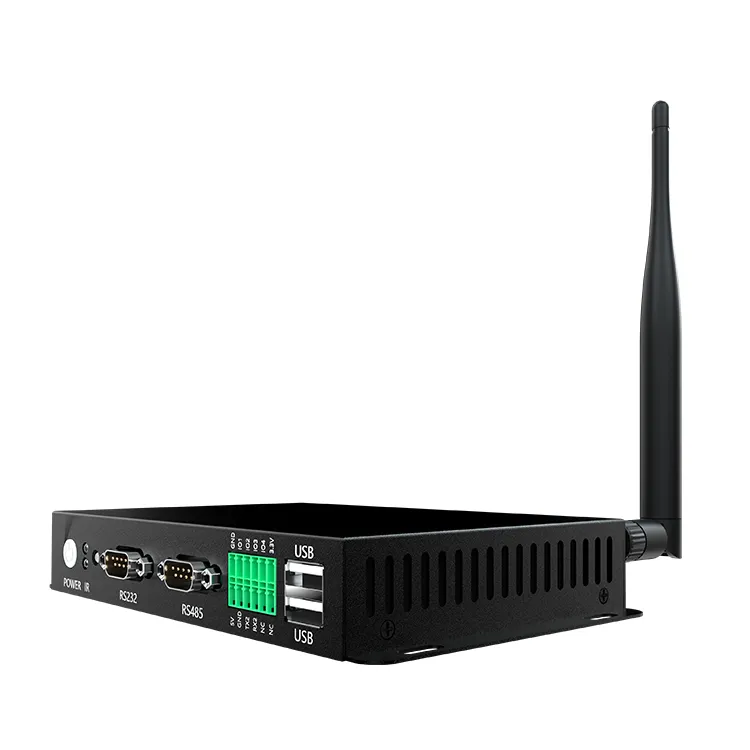
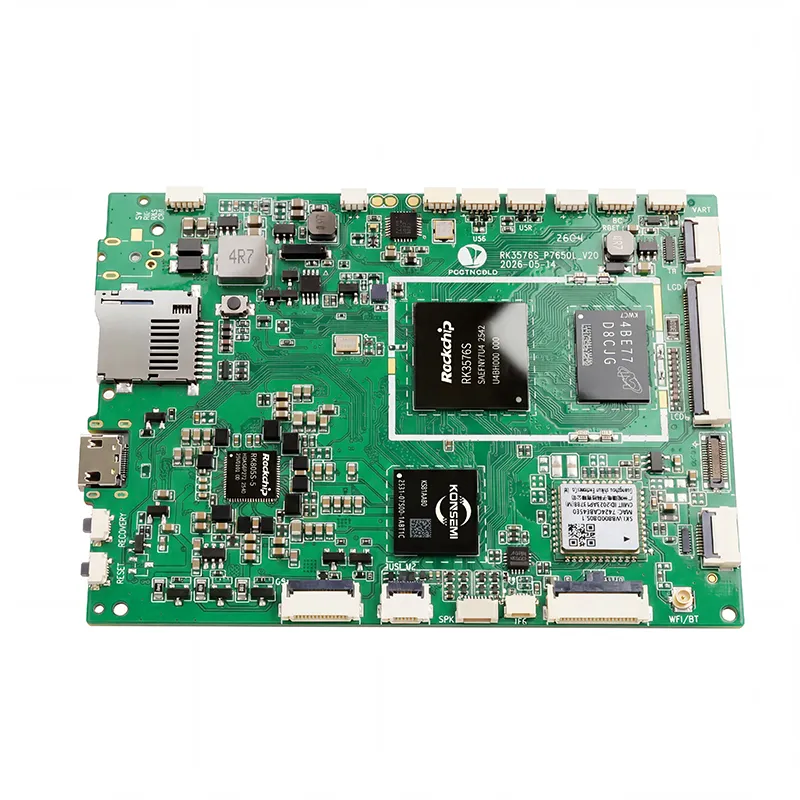
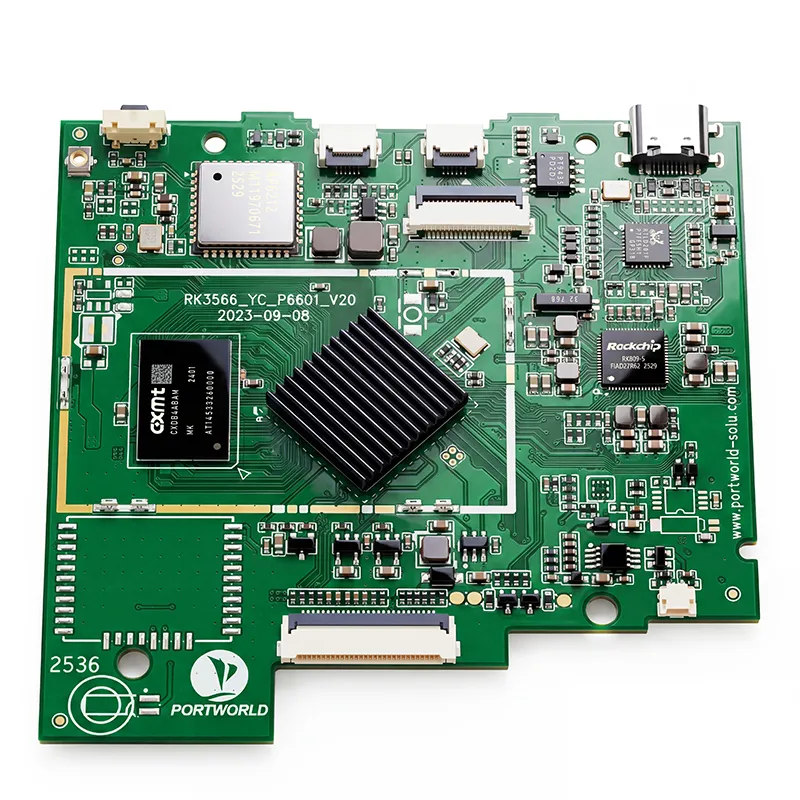
RK3576 Motherboard PCBA Design and Custom OEM/ODM Services
Apr 27,2026
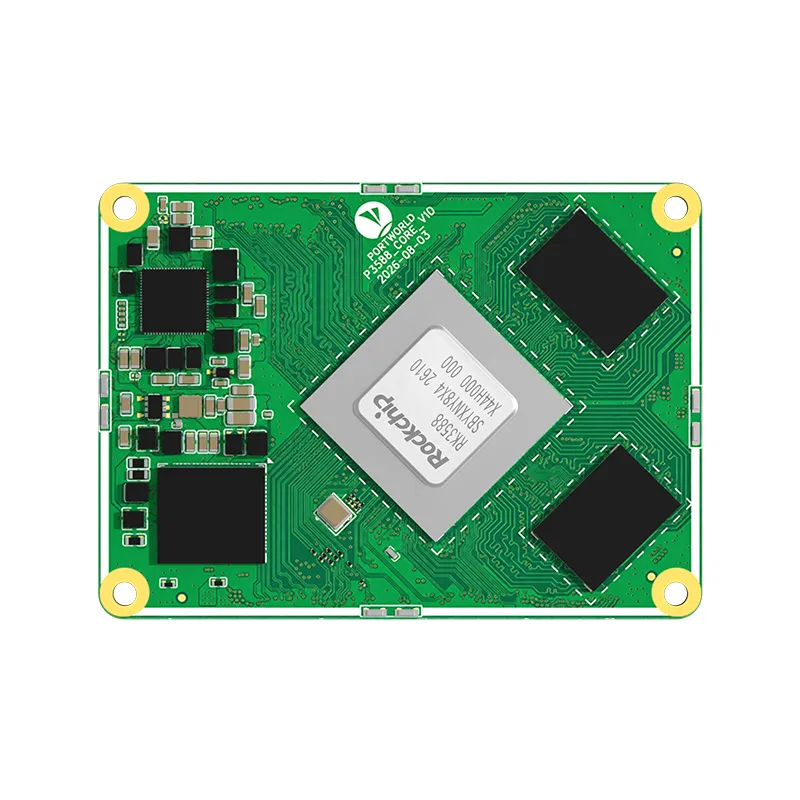
The Next-Gen RK3588 Core board
Powerful, AI-Driven, High-Performance.Shop Now>


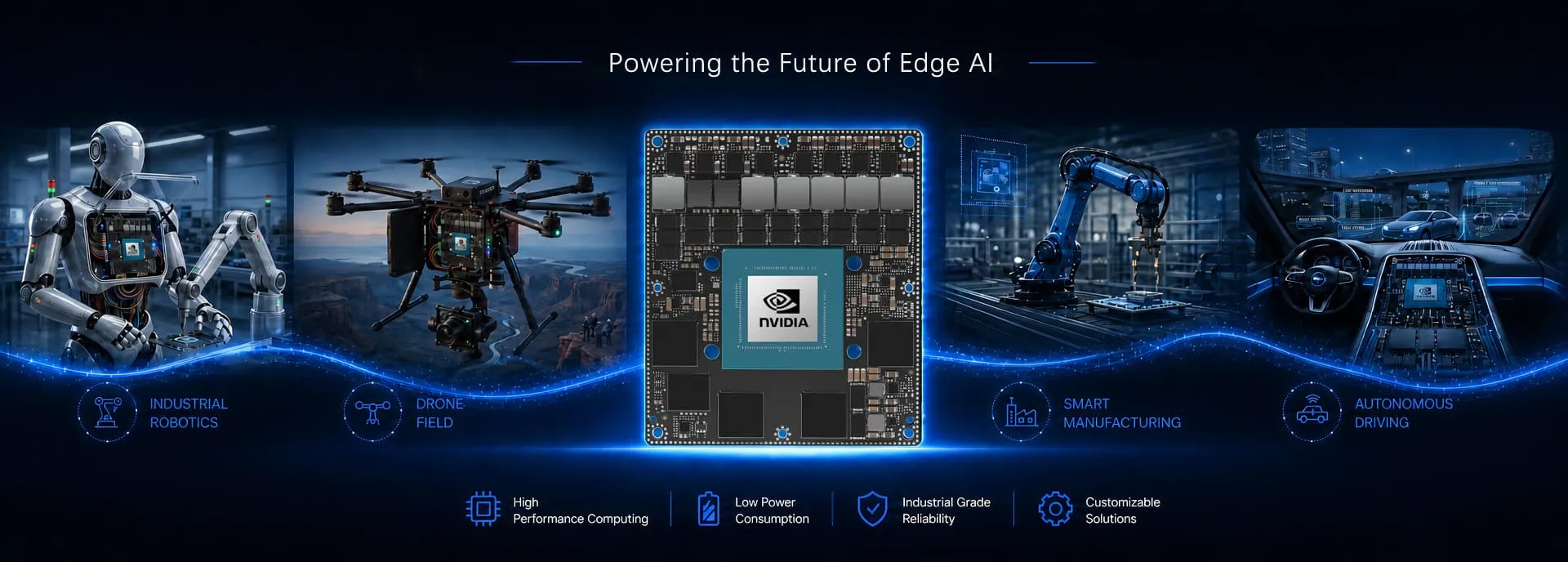


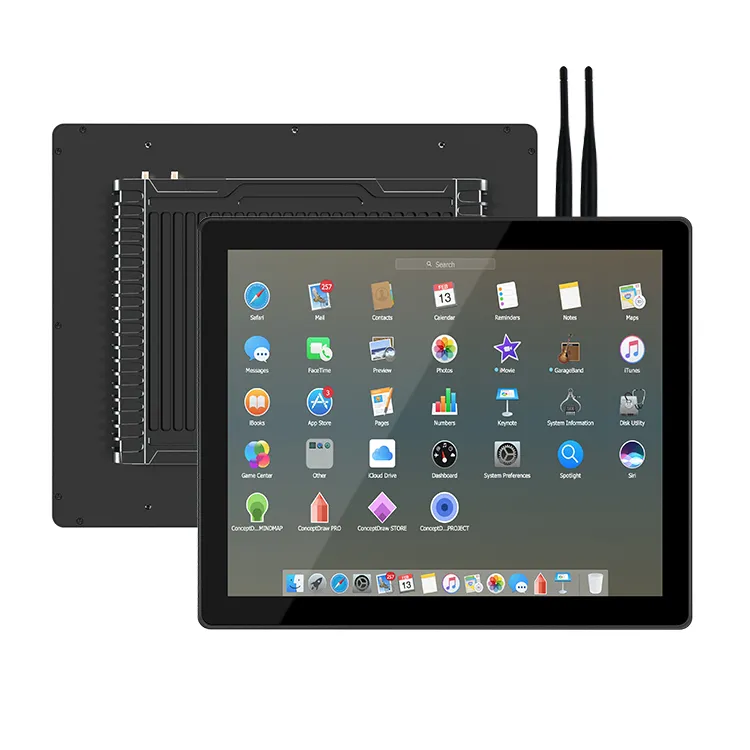
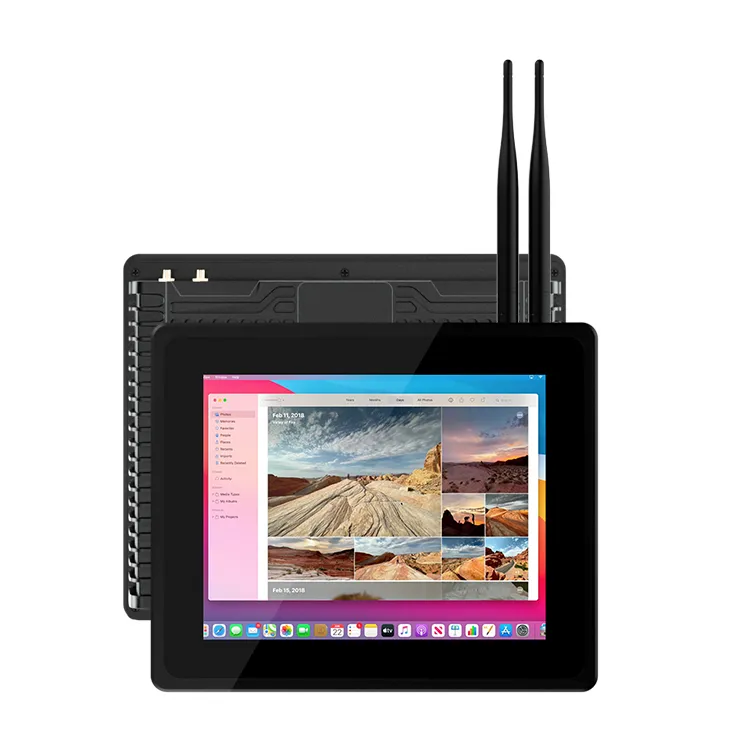
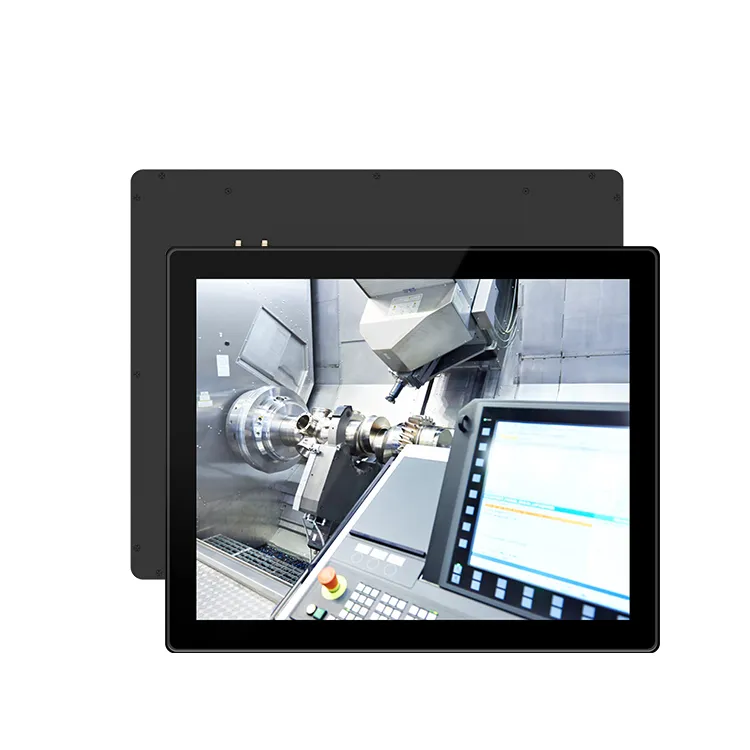
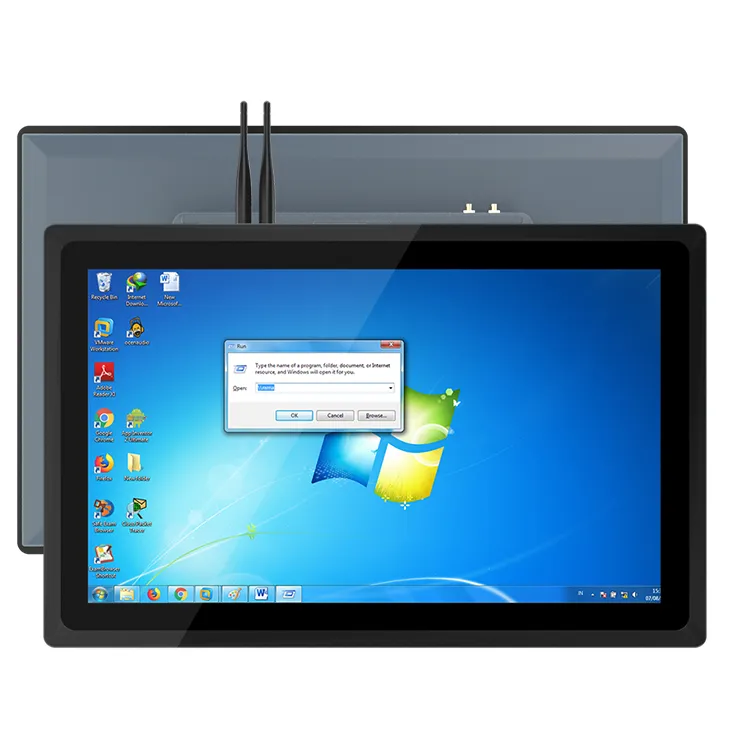
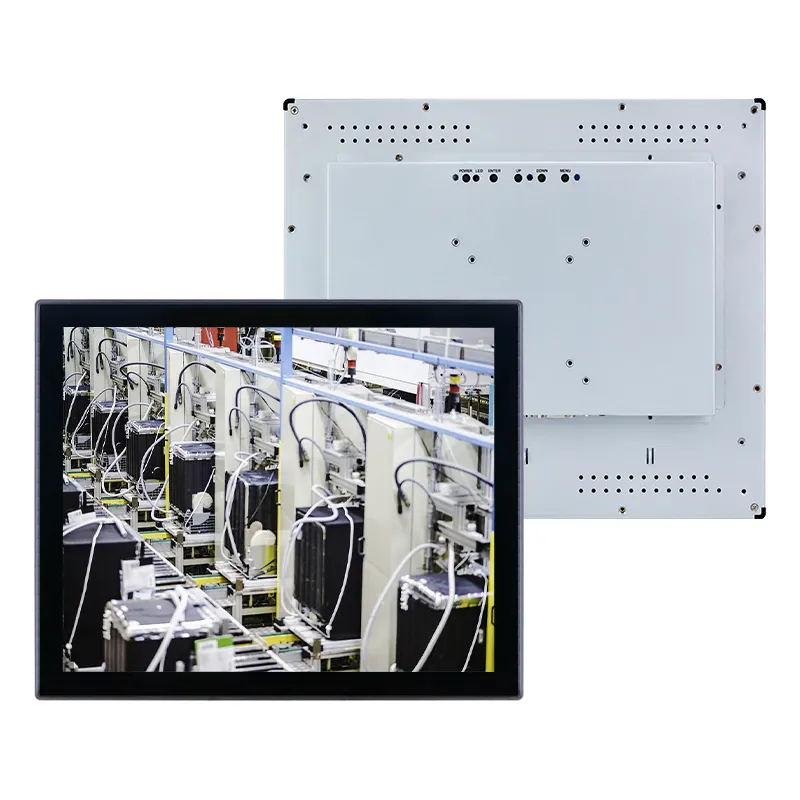
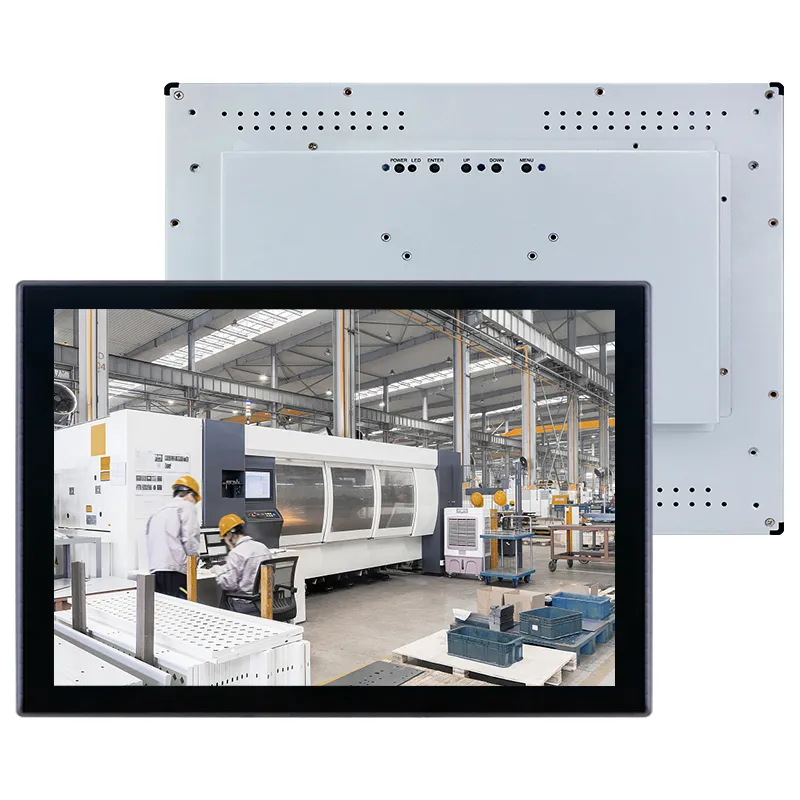
Industrial panel PCs are extensively utilized in factory automation, equipment monitoring, energy management, transportation, and various other industrial applications.
With the advancement of embedded computing technology, ARM-based industrial panel PCs have emerged as a compelling alternative to conventional x86 systems, especially for projects that emphasize low power consumption, compact design, cost-effectiveness, and customization tailored to specific applications.
Nonetheless, ARM is not inherently the optimal choice for every industrial project. The appropriate platform is contingent upon the software environment, processing demands, peripheral needs, operating conditions, and anticipated product lifecycle. A thorough understanding of these elements enables system integrators and equipment manufacturers to choose hardware that satisfies both present requirements and future deployment objectives.
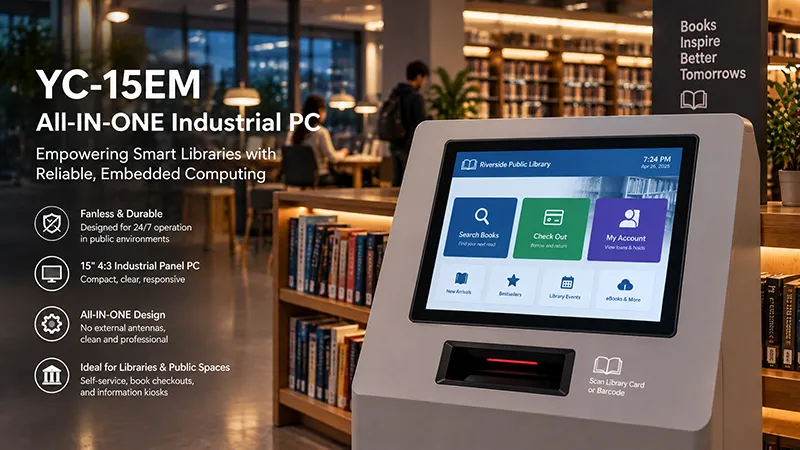
What Distinguishes an ARM-Based Industrial Panel PC?
An ARM-based industrial panel PC integrates a touchscreen display with an embedded computer that utilizes an ARM processor. Rather than depending on a conventional desktop-class x86 architecture, it generally employs an energy-efficient system-on-chip (SoC) that consolidates CPU cores, graphics processing, memory interfaces, and additional functionalities.
This integrated approach can lead to lower power consumption, a more straightforward hardware architecture, and the ability to create compact, fanless devices. Depending on the specific processor and configuration, ARM panel PCs are capable of operating systems such as Android, embedded Linux, Ubuntu, or other compatible platforms.
For manufacturers focused on creating specialized industrial interfaces, ARM hardware offers a solid foundation for human-machine interfaces (HMIs), equipment dashboards, data visualization, and connected control terminals.
The primary consideration is not merely whether ARM is more modern or efficient than x86. It is crucial to assess whether the processor, operating system, and software ecosystem align with the actual needs of the application.
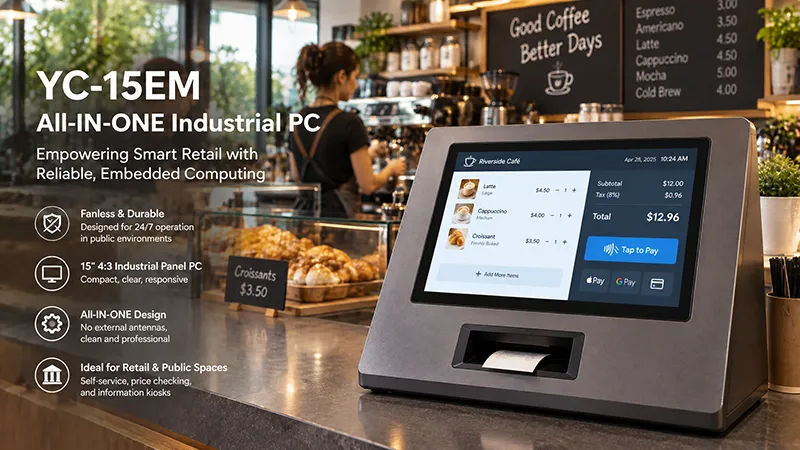
1. Opt for ARM When Low Power Consumption and Fanless Operation Are Essential
In industrial settings, computers often need to function continuously while minimizing heat and noise production. Examples include wall-mounted control terminals, machine interfaces, energy monitoring panels, and embedded displays situated within equipment enclosures.
ARM processors are frequently ideal for these scenarios, as numerous embedded ARM SoCs are engineered for efficient performance within a relatively low power range. Reduced power consumption can facilitate thermal management and render fanless system designs more feasible.
Fanless operation also removes moving fan components, thereby decreasing one potential source of mechanical failure and dust accumulation. Actual reliability, however, still hinges on enclosure design, component selection, operating temperature, and thermal validation.
For instance, an industrial touchscreen utilized for monitoring a production line may primarily showcase machine status, alarms, operating parameters, and maintenance information. If its software does not demand intensive computation, a suitably chosen ARM platform may deliver adequate performance without the burden of a higher-power computer.
When assessing a fanless ARM panel PC, consider the processor's sustained performance, heat dissipation, enclosure material, rated operating temperature, and performance under continuous workloads instead of solely depending on processor specifications.
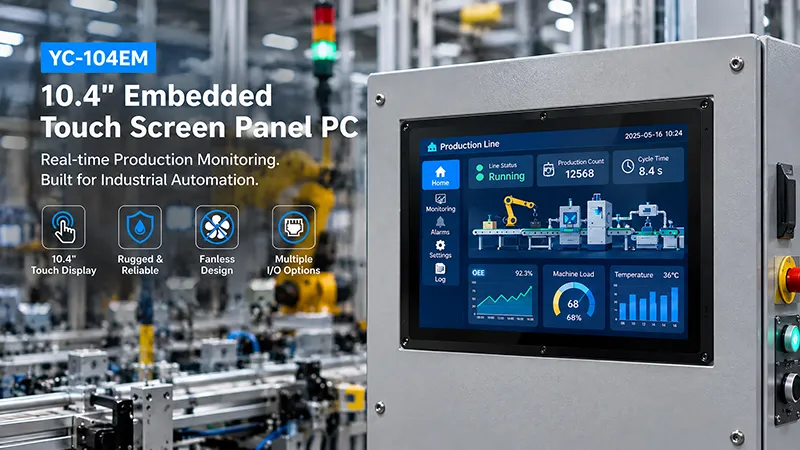
2. Select ARM for Dedicated HMIs and Embedded Applications
ARM-based industrial panel PCs are especially well-suited for devices that are tailored to specific applications rather than designed to operate as general-purpose desktop computers.
Typical examples include:
Smart equipment operation panels
In these contexts, the computer may operate a dedicated interface, interact with sensors or controllers, and present real-time equipment data. It may not require the extensive software compatibility or computing power typical of a standard desktop PC.
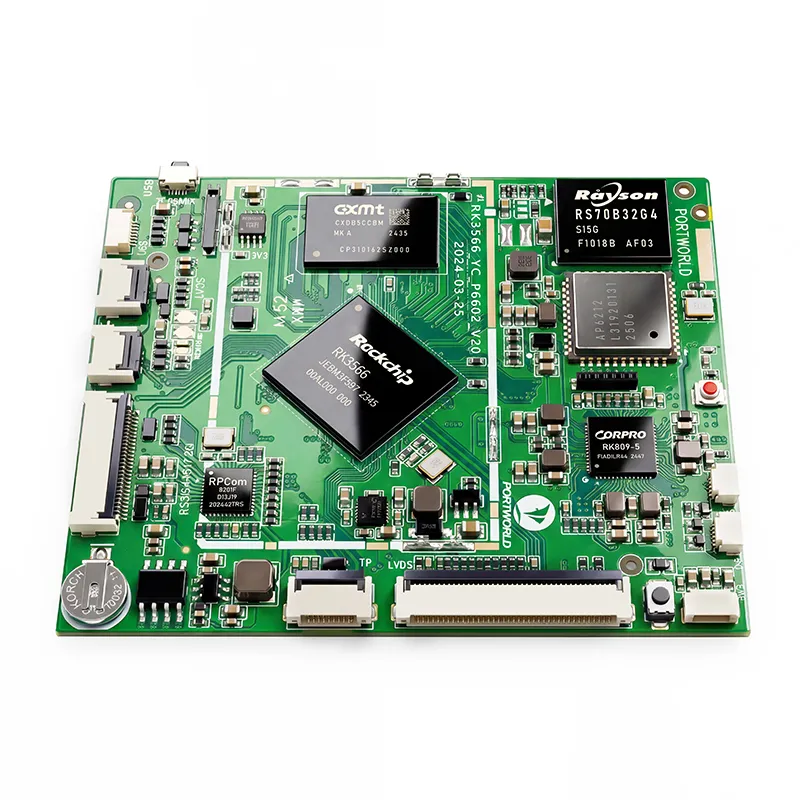
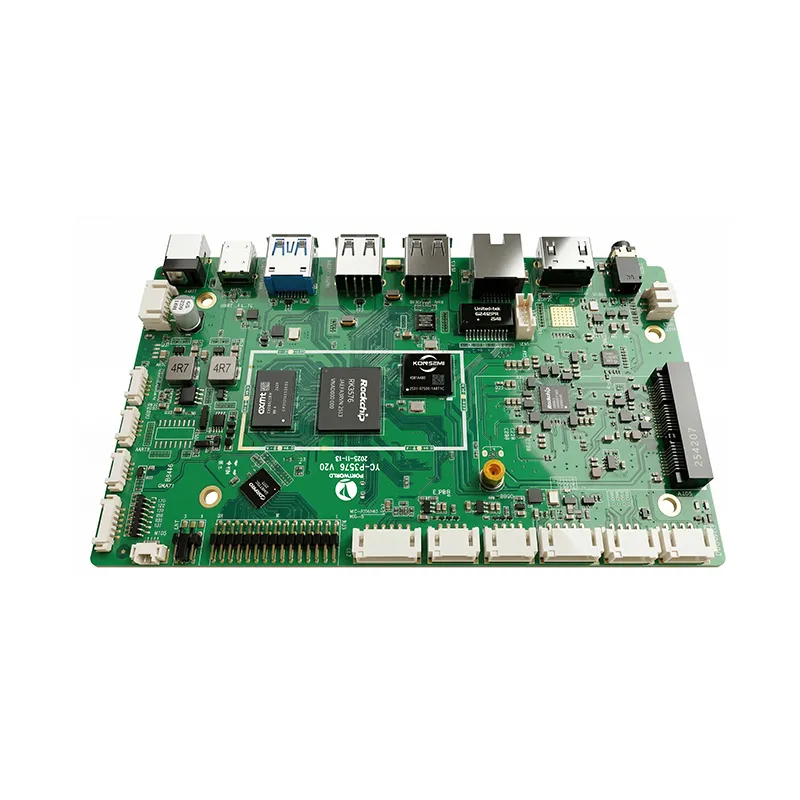
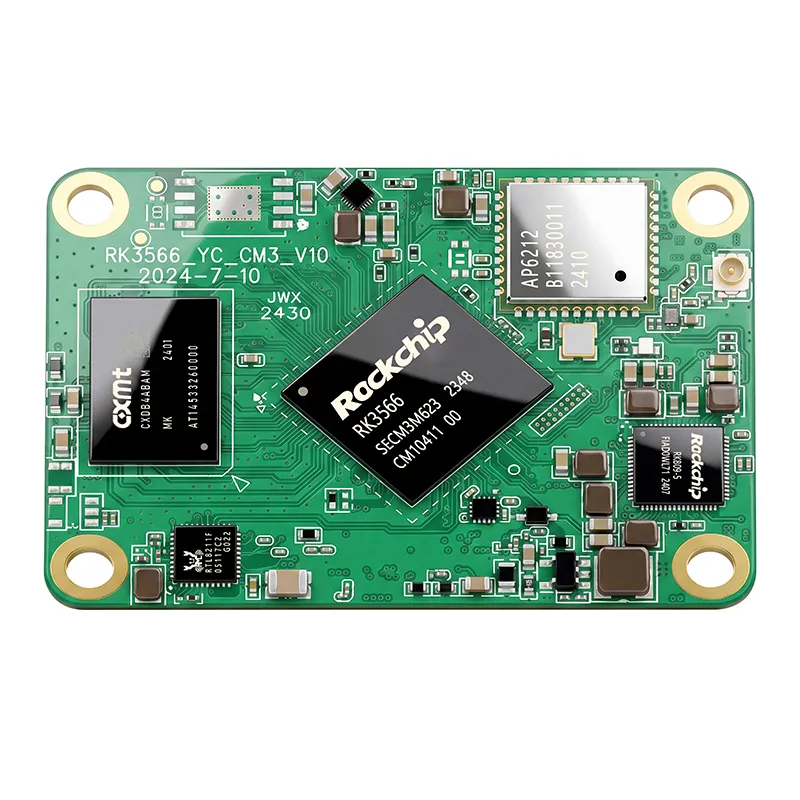
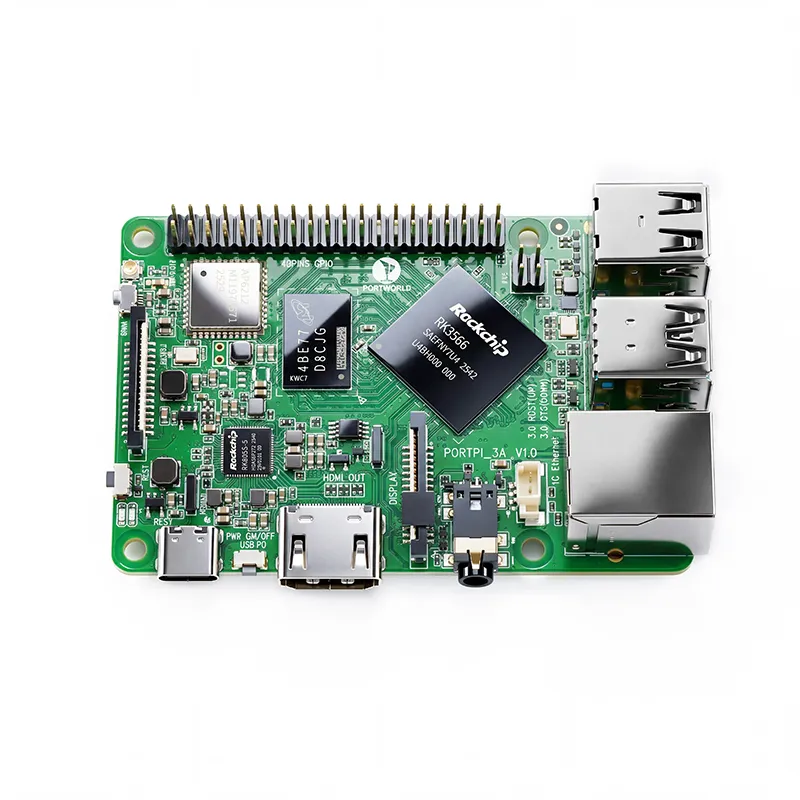
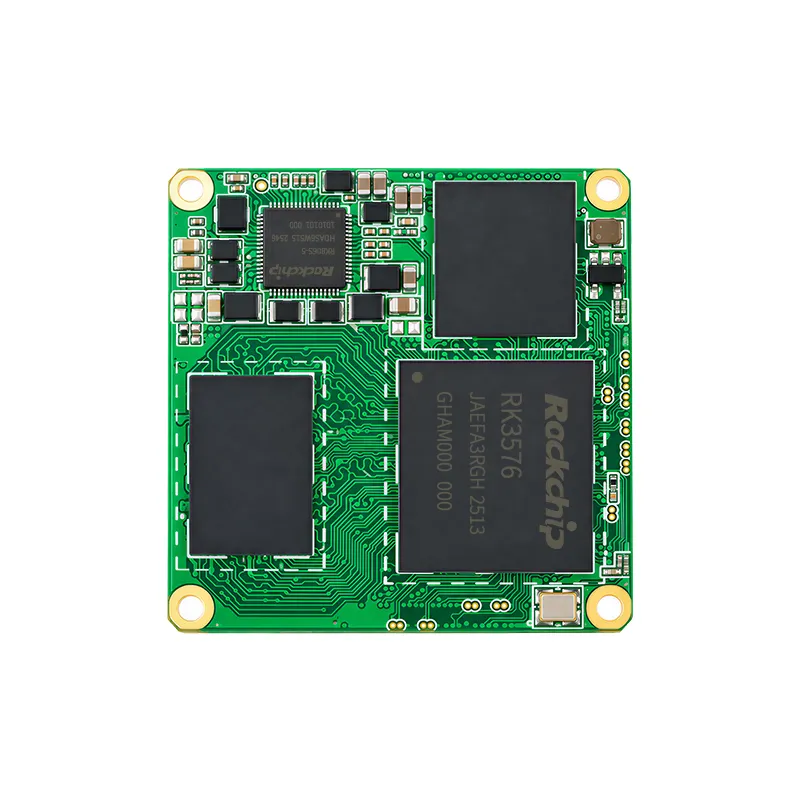
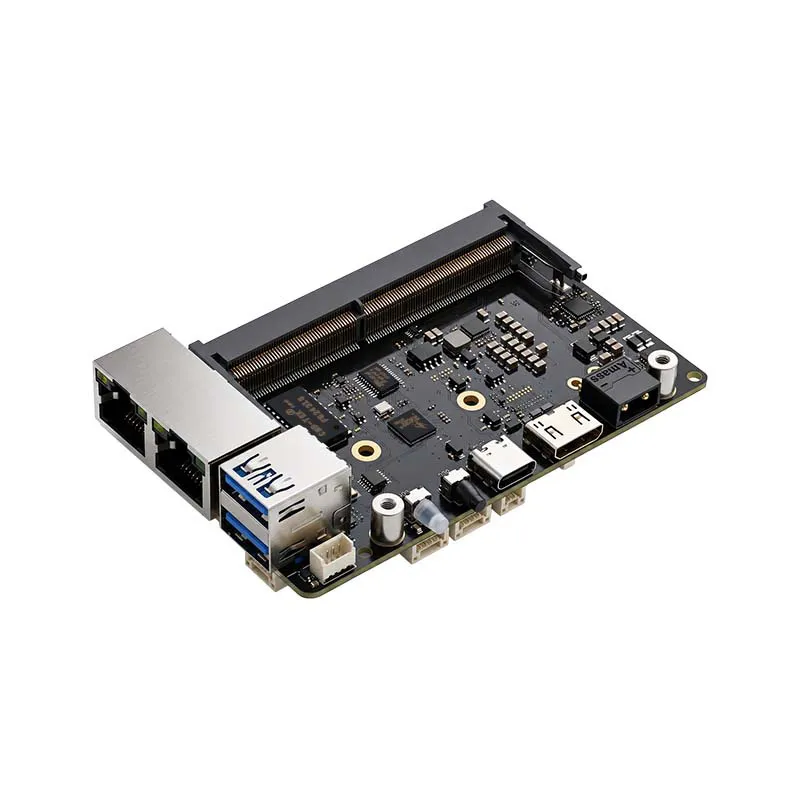
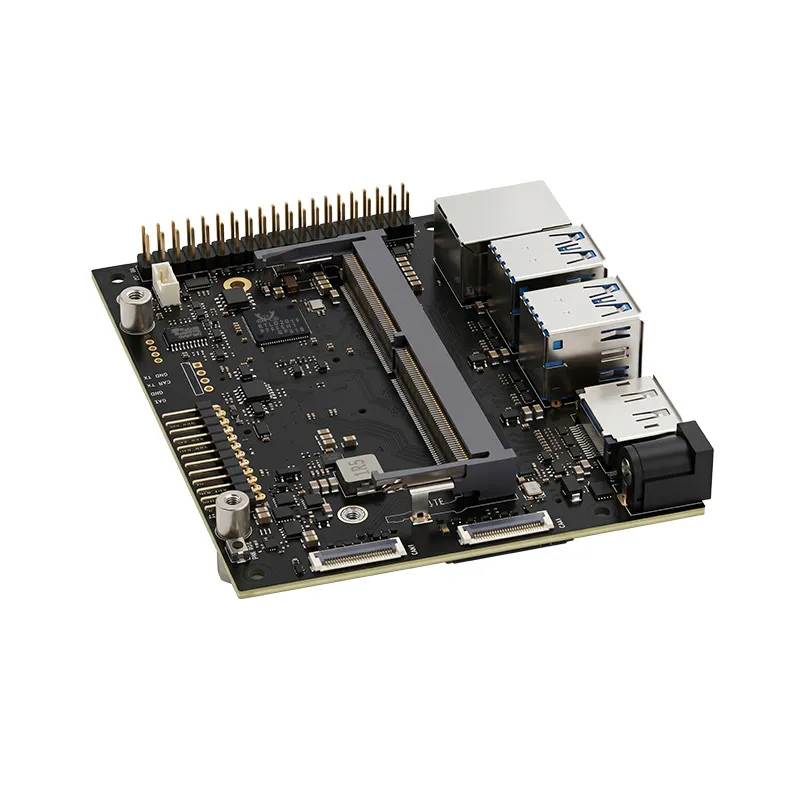
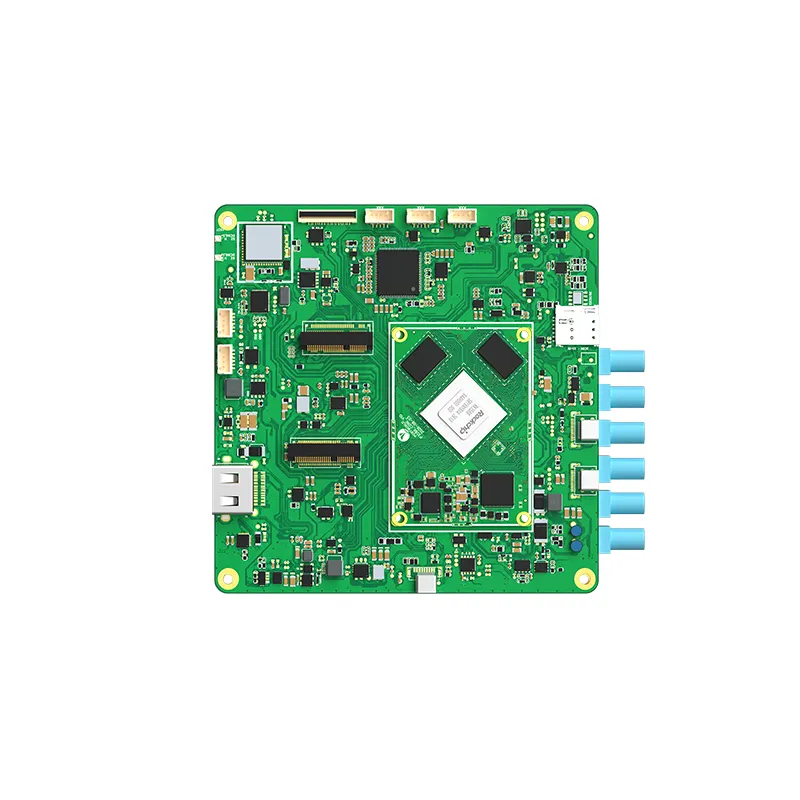
Portworld provides embedded computing and touchscreen hardware for projects necessitating application-specific integration. Its ARM-based motherboard and system-on-module offerings include the YC-P3566, which utilizes the Rockchip RK3566, and the YC-P3576, based on the Rockchip RK3576. These platforms can act as foundational components for tailored embedded products, depending on the operating system, interface, and performance specifications of each project.
For manufacturers of equipment creating their own HMI products, the integration of an ARM motherboard with an appropriate touchscreen can enhance control over the enclosure, interface design, boot sequence, software image, and overall product aesthetics.
3. Opt for ARM When Android or Embedded Linux Aligns with Your Software
The compatibility of the operating system is a critical consideration when selecting an industrial panel PC.
ARM platforms present a viable choice when an application has already been developed for Android or a compatible Linux distribution. They are capable of supporting custom dashboards, touch interfaces, device management applications, and embedded services, assuming that the necessary drivers, libraries, and hardware interfaces are accessible.
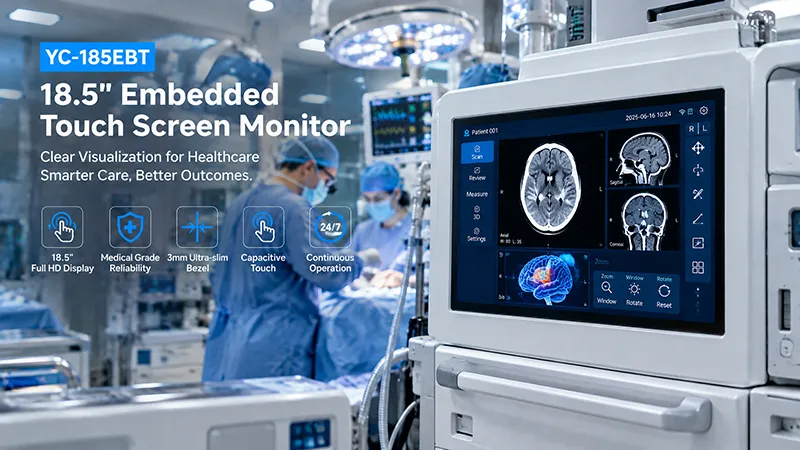
Prior to choosing a platform, verify the following:
Whether the vendor offers BSP, SDK, and long-term software maintenance support
Portworld facilitates embedded hardware projects that involve Android, Linux, Ubuntu, and Debian, contingent upon the chosen platform. Their customization services may encompass operating system adaptation, BSP and SDK support, application integration, and startup configuration.
These services are especially pertinent when an OEM requires a panel PC to initiate directly into a proprietary interface, interact with specific equipment, or utilize a customized software image rather than a conventional desktop environment.
A crucial distinction to note is that not all ARM motherboards are compatible with every operating system. It is essential to verify the precise software support for the chosen model prior to finalizing a production design.
4. Opt for ARM for Economical, High-Volume Products
When a product is produced in significant quantities, the overall cost of the embedded computing platform becomes a vital factor. ARM-based systems can aid in minimizing power consumption and streamlining the hardware design for applications that do not require advanced computing capabilities.
This can prove advantageous for manufacturers creating standardized control terminals, smart equipment interfaces, information displays, or connected devices in medium to large volumes.
Nevertheless, a reduced processor cost does not inherently imply a lower total project cost. Factors such as software porting, driver development, certification, tooling, testing, and long-term maintenance can all influence the final budget.
When engaging in OEM and ODM projects, it is beneficial to evaluate the total cost associated with each platform, which encompasses:
Software updates and lifecycle support
Portworld offers OEM/ODM services that include hardware customization, PCB and PCBA development, motherboard integration, software adaptation, branding, and packaging. These services enable businesses to create a product based on an appropriate ARM platform rather than piecing together a solution from disparate off-the-shelf components.
For extended projects, it is also essential to verify the availability of components, commitments to product lifecycle, and the supplier's capability to ensure consistent hardware revisions.
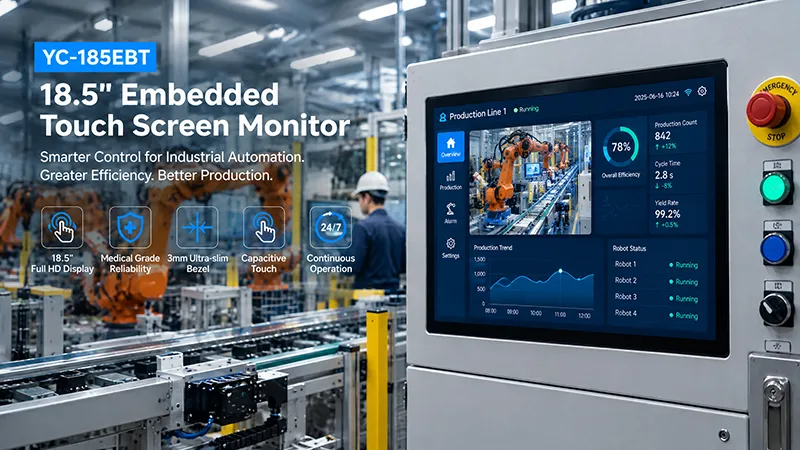
5. Opt for ARM When Your Project Requires Tailored Hardware Integration
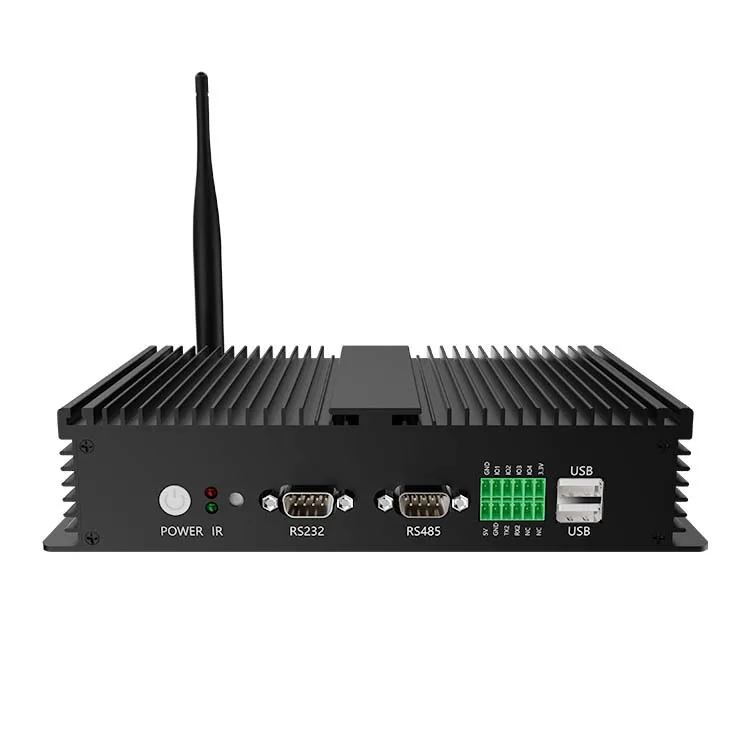
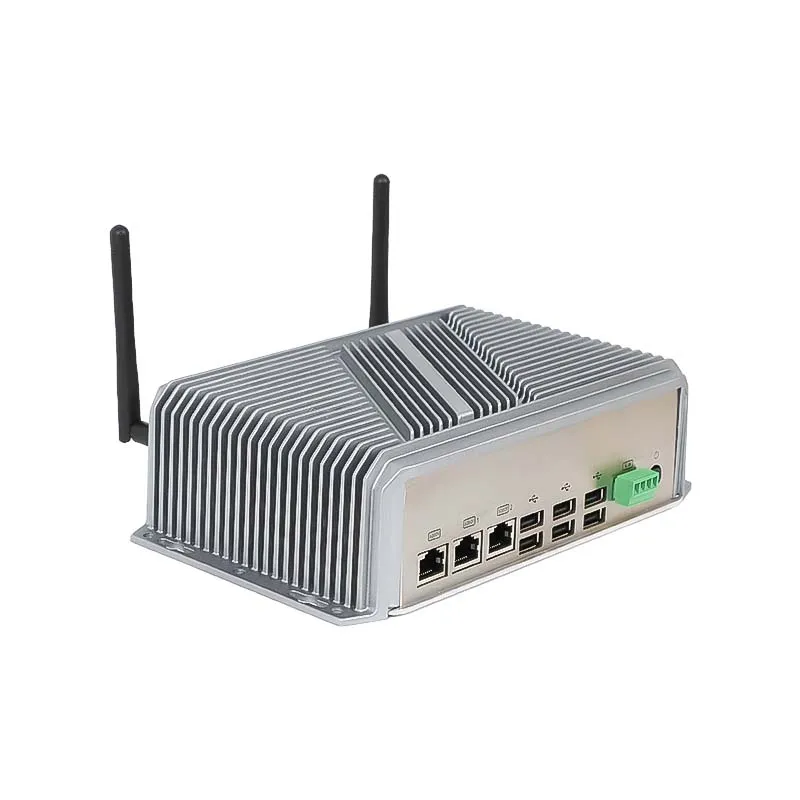
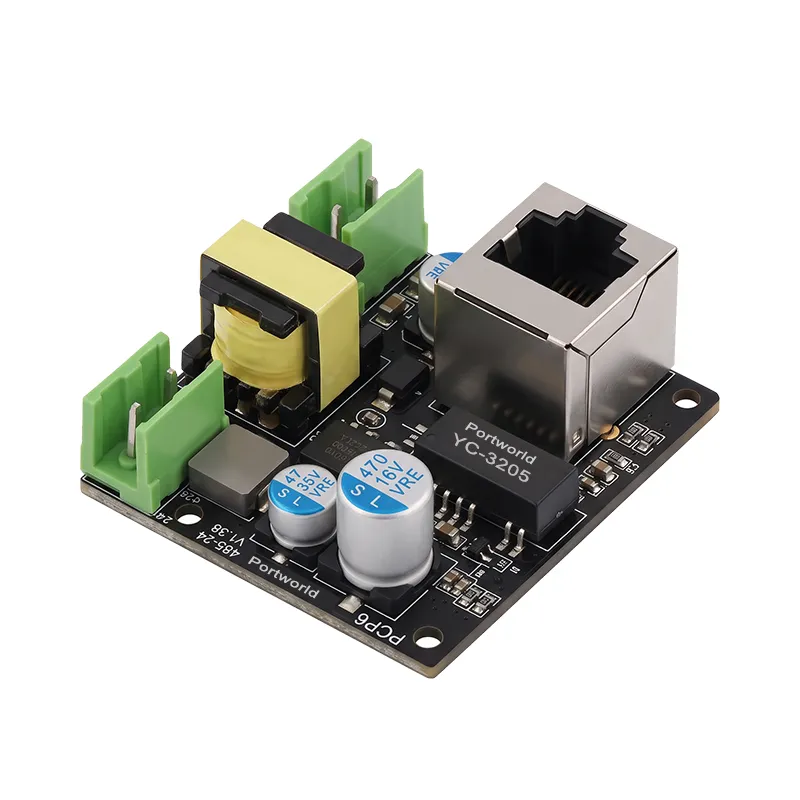
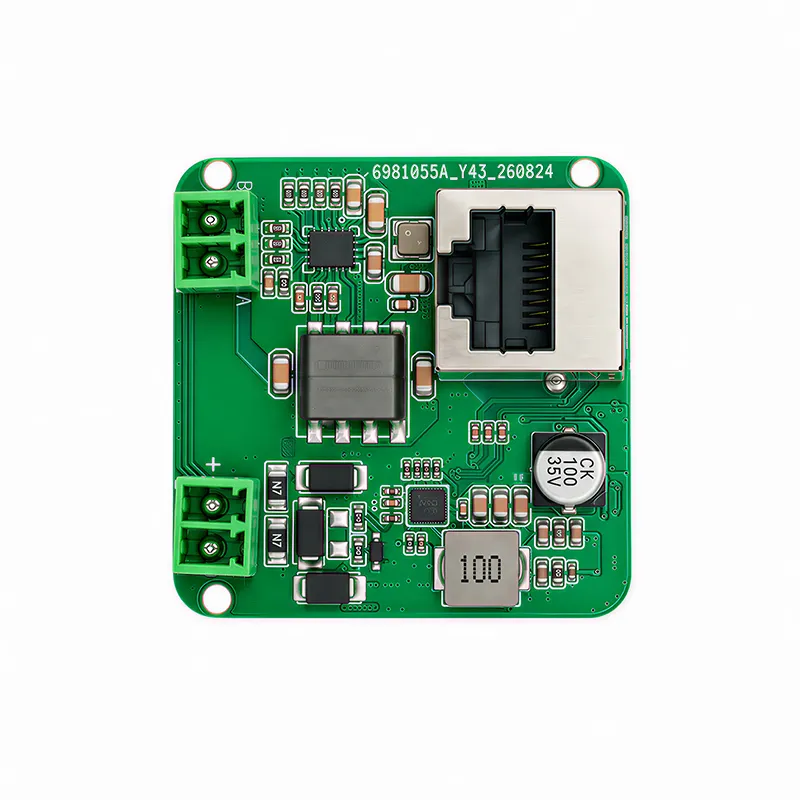
Industrial panel PCs frequently necessitate connections beyond just a touchscreen. Depending on the specific application, the system might need Ethernet, USB, RS232, RS485, GPIO, wireless connectivity, or interfaces for external sensors and controllers.
ARM-based platforms provide a versatile foundation for numerous embedded designs; however, the interfaces available differ based on the processor, motherboard, and carrier board. It is essential to verify these against the actual system architecture prior to commencing hardware development.
For instance, an industrial monitoring terminal may require Ethernet for network communication and RS485 for linking to a meter or controller. A specialized machine interface might need GPIO signals or a unique connector configuration. An IoT terminal could necessitate wireless connectivity along with software services for gathering and transmitting device data.
Portworld's embedded motherboard offerings include platforms like the YC-P6802, which is based on the Rockchip RK3568, and the YC-P6601, which utilizes the RK3566. Depending on the chosen configuration, these platforms can accommodate embedded applications that involve network communication and industrial interfaces.
For projects with more specific needs, Portworld is capable of providing PCB/PCBA design, hardware integration, interface customization, and software adaptation. The viability of each interface or function should be validated during the engineering review.
6. When Is an ARM-Based Panel PC Not the Optimal Selection?
While ARM technology offers numerous benefits, it is not universally suitable for all industrial applications.
An x86-based industrial panel PC might be a more appropriate option when the project relies on legacy Windows software, drivers exclusive to x86, specialized PCIe expansion cards, or well-established industrial applications that have yet to be adapted for ARM.
Additionally, more intensive workloads may lean towards x86 or a higher-performance embedded platform. This includes tasks such as intricate machine-vision processing, specific real-time control systems, extensive industrial software packages, and applications that demand significant CPU performance or broad peripheral compatibility.
AI workloads necessitate a more detailed assessment. Although some ARM System on Chips (SoCs) feature integrated neural processing units (NPUs), having an NPU does not ensure compatibility with a specific AI model. Factors such as model format, inference framework, quantization, memory capacity, and supported operators are all critical.
For projects that require sophisticated computer vision or high-throughput edge AI, it is essential to analyze the actual workload and benchmark the intended software on the designated hardware. A more robust ARM SoC or a dedicated AI computing platform might be suitable, yet a traditional x86 industrial PC could still be the more fitting choice for certain workloads.
The operating system should also influence the decision-making process. If a necessary application operates reliably only on Windows x86, transitioning it to ARM could incur more engineering costs and risks than the savings from hardware would warrant.
How to Choose the Appropriate ARM Industrial Panel PC
The most efficient selection process starts with the application rather than the specific processor model.
Initially, outline the software environment and verify that the application is compatible with the intended architecture. Subsequently, assess the necessary CPU, GPU, memory, and storage requirements. Following this, compile a list of all external interfaces, display specifications, mounting limitations, and environmental factors.
To ensure continuous industrial functionality, analyze thermal performance, operating temperature ratings, enclosure design, and the manufacturer's validation procedures. For OEM products, it is also essential to take into account customization options, documentation, production reliability, and the availability of components over the long term.
A thorough comparison should encompass the entire system:
| Selection factor | What to verify |
|---|---|
| Processor | Sustained performance for the target workload |
| Operating system | Supported Android or Linux version and required drivers |
| Memory and storage | Capacity for the application, logs, and future updates |
| Interfaces | Ethernet, USB, serial ports, GPIO, and other required connections |
| Display and touch | Screen size, resolution, brightness, touch technology, and mounting |
| Thermal design | Fanless capability, heat dissipation, and operating-temperature rating |
| Software support | BSP, SDK, documentation, and maintenance arrangements |
| OEM/ODM capability | Hardware changes, enclosure design, branding, and production support |
| Supply continuity | Component availability, lifecycle planning, and revision control |
The ultimate decision should consider performance, compatibility, reliability, and overall cost, rather than focusing solely on processor specifications.
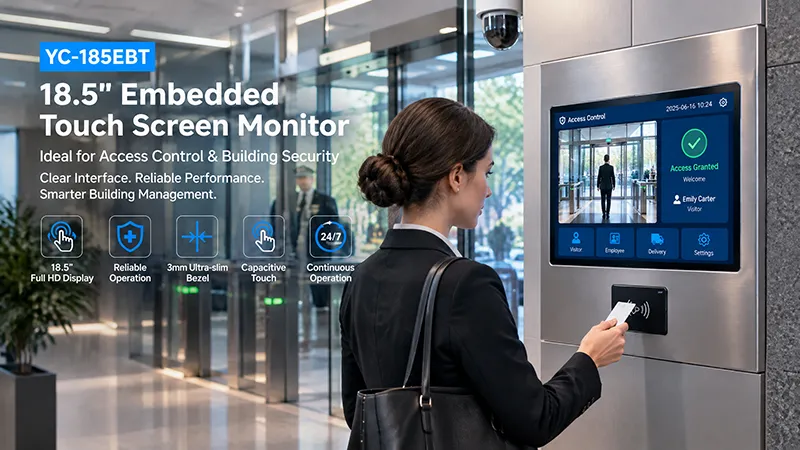
ARM-Based Industrial Panel PC Solutions from Portworld
Portworld offers embedded touchscreen hardware, industrial panel PCs, motherboards, and system-on-module solutions tailored for OEM and ODM applications. Their product lineup features ARM-based platforms utilizing Rockchip processors, in addition to various embedded computing alternatives suitable for projects with diverse performance and operating system needs.
For initiatives that necessitate a tailored industrial interface, Portworld is equipped to assist throughout the development process, from selecting motherboards and integrating hardware to adapting operating systems, providing BSP/SDK support, customizing interfaces, and facilitating product branding.
This methodology is advantageous for equipment manufacturers and system integrators seeking a reliable hardware platform for a dedicated HMI, connected industrial terminal, or application-specific touchscreen solution.
Opting for ARM is most beneficial when the software is compatible, the computing workload is clearly defined, and low-power embedded operation presents a distinct advantage. When these criteria are satisfied, an ARM-based industrial panel PC can serve as a compact and economical foundation for industrial product development.
Considering an ARM-based industrial panel PC for your project? Define your application, operating system, interfaces, and expected production volume first. These requirements will help determine whether a standard platform or a customized Portworld OEM/ODM solution is the better fit.