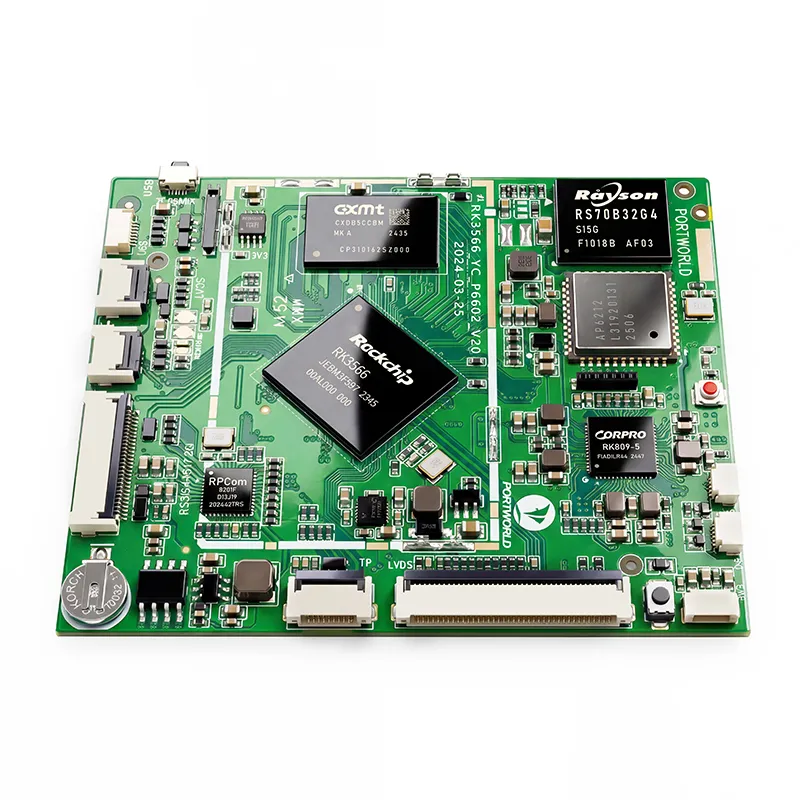
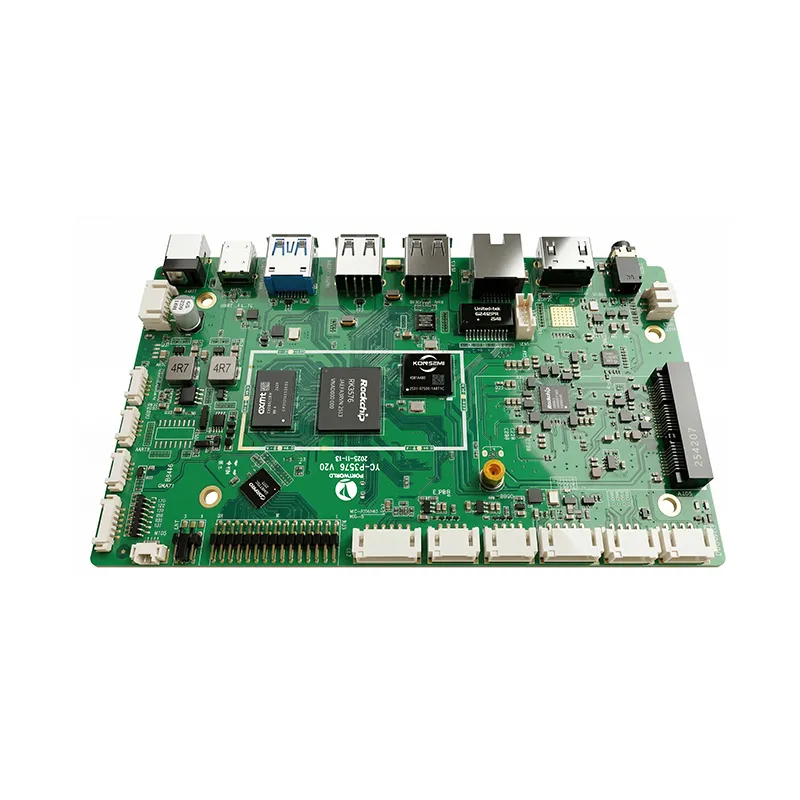
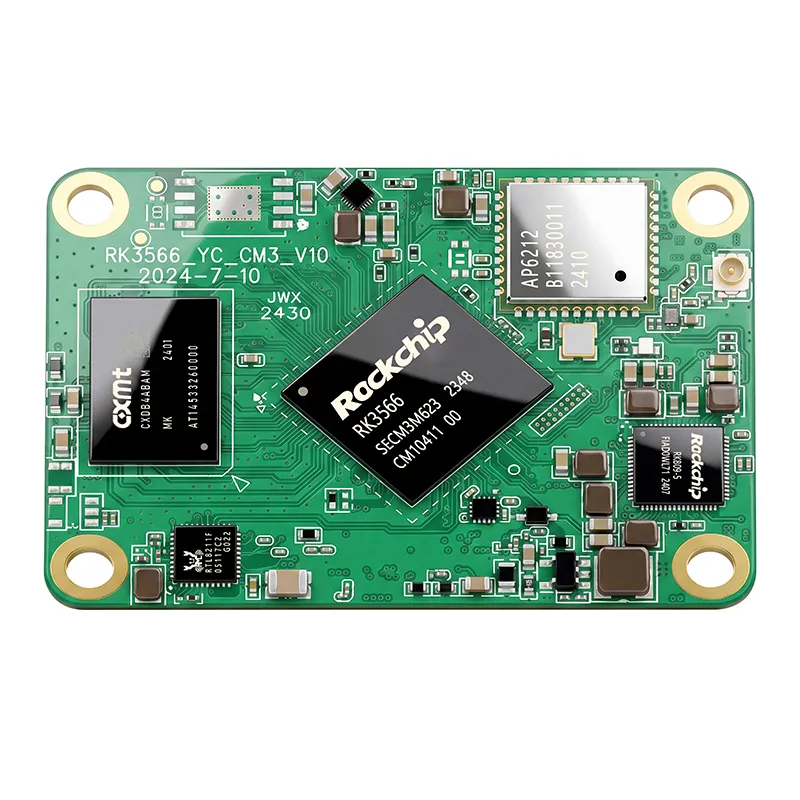
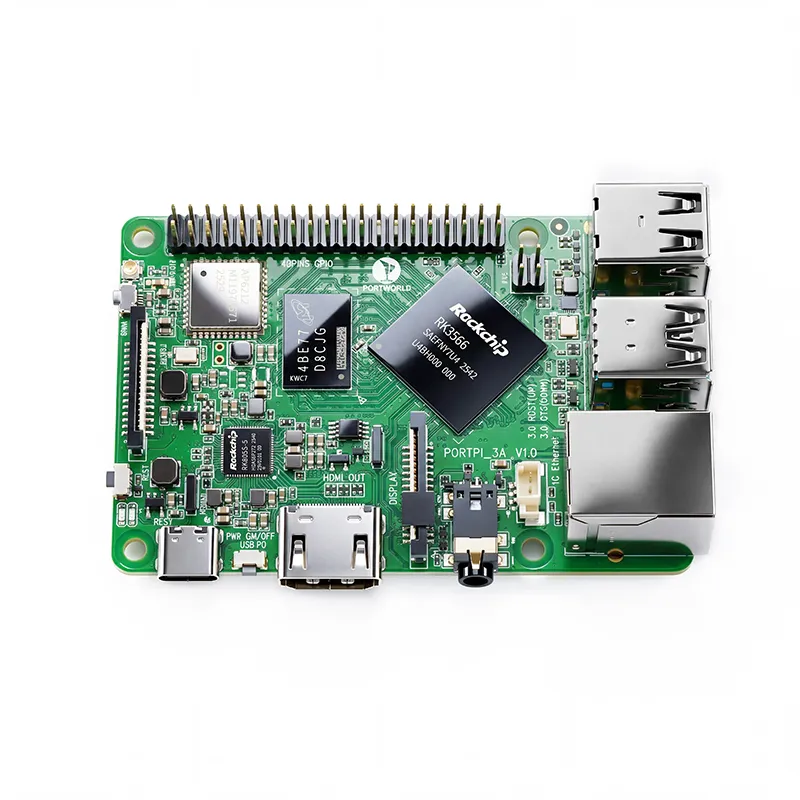
RK3576 Motherboard PCBA Design and Custom OEM/ODM Services
Apr 27,2026
The Next-Gen RK3588 Core board
Powerful, AI-Driven, High-Performance.Shop Now>




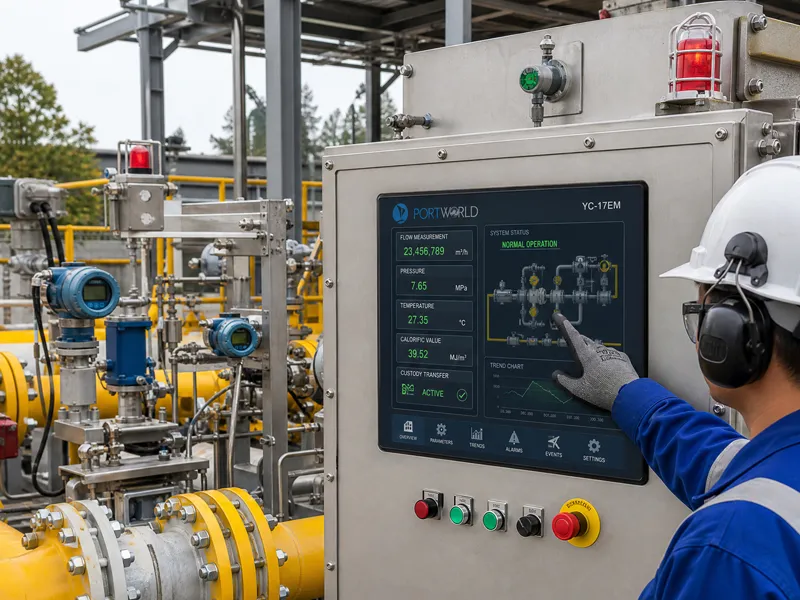
Industrial touch screen monitorshave evolved significantly beyond their original purpose of controlling simple machinery. Contemporary applications encompass factory automation, logistics infrastructure, medical devices, intelligent retail solutions, transportation systems, energy management, and outdoor operational equipment.For original equipment manufacturers, system integrators, and equipment producers, the procurement of an industrial touchscreen differs substantially from acquiring a conventional commercial monitor. The selected display must align with the mechanical configuration, operational environment, communication protocols, software architecture, and anticipated operational lifespan of the end-use application.
Consequently, the selection of an appropriate industrial touch screen monitor manufacturer can substantially influence the outcome of an industrial initiative.
Commence With Application Requirements, Not Display Specifications Alone
A prevalent error in industrial touchscreen monitor procurement involves prioritizing screen dimensions and resolution as the initial consideration. Although these parameters hold significance, they seldom represent the most decisive elements.
The primary inquiry should address: In what context and manner will the monitor function?
A touchscreen positioned within a factory control enclosure may necessitate entirely distinct specifications compared to one deployed in outdoor applications. A production-line human-machine interface may demand RS485 and GPIO connectivity, whereas a retail information terminal may emphasize luminosity, audio output, imaging capabilities, and a specialized housing design.
Environmental factors warrant equal consideration. Particulate matter, moisture exposure, mechanical stress, thermal fluctuations, and prolonged operational demands can all compromise display performance and longevity.
A reputable manufacturer should therefore possess the capability to evaluate the comprehensive application context prior to recommending an appropriate display solution.
Industrial Touchscreen Manufacturing Encompasses Far More Than LCD Assembly
An industrial touchscreen monitor typically functions as an integral component within a comprehensive system. The display panel, touch sensor, controller board, enclosure, cables, mounting structure, and operating system must all operate in coordinated harmony.
This is precisely where an experienced manufacturing partner delivers substantially greater value than a conventional display distributor.
For instance, an OEM project may necessitate specific requirements regarding:
Display size and resolution
Touch technology
Interface configuration
Enclosure material
Mounting method
Operating system
Processor platform
Communication interface
Power input
Logo and branding
When these components require coordination across multiple suppliers, the development timeline can extend considerably and complexity can increase substantially.
Engaging with a manufacturer possessing both hardware and software engineering expertise can streamline this process significantly.
Assess the Manufacturer's Customization Capabilities
Customization represents one of the most critical considerations for B2B purchasers.
Numerous projects do not align precisely with standard off-the-shelf monitor configurations. The touchscreen may require integration into existing machinery, serve as a replacement for legacy HMI systems, or function as a component in an entirely novel product.
A proficient industrial touchscreen monitor manufacturing organization should demonstrate the capacity to facilitate customization across multiple levels.
Mechanical customization encompasses modifications to the enclosure, bezel, mounting apertures, brackets, and installation procedures.
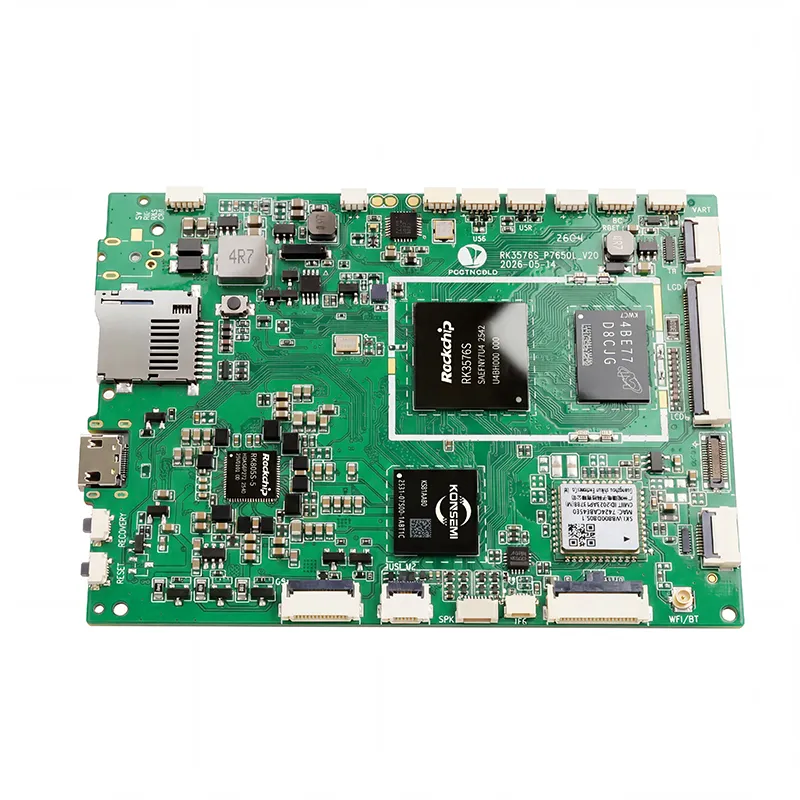
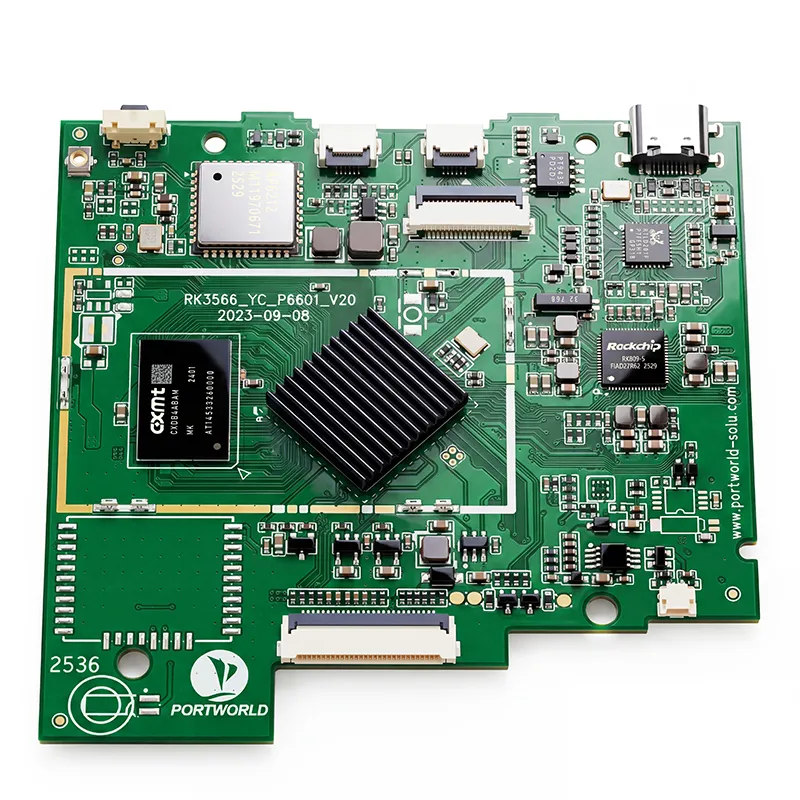
Hardware customization may encompass alterations to the motherboard, input/output interfaces, communication modules, storage capacity, memory specifications, and power delivery configuration.
Software customization encompasses Android, Linux, or Windows platform adaptation, pre-configured applications, boot sequence configuration, and proprietary system-level development.
This adaptability proves especially valuable for OEM and ODM initiatives where the display functions as an integral element of a client's proprietary equipment or branded solution.
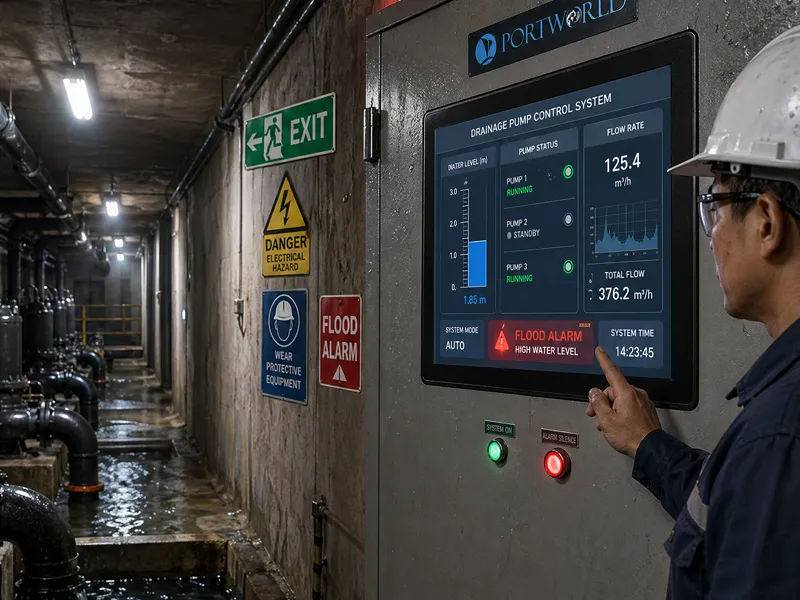
Emphasize Industrial Reliability
Industrial settings typically impose substantially greater demands on electronic equipment compared to office or residential environments.
A display deployed on a manufacturing line may be required to function without interruption for extended periods. Devices positioned in outdoor locations may encounter moisture, particulate matter, solar radiation, and thermal variations. Equipment can additionally produce vibration and electromagnetic disturbance.
For such applications, stakeholders must consider factors beyond fundamental display metrics and assess the comprehensive build quality.
Characteristics including aluminum alloy frames, passive thermal management, hermetically sealed front surfaces, industrial-specification parts, and durable touch interfaces can enhance operational dependability.
For installations subject to particulate or moisture exposure, an appropriately rated IP-classified front surface can prove equally significant.
The suitable protection classification should consistently be determined based on the specific deployment context rather than merely selecting the maximum available rating.
Connectivity May Establish Whether a Display Meets Project Requirements
Industrial systems frequently require data exchange with programmable controllers, measurement devices, computing systems, and peripheral equipment.
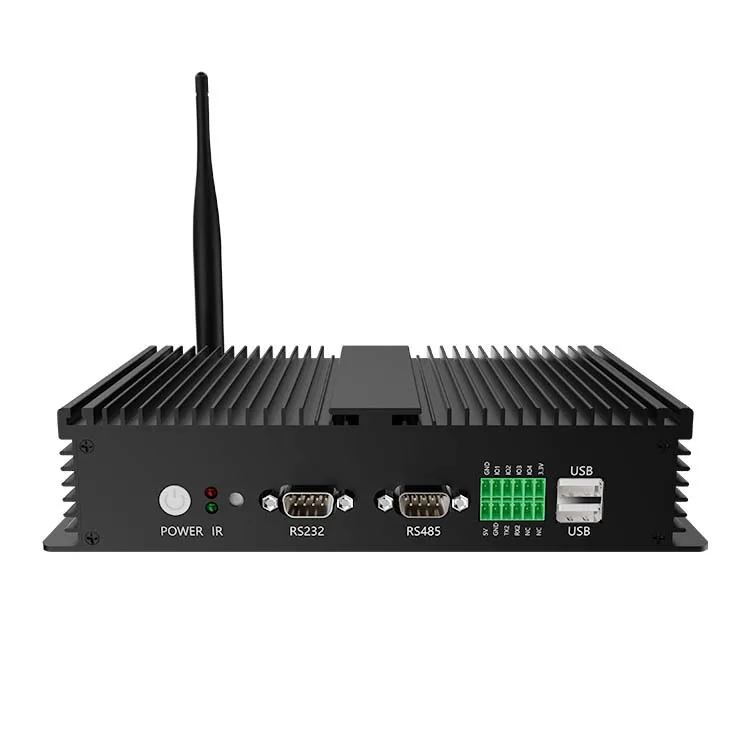
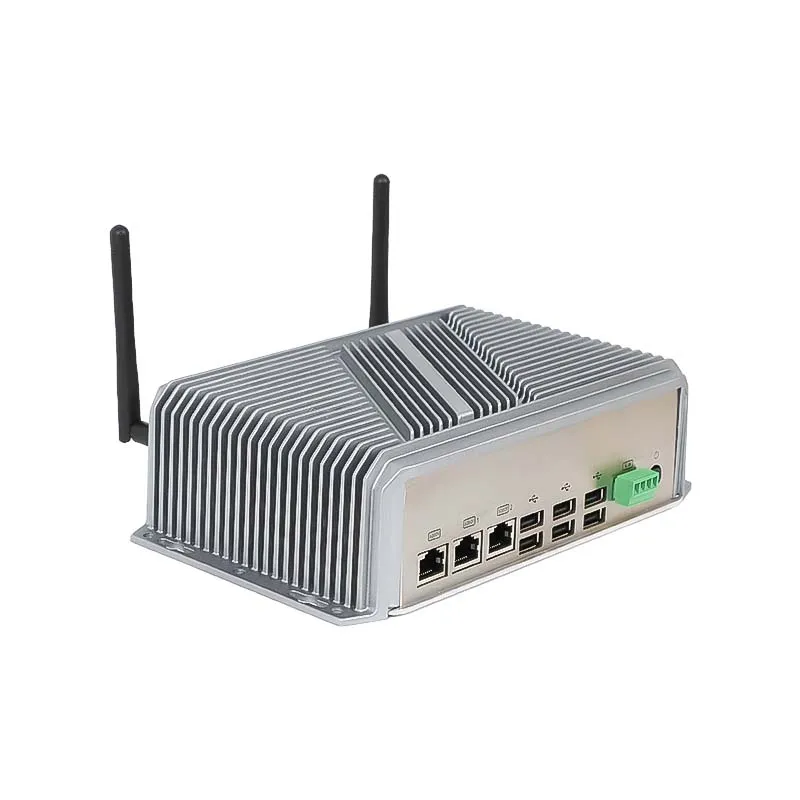
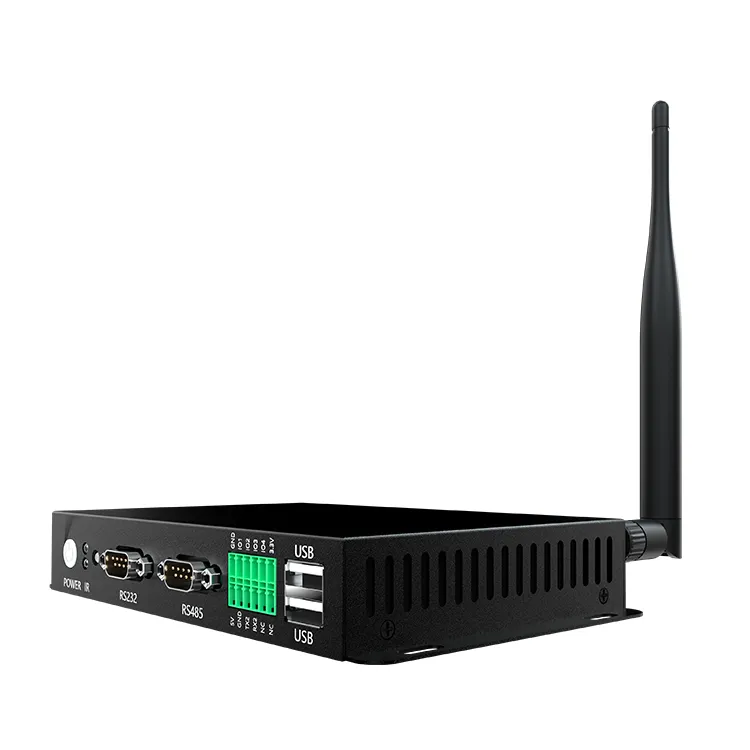
Based on the specific use case, communication protocols such as HDMI, USB, LAN, RS232, RS485, GPIO, CAN, or supplementary communication standards may be necessary.
This constitutes an additional justification for engaging directly with a qualified manufacturer.
Rather than retrofitting an incompatible standard display using supplementary conversion equipment and peripheral apparatus, an industrial display provider may possess the capability to incorporate the necessary communication standards into the foundational architecture.
This approach can minimize interconnection requirements and produce a more streamlined end result.
Consider Product Lifecycle Prior to Executing a Bulk Order
For industrial equipment manufacturers, product availability frequently takes precedence over obtaining the most competitive initial unit cost.
When a touchscreen is incorporated into machinery that will remain in production for five to ten years, an abrupt modification to the display can necessitate substantial redesign and certification expenditures.
Before selecting a supplier, B2B purchasers should evaluate:
Component availability
Product lifecycle
Long-term production support
Engineering changes
Replacement options
Quality control
Production capacity
A manufacturer employing a systematic lifecycle management framework can effectively mitigate supply chain risks throughout the extended term.
The Significance of OEM and ODM Support
For organizations designing proprietary industrial equipment, OEM/ODM support can transform a conventional touchscreen into a specialized system solution.
For instance, a manufacturer may deliver a touchscreen panel PC featuring a customized housing and a designated Android or Linux operating system configuration. The organization can subsequently incorporate its proprietary application software and establish connectivity with programmable logic controllers, sensors, databases, or cloud-based platforms.
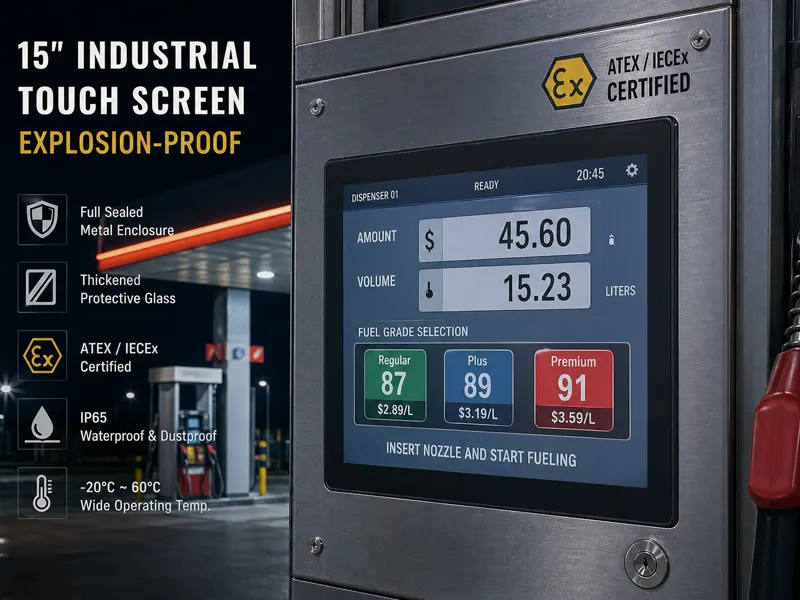
This methodology proves particularly advantageous for:
Industrial automation: Human-machine interface terminals, machinery control, production oversight, and manufacturing facility equipment.
Logistics: Warehouse management terminals, intelligent locking systems, inventory management solutions, and transportation equipment.
Healthcare: Medical device interfaces, patient interaction terminals, and surveillance systems.
Smart retail: Automated service kiosks, interactive visual displays, and transaction terminals.
Outdoor equipment: Electric vehicle charging infrastructure, control enclosures, telecommunications equipment, and power generation systems.
Portworld as an Industrial Touchscreen Manufacturing Partner
Portworld specializes in the development and manufacturing of industrial touchscreen displays, embedded panel personal computers, intelligent control panels, and associated embedded computing solutions tailored for original equipment manufacturer and original design manufacturer projects.
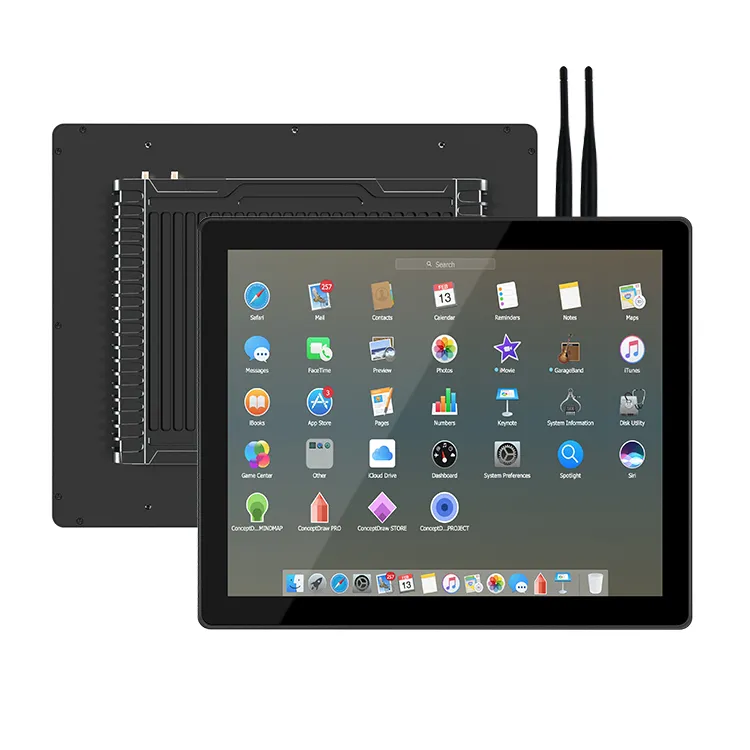
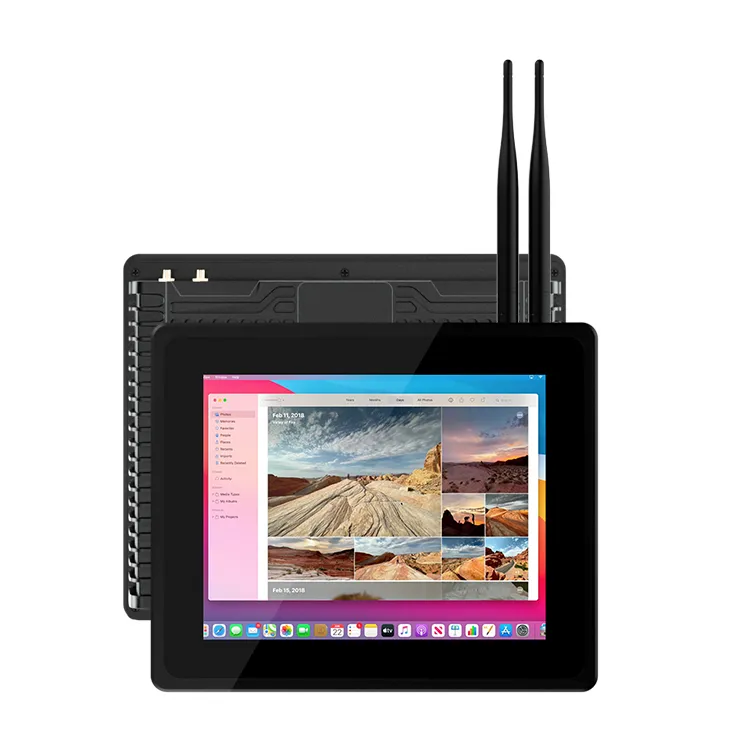
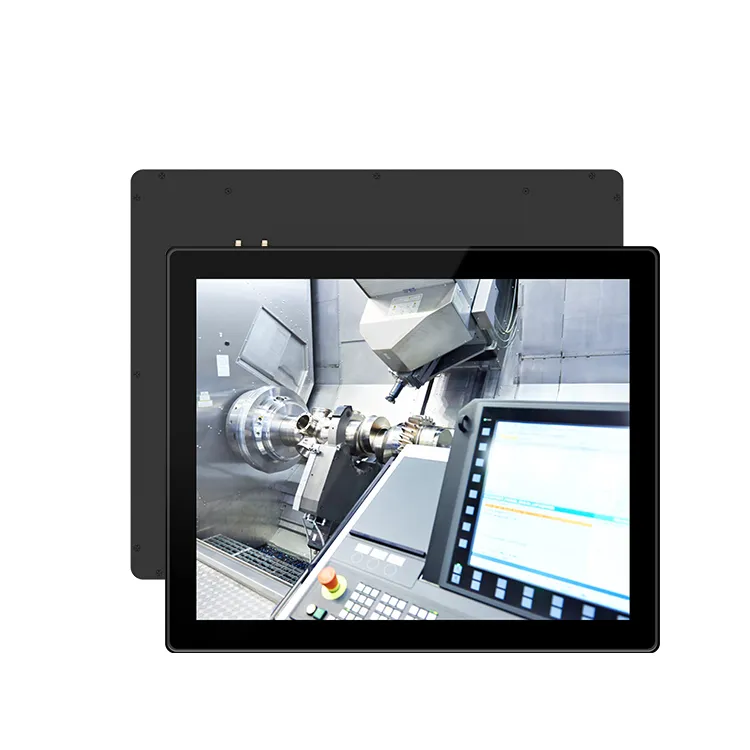
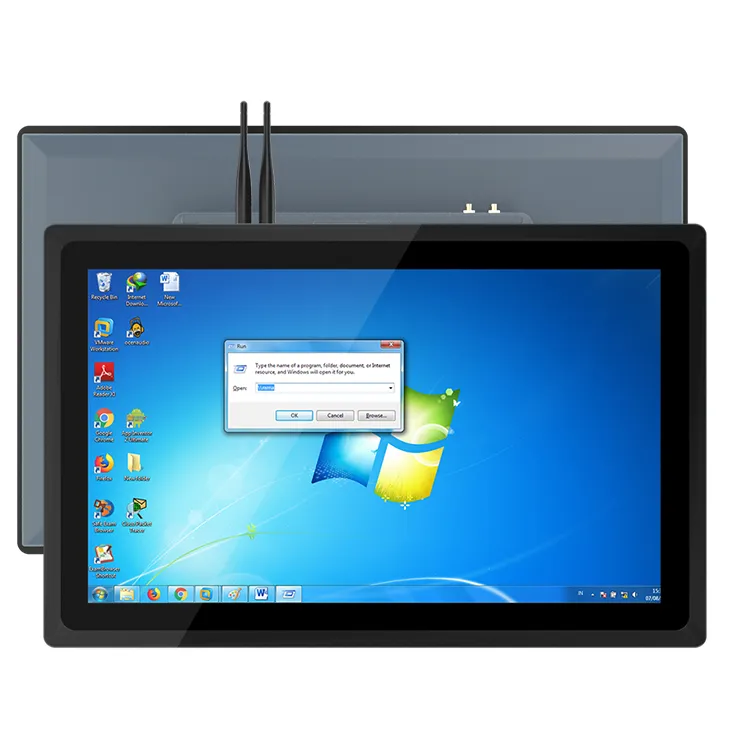
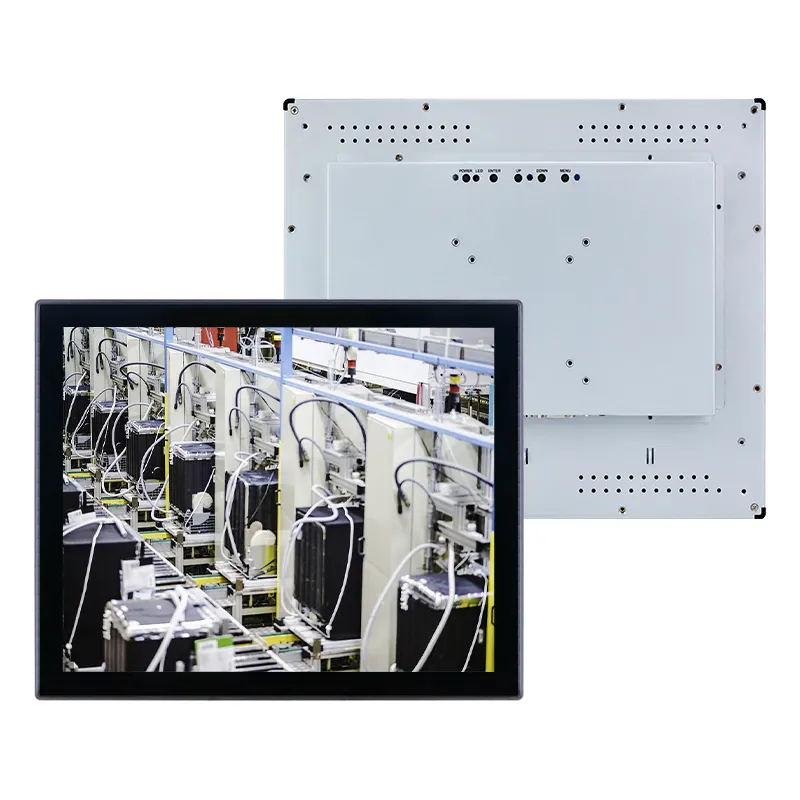
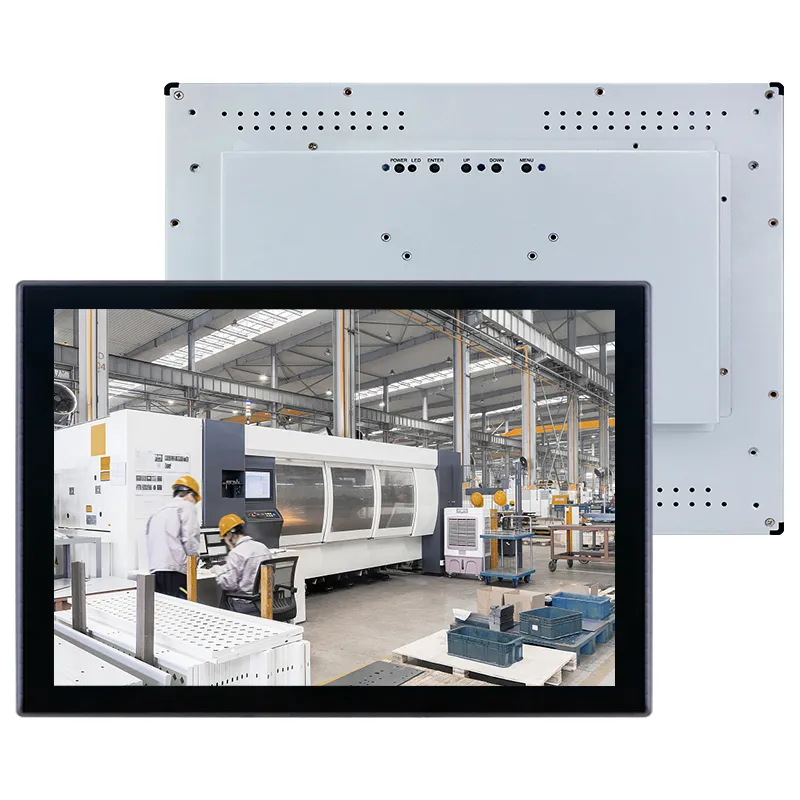
The company's comprehensive industrial display range encompasses various dimensions and specifications, featuring products including the YC-104EM 10.4-inch embedded touch panel, engineered for industrial automation environments and extended operational periods, alongside larger embedded touchscreen monitors intended for supervisory and interactive applications.
In addition to conventional offerings, Portworld provides extensive customization capabilities encompassing hardware modifications, interface configurations, enclosure engineering, operating system selection, brand customization, and other application-specific requirements.
This approach enhances manufacturing adaptability for system integrators and equipment manufacturers seeking a dependable long-term industrial touchscreen supplier.
What Should You Inquire About When Selecting an Industrial Touchscreen Manufacturer?
Prior to submitting a quotation request, compile the essential project specifications.
At a minimum, furnish:
Display: necessary screen dimensions, pixel resolution, luminosity levels, and visual angle specifications.
Touch: capacitive or resistive touch technology, simultaneous touch point capability, and protective glove compatibility requirements.
Environment: interior or exterior deployment, operational temperature range, moisture levels, particulate exposure, moisture ingress protection, and mechanical shock tolerance.
Interfaces: HDMI, USB, LAN, RS232, RS485, GPIO, CAN, or supplementary connectivity requirements.
Installation: recessed panel mounting, integrated installation, vertical wall mounting, tabletop placement, or specialized mounting configurations.
System: standalone display functionality or integrated panel personal computer configuration, alongside Android, Linux, Windows, or alternative operating system requirements.
Quantity: initial prototype requirements, projected yearly demand, and anticipated manufacturing commencement timeline.
Supplying these particulars enables the manufacturer to recommend an optimized configuration and furnish a more precise quotation.
Selecting an Appropriate Manufacturing Partner
The optimal industrial touchscreen supplier cannot be determined solely by the lowest unit cost. Within B2B initiatives, technical proficiency, product dependability, adaptation capabilities, manufacturing uniformity, and sustained availability exert substantially greater influence on overall project expenditure.
A dependable industrial touchscreen monitor manufacturing organization must demonstrate the capacity to collaborate with you throughout the entire lifecycle, encompassing initial design specifications and prototype creation, comprehensive evaluation, high-volume manufacturing, and continuous technical assistance.
For enterprises engaged in industrial equipment production, this manufacturer-level collaboration represents a critical distinction between merely procuring a display component and establishing a comprehensive touchscreen solution engineered for extended operational deployment.