RK3576 Motherboard PCBA Design and Custom OEM/ODM Services
Apr 27,2026
The Next-Gen RK3588 Core board
Powerful, AI-Driven, High-Performance.Shop Now>




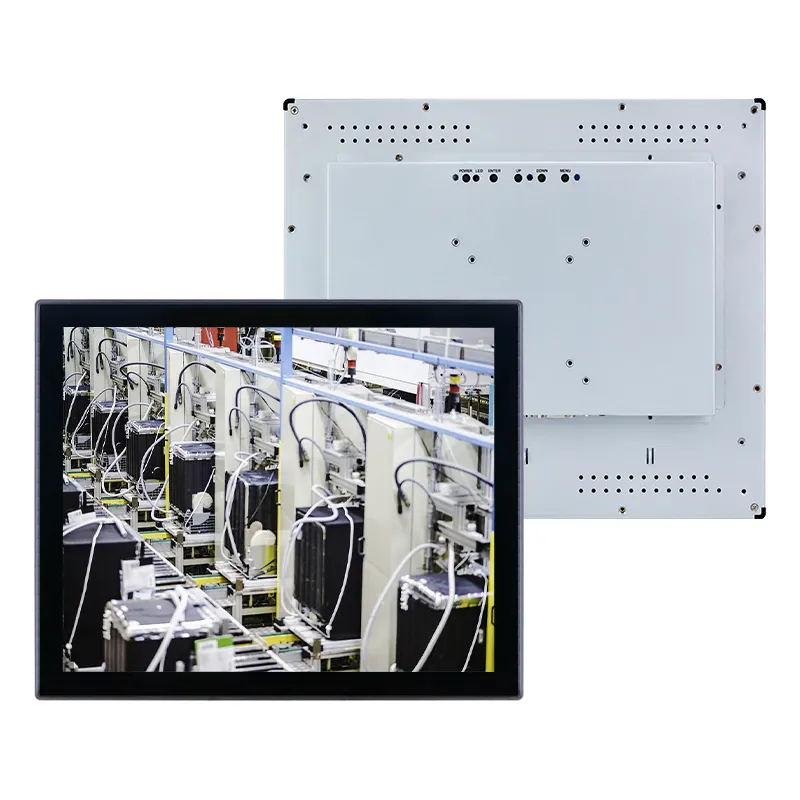
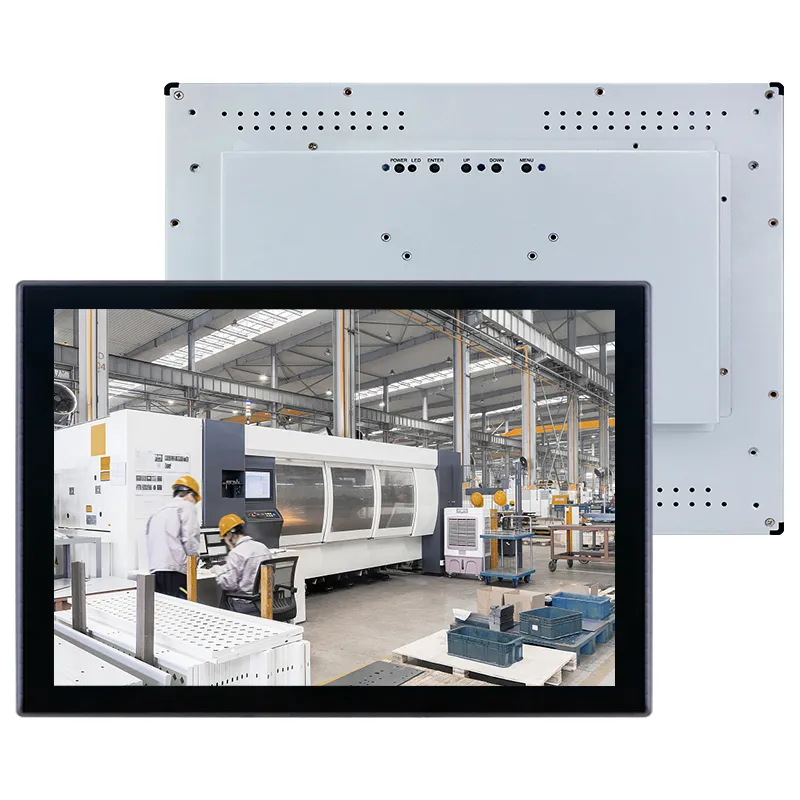
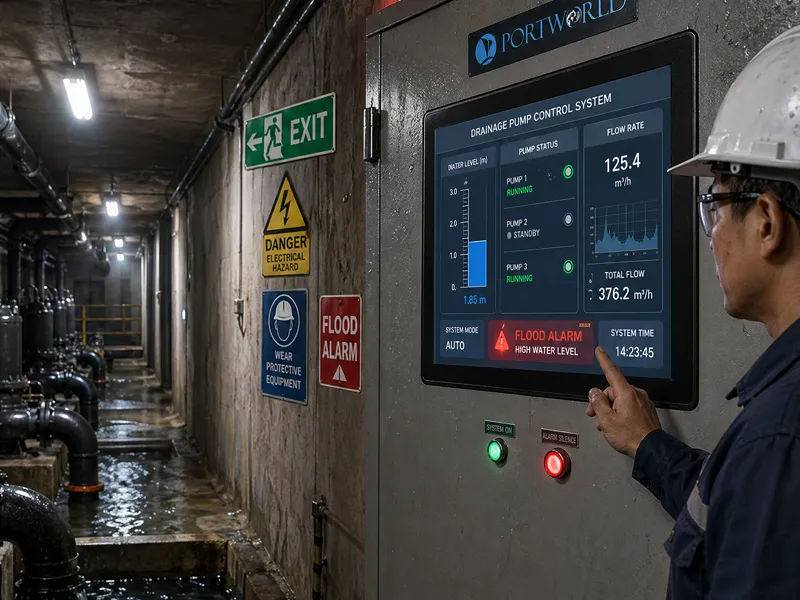
Water treatment facilities necessitate dependable monitoring and control systems to maintain uninterrupted functionality. Encompassing wastewater processing, filtration mechanisms, chemical application, and pump operations, facility operators utilize touchscreen interfaces to observe equipment performance and modify system configurations.
Water treatment environments present substantial obstacles for electronic equipment. Elevated humidity levels, water spray exposure, particulate matter, chemical interactions, and perpetual operational demands render conventional commercial displays inadequate.
Selecting an appropriate industrial touchscreen monitor for water treatment facilities demands evaluation of protective measures, structural integrity, communication capabilities, and sustained dependability.
The Necessity of Industrial Touchscreen Monitors in Water Treatment Facilities
Contemporary water treatment operations employ automated technologies including programmable logic controllers, supervisory control and data acquisition systems, and connected monitoring platforms. Touchscreen displays serve essential functions for:
Pump operation management
Aquatic quality assessment
Chemical application regulation
Purification system administration
Operational status visualization interfaces
Apparatus condition surveillance
These operational requirements demand displays capable of functioning consistently within conditions characterized by:
Moisture and aqueous contact
Chemically aggressive substances
Airborne contaminants and debris
Thermal variations
Perpetual functionality
An industrial touchscreen monitor establishes a resilient communication platform between personnel and mechanized systems.
Essential Characteristics of an Appropriate Water Treatment Touchscreen Monitor
1. IP65 Waterproof and Dustproof Protection
The primary consideration for water treatment applications involves safeguarding against moisture and particulate matter.
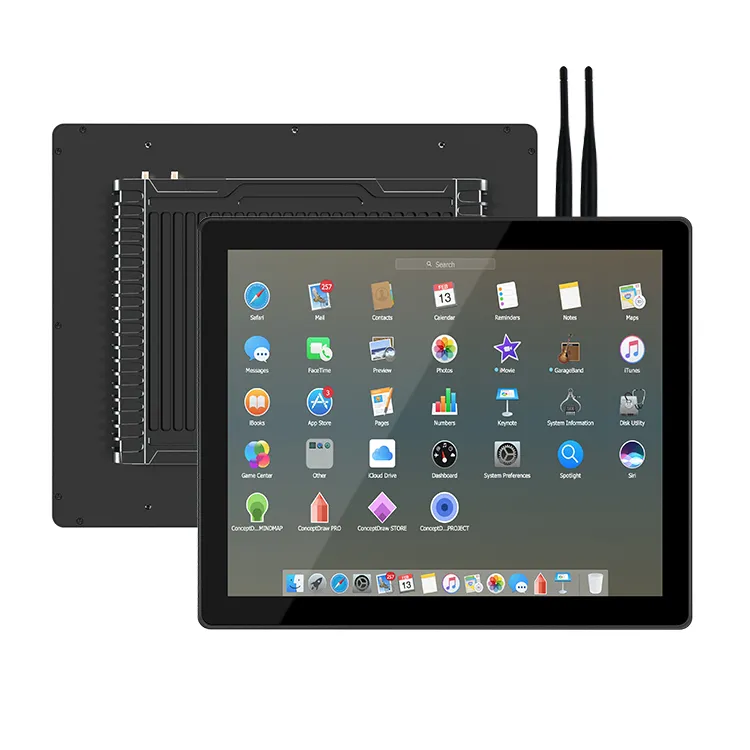
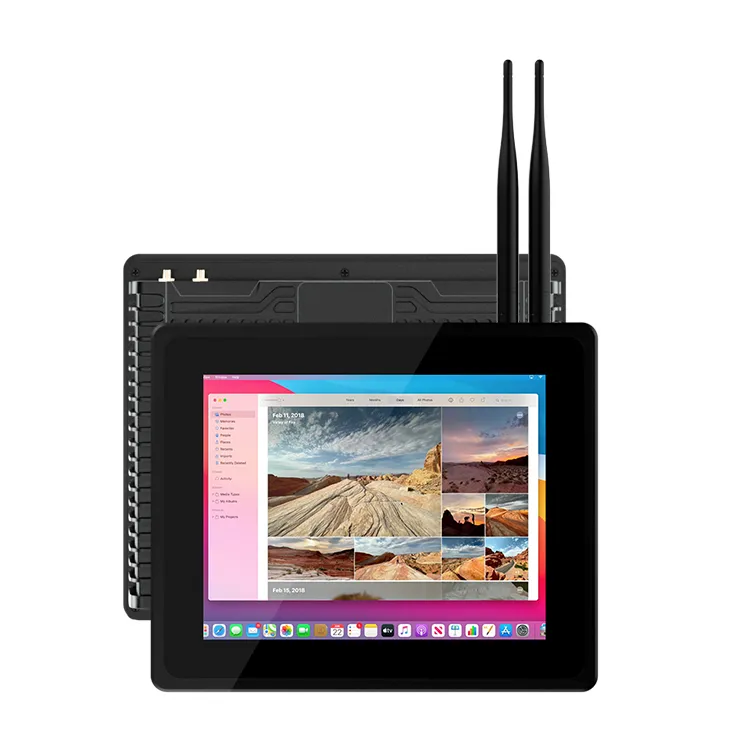
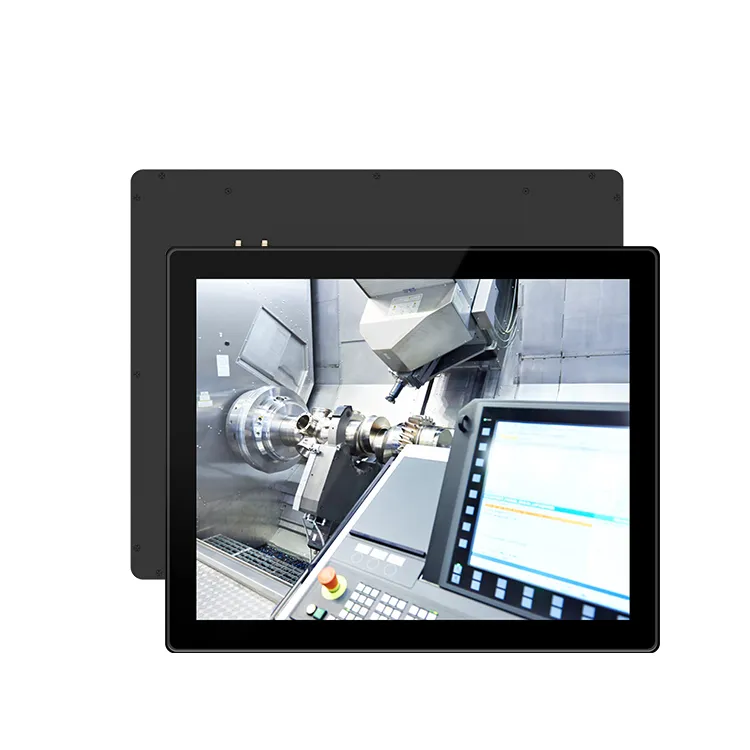
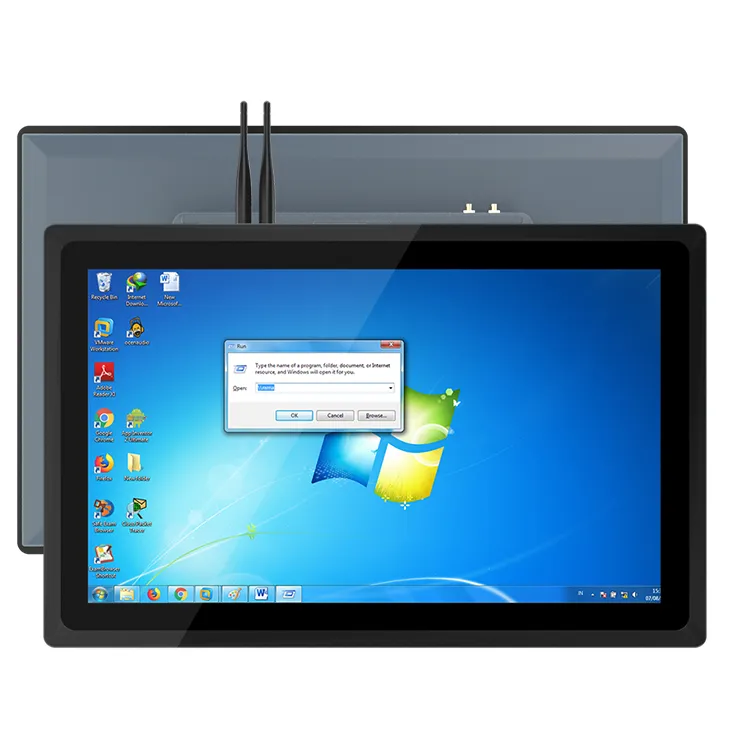
An industrial touchscreen monitor featuring IP65-rated front protection delivers:
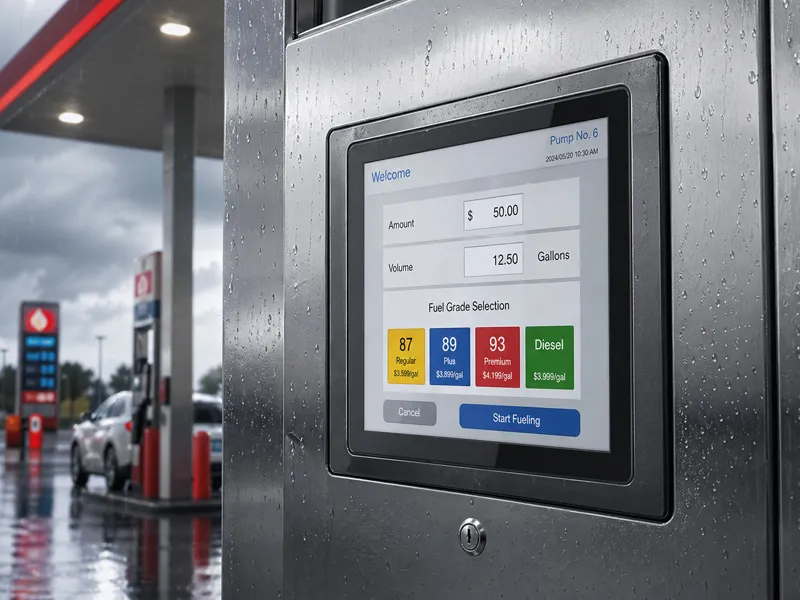
Waterproof touchscreen interface
Dust-resistant construction
Hermetically sealed front panel
Convenient cleaning and upkeep
This renders it well-suited for:
Automated control cabinets
Pumping stations
Remote monitoring infrastructure
Manufacturing environments
2. Corrosion-Resistant Industrial Housing
Water treatment facilities frequently employ chemical substances that can expedite corrosion processes.
An appropriate touchscreen monitor should incorporate:
Aluminum alloy structural framework
Corrosion-resistant material composition
Hermetically sealed internal architecture
Commercial-grade mechanical components
This contributes to prolonged operational longevity in chemically aggressive and moisture-laden settings.
3. Dependable Touchscreen Functionality
Operators require instantaneous and precise control capabilities when supervising mission-critical operations.
Recommended touchscreen specifications encompass:
10-point capacitive touch technology
Elevated sensitivity calibration
Abrasion-resistant glass surface
Glove-compatible touch functionality options
These specifications enable operators to manage systems effectively within demanding industrial contexts.
4. Fanless Configuration for Demanding Environments
Conventional cooling mechanisms can accumulate dust and moisture, necessitating increased maintenance interventions.
A fanless industrial touchscreen monitor furnishes:
Passive thermal management
Absence of mechanical components
Minimal acoustic output
Diminished maintenance obligations
This engineering approach proves advantageous for sustained operation within water treatment installations.
5. Commercial-Grade Display Specifications
Precise visual representation proves indispensable for supervising intricate operational procedures.
Critical display characteristics include:
High-luminance LCD technology
Expansive viewing angle capability
Superior contrast ratio
Consistent visual performance
Operators can readily observe system metrics, warning indicators, and operational information.
6. Comprehensive Temperature Range Capability
Water treatment equipment may be deployed in indoor environments, outdoor locations, or isolated facilities subject to temperature fluctuations.
A dependable touchscreen monitor should incorporate:
Comprehensive operating temperature range
Effective thermal management systems
Industrial-grade LCD technology
Continuous 24/7 operational reliability
7. Industrial Communication Interfaces for System Integration
Water treatment systems frequently interface with numerous automation components.
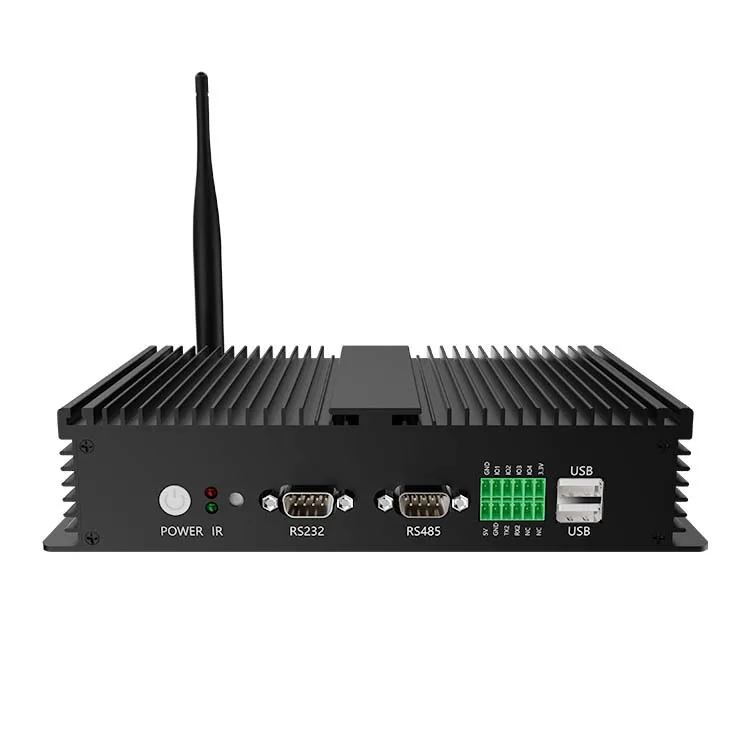
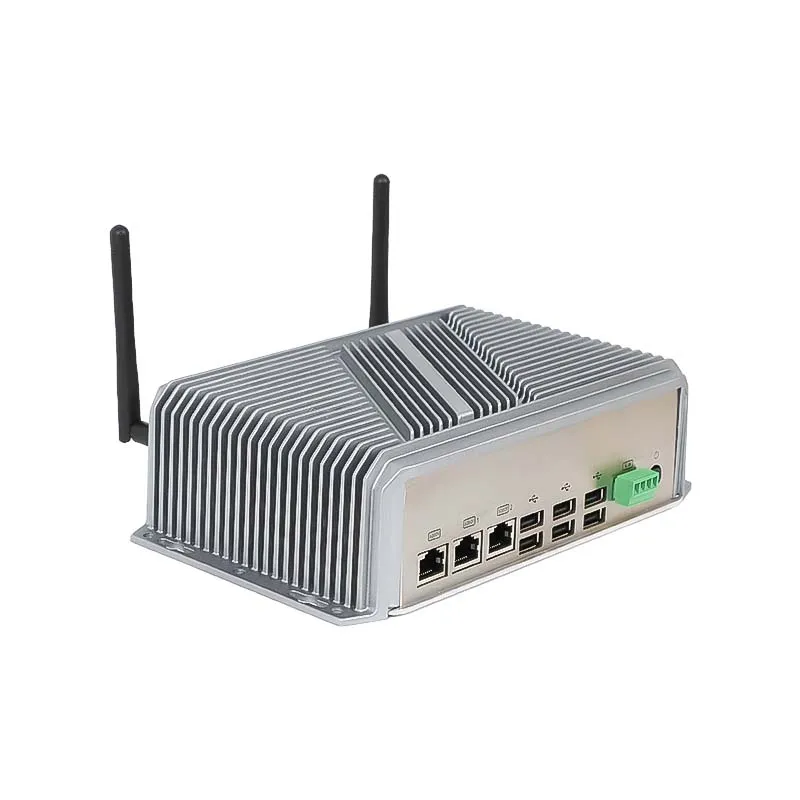
Standard communication interfaces encompass:
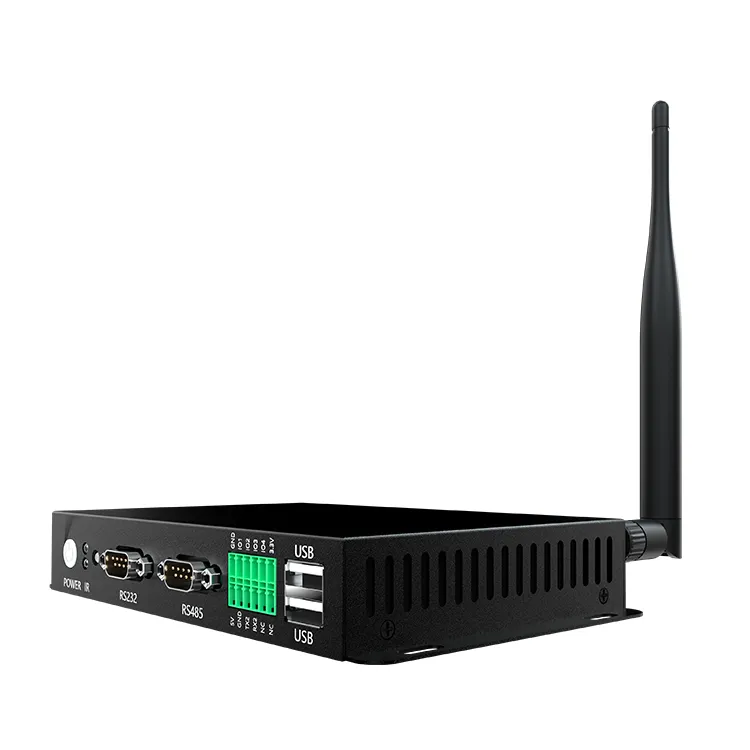
RS232
RS485
Ethernet
USB
HDMI
GPIO
These interfaces facilitate integration with:
PLC controllers
Sensor devices
SCADA systems
Industrial computing platforms
Remote monitoring solutions
Primary Applications within Water Treatment Facilities
Industrial touchscreen monitorsserve critical functions in:
Wastewater Treatment Operations
Pump performance monitoring
Flow rate regulation
Chemical treatment processes
Water Purification Operations
Filtration system management
Water quality assessment
Operational equipment oversight
Industrial Automation Systems
PLC operational interfaces
SCADA data visualization
Operational performance tracking
Remote and Isolated Facilities
Unattended surveillance terminals
External control enclosures
Specialized Touchscreen Solutions for Water Treatment Operations
Water treatment facilities frequently necessitate tailored display configurations, encompassing the following components:
Integrated Panel PC technology
Dimensionally customized screen formats
Compatibility with Android, Linux, and Windows platforms
Supplementary communication interface modules
Specialized mounting configurations
Comprehensive OEM/ODM customization services
A purpose-built industrial touchscreen monitor delivers superior alignment with distinct operational equipment specifications and environmental conditions.
Optimal touchscreen monitors for water treatment facilities must demonstrate robust construction, waterproof capabilities, corrosion resistance, and engineering for sustained industrial deployment.
Essential specifications including IP65 environmental protection ratings, passive thermal management systems, industrial-grade connectivity interfaces, reinforced structural components, and dependable tactile responsiveness establish industrial touchscreen monitors as the preferred solution for water treatment automation infrastructure.