RK3576 Motherboard PCBA Design and Custom OEM/ODM Services
Apr 27,2026
The Next-Gen RK3588 Core board
Powerful, AI-Driven, High-Performance.Shop Now>




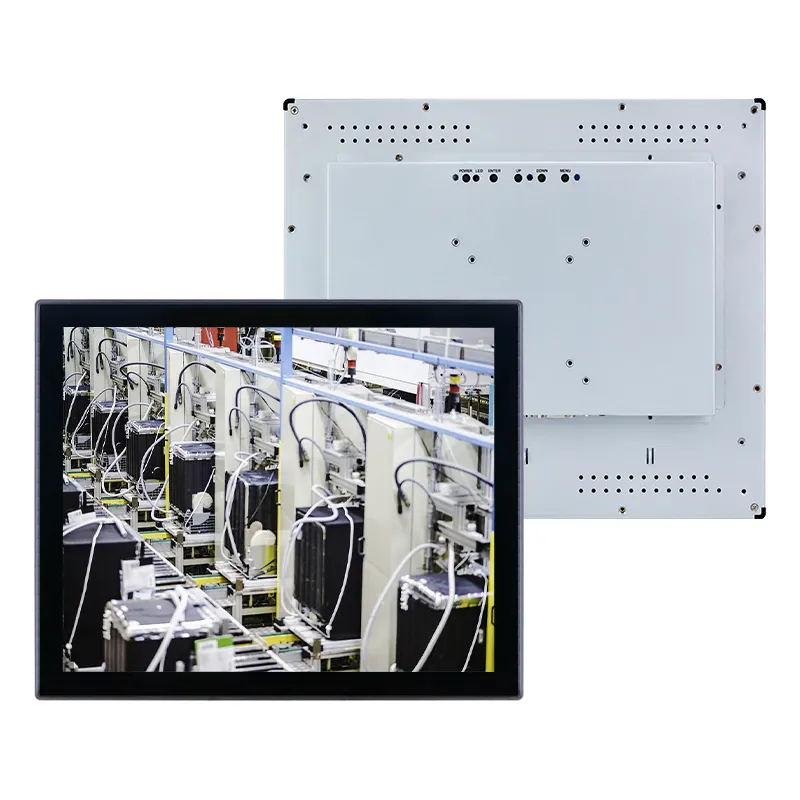
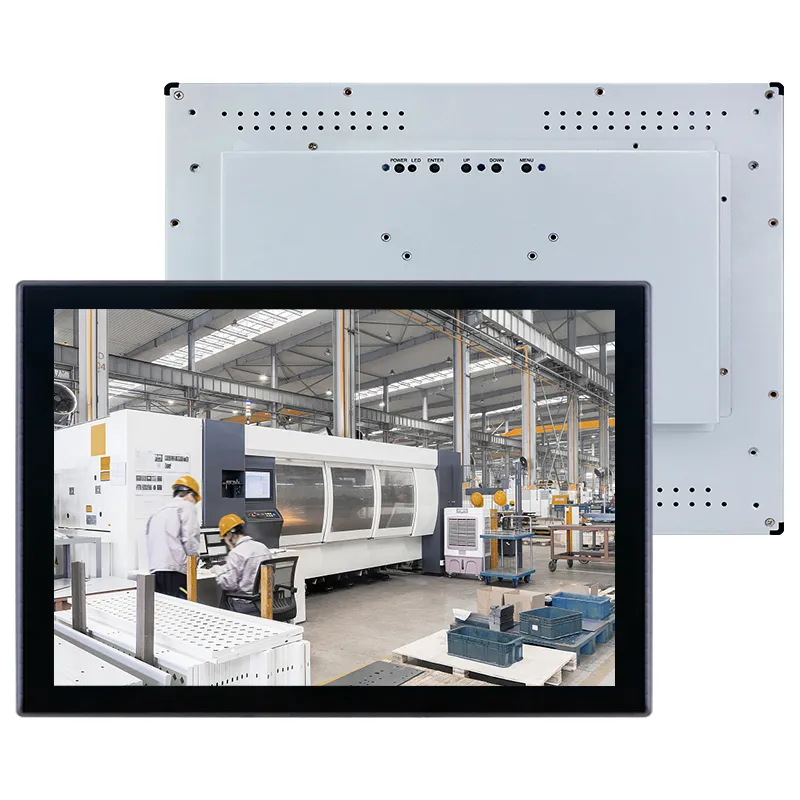
An industrial touchscreen monitor customization manufacturer is an enterprise that engineers and manufactures touchscreen display systems tailored to meet a client's distinct specifications encompassing hardware architecture, software functionality, mechanical configuration, interface requirements, and deployment methodology.
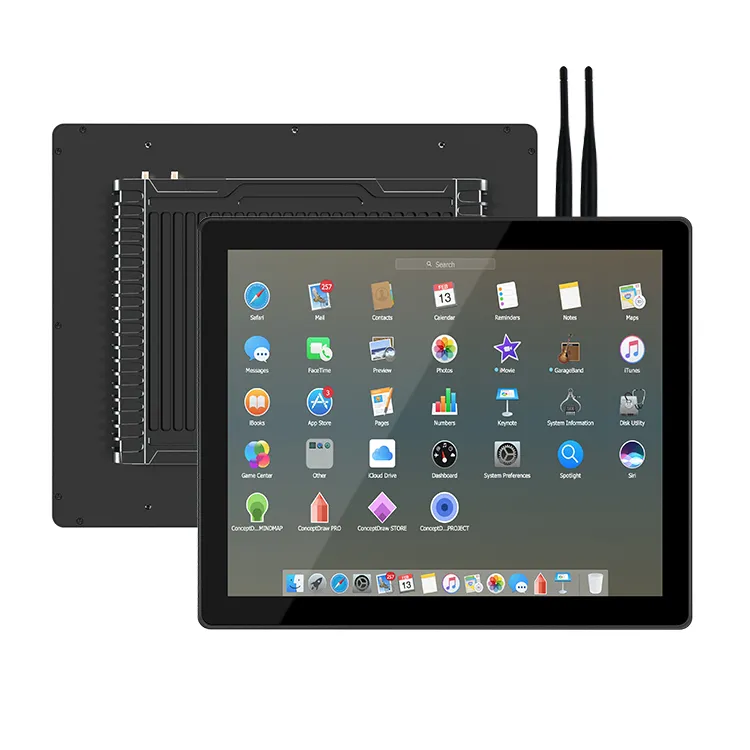
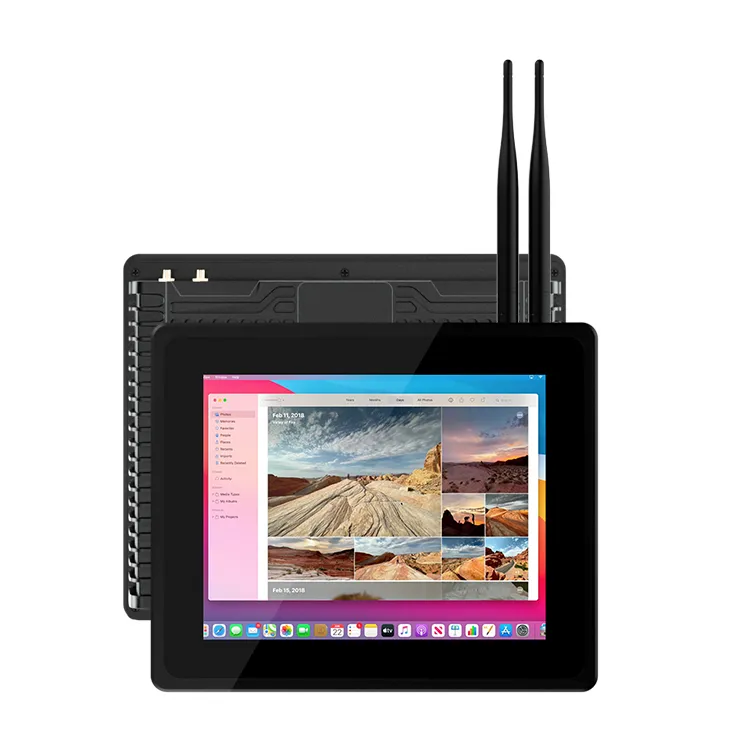
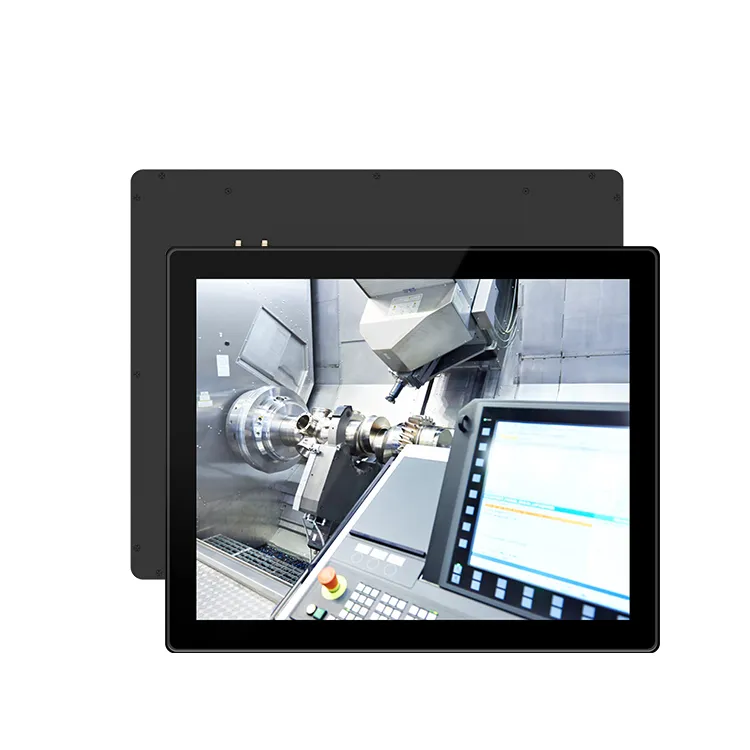
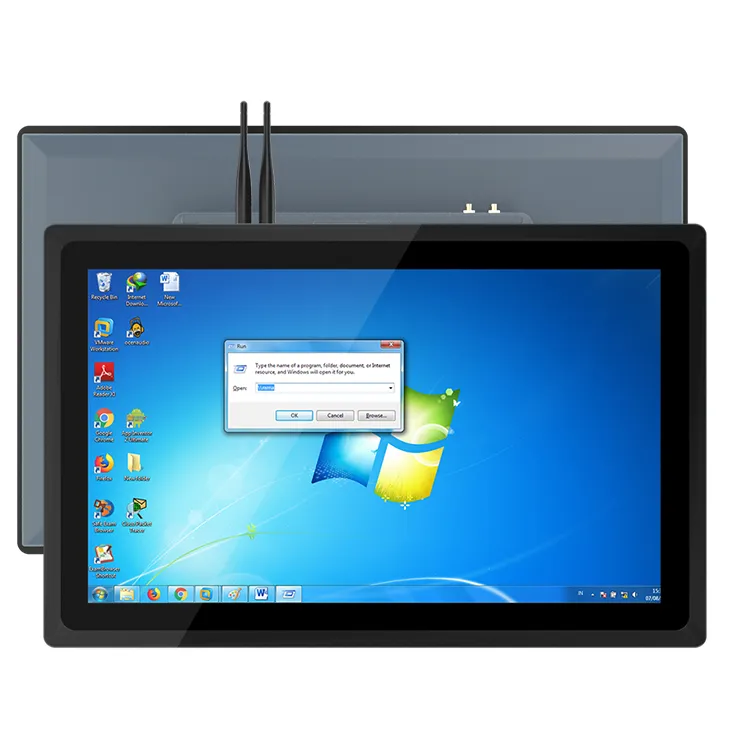
Distinguished from conventional commercial monitors, customized industrial touchscreen monitors are engineered for seamless incorporation into machinery, control systems, interactive kiosks, medical devices, transportation infrastructure, and comparable specialized applications.
For original equipment manufacturers and system integration firms, engaging directly with a customization manufacturer can streamline the product development process and afford enhanced oversight of the resulting system architecture.
What Elements Can Be Customized on an Industrial Touchscreen Monitor?
Industrial touchscreen customization encompasses considerably more than aesthetic modifications such as branding elements.
Contingent upon project specifications, manufacturers can customize the display technology, touch interface, processing unit, housing structure, connectivity options, mounting apparatus, operating system platform, and application software.
Display and Touchscreen Technology
The display configuration can be selected in accordance with the intended application. Typical customization parameters include:
Screen dimensions
Pixel resolution
Display luminosity
Optical viewing range
Touch interface methodology
Touch responsiveness calibration
Protective glass layer
Reflection reduction coating
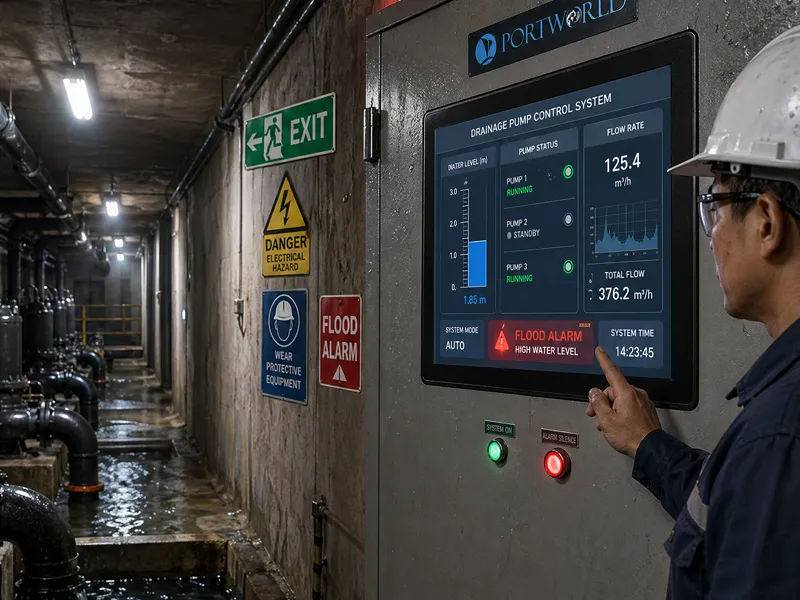
For equipment deployed in outdoor environments, elevated brightness levels and enhanced optical characteristics may be necessary. For industrial manufacturing applications, structural resilience and consistent touch functionality may constitute primary considerations.
Enclosure and Mechanical Design
A customized touchscreen monitor frequently requires integration into a particular machine or cabinet configuration.
Manufacturers possess the capability to adjust:
Bezel proportions
Mounting apertures
Panel opening specifications
Enclosure composition
Support structures
Interface attachment locations
Cable management pathways
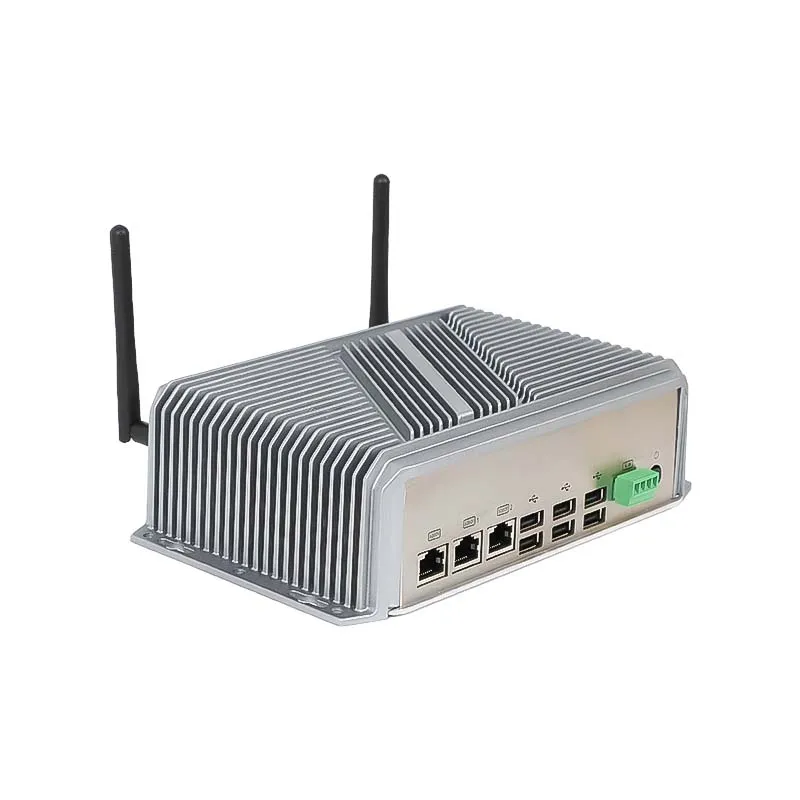
Aluminum alloy represents a preferred material selection for industrial applications due to its capacity to deliver structural integrity while facilitating passive thermal management.
Industrial Interface Customization
Interface compatibility constitutes a principal distinction between consumer-grade and industrial-grade touchscreen monitors.
An original equipment manufacturer initiative may necessitate connectivity options including:
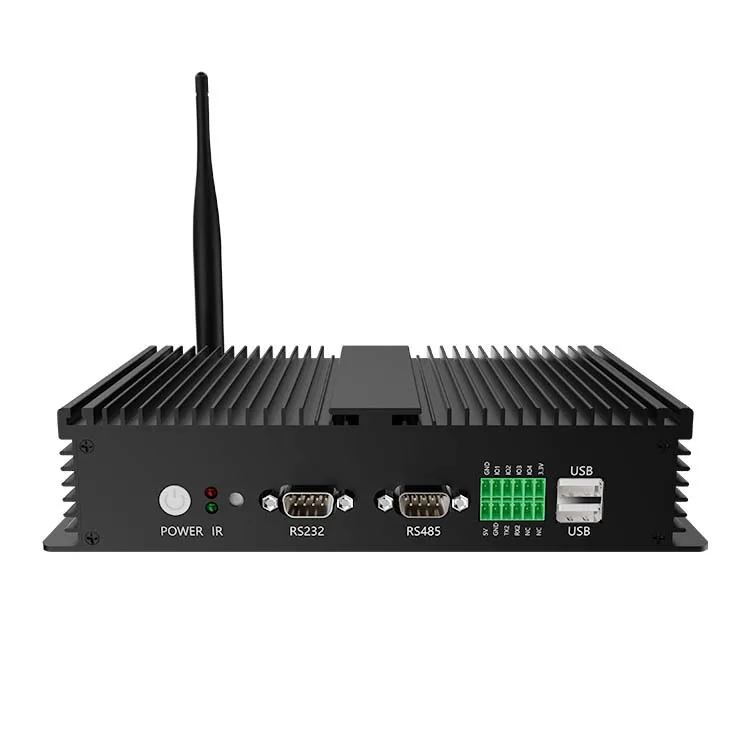
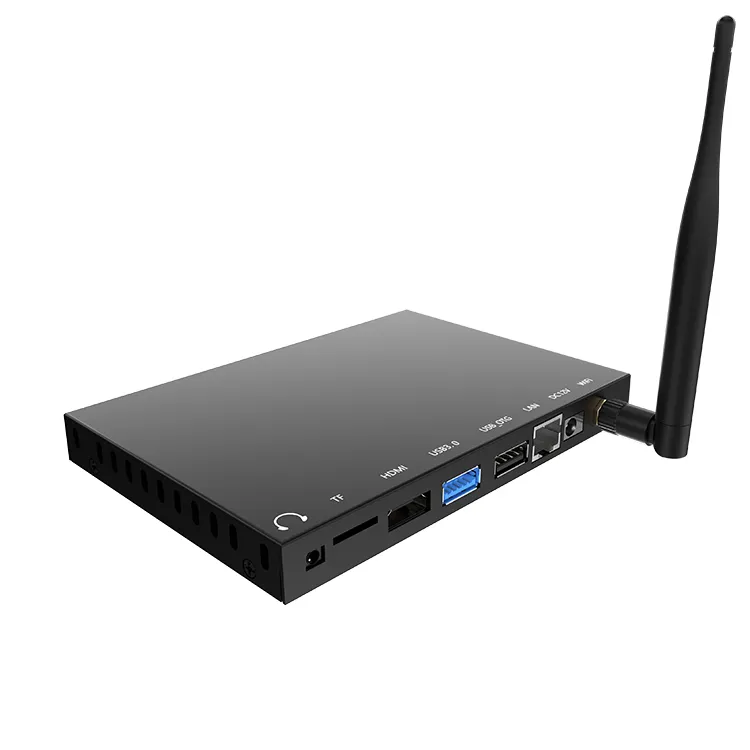
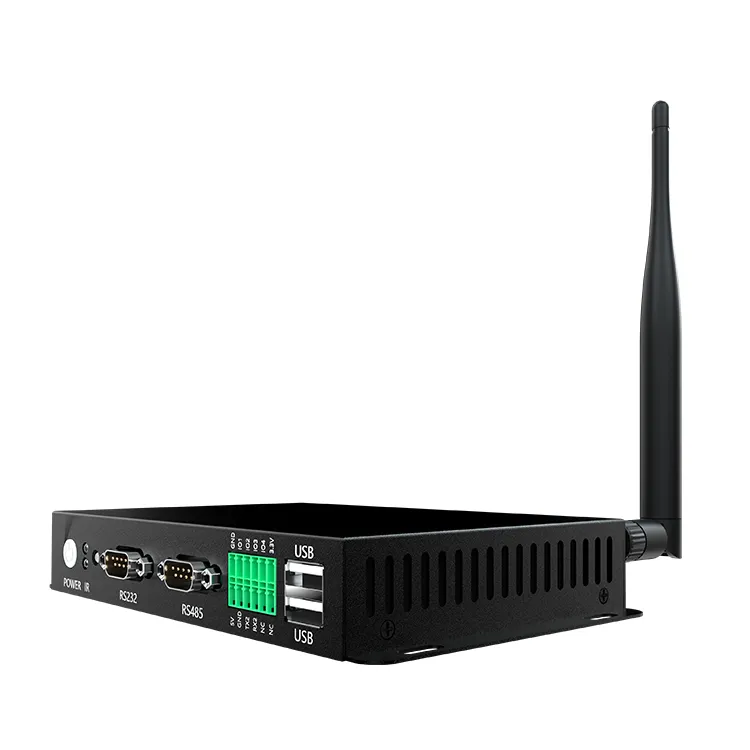
RS232, RS485, CAN, Ethernet, USB, HDMI, GPIO, or supplementary application-specific input/output configurations.
These connectivity solutions enable the touchscreen apparatus to establish communication with programmable logic controllers, sensing devices, industrial computing systems, control mechanisms, and supplementary apparatus.
Rather than implementing numerous separate conversion devices, a proficient manufacturer can incorporate the necessary connectivity specifications directly into the foundational hardware architecture.
This methodology can diminish setup requirements and enhance the dependability of the integrated system.
Operating System and Software Customization
Certain industrial touchscreen monitors function as display-only units, whereas others incorporate a fully integrated embedded computing system.
Panel PC implementations may necessitate the following operating systems:
Android
Linux
Ubuntu
Debian
Windows
Software customization encompasses system configuration, boot parameters, pre-loaded applications, automated application initialization, application programming interfaces, software development kits, and device drivers.
Within an original equipment manufacturer context, these capabilities enable the touchscreen computer to launch directly into the customer's proprietary application rather than functioning as a standard consumer-grade device.
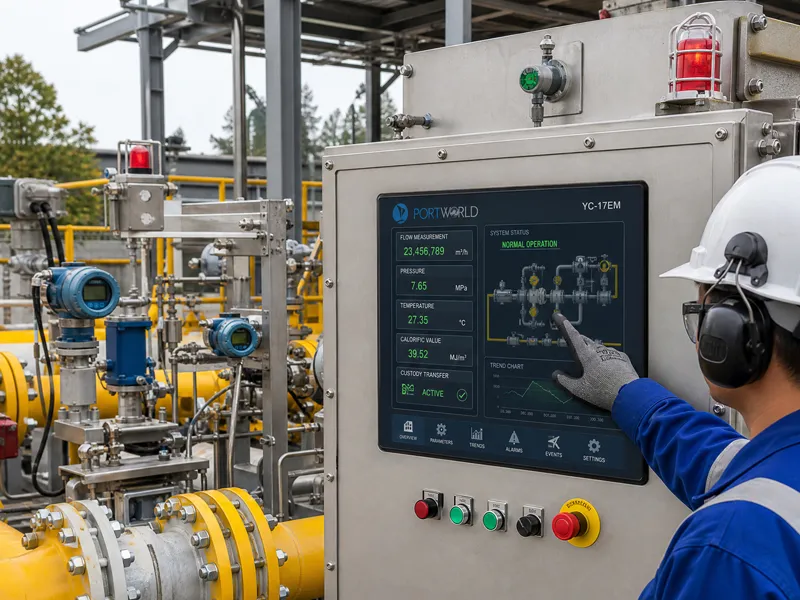
Advantages of Selecting a Custom Industrial Touchscreen Manufacturer
Customization delivers substantial value when conventional products fail to satisfy the operational or functional specifications of a particular application.
For instance, an equipment manufacturer may require a 10.4-inch touchscreen featuring a specialized panel aperture, RS485 communication capability, a customized Linux operating system, and a particular interface configuration.
Procuring a standard monitor and executing independent modifications can necessitate considerable engineering effort.
A dedicated manufacturer can integrate the display, touch interface controller, processing unit, housing, connectivity options, and software architecture as a unified solution.
This approach can facilitate accelerated development cycles and streamline vendor coordination.
Customization Considerations for Diverse Industrial Settings
Prior to finalizing hardware specifications, the operational environment must be thoroughly evaluated.
In environments characterized by dust or moisture, procurement may necessitate a hermetically sealed front panel coupled with an appropriate ingress protection classification.
For applications deployed outdoors, the initiative may demand enhanced display brightness, anti-reflective glazing, temperature-resilient components, or reinforced structural safeguards.
Within manufacturing facilities, priorities may encompass resistance to vibration, passive cooling mechanisms, industrial-grade connectivity standards, and continuous operational capability throughout all hours.
For medical or commercial applications, emphasis may transition toward hygienic enclosure architecture, precise touch responsiveness, superior visual presentation, and application-specific mounting solutions.
Optimal customization strategy should be determined by the genuine operational context rather than indiscriminately maximizing specifications across all constituent elements.
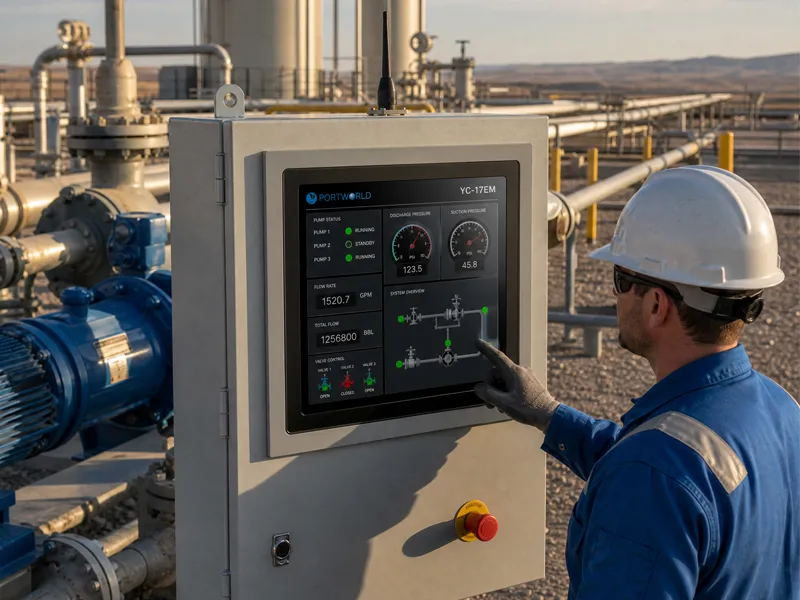
OEM versus ODM Approaches to Industrial Touchscreen Customization
OEM and ODM represent distinct yet interconnected methodologies.
OEM customization proves advantageous when the customer possesses an established product design or technical specification. The manufacturer fabricates the industrial touchscreen in accordance with those predetermined parameters.
ODM customization proves advantageous when the customer requires technical expertise to establish or refine the product. The manufacturer can provide contributions spanning hardware architecture, mechanical engineering, software development, and comprehensive system design.
For organizations undertaking the development of novel industrial machinery or terminal systems, ODM assistance can substantially diminish the engineering resources demanded internally.