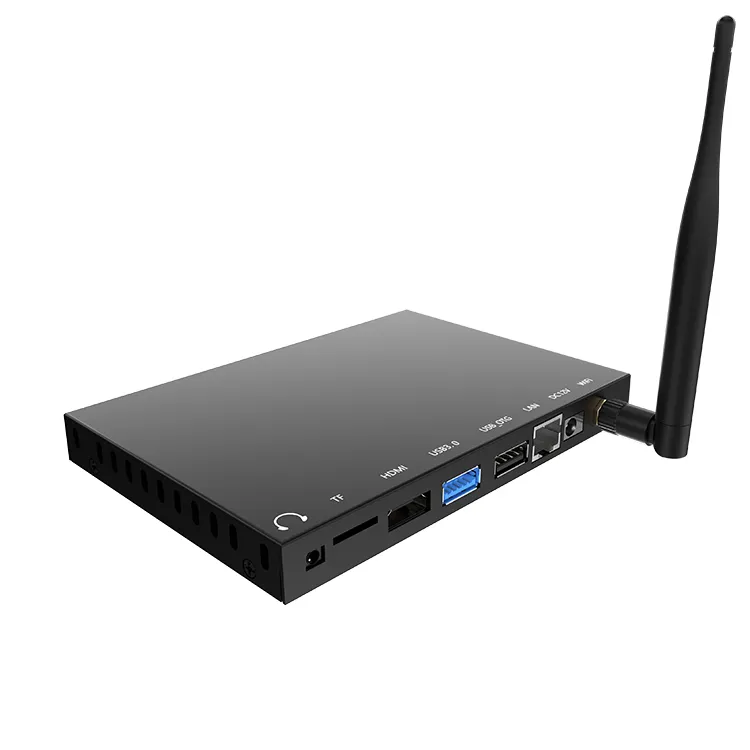
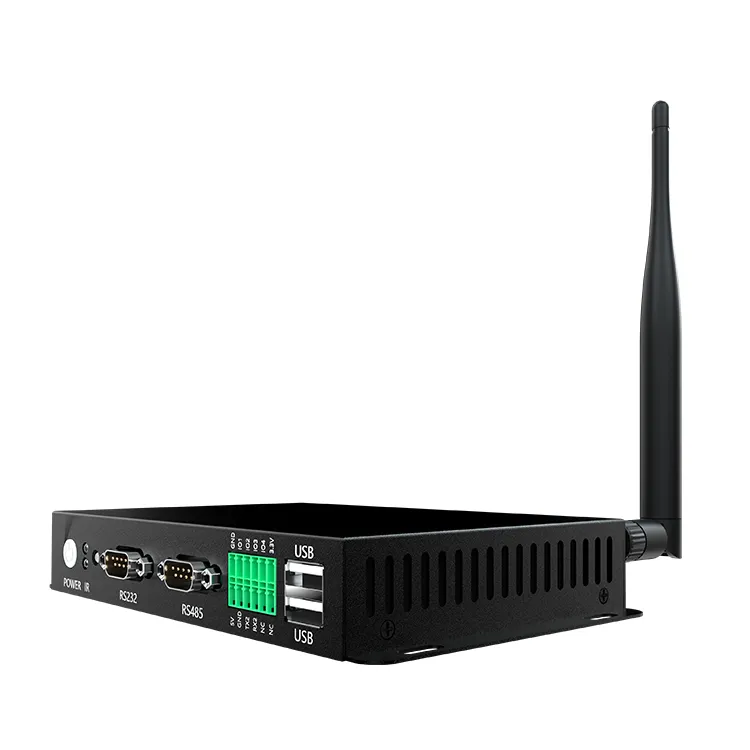
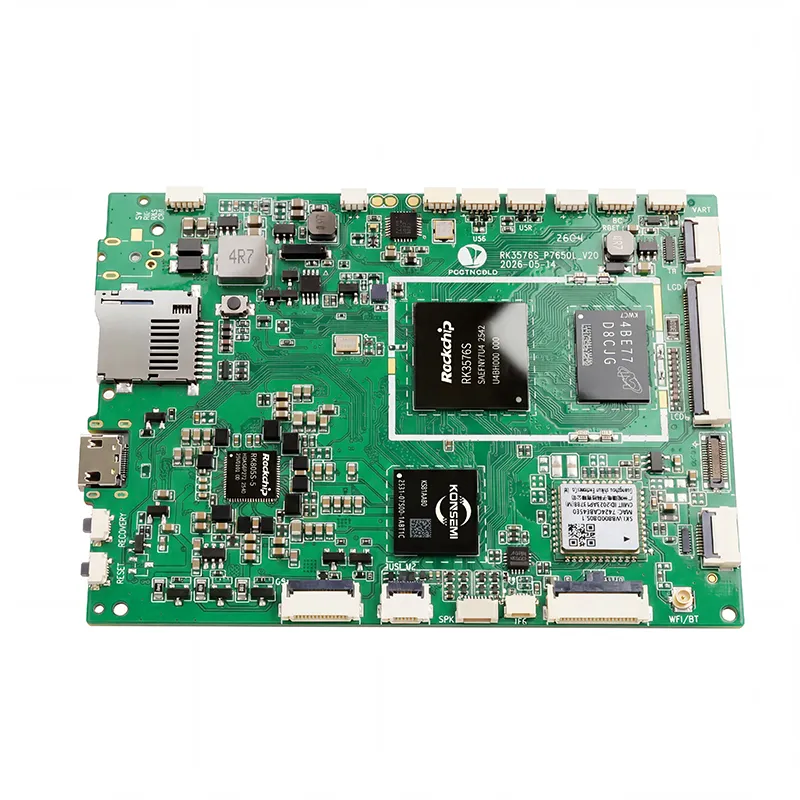
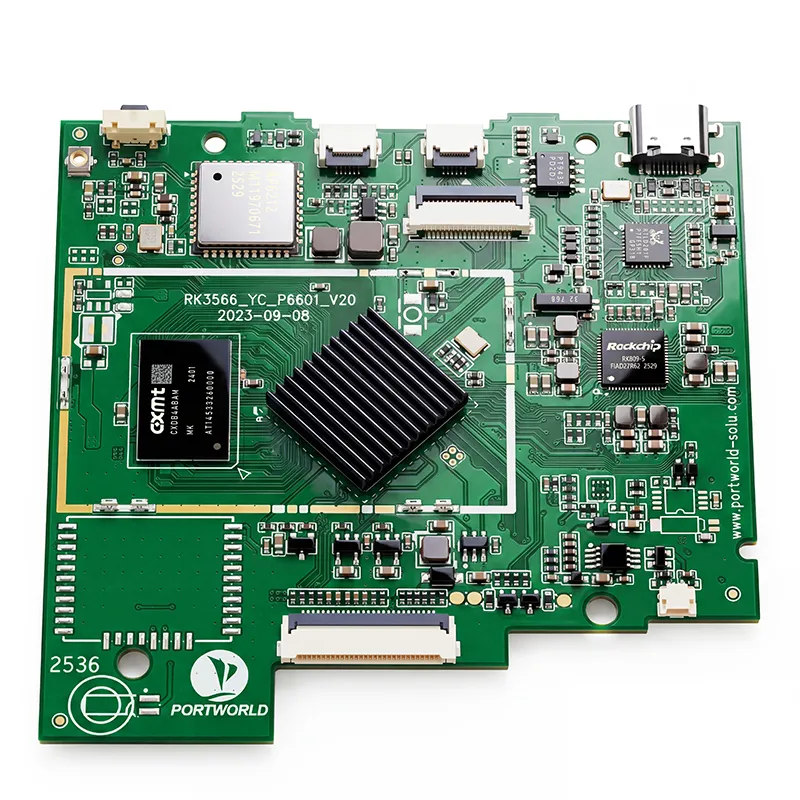
RK3576 Motherboard PCBA Design and Custom OEM/ODM Services
Apr 27,2026
The Next-Gen RK3588 Core board
Powerful, AI-Driven, High-Performance.Shop Now>




Selecting an appropriate operating system represents a fundamental consideration during the development of embedded computing products. Certain applications necessitate the adaptability of Linux for system-level development and industrial integration, whereas others derive advantages from Android's comprehensive application ecosystem and intuitive touch-based interface. For hardware developers, a platform capable of supporting diverse software requirements delivers enhanced flexibility throughout the product development lifecycle.
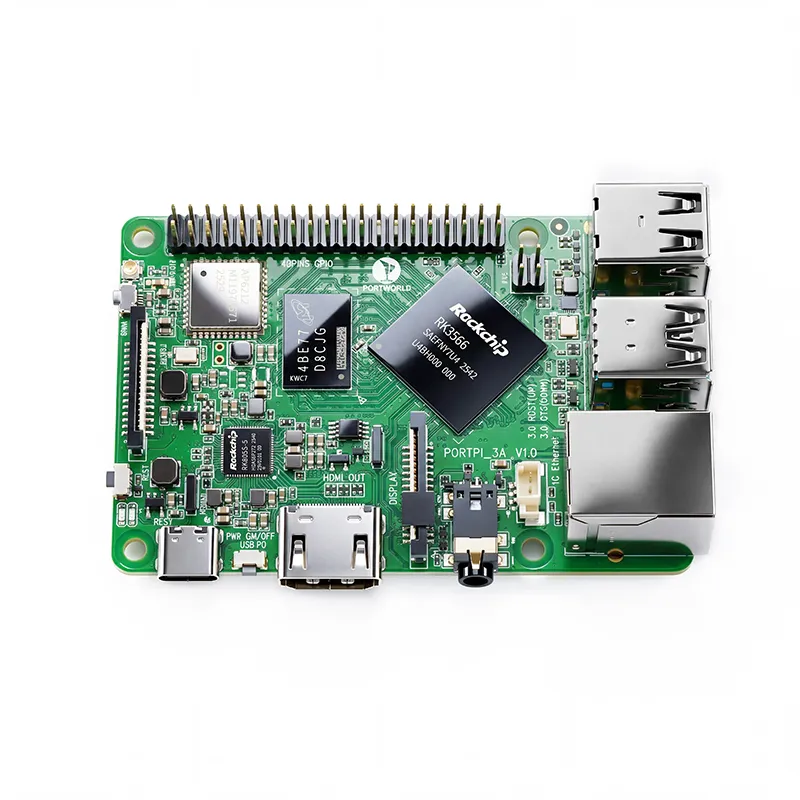
The PortPi 3A Single Board Computer, equipped with the Rockchip RK3568 processor, delivers a hardware foundation for embedded computing initiatives where operating system selection, peripheral integration, and application customization hold significance. It may be evaluated for Android- or Linux-based implementations, contingent upon the software images and support available for the chosen hardware configuration.
Why Operating System Flexibility Proves Essential in Embedded Development
Embedded devices are engineered to perform designated functions, and their operating systems must align with those specifications.
Linux maintains extensive adoption in industrial gateways, IoT devices, embedded controllers, and network-enabled equipment. Its adaptable system architecture enables developers to customize the kernel, services, drivers, and application software to meet particular product requirements. Contingent upon the software distribution and board support package, developers may implement distributions including Debian, Ubuntu, or Buildroot-based systems.
Android demonstrates suitability for interactive terminals and intelligent devices requiring a graphical user interface, touch functionality, multimedia features, and Android application interoperability. It proves advantageous when a project incorporates existing Android applications or demands a conventional app-centric interaction methodology.
For an embedded product manufacturer, determining the operating system at an early stage facilitates the definition of software architecture, development effort, update methodology, and sustained maintenance obligations.
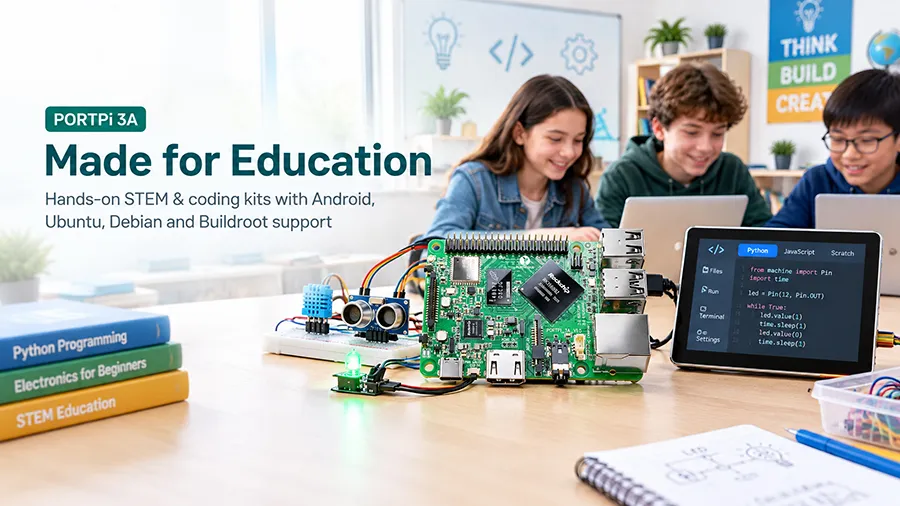
Android represents a viable platform for embedded systems that emphasize interactive user interfaces and advanced graphical capabilities. When deployed on a compatible RK3568 architecture, developers are able to create Android-based solutions tailored for intelligent terminals, learning platforms, digital signage systems, and comparable consumer-oriented applications.
Standard implementation activities typically encompass the integration of user interface components, modification of display dimensions and tactile input mechanisms, establishment of peripheral device configurations, and refinement of system initialization procedures. Prior to commercial release, developers must validate the Android iteration, GPU acceleration support, driver accessibility, and interoperability of essential software components.
The specific Android releases and corresponding capabilities applicable to PortPi 3A require verification through Portworld documentation for your intended use case prior to commencing development efforts.
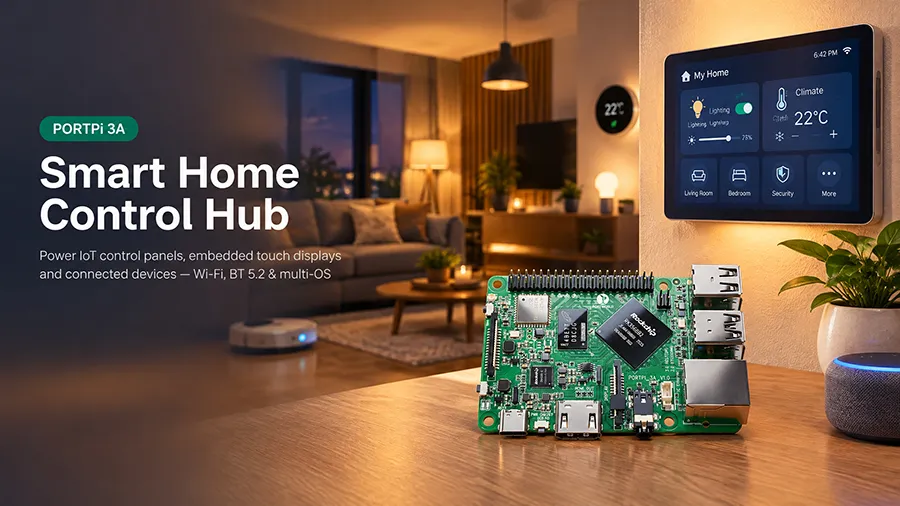
PortPi 3A and Linux Compatibility
Linux constitutes an excellent alternative for embedded applications requiring deep system-level modifications, communication infrastructure, hardware management, or compatibility with pre-existing technological frameworks.
On an appropriately configured RK3568 platform, Linux-based development encompasses kernel customization, device-tree configuration, hardware driver implementation, network setup, system service administration, and deployment of custom applications. Developers possess the capability to architect implementations spanning from minimal-resource IoT connectivity solutions to sophisticated graphical systems for industrial environments.
The appropriate distribution selection is contingent upon the intended use case:
Debian: Advantageous for universal embedded applications and development environments that leverage robust package management systems.
Ubuntu: Merits consideration for implementations that depend on Ubuntu-centric development utilities, software libraries, and operational workflows.
Buildroot: Beneficial for constructing lightweight, specialized Linux distributions featuring a restricted package inventory and customized filesystem architecture.
These represent prevalent Linux development methodologies applicable to embedded systems; however, they do not constitute assurance that all distributions are obtainable as pre-configured PortPi 3A images. It is essential to verify the available supported images, compatible kernel iterations, and corresponding driver support prior to finalizing your technology selection.
Android vs. Linux: Which Should You Choose?
Development requirement | Android | Linux |
|---|---|---|
Touchscreen applications | Well suited to app-oriented interfaces | Suitable with an appropriate GUI framework |
Existing Android apps | Preferred when compatibility is required | Requires a compatible Linux implementation or alternative app |
System-level customization | Possible, depending on build access | Often offers extensive control over system components |
Industrial communication | Depends on available APIs and drivers | Commonly used for customized communication services |
Lightweight, purpose-built system | Depends on the Android build | Buildroot and other tailored distributions may be suitable |
Development priorities | Application experience and Android compatibility | System integration and application-specific configuration |
Neither operating system is universally better. The appropriate choice depends on the required user experience, peripheral support, application dependencies, performance targets, and maintenance plan.
From Software Development to Customized Hardware
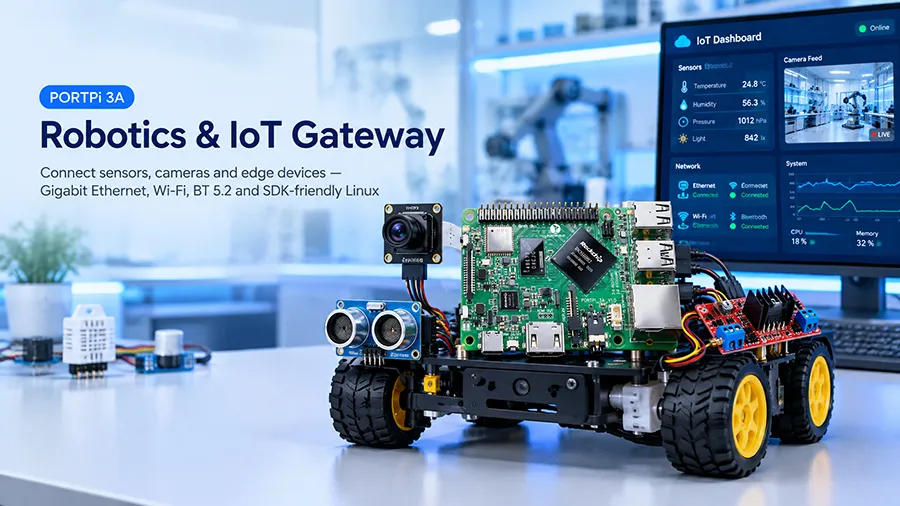
Operating system compatibility represents merely a single component of a comprehensive embedded product solution. Development teams must additionally verify Ethernet connectivity, USB protocols, display interfaces, serial communication channels, storage systems, power specifications, and other application-specific peripheral components.
Portworld delivers OEM/ODM solutions for embedded hardware and motherboard initiatives. Contingent upon the platform architecture and project parameters, these solutions may encompass hardware configuration, PCBA or motherboard modification, operating system customization, interface connectivity, and production readiness preparation.
For organizations manufacturing smart terminals, IoT gateways, educational platforms, or industrial control systems, aligning hardware and software specifications concurrently can mitigate integration challenges and facilitate the establishment of a more dependable progression from development phase to commercial-scale manufacturing.
The PortPi 3A, based on the Rockchip RK3568, offers a platform to evaluate for embedded computing projects that need flexible hardware and software integration. Android can suit interactive, application-focused devices, while Linux can support highly configurable embedded systems and industrial applications.