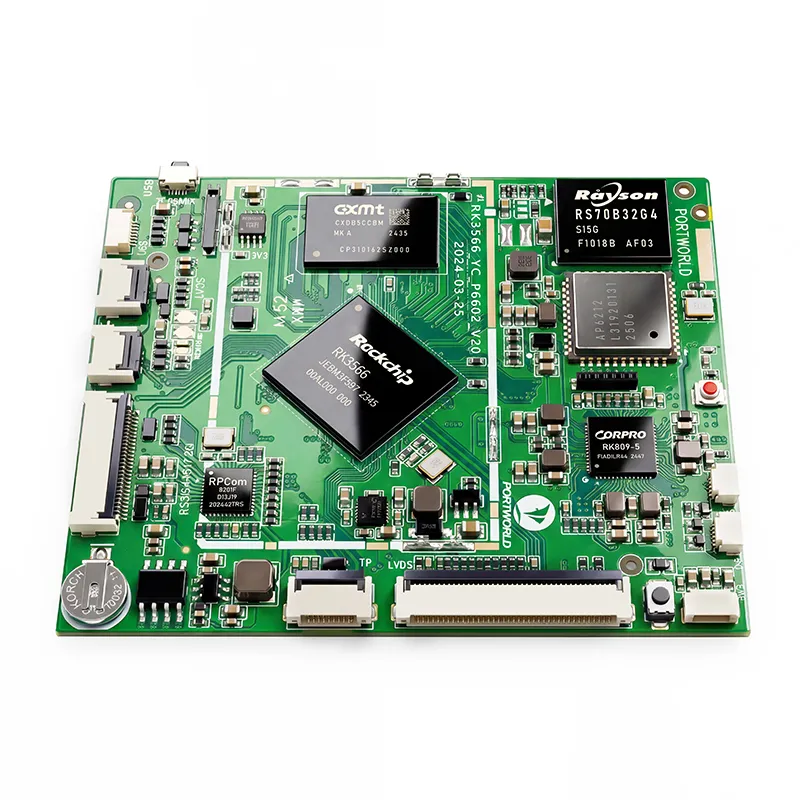
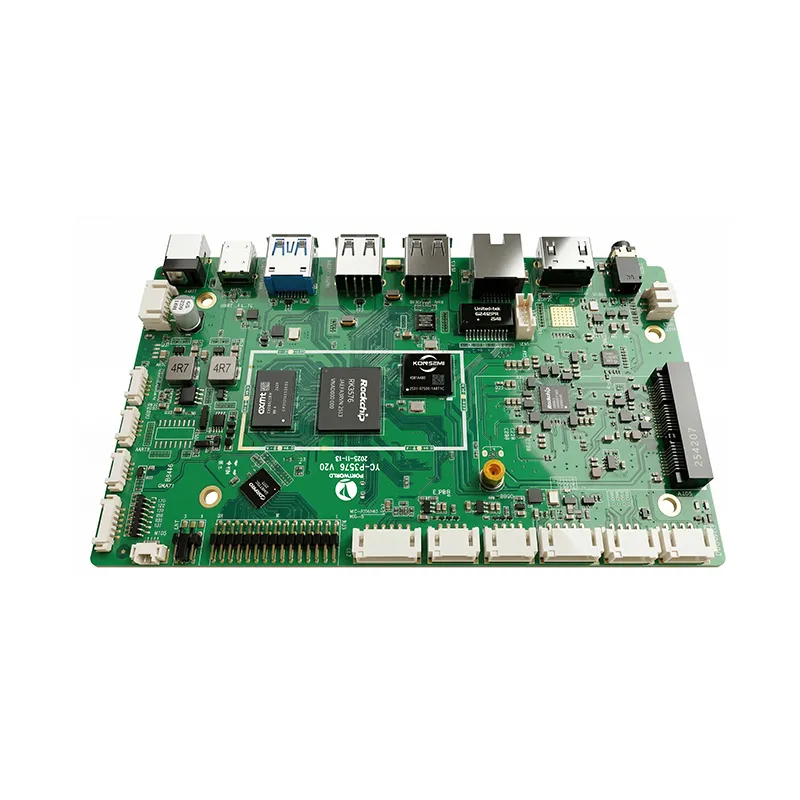
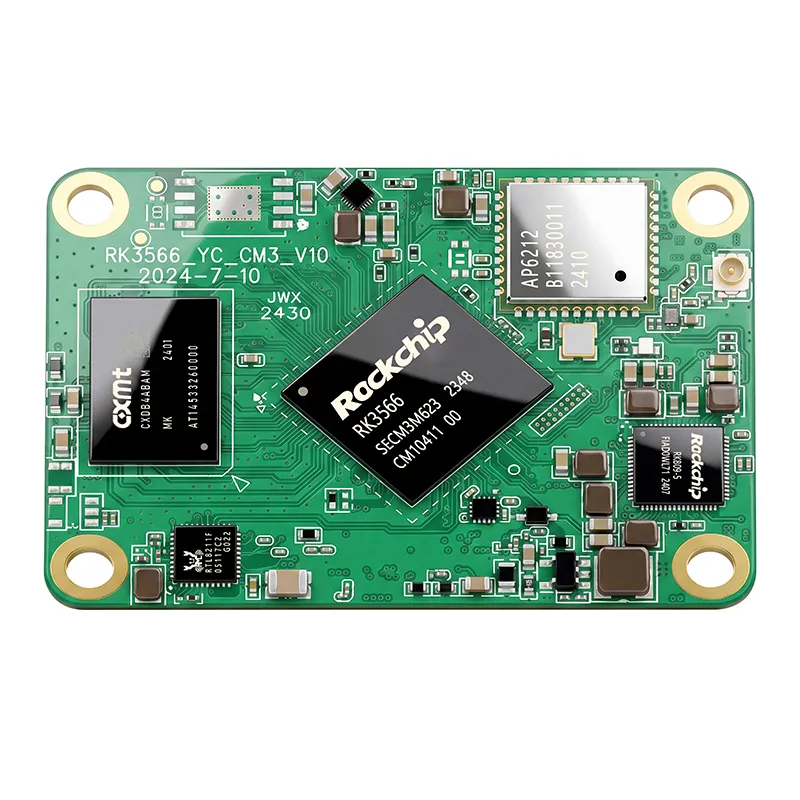

RK3576 Motherboard PCBA Design and Custom OEM/ODM Services
Apr 27,2026
The Next-Gen RK3588 Core board
Powerful, AI-Driven, High-Performance.Shop Now>




Embedded Linux development necessitates a hardware platform that establishes equilibrium among computational performance, software adaptability, interface compatibility, and sustained availability. Spanning industrial control systems and IoT gateways to robotics and intelligent devices, developers require a compact computing solution capable of facilitating both expedited prototyping and enterprise-grade customization.
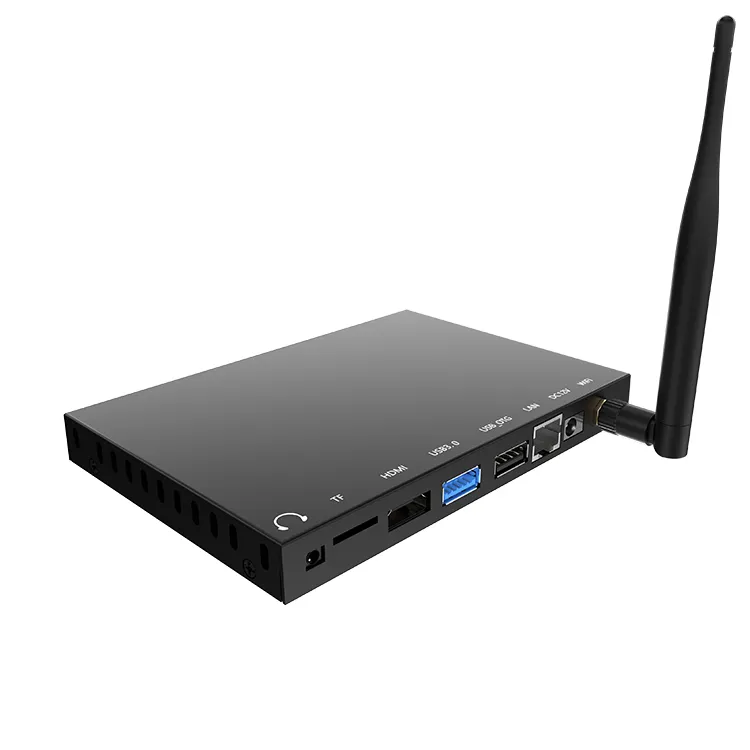
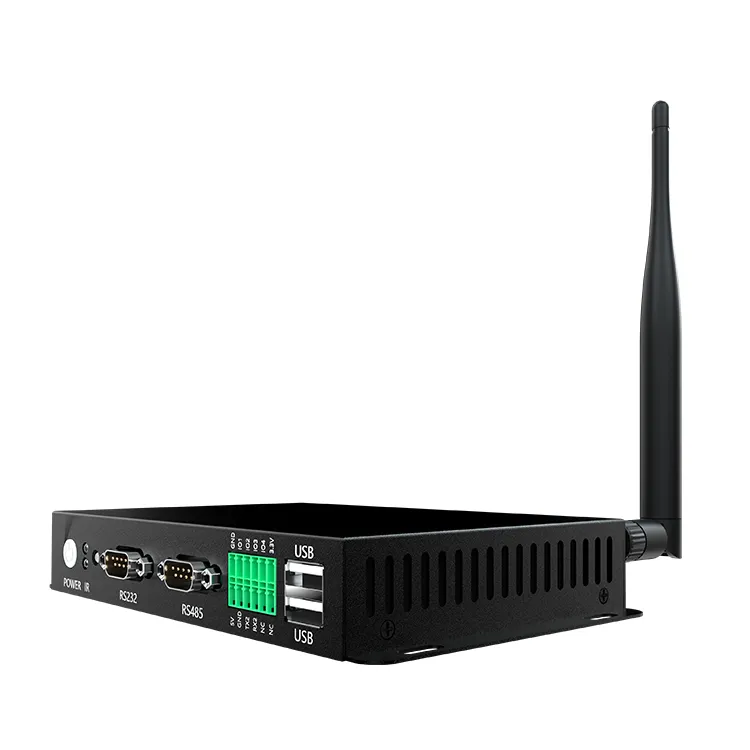
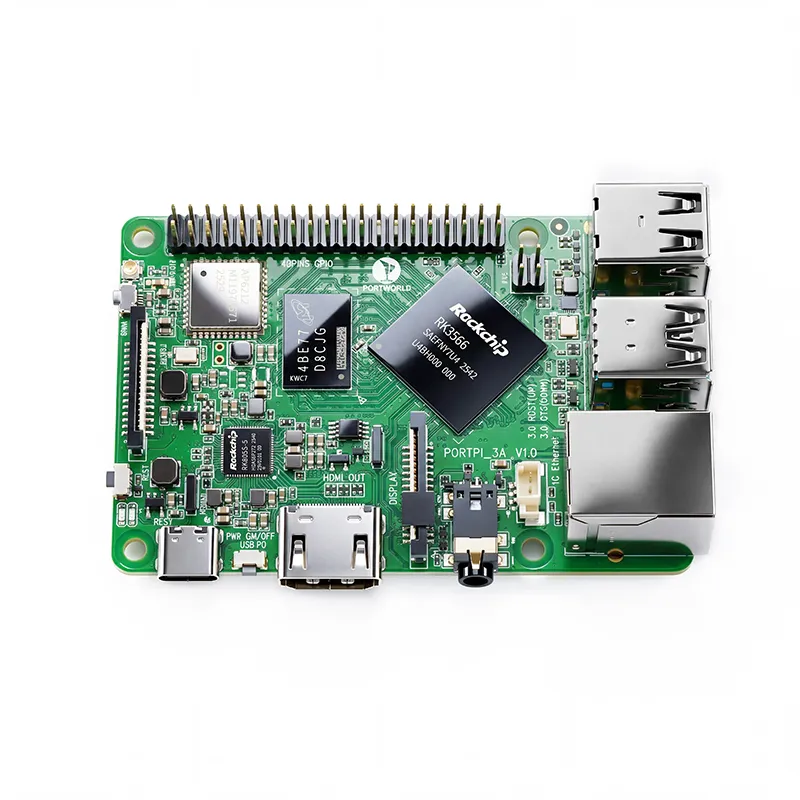
The PortPi 3A Single Board Computer (SBC), leveraging the Rockchip RK3568 processor, delivers a versatile foundation for embedded Linux development. Engineered for embedded computing and hardware integration, it furnishes a dependable base for developers constructing specialized Linux-based systems and industrial implementations.
Why Select a Single Board Computer for Embedded Linux Development?
A single board computer consolidates the processor, memory, storage interfaces, and peripheral connectivity into one streamlined board. In contrast to developing a motherboard independently, an SBC substantially diminishes preliminary hardware development requirements and facilitates engineering teams in progressing expeditiously from conceptual validation to operational prototypes.
For embedded Linux initiatives, hardware compatibility constitutes merely one component of the comprehensive framework. Developers must additionally evaluate kernel compatibility, device drivers, peripheral interfaces, boot mechanisms, system reliability, and the capacity to configure the operating system according to specific product requirements.
The Rockchip RK3568 architecture demonstrates suitability across diverse embedded computing applications, encompassing industrial IoT, intelligent terminals, connected devices, and automated control systems. Through appropriate software implementation and peripheral architecture, a platform utilizing this processor can function as the computational foundation of a specialized embedded solution.
PortPi 3A: An RK3568-Powered Single Board Computer for Embedded Linux Applications
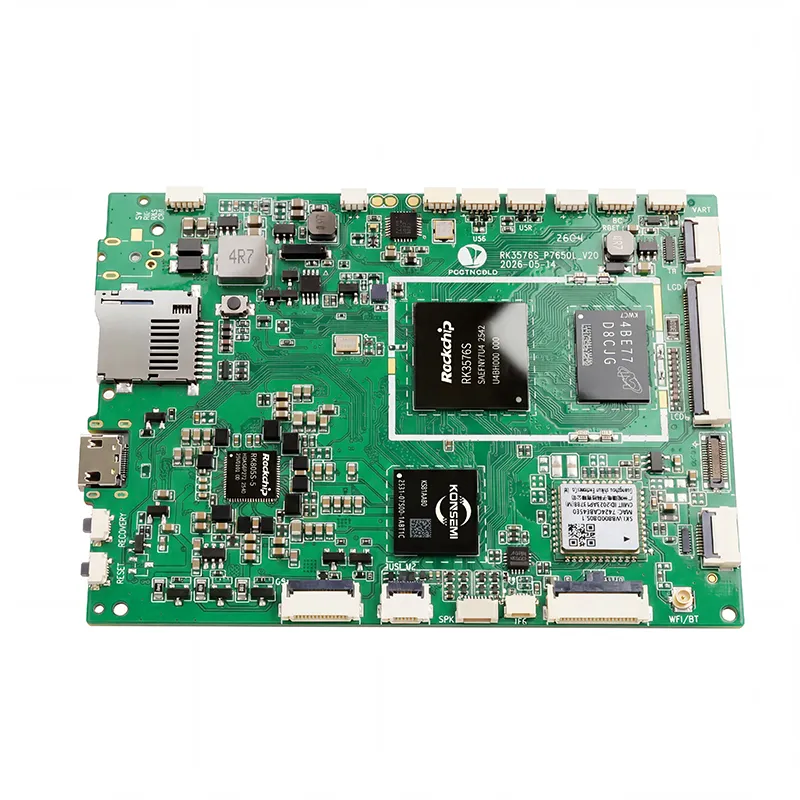
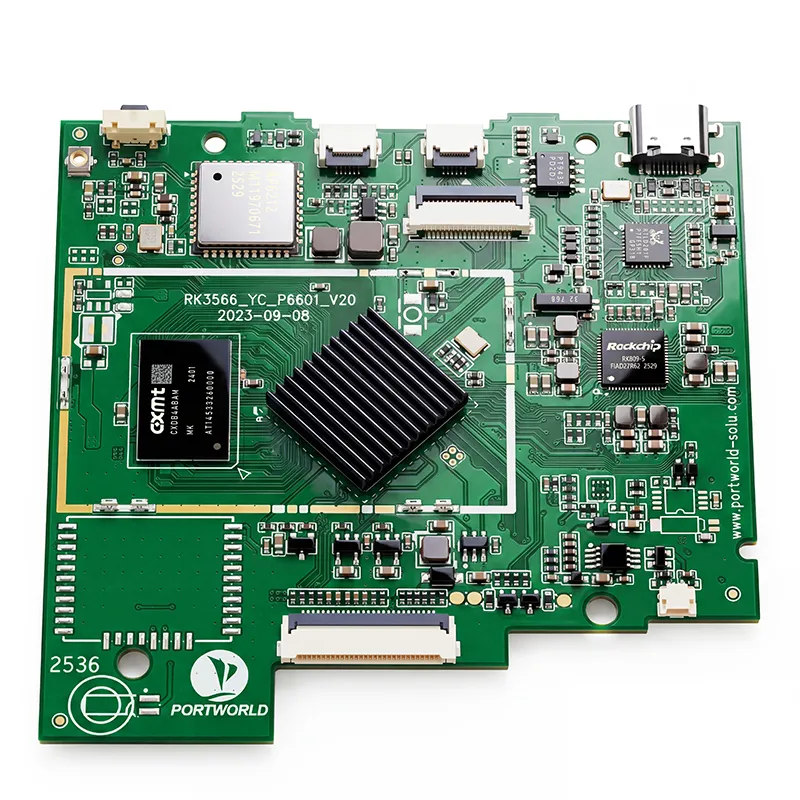
PortPi 3A represents a single board computer engineered by Portworld specifically for embedded computing and specialized hardware implementations. Utilizing the Rockchip RK3568 processor as its foundation, this platform delivers a comprehensive solution for developers seeking to incorporate Linux-based computational capabilities into their proprietary devices.
The RK3568 is a quad-core ARM Cortex-A55 processor engineered for energy-efficient embedded applications. Its integration of computational performance, multimedia functionality, and interface connectivity renders it appropriate for initiatives requiring capabilities beyond standard microcontroller operations, including graphical user interfaces, on-site data analysis, networked communication, and software applications.
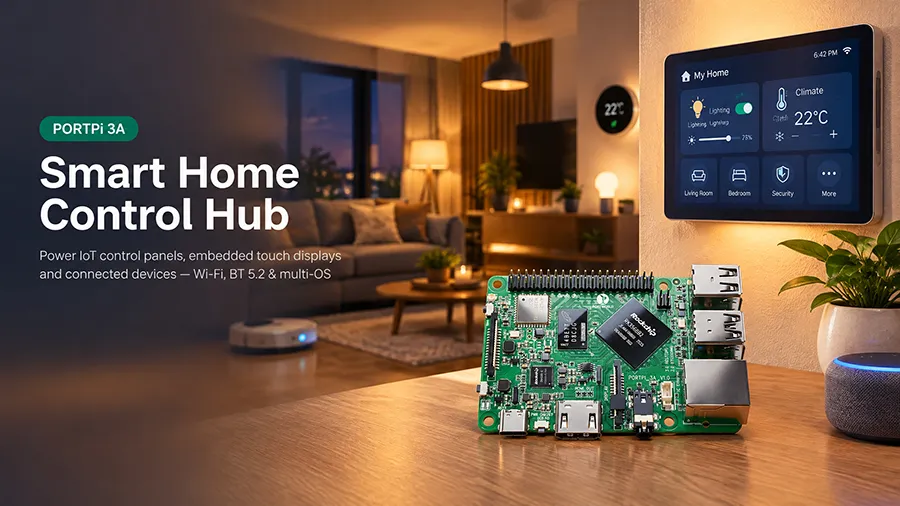
The PortPi 3A is well-suited for applications including embedded Linux control systems, Internet of Things gateways, intelligent educational platforms, robotic development initiatives, and commercial information display terminals. Its appropriateness for any given application is contingent upon the necessary communication interfaces, memory and storage specifications, Linux distribution selection, and device driver availability.
For commercial product development teams, a single-board computer can serve as a foundational platform for evaluating software architecture and application functionality prior to transitioning to proprietary circuit board assemblies or custom motherboard implementations.
Embedded Linux Development: From System Initialization to Application Deployment
A standard embedded Linux development initiative encompasses multiple phases. Initially, developers execute system initialization procedures, confirm startup sequences, and establish Linux kernel parameters and filesystem configuration. Subsequently, they perform validation testing on critical hardware components including network interfaces, universal serial bus connectivity, video output systems, serial data transmission, and supplementary application-specific hardware.
Upon successful establishment of the foundational platform, the development workflow progresses toward application integration. This phase may encompass a Qt-based graphical user interface, a streamlined control application, a data acquisition service, a locally-hosted web interface, or connectivity with distant servers and industrial apparatus.
For instance, an Internet of Things gateway may aggregate sensor information via serial communication channels and forward it through Ethernet connectivity. A sophisticated terminal may execute a Linux-based application featuring a touchscreen display interface. A robotics development initiative may leverage the board for system orchestration, data exchange, and application-layer computation.
The precise approach depends on the board's accessible hardware capabilities and the Linux software ecosystem available for the designated configuration. Development teams should validate kernel iterations, device-tree specifications, driver implementations, and compatible interfaces prior to finalizing a production-ready architecture.
PortPi 3A Applications in Industrial and Embedded Systems
The extensive adaptability of an RK3568-based single-board computer renders it applicable to numerous development contexts.
Within industrial Internet of Things environments, it functions as a viable computational foundation for gateways and networked devices that gather, analyze, and distribute operational data. For intelligent terminals, it can facilitate application software execution, on-site information presentation, and dynamic user engagement when suitable display and input mechanisms are incorporated.
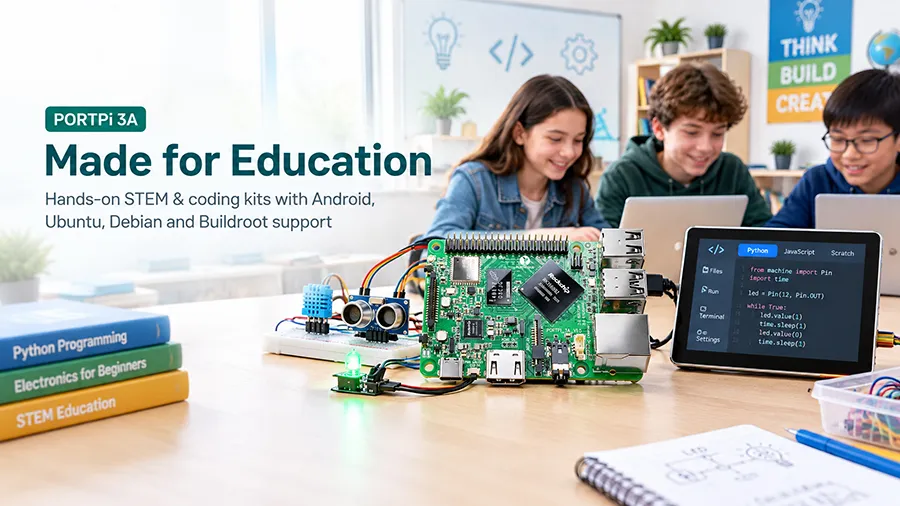
In robotics and maker communities, a single-board computer delivers enhanced computational capacity compared to conventional microcontroller platforms for executing Linux applications, managing networking protocols, and supporting sophisticated software frameworks. In educational technology contexts, it can facilitate embedded systems programming, Linux instruction, Internet of Things investigations, and physical device development.
These represent feasible application contexts rather than assurance that all interfaces or software functionalities are universally accessible across every PortPi 3A variant. Practical deployment should be substantiated through comprehensive product documentation and specific project parameters.
From Development Board to Customized Embedded Hardware
For numerous commercial initiatives, development continues beyond the point where the software prototype achieves functionality. The finished product may necessitate an alternative PCB configuration, specialized connectors, refined power distribution, supplementary communication protocols, a purpose-built housing, or a tailored Linux operating system image.
This is where partnering with a seasoned hardware development specialist proves invaluable. Portworld delivers OEM/ODM solutions for embedded hardware systems, encompassing motherboard and PCBA modification, system customization, and comprehensive product assembly in accordance with specific project parameters.
Based on the chosen platform and defined project scope, customization may encompass hardware specifications, operating system configuration, connectivity specifications, corporate identity elements, and readiness for high-volume production. Preliminary assessment of interface accessibility, software compatibility, operational conditions, and manufacturing objectives substantially mitigates the likelihood of costly revisions throughout the subsequent development phases.
For engineers assessing PortPi 3A, the fundamental consideration extends beyond merely confirming that a board can execute Linux; rather, it concerns whether its hardware and software architecture can adequately fulfill the requirements of the intended application during both development and operational deployment.
The PortPi 3A Single Board Computer, which utilizes the Rockchip RK3568 processor, provides an accessible foundation for embedded Linux development applicable to IoT applications, smart terminals, robotic systems, educational initiatives, and industrial computing environments.
Through the implementation of an SBC during the initial development phase and the early assessment of customization possibilities, engineering teams are able to develop and verify their applications prior to proceeding with a production-grade hardware design commitment.
For applications demanding a specialized embedded platform, Portworld offers assistance in identifying appropriate motherboard configurations and exploring OEM/ODM development pathways tailored to the specific technical specifications of your project.
Are you seeking an RK3568-based platform for your upcoming embedded Linux initiative? Reach out to Portworld to explore the PortPi 3A and discuss your hardware customization requirements.