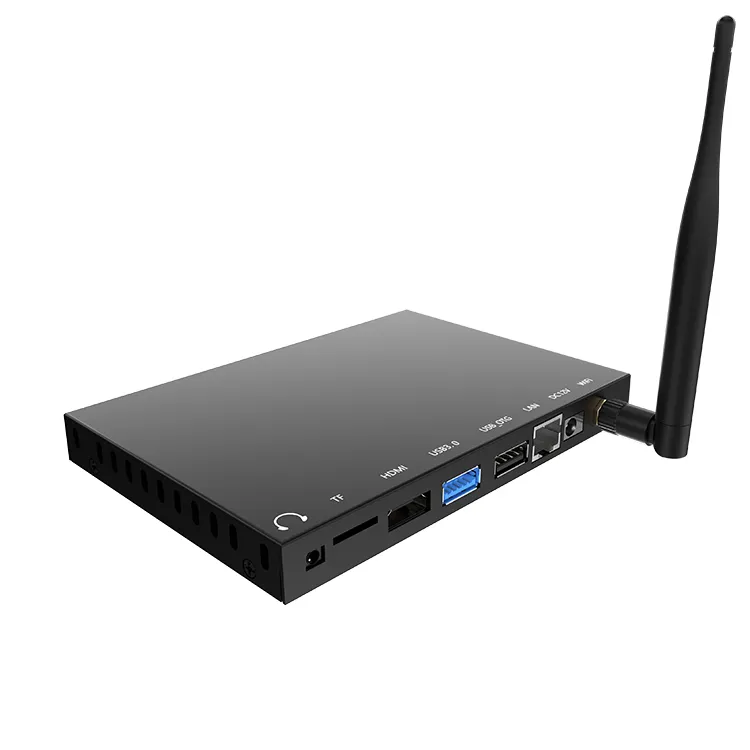
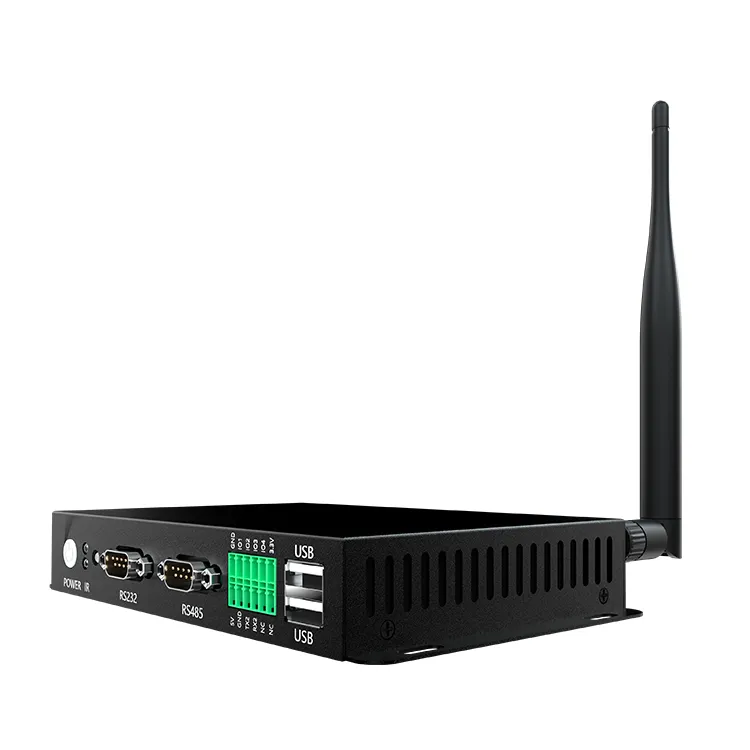
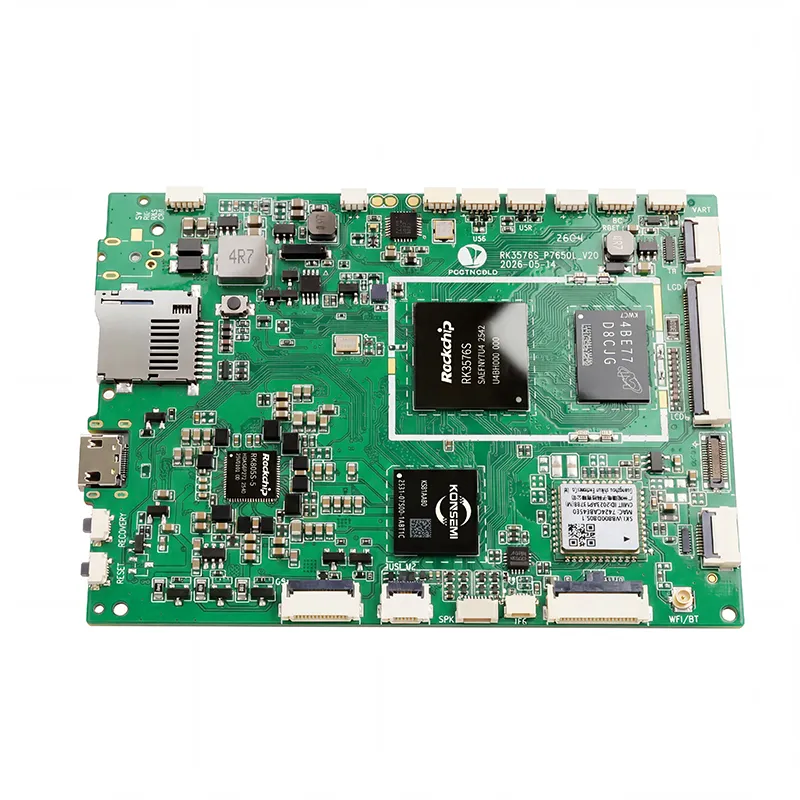
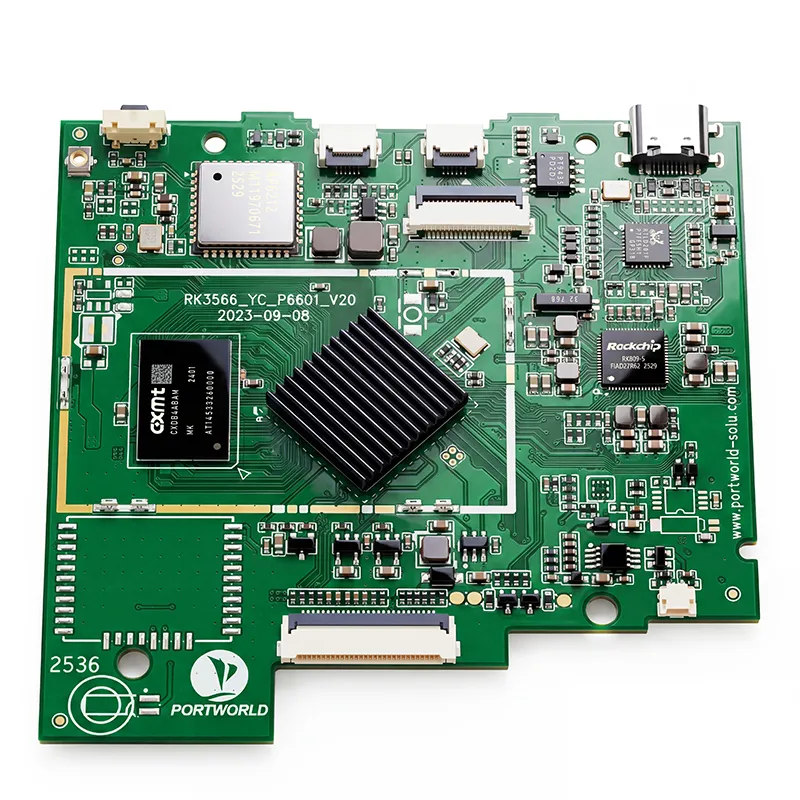
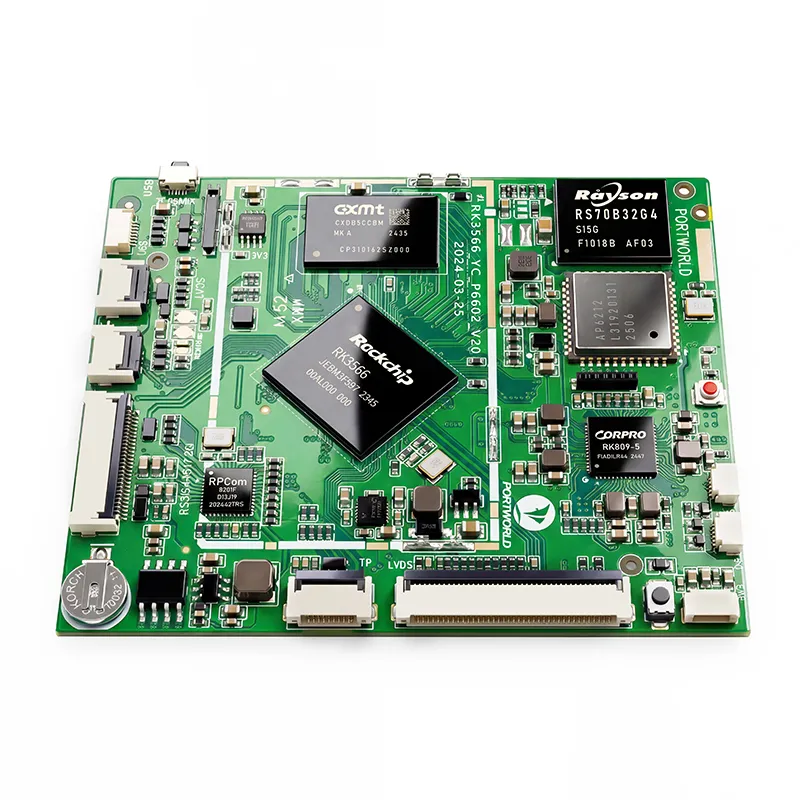
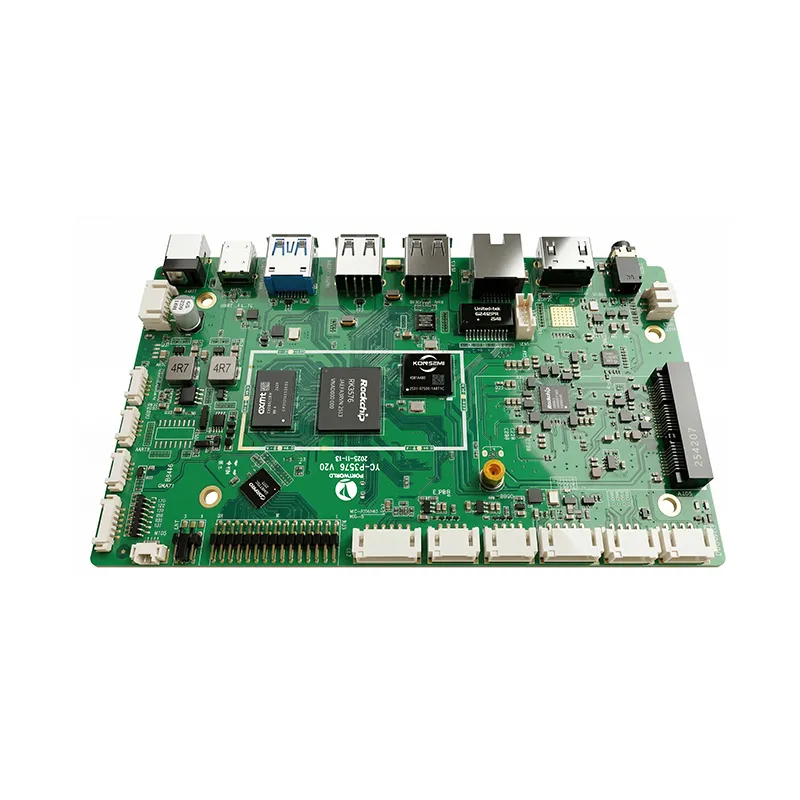
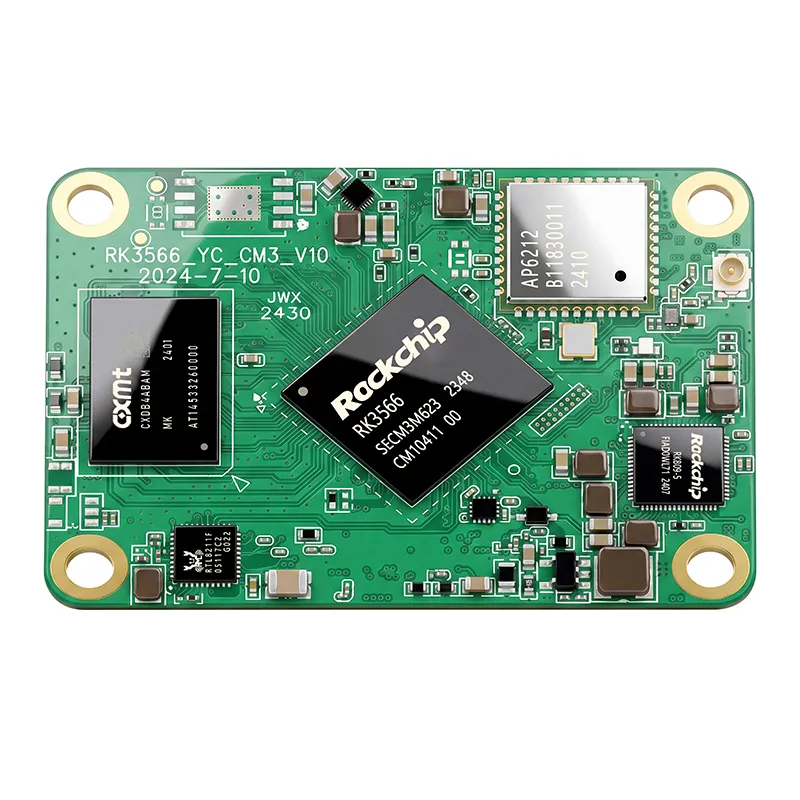
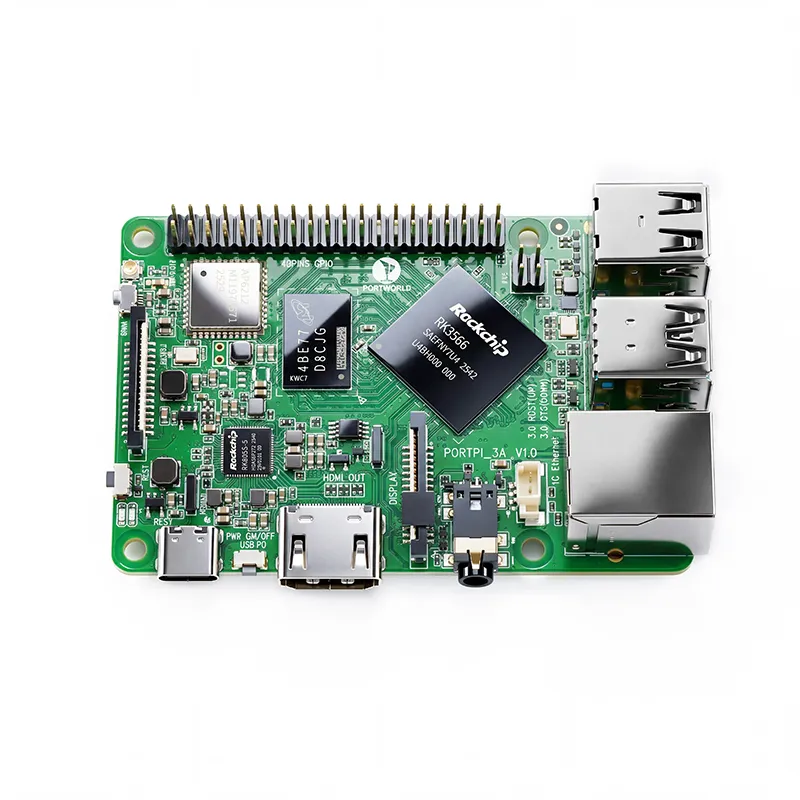

RK3576 Motherboard PCBA Design and Custom OEM/ODM Services
Apr 27,2026
The Next-Gen RK3588 Core board
Powerful, AI-Driven, High-Performance.Shop Now>




The smart home sector is experiencing a significant transition from isolated connected devices toward comprehensively integrated intelligent systems. Contemporary homeowners require lighting, security infrastructure, appliances, sensors, and energy management solutions to function in coordinated harmony.
Nevertheless, as the quantity of smart devices expands, a critical obstacle emerges: establishing efficient methods to connect, manage, and synchronize diverse devices.
This is precisely where an IoT gateway becomes indispensable.
An ESP32-based IoT gateway delivers a versatile approach for smart home implementations by facilitating connections among sensors, controllers, and intelligent devices while supporting wireless connectivity, information processing, and automated intelligence.
Understanding the ESP32 IoT Gateway
An IoT gateway functions as an intermediary connecting smart devices with cloud infrastructure or localized management systems.
Within a smart home setting, numerous devices produce substantial volumes of information:
Temperature sensors
Smart switches
Security devices
Lighting systems
Energy monitoring equipment
Home appliances
An ESP32 IoT gateway aggregates information from these devices, analyzes data at the edge, and facilitates interaction across wireless infrastructure.
A standard smart home framework demonstrates the following structure:
Smart Sensors & Devices
↓
ESP32 IoT Gateway
↓
Mobile App / Cloud Platform
↓
Smart Home Management System
Why Utilize ESP32 for Smart Home IoT Gateways?
ESP32 has emerged as a preferred solution for smart home applications due to its integration of connectivity features, computational capabilities, and efficient power management within a compact form factor.
1. Integrated Wireless Connectivity
A principal advantage of ESP32 is its embedded wireless communication infrastructure.
ESP32 incorporates:
Wi-Fi connectivity
Bluetooth / BLE communication
This facilitates smart home gateway communication with:
Mobile applications
Wireless sensors
Smart appliances
Control panels
As an illustration, an ESP32 gateway can acquire data from temperature sensors and transmit real-time information to a mobile application.
2. Extensive Device Connectivity
A typical smart home environment encompasses numerous distinct device categories.
ESP32-based gateways can establish connections with diverse peripherals via:
GPIO
I2C
SPI
UART
RS485 interfaces
This facilitates integration with:
Environmental sensors
Relay modules
Motor controllers
Intelligent switches
Display panels
The adaptability of ESP32 renders it well-suited for tailored smart home infrastructures.
3. Local Data Processing for Expedited Response
Conventional cloud-based architectures necessitate data transmission to distant servers prior to executing decisions.
An ESP32 IoT gateway facilitates local processing capabilities, thereby diminishing response latency.
Examples:
Temperature Sensor
↓
ESP32 Processing
↓
Automatic Fan Control
Motion Sensor
↓
ESP32 Gateway
↓
Turn On Lighting
This enhancement augments system responsiveness and operational reliability.
4. Intelligent Home Automation Applications
ESP32 IoT gateways demonstrate capability to facilitate diverse smart home applications.
Intelligent Lighting Control
ESP32 establishes connectivity with lighting devices and facilitates:
Remote lighting control
Automatic scheduling
Motion-activated lighting
Energy conservation management
Environmental Monitoring
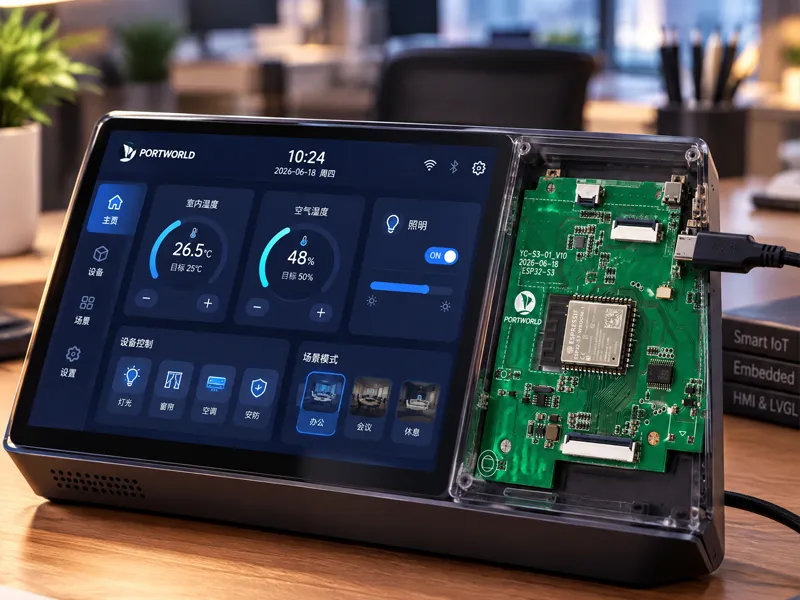
Through the integration of sensor technology, ESP32 gateways facilitate comprehensive environmental surveillance, encompassing:
Temperature
Humidity
Air quality
Light intensity
Occupants are able to access real-time environmental data via intelligent display panels or dedicated mobile applications.
Smart Security Systems
ESP32 gateways enable seamless integration with:
Door sensors
Motion detectors
Smart locks
Alarm systems
Capabilities encompass:
Remote surveillance
Security alerts
Access control administration
Smart Energy Management
Energy conservation has emerged as a critical consideration within contemporary residential environments.
ESP32 gateways facilitate energy data aggregation from:
Smart meters
Power sensors
Solar systems
Enabling occupants to track:
Electricity consumption
Device operational status
Energy utilization trends
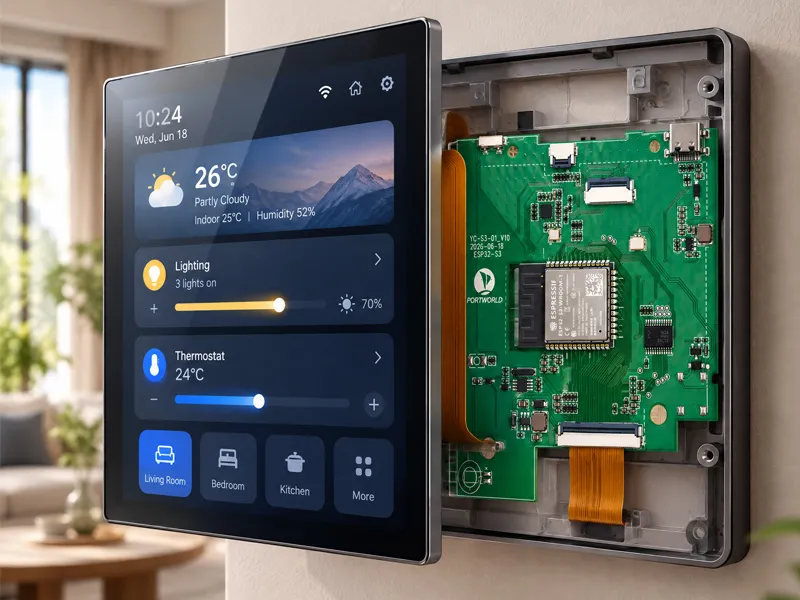
ESP32-S3 Smart Home Gateway with Display Interface
For advanced smart home products, ESP32-S3 provides enhanced capabilities for interactive interfaces.
ESP32-S3-based gateways can combine:
Touchscreen displays
LVGL graphical interfaces
Wireless communication
Sensor monitoring
Applications include:
Wall-mounted smart home panels
Room controllers
Home automation terminals
Users can control:
Lighting
Air conditioning
Curtains
Security systems
Energy devices
through a single smart interface.
ESP32 IoT Gateway Design Considerations
Developing a commercial smart home gateway requires careful hardware and software design.
Important factors include:
Hardware Design
Processor selection
Power management
Wireless antenna design
Peripheral expansion
Enclosure integration
Software Development
Firmware development
Communication protocols
Mobile application integration
Cloud connectivity
User interface design
Product Reliability
Commercial products require:
Stable operation
Long-term availability
Production testing
Manufacturing optimization
ESP32 Internet of Things Gateway Implementations
ESP32 gateway technologies are suitable for deployment across the following sectors:
Intelligent Residential Environments
Residential automation control systems
Intelligent switching mechanisms
Intelligent control panels
Security and surveillance systems
Advanced Building Infrastructure
Facility management and control systems
Environmental condition assessment
Power consumption optimization
Connected IoT Apparatus
Sensor array networks
Distant observation equipment
Network-enabled household and commercial devices
Enterprise and Commercial Sectors
Hospitality room management systems
Workplace automation solutions
Intelligent property and facility administration
Portworld ESP32 IoT Gateway Solutions
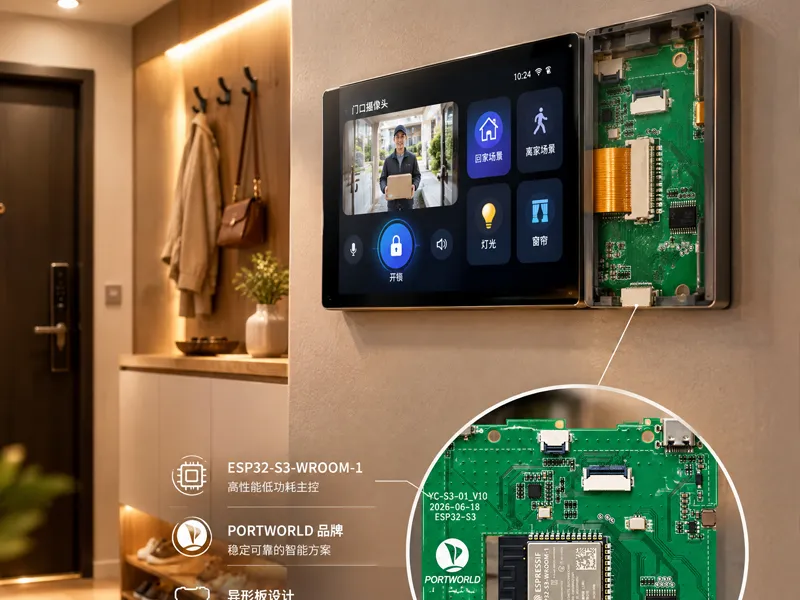
Developing a sophisticated smart home product extends beyond simply incorporating an ESP32 microcontroller. Organizations require a comprehensive embedded systems solution encompassing hardware architecture, software implementation, and production assistance.
Portworld delivers tailored ESP32 IoT gateway solutions, encompassing:
Hardware Development
ESP32 / ESP32-S3 embedded modules
Proprietary PCB engineering
Sensor incorporation
Communication interface engineering
Software Support
Firmware adaptation
ESP-IDF programming
Internet of Things connectivity integration
User interface development
Manufacturing Services
Prototype fabrication
Product refinement
OEM/ODM solutions
Large-scale production support
Whether designing smart home command systems, IoT connectivity hubs, or sophisticated automation interfaces, Portworld collaborates with international clients to develop dependable networked solutions.