RK3576 Motherboard PCBA Design and Custom OEM/ODM Services
Apr 27,2026
The Next-Gen RK3588 Core board
Powerful, AI-Driven, High-Performance.Shop Now>


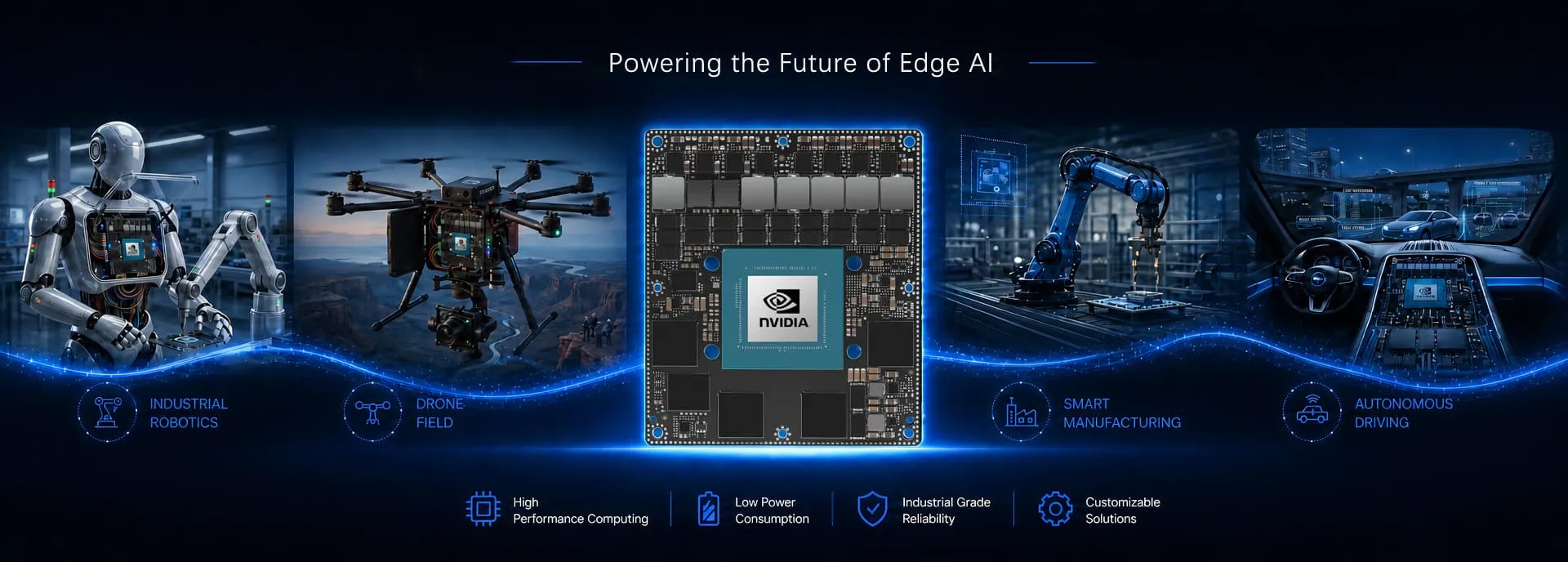


The exponential expansion of Internet of Things technology is generating substantial demand for increasingly intelligent, compact, and interconnected electronic solutions. Spanning from intelligent residential systems and manufacturing automation controllers to portable electronic devices and autonomous robotic systems, organizations are pursuing adaptable embedded computing platforms capable of being tailored to their specific product specifications.
Although evaluation boards can expedite the development phase, production-grade Internet of Things solutions demand considerably more than a conventional component. They necessitate bespoke hardware architecture, enhanced operational efficiency, dependable production processes, and integrated software compatibility.
This represents the critical application for ESP32-based hardware customization, which delivers an effective methodology for developing commercially viable intelligent Internet of Things products.
What Makes ESP32 a Preferred Selection for Specialized Internet of Things Solutions?
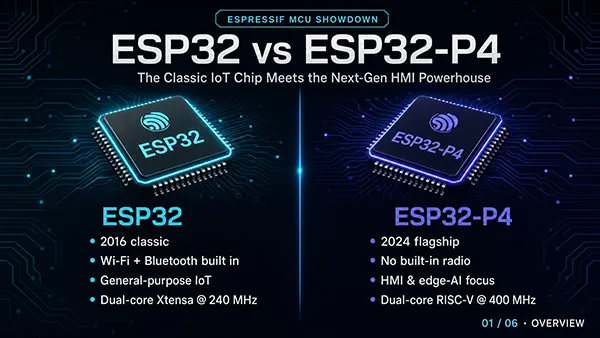
The ESP32 microcontroller, engineered by Espressif Systems, has emerged as a leading embedded computing framework for Internet of Things applications because of its exceptional combination of computational capability, communication features, and economic viability.
Primary benefits encompass:
Integrated wireless networking and Bluetooth communication
Minimal energy consumption
Comprehensive connection options
Space-efficient hardware architecture
Robust technical community
Adaptable firmware capabilities
These characteristics position ESP32 as an appropriate foundation for numerous specialized Internet of Things applications, encompassing:
Intelligent residential management systems
Manufacturing Internet of Things instruments
Intelligent visual interface devices
Automated mechanical systems
Medical and wellness instruments
Commercial product solutions
What Constitutes ESP32 Hardware Customization?
ESP32 hardware customization refers to the process of engineering and refining an embedded system architecture tailored to meet particular product specifications, rather than relying upon conventional development boards.
A tailored ESP32 implementation may encompass:
Custom PCB architecture
Peripheral incorporation
Display and touchscreen integration
Sensor augmentation
Communication protocols
Energy efficiency optimization
Mechanical assembly integration
This approach enables organizations to develop differentiated products featuring superior performance characteristics, reduced physical dimensions, and enhanced manufacturing efficiency.
1. Custom ESP32 Mainboard Engineering
Each IoT application presents distinct hardware specifications.
A customized ESP32 mainboard can consolidate:
ESP32 / ESP32-S3 chipsets
Power regulation systems
Sensor connectivity solutions
Motor operation circuits
Communication modules
Data storage elements
Display interface connectors
As an illustration:
An intelligent residential control interface may necessitate:
Touchscreen functionality
Relay switching outputs
Temperature measurement sensors
Ethernet or wireless connectivity
A customized ESP32 circuit board can consolidate these capabilities into a single streamlined configuration.
2. ESP32-S3 Custom Solutions for Smart Displays and Human-Machine Interfaces
Given the rising prevalence of interactive Internet of Things devices, touchscreen-based user interfaces are becoming increasingly prevalent.
ESP32-S3-based custom solutions are particularly well-suited for:
Smart home control panels
Industrial human-machine interface terminals
Internet of Things management displays
Intelligent appliances
With compatibility for graphical development frameworks including LVGL, purpose-built ESP32-S3 circuit boards can deliver:
Responsive user interface performance
Touch-based interaction capabilities
Instantaneous information display and analysis
Device administration and control interfaces
This capability empowers manufacturers to develop contemporary and intuitive intelligent devices.
3. Sensor and Peripheral Integration
Internet of Things applications frequently necessitate the incorporation of numerous sensors and auxiliary hardware components.
ESP32 customization facilitates integration with:
Temperature and relative humidity measurement sensors
Motion detection sensors
Environmental monitoring sensors
Video capture devices
Audio input devices
Visual display units
Motor control circuits
As an illustration, a precision agriculture management system can incorporate:
Sensor Information Collection
↓
ESP32 Data Processing
↓
Wireless Data Transmission
↓
Automated Watering System Control
Resulting in a comprehensive intelligent automation platform.
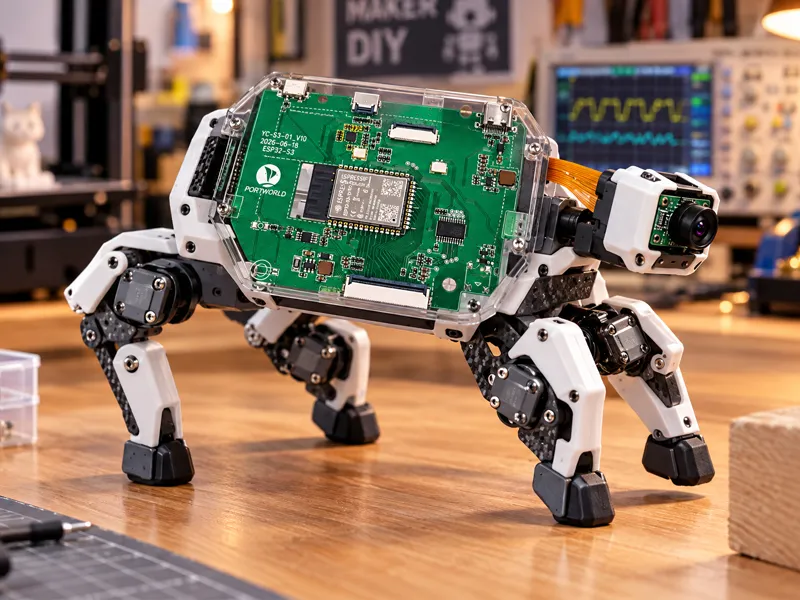
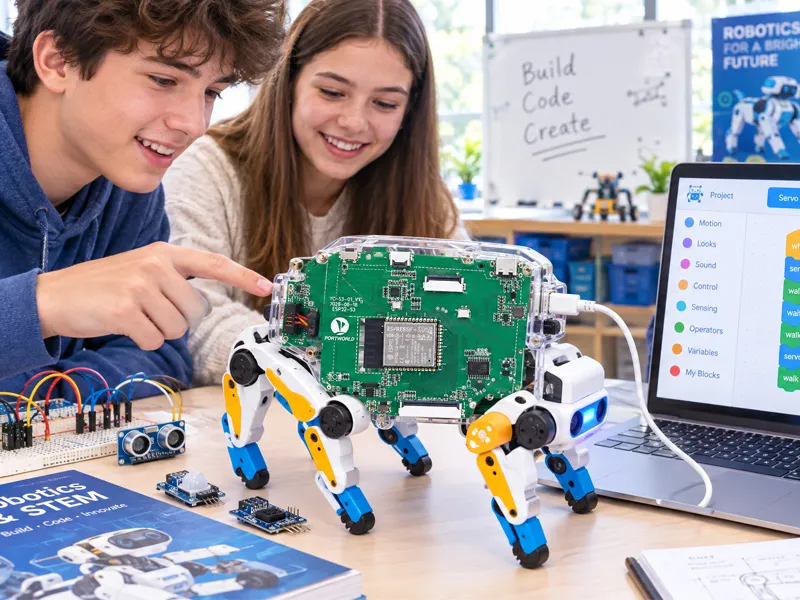
4. Tailored ESP32 Solutions for Robotic Applications
The ESP32 microcontroller is extensively employed in compact robotic systems.
Customized ESP32 hardware implementations can facilitate:
Servo motor control
DC motor drivers
Sensor feedback
Wireless communication
Robot control interfaces
Practical applications encompass:
Educational robots
Intelligent toy robots
Miniature robot cars
Quadrupedal robots
Robotic manipulators
Through strategic optimization of hardware architecture, manufacturers can develop compact and efficient robotic platforms.
5. Energy Efficiency Optimization for Battery-Dependent IoT Devices
Numerous IoT products necessitate extended operational periods while operating under power constraints.
Customized ESP32 hardware design can enhance:
Power distribution circuits
Low-power operational modes
Battery management systems
Energy consumption efficiency
Relevant applications include:
Wearable technology devices
Wireless sensor networks
Intelligent tracking systems
Portable diagnostic equipment
A purpose-built design configuration guarantees improved battery longevity and enhanced product dependability.
6. Industrial-Grade ESP32 IoT Solutions
Industrial Internet of Things implementations frequently demand enhanced dependability and purpose-built communication protocols.
Specialized ESP32 implementations may incorporate:
RS485 serial communication
Ethernet network interfaces
Relay switching mechanisms
Industrial-grade sensor integration
Broad-range voltage input capabilities
Common use cases encompass:
Manufacturing facility surveillance systems
Machinery operation controllers
Utility consumption measurement devices
Climate and atmospheric monitoring solutions
ESP32 Product Development Process
A comprehensive Internet of Things product typically necessitates multiple development phases:
1. Product Concept
Establish:
Operational requirements
Device capabilities
Connectivity approaches
End-user engagement
2. Hardware Design
Comprising:
Electrical schematic development
Printed circuit board configuration
Part procurement and evaluation
Prototype fabrication
3. Software Integration
Comprising:
Embedded system programming
Interface development
Data transmission standards
Internet-based system integration
4. Testing and Optimization
Comprising:
Functional assessment
Durability verification
Manufacturing readiness evaluation
5. Mass Production
Comprising:
Industrial fabrication
Quality assurance procedures
Logistical network coordination
Portworld ESP32 Hardware Customization Services
Drawing upon comprehensive expertise in embedded hardware development, Portworld delivers comprehensive ESP32-based customization services to IoT product companies worldwide.
Our service offerings encompass:
Hardware Development
Customized PCB design
Peripheral system integration
Display and sensor implementations
Software Support
Firmware engineering
ESP-IDF framework integration
User interface development
System performance optimization
Product Manufacturing
Prototype fabrication
Engineering validation and testing
OEM/ODM manufacturing services
Tailored product solutions
Serving applications ranging from intelligent home automation systems and IoT control platforms to robotic systems and industrial machinery, Portworld enables clients to convert concepts into commercially viable, scalable products.
Applications of ESP32 Custom IoT Solutions
Customized ESP32 hardware can be deployed across the following domains:
Smart Home Devices
Intelligent control panels
Automated switching systems
Residential automation management units
Industrial IoT
Machinery performance tracking
Automated industrial control platforms
Robotics
Robotic system controllers
Academic robotics platforms
Smart Agriculture
Automated watering systems
Climate and soil condition assessment
Healthcare IoT
Biometric and wellness monitoring equipment
Consumer Electronics
Intelligent recreational products
User-responsive electronic systems
The ESP32 platform serves as a robust foundation for intelligent IoT product development; however, achieving commercial viability necessitates specialized hardware design, software integration, and manufacturing proficiency.
By implementing ESP32-based hardware customization, organizations can engineer distinctive IoT solutions featuring enhanced performance optimization, dependable functionality, and accelerated market entry timelines.
Leveraging comprehensive OEM/ODM services, Portworld collaborates with international partners to advance innovative IoT product development throughout the entire lifecycle, spanning from initial conception through large-scale manufacturing.