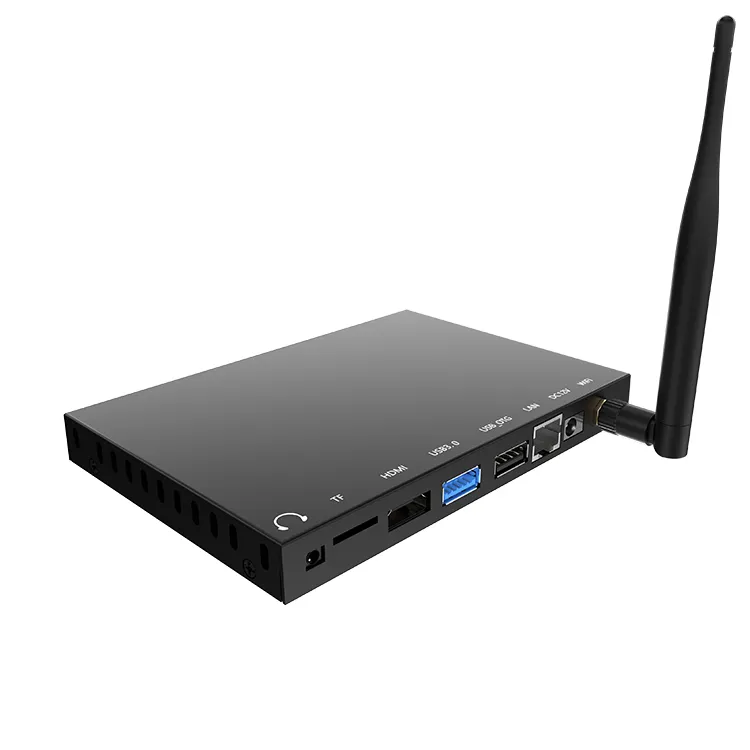
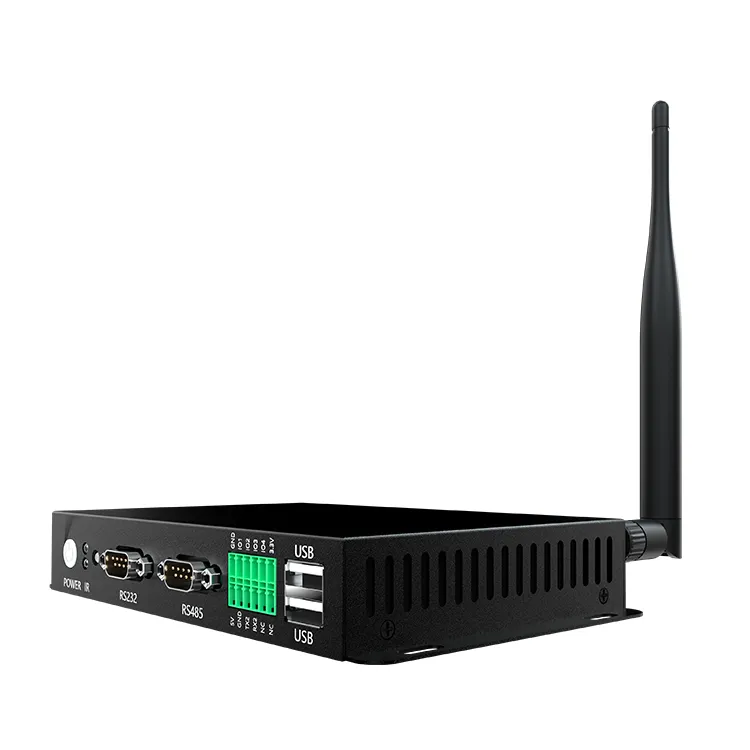
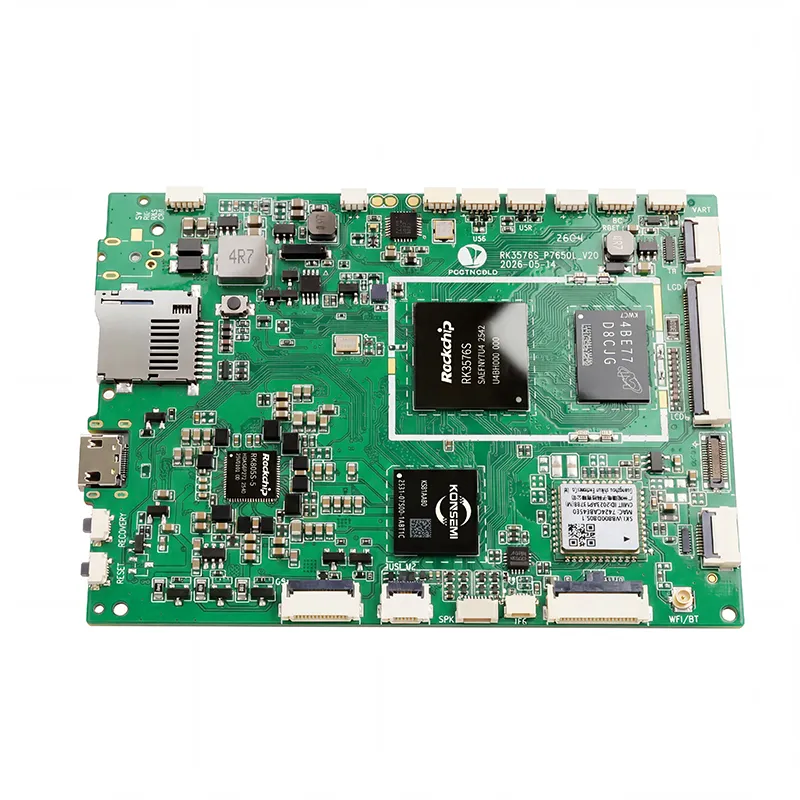
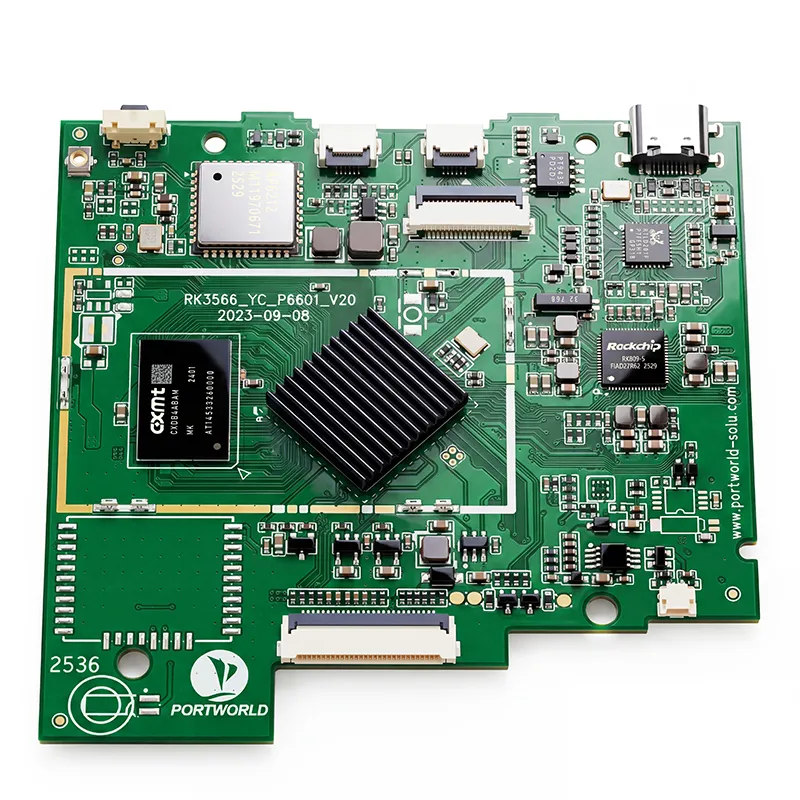
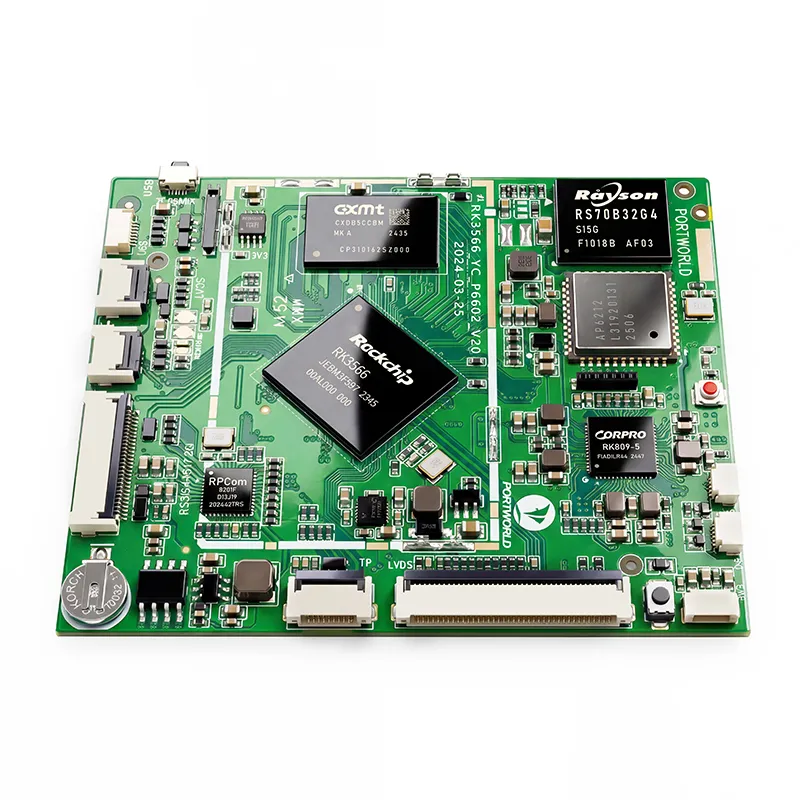
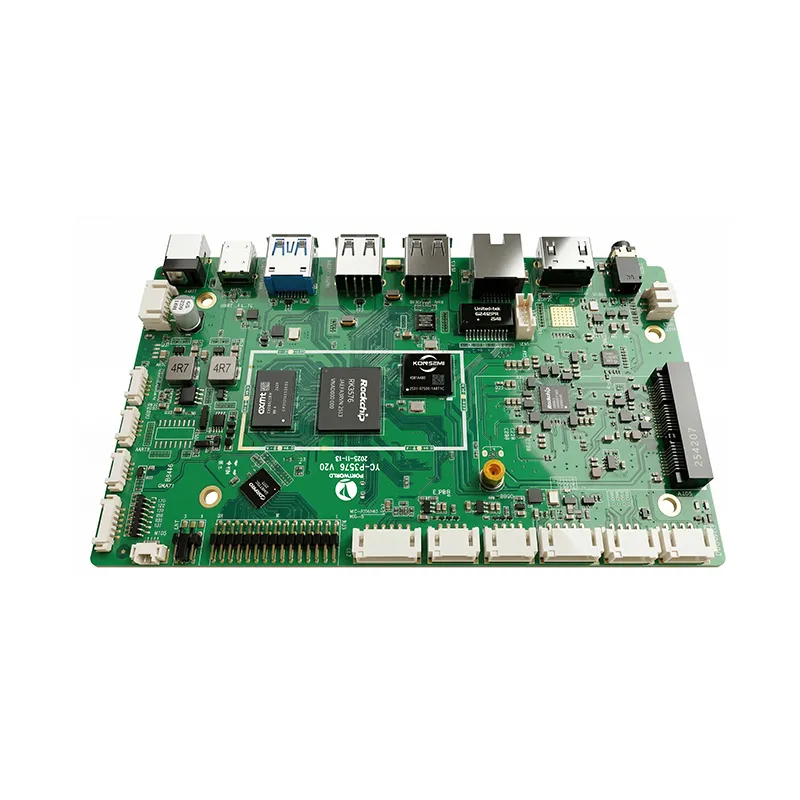
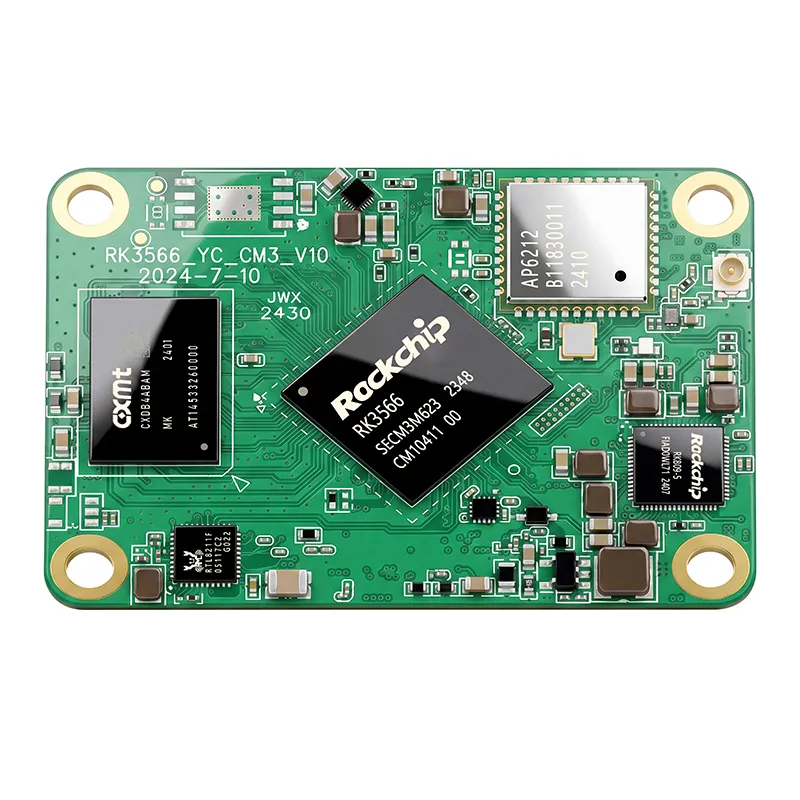
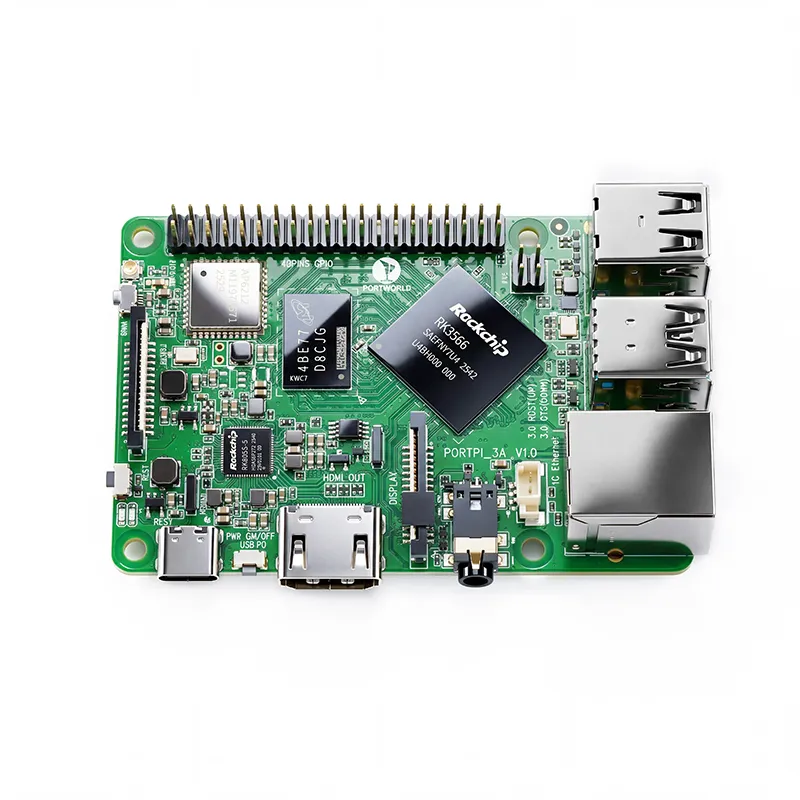

RK3576 Motherboard PCBA Design and Custom OEM/ODM Services
Apr 27,2026
The Next-Gen RK3588 Core board
Powerful, AI-Driven, High-Performance.Shop Now>




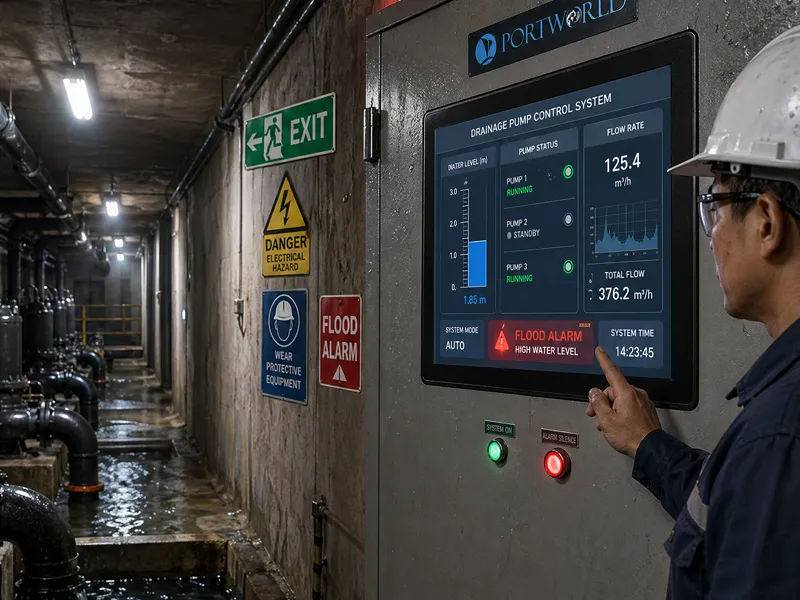
Particulate matter represents one of the most prevalent obstacles encountered within industrial settings. Manufacturing facilities, storage warehouses, extraction operations, and processing plants frequently contain suspended particles in the air that may compromise the functionality and operational longevity of conventional electronic devices.
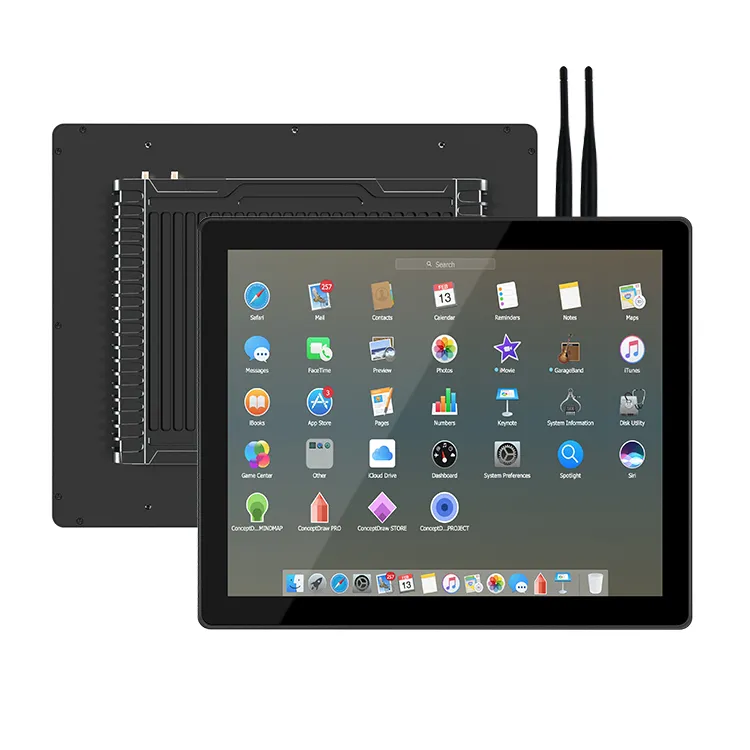
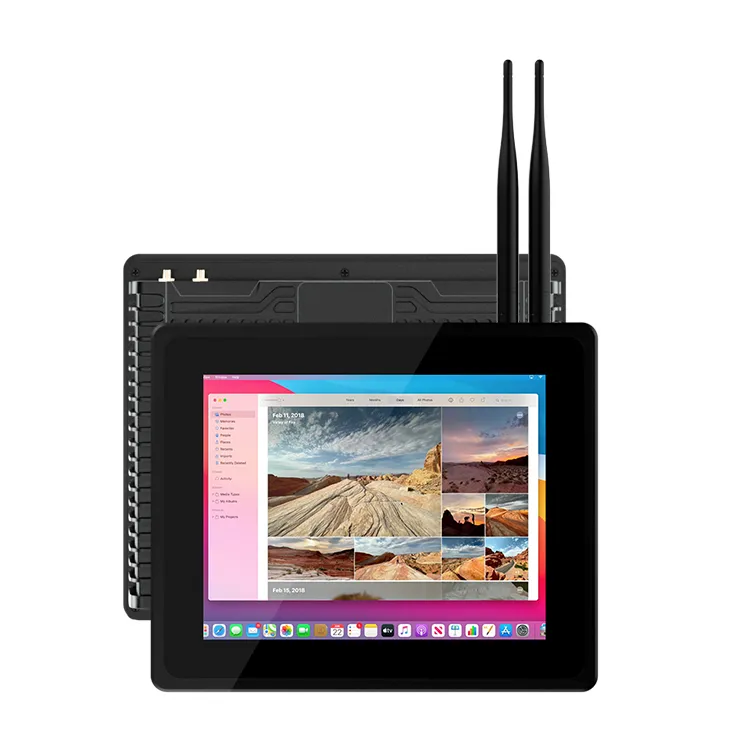
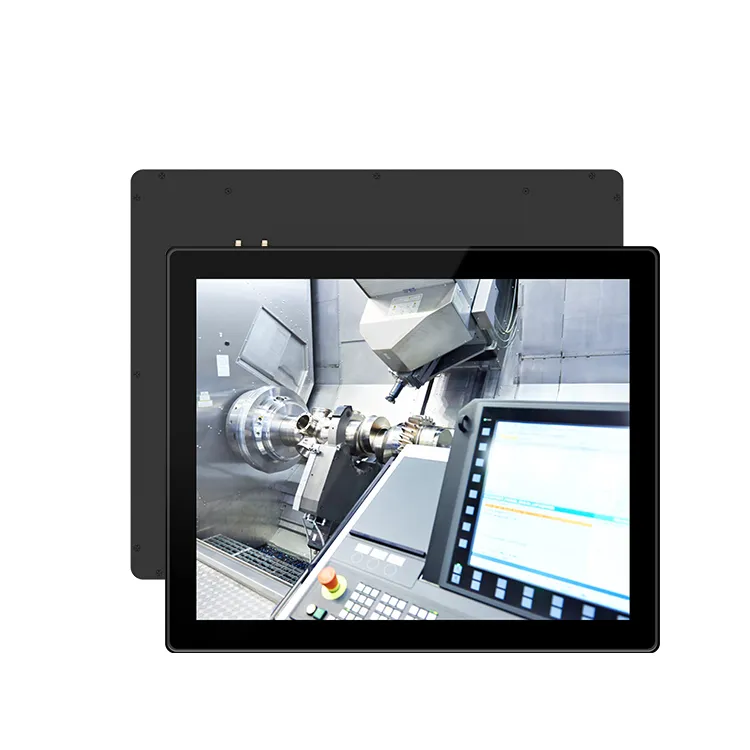
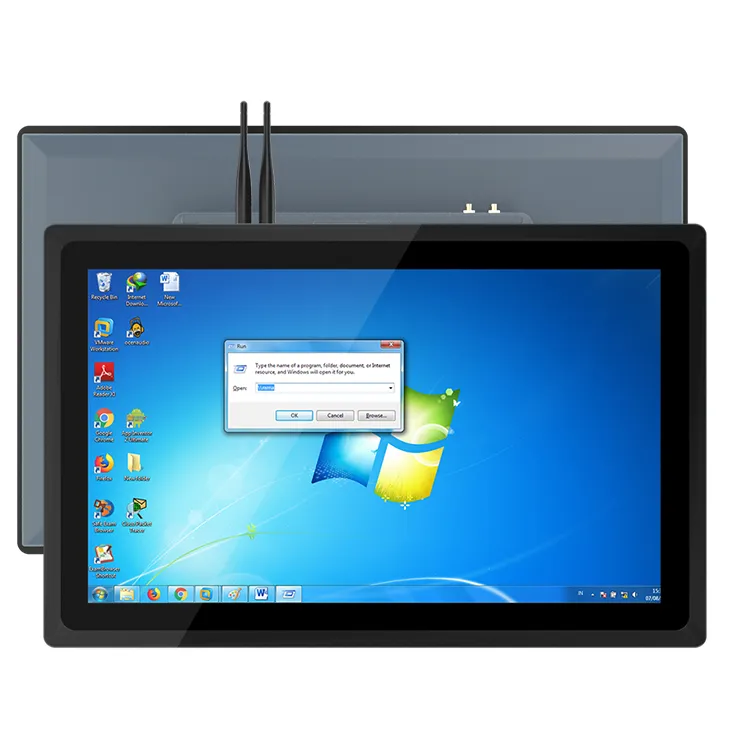
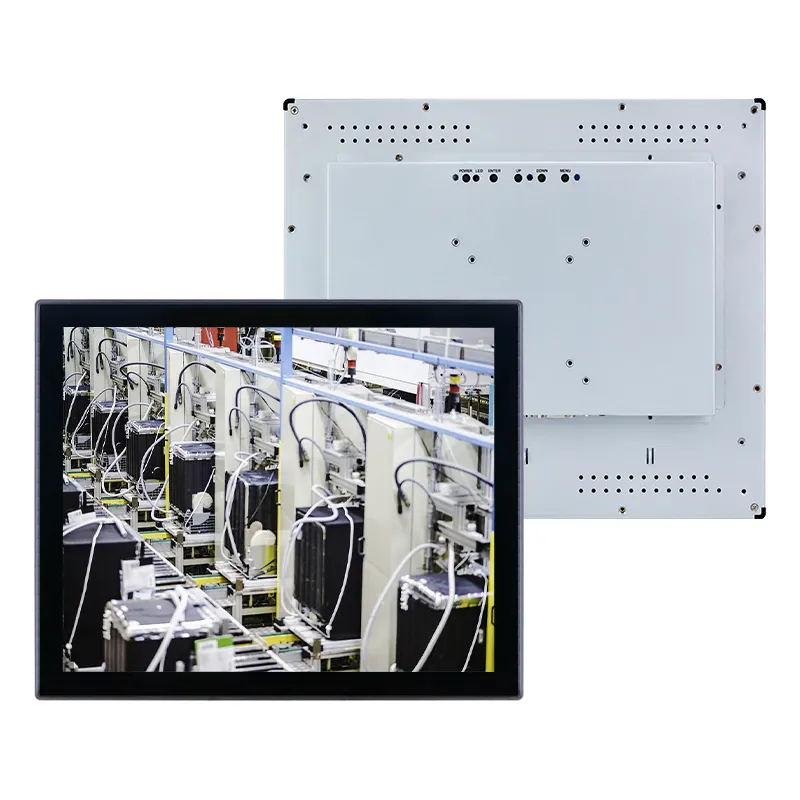
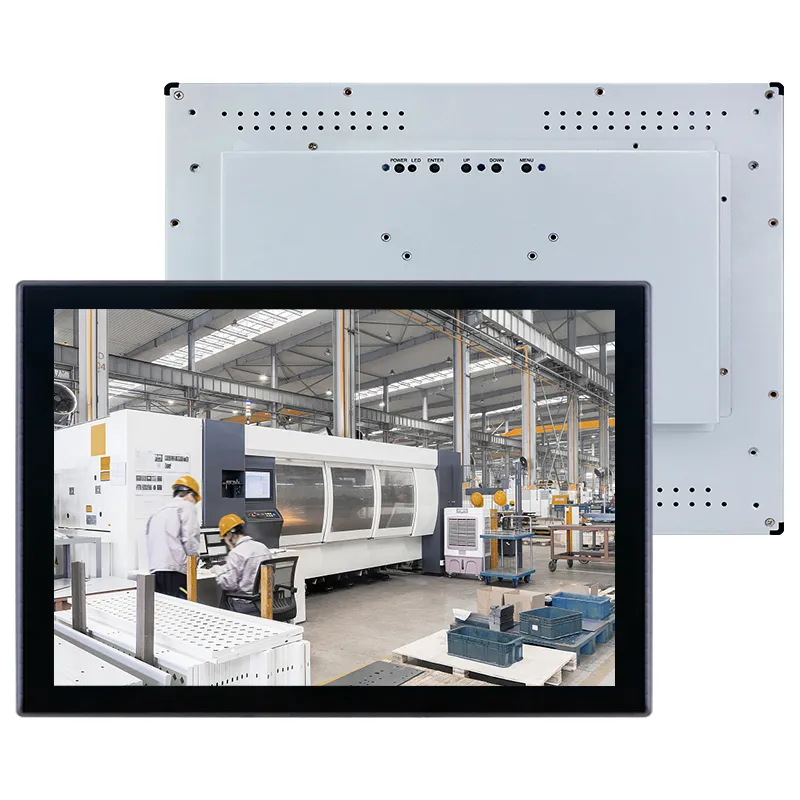
An industrial touchscreen monitor engineered for dust-laden environments incorporates protective mechanisms, dependable components, and industrial-specification capabilities to guarantee consistent performance under demanding operational circumstances.
The Necessity for Industrial Touchscreen Monitors in Dust-Prone Environments
Standard commercial displays are typically engineered for controlled indoor settings. When subjected to dust exposure, particles may infiltrate the equipment, resulting in thermal stress, hardware deterioration, or touchscreen malfunction.
Industrial environments including:
Manufacturing operations and workshops
Computer numerical control machining facilities
Storage and distribution centers
Extraction and mining operations
Food manufacturing and processing plants
Automated packaging and production operations
commonly necessitate display systems capable of managing:
Accumulation of airborne particles
Mechanical oscillation and vibration
Fluctuations in ambient temperature
Extended periods of uninterrupted operation
Intensive and repeated user engagement
Industrial touchscreen monitors deliver a dependable control interface for equipment operation, system surveillance, and process automation applications.
Key Features to Consider for Dusty Industrial Applications
1. IP-Rated Protection Against Dust
The primary consideration for dusty environments is an adequately sealed enclosure.
An industrial touchscreen monitor featuring IP65-rated front protection delivers:
Dustproof touchscreen surface
Sealed front bezel
Protection against airborne particles
Convenient cleaning and maintenance
This configuration proves ideal for factory floors, production equipment, and industrial control cabinets.
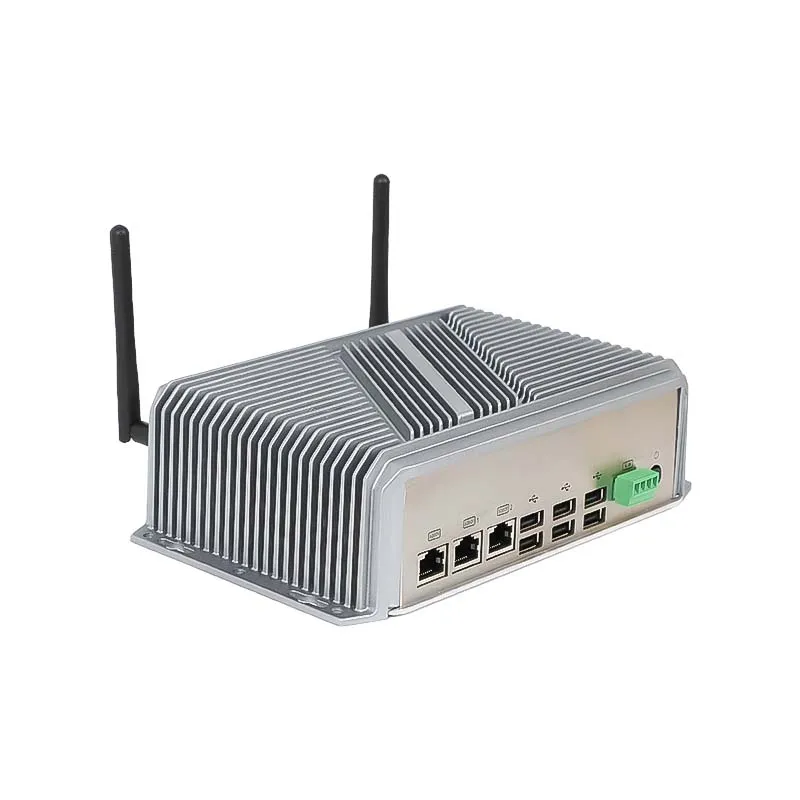
2. Fanless Cooling Design
Conventional cooling fans can draw dust into electronic components, escalating maintenance demands.
A fanless industrial touchscreen monitor offers:
Passive heat dissipation
Absence of moving parts
Minimized dust accumulation
Quiet operation
Enhanced long-term reliability
Fanless designs prove particularly advantageous for dusty production environments requiring continuous equipment operation.
3. Rugged Industrial Housing
A robust enclosure safeguards internal components against severe environmental conditions.
Typical industrial designs incorporate:
Aluminum alloy housing
Metal back cover
Shock-resistant structure
Heat-resistant materials
These characteristics enhance durability in environments subject to vibration, impact, and dust exposure.
4. Reliable Touchscreen Performance
Industrial operators frequently require rapid and precise equipment interaction.
Appropriate touchscreen features encompass:
10-point capacitive touch
High sensitivity
Scratch-resistant glass
Glove-touch support options
A dependable touchscreen enables operators to command machines, modify parameters, and review production data with efficiency.
5. Industrial-Grade Display Quality
Dusty industrial environments may present variable lighting conditions, necessitating superior visibility.
Critical display features include:
High brightness LCD panel
Wide viewing angle
Strong contrast ratio
Anti-glare surface
These characteristics guarantee operators can readily comprehend information from production lines and control stations.
6. Comprehensive Temperature Management Capabilities
Industrial environments characterized by dust accumulation frequently experience elevated temperatures or significant thermal variations.
An appropriate touchscreen monitor must incorporate:
Extensive operating temperature range capability
Optimized thermal management systems
Enterprise-level LCD technology components
Dependable continuous operation throughout all hours
These features minimize operational interruptions and prolong device longevity.
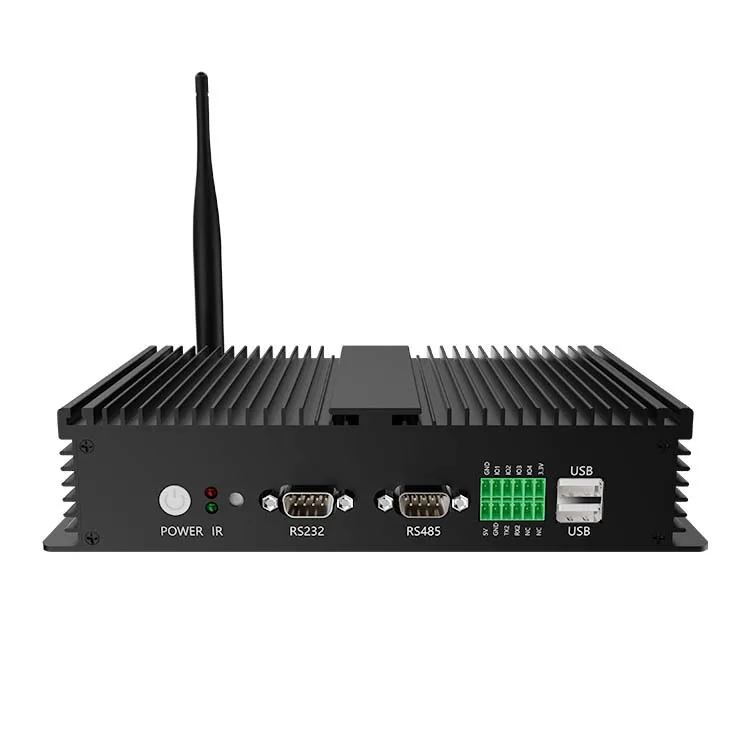
7. Versatile Industrial Communication Interfaces
Industrial touchscreen monitors typically require connectivity with automated machinery and control infrastructure.
Standard communication protocols encompass:
RS232
RS485
Ethernet LAN
USB
HDMI
GPIO
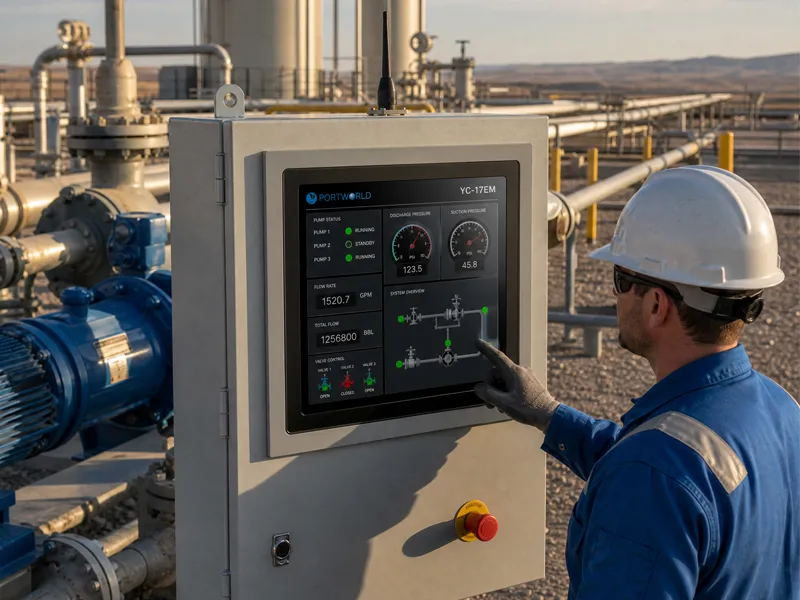
These communication standards facilitate seamless integration with:
Programmable Logic Controllers
Measurement and detection devices
Industrial computing systems
Optical inspection and analysis systems
Automated production equipment
Applications within Challenging Dusty Industrial Settings
Industrial touchscreen monitors demonstrate extensive deployment across:
Computer Numerical Control machine operation
Advanced manufacturing facility systems
Manufacturing process oversight
Inventory and logistics management systems
Material handling and wrapping systems
Integrated production automation frameworks
Extraction and processing equipment management
They deliver operators with a resilient and user-friendly interface solution.
Personalized Industrial Touchscreen Display Solutions
Specific industrial implementations may necessitate tailored specifications, encompassing:
Customized display dimensions
Integrated embedded computing systems
Operating system alternatives including Windows, Linux, or Android
Enhanced connectivity options
Application-specific installation configurations
Manufacturer-specific branding and identification
Original Equipment Manufacturer and Original Design Manufacturer customization enables producers and system developers to engineer displays aligned with particular operational requirements.
Choosing an industrial touchscreen monitor for dusty environments requires more than selecting the right screen size. Protection level, cooling design, housing durability, touch reliability, and industrial connectivity all play important roles.