RK3576 Motherboard PCBA Design and Custom OEM/ODM Services
Apr 27,2026
The Next-Gen RK3588 Core board
Powerful, AI-Driven, High-Performance.Shop Now>


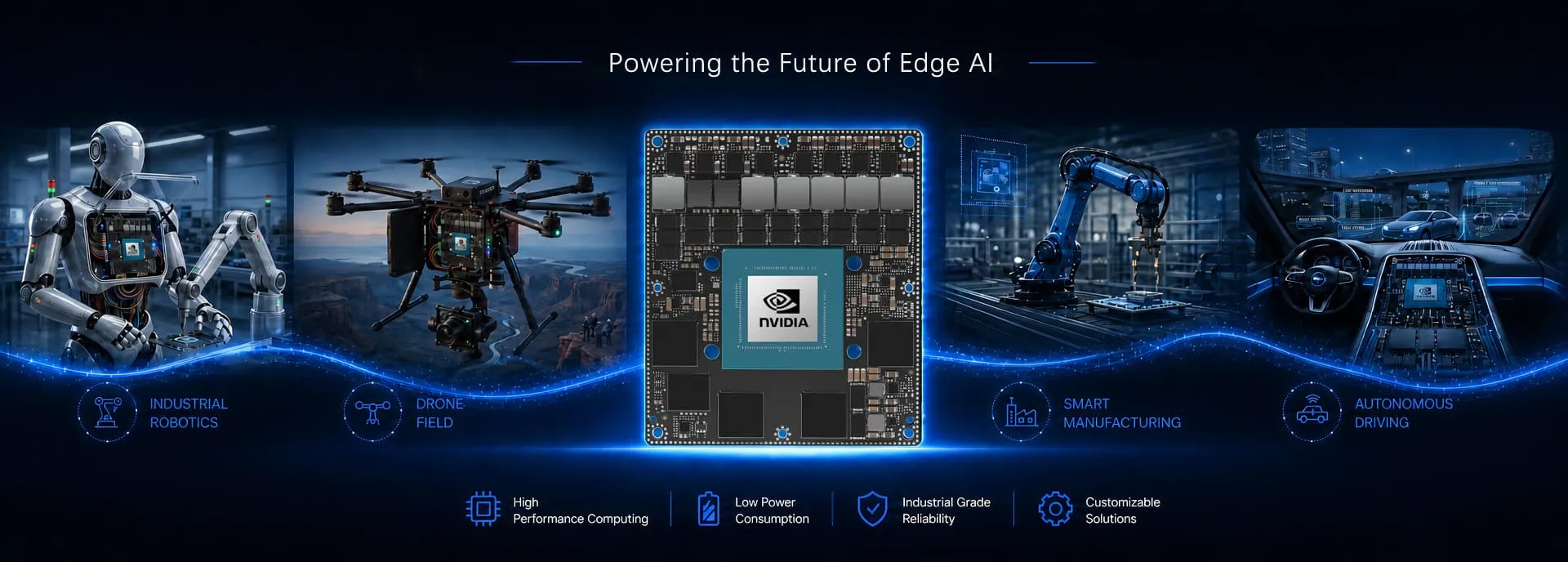


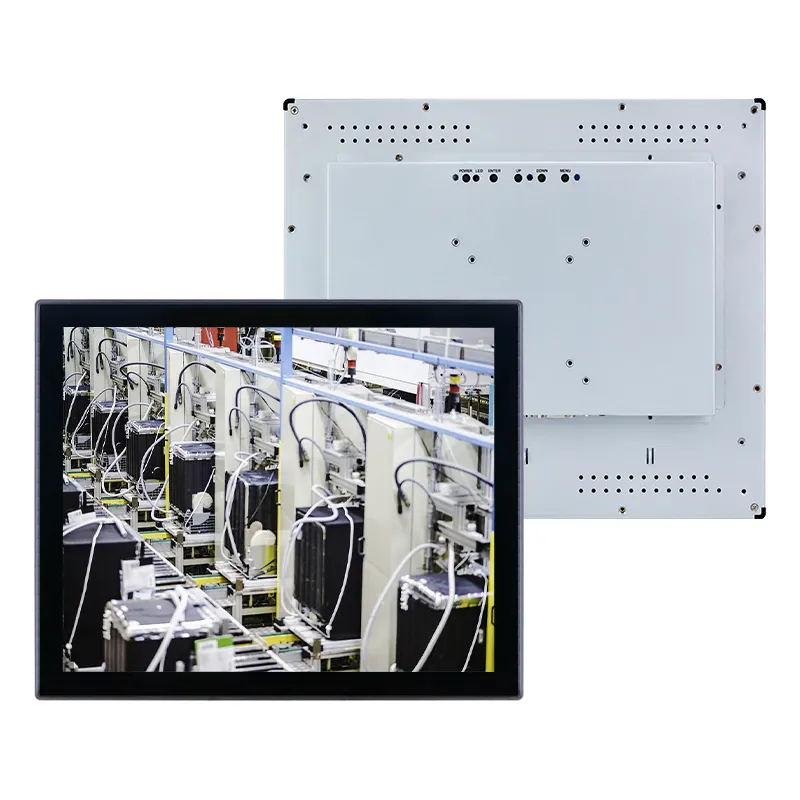
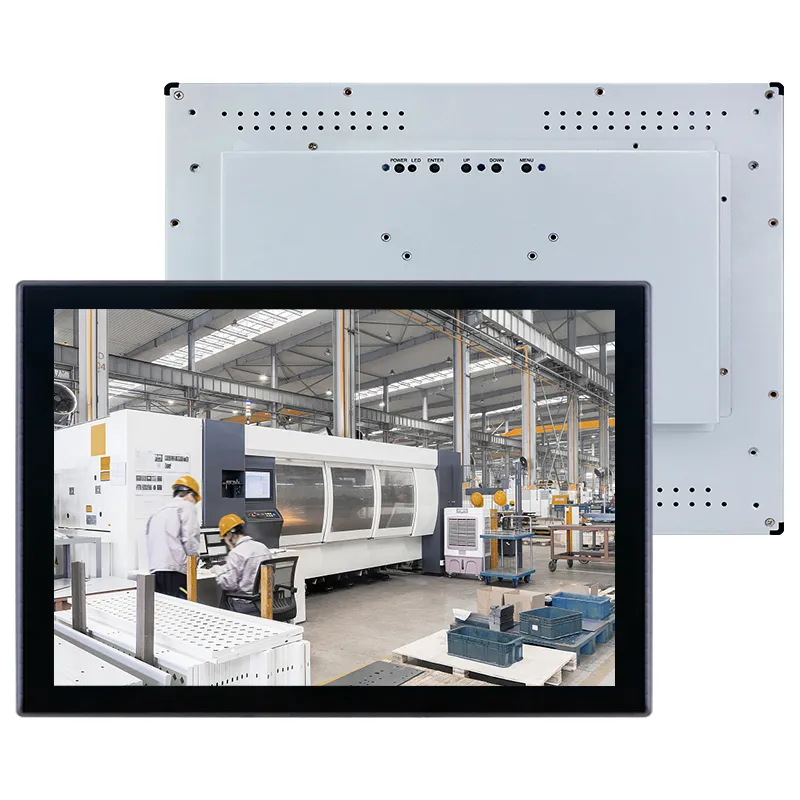
As industrial automation progresses, touch screen monitors are increasingly recognized as a vital interface between operators and machinery. Nevertheless, industrial systems typically necessitate more than merely a display and touch functionality. They require dependable communication with PLCs, sensors, controllers, and various other industrial devices.
An industrial touch screen monitor equipped with RS485 presents a practical solution by merging an interactive display interface with robust industrial communication capabilities. This integration makes it extensively utilized in factory automation, smart manufacturing, energy systems, and IoT applications.
What Is RS485 in an Industrial Touch Screen Monitor?
RS485 is a prevalent industrial communication standard that is engineered for reliable data transmission over extended distances and in electrically noisy settings.
In comparison to conventional consumer interfaces, RS485 provides several advantages, including:
Long-distance communication
Strong resistance to electrical interference
Capability for multi-device connections
Stable performance in industrial settings
When incorporated into an industrial touch screen monitor, RS485 facilitates direct interaction between operators and connected industrial equipment via a touchscreen interface.
Why Use RS485 for Industrial Touch Screen Applications?
Industrial environments frequently encompass numerous devices that require data exchange, such as:
PLC controllers
Temperature sensors
Motor controllers
Inverters
Energy monitoring systems
Industrial machines
RS485 allows for communication among these devices and the touchscreen terminal, enabling users to monitor and control equipment from a unified interface.
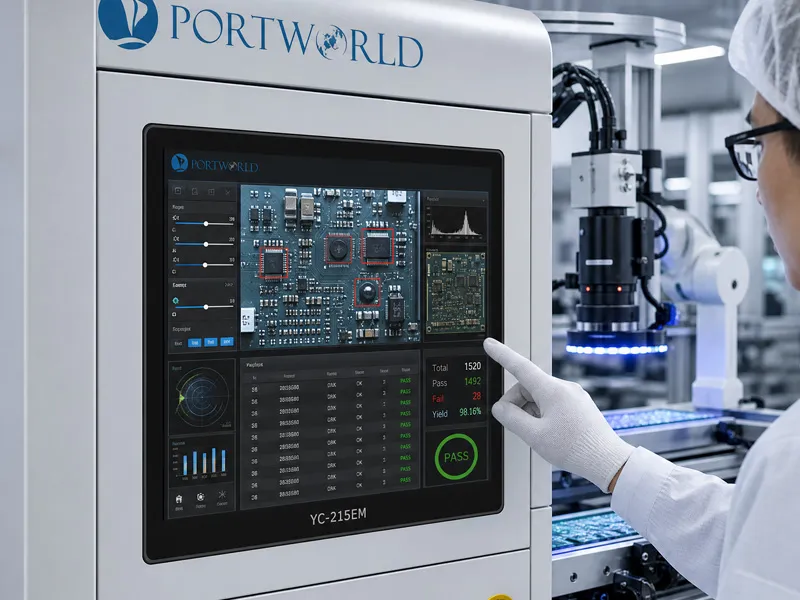
For instance, in a smart factory, an operator can utilize an industrial touchscreen panel to:
View machine status
Adjust operating parameters
Monitor production data
Control connected equipment
Common Uses of RS485 Industrial Touch Screen Monitors
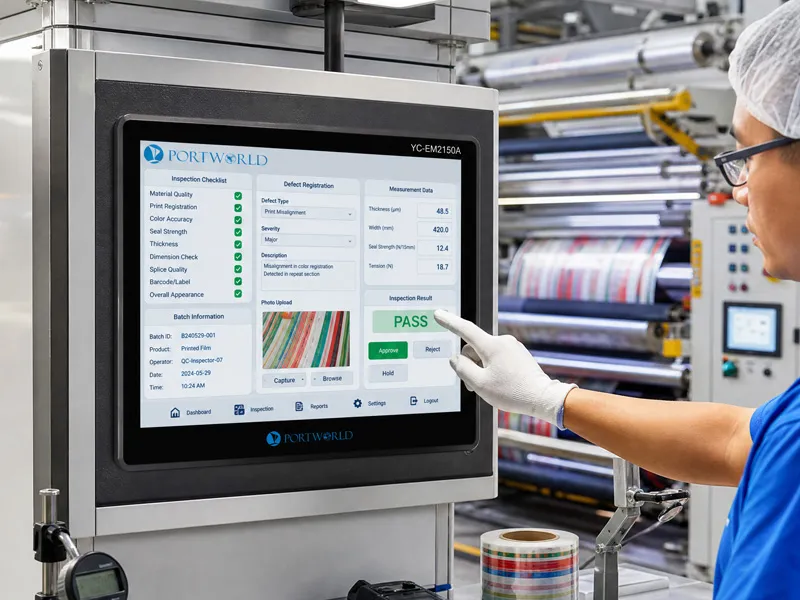
Factory Automation and HMI Systems
One of the primary applications of these monitors is in Human Machine Interface (HMI) systems.
An industrial touch screen monitor equipped with RS485 can interface with PLCs and automation devices to deliver:
Real-time production oversight
Control of machinery
Alarm alerts
Visualization of data
This enhances operational efficiency and minimizes the necessity for physical control panels.
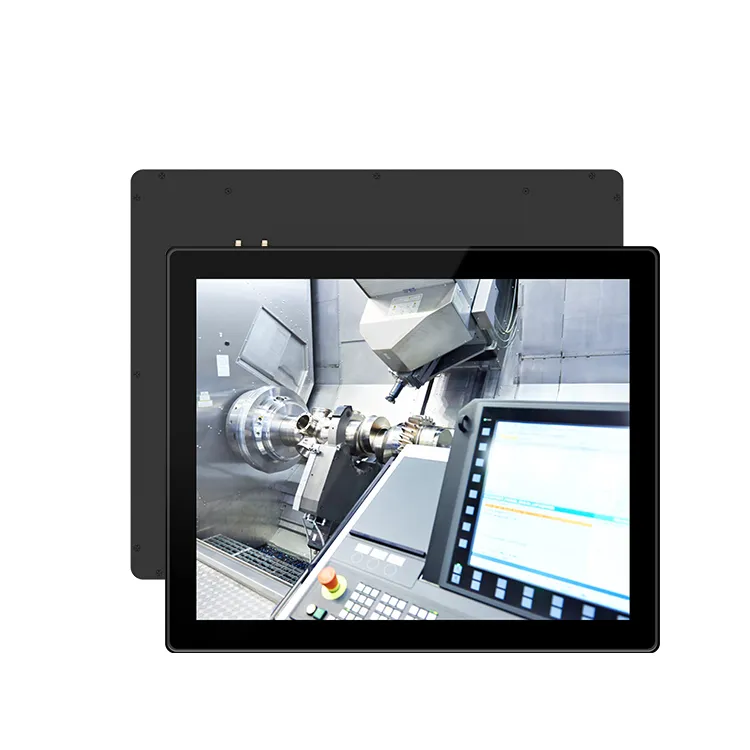
CNC Machine Control
CNC machines typically demand stable communication between the operator interface and the machine controller.
Industrial touch screens with RS485 capabilities offer:
Dependable command transmission
Simplified parameter adjustments
Clear display of operational status
When combined with robust designs such as IP65 protection and shock resistance, these monitors can function effectively in machining environments.
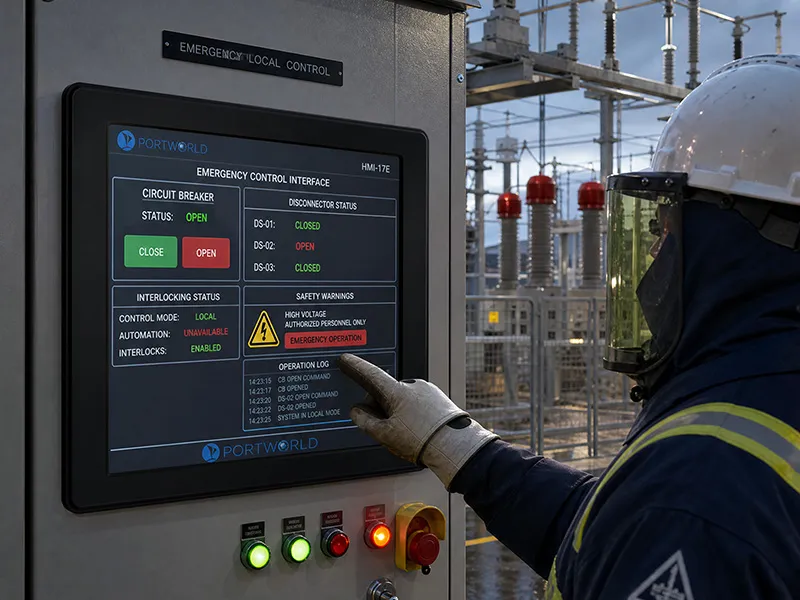
Energy Management Systems
RS485 is frequently utilized in energy-related applications, which include:
Solar monitoring systems
Battery management systems
Electric vehicle charging infrastructure
Power monitoring devices
An industrial touch displaycan gather and present energy data while enabling users to adjust system parameters.
Smart Buildings and IoT Control
In the realm of smart building applications, RS485 touch panels are capable of interfacing with:
Lighting controllers
HVAC systems
Access control systems
Sensors
This facilitates a centralized control interface for the automation of building systems.
Key Features to Consider in an RS485 Industrial Touch Screen Monitor
1. Industrial-Grade Design
A dependable industrial touchscreen monitorshould be designed for continuous use, incorporating features such as:
Aluminum alloy housing
Fanless cooling system
Resistance to shock and vibration
Capability for 24/7 operation
2. IP65 Protection
In factory settings and challenging environments, a front panel rated IP65 provides protection against:
Dust
Water splashes
Industrial contaminants
This enhances the display's suitability for production lines and outdoor machinery.
3. Flexible Connectivity
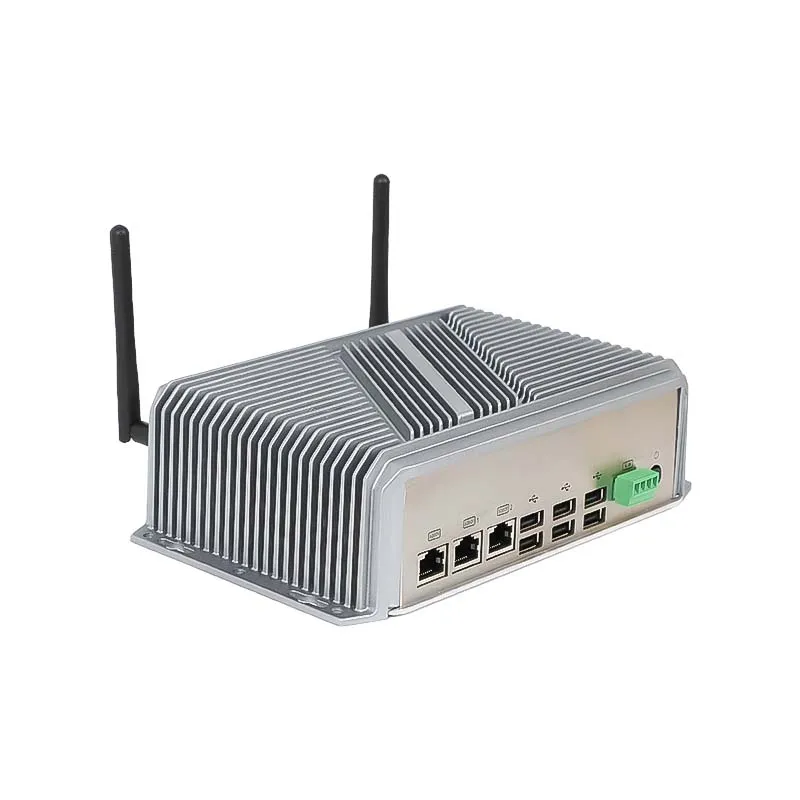
In addition to RS485, industrial touch monitors may need to support various other interfaces, including:
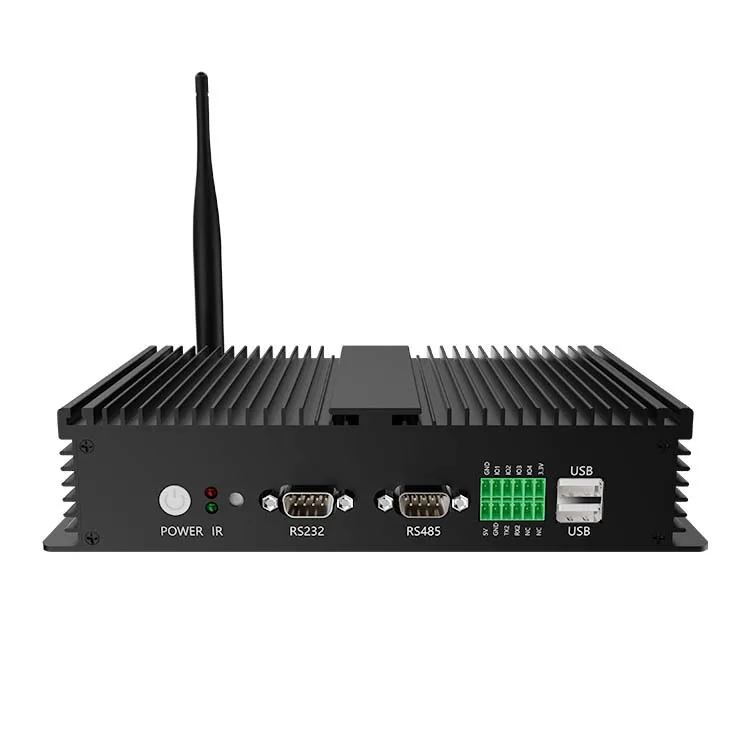
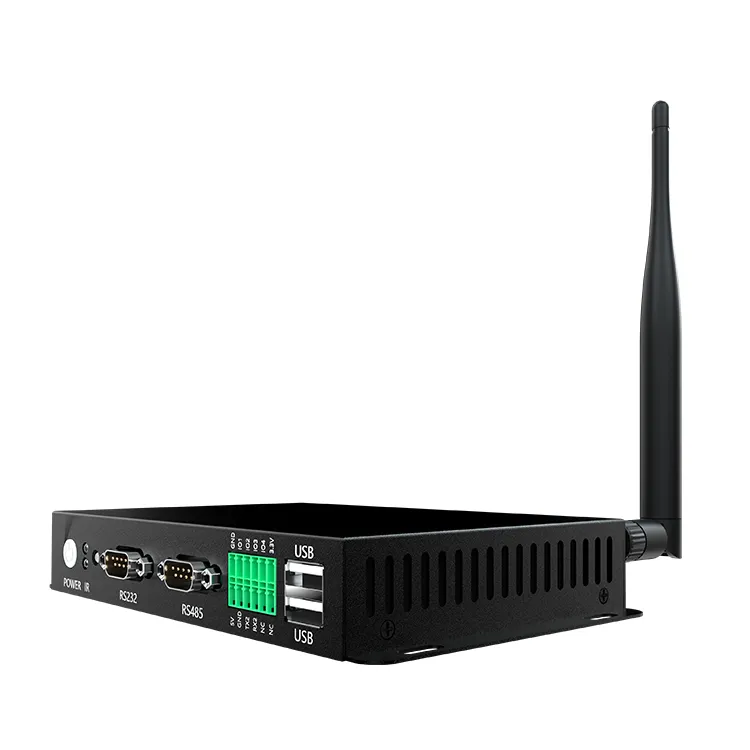
RS232
USB
Ethernet
HDMI
GPIO
CAN Bus
Having multiple interfaces allows for increased flexibility when integrating with diverse systems.
4. Operating System Support
Industrial touch screen monitors may support various operating systems depending on the application, including:
Android
Linux
Windows
Android is frequently favored for smart terminals and interactive applications, whereas Linux and Windows are typically chosen for industrial automation and embedded systems.
RS485 vs RS232: Which Is Superior for Industrial Touch Screens?
Both RS232 and RS485 are commonly utilized industrial communication interfaces, yet they fulfill distinct roles.
| Feature | RS232 | RS485 |
|---|---|---|
| Communication Distance | Short | Long |
| Multi-device Support | Limited | Multiple devices |
| Noise Resistance | Medium | High |
| Industrial Use | General equipment | Automation systems |
In factory settings and extensive systems, RS485 is typically the preferred option due to its reliability and scalability.
Portworld Industrial Touch Screen Solutions featuring RS485
Portworld offers tailored industrial touch screen monitors, embedded panel PCs, and HMI solutions equipped with versatile industrial interfaces, such as RS485, RS232, Ethernet, and GPIO.
Our offerings include support for:
Various screen sizes
Capacitive touch technology
IP65 protection rating
Android/Linux/Windows operating systems
OEM/ODM customization options
These solutions find extensive applications in:
CNC machinery
Smart manufacturing facilities
Energy management systems
IoT control frameworks
An industrial touch screen monitor utilizing RS485 serves as more than just a display; it functions as a communication conduit between operators and industrial machinery, facilitating effective monitoring and control.