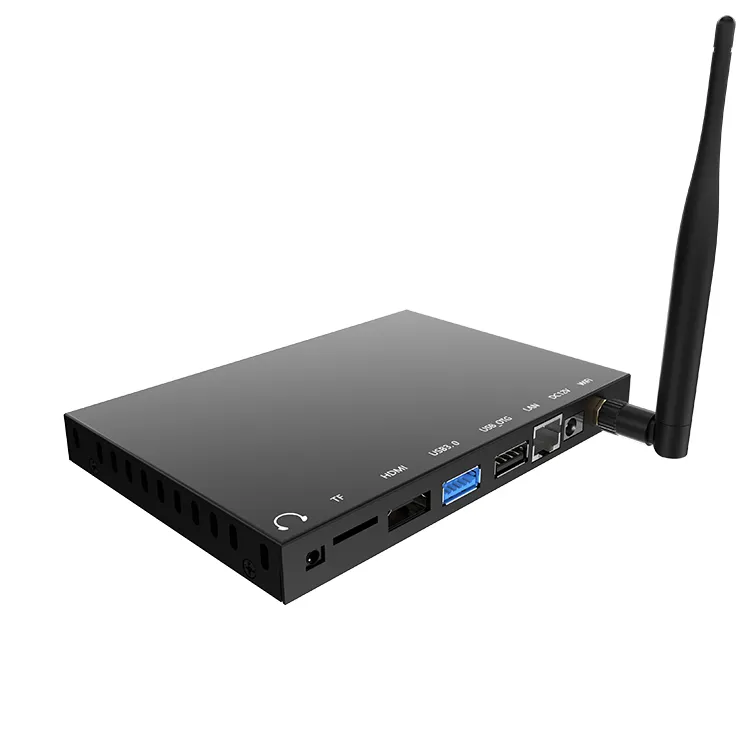
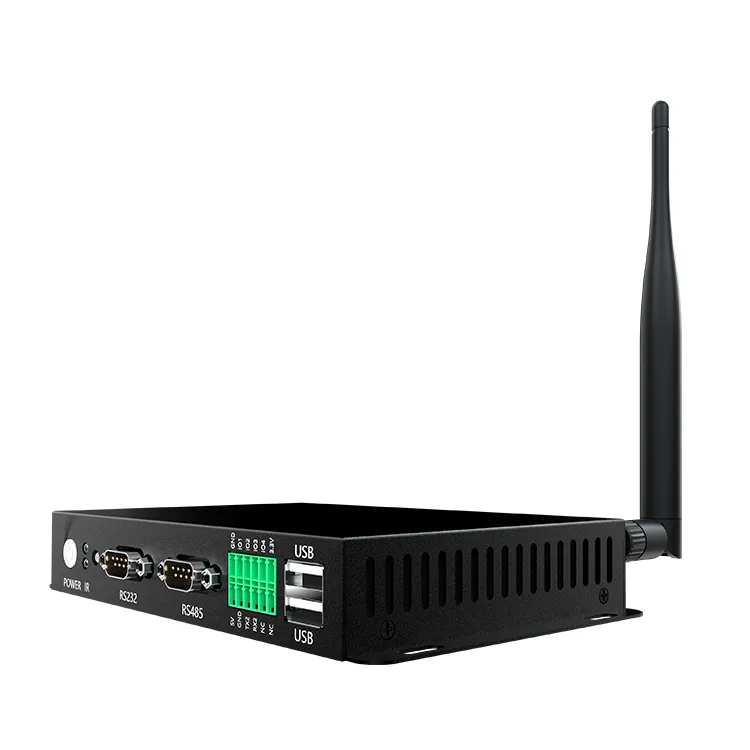
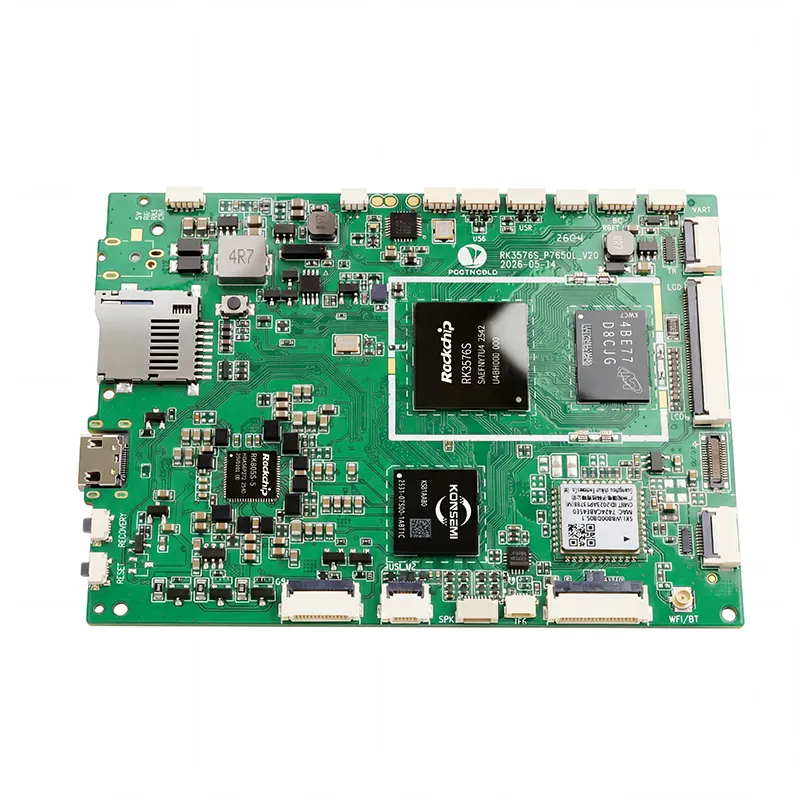
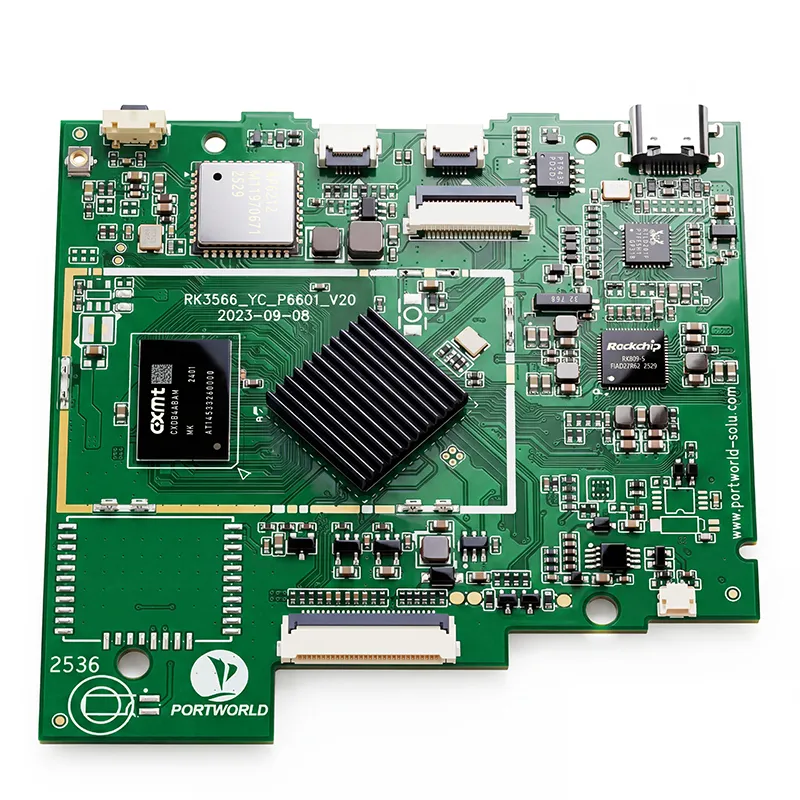
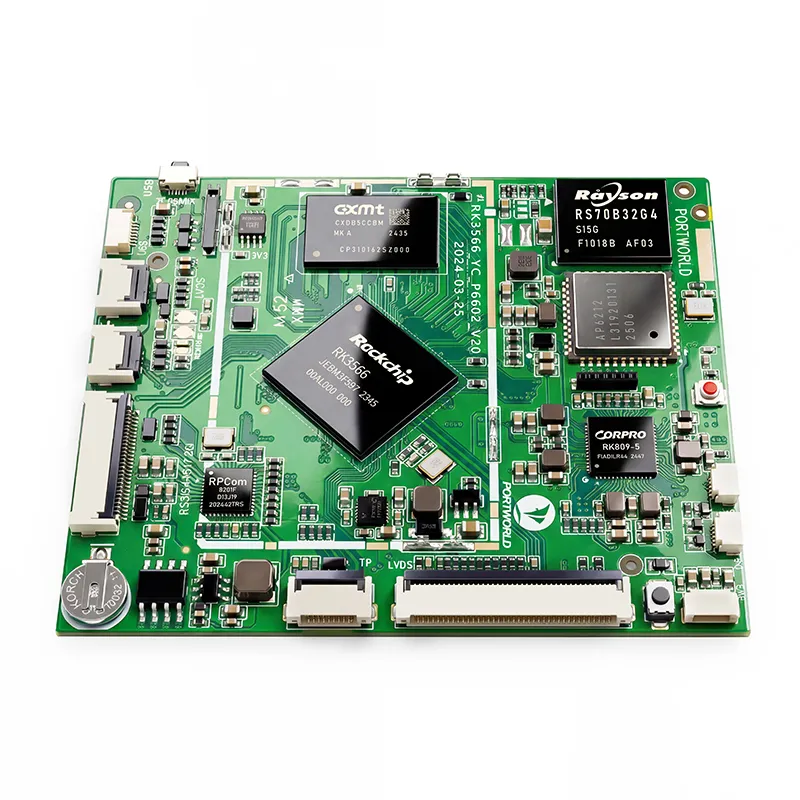
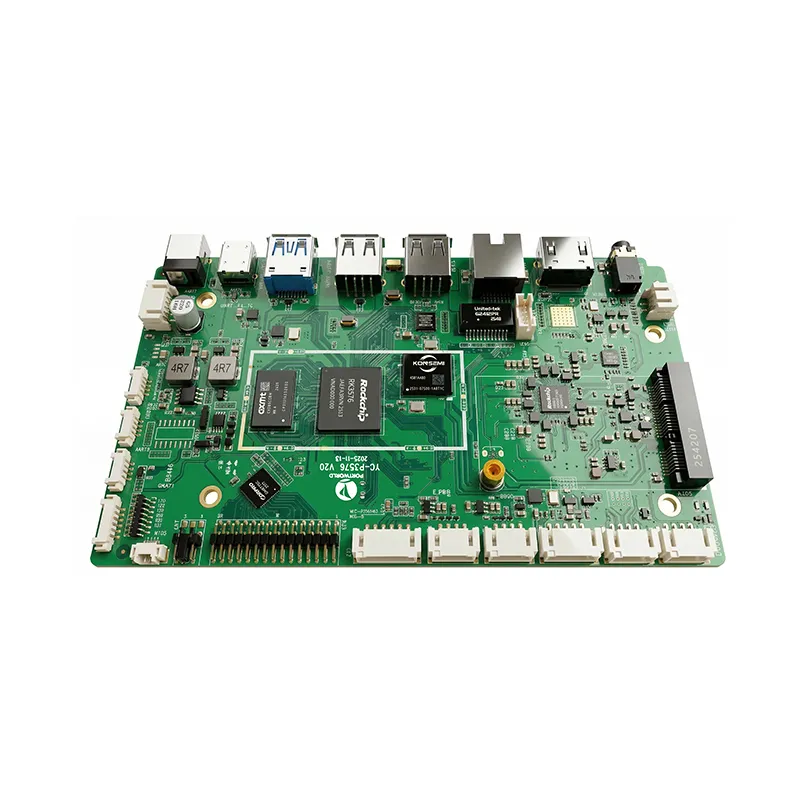
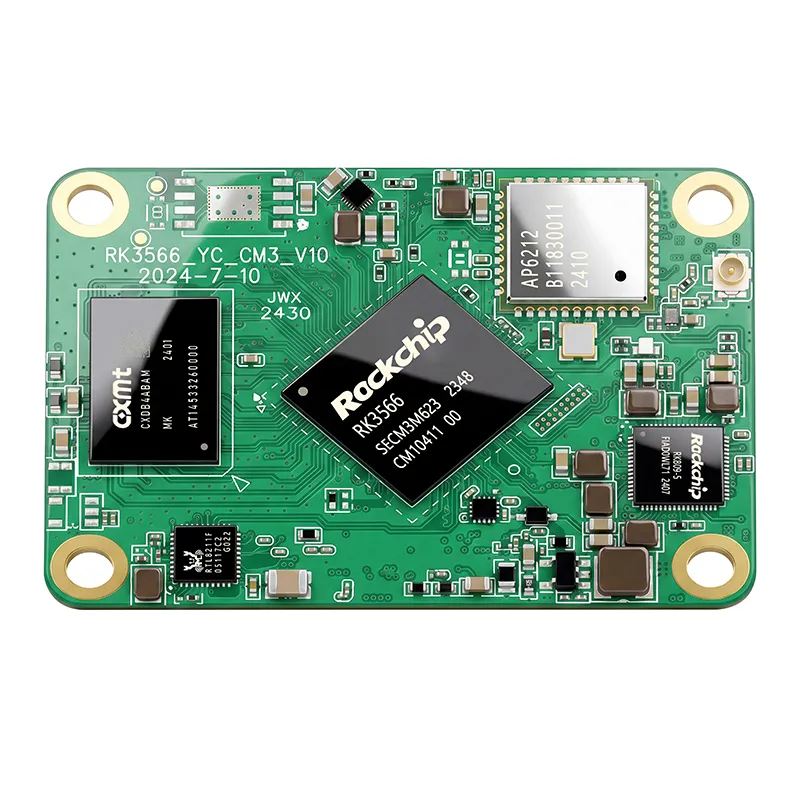
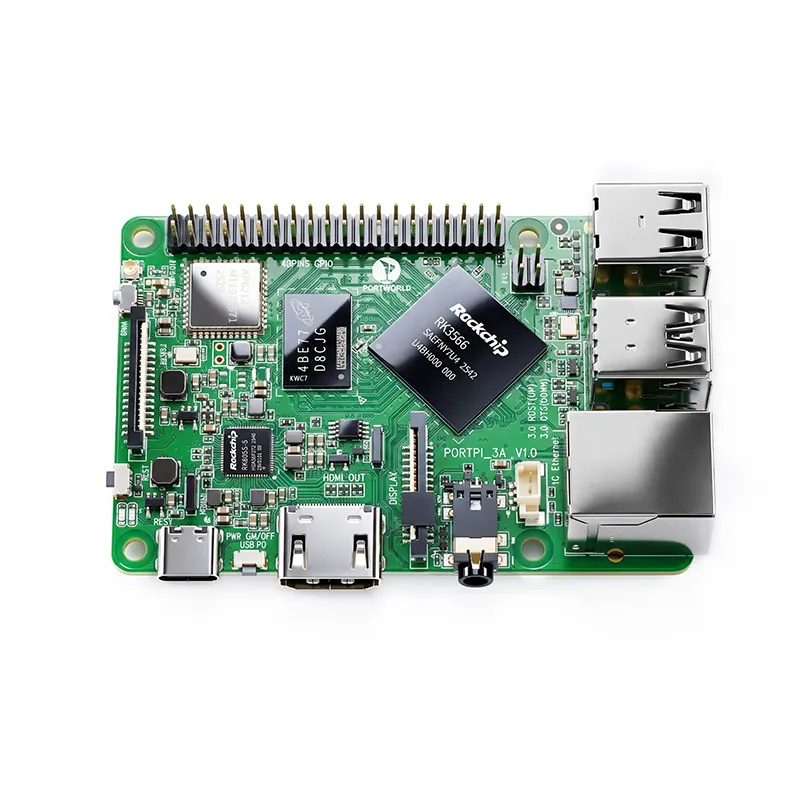
RK3576 Motherboard PCBA Design and Custom OEM/ODM Services
Apr 27,2026
The Next-Gen RK3588 Core board
Powerful, AI-Driven, High-Performance.Shop Now>




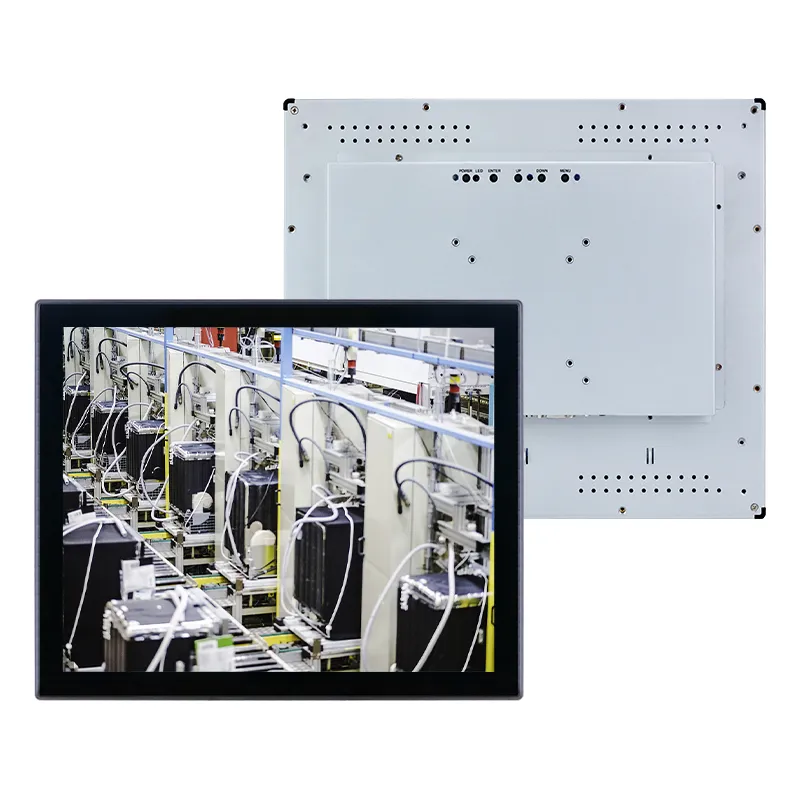
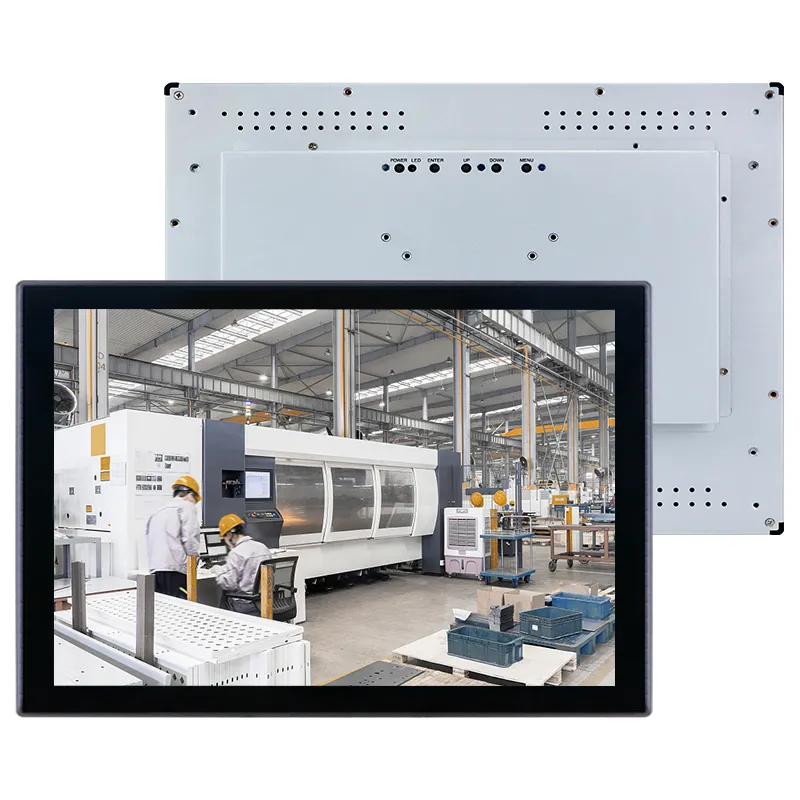
In industrial settings, the connectivity of displays is a vital aspect to consider when choosing a touchscreen monitor. Various machines, controllers, and embedded systems frequently utilize different video output standards, making compatibility a significant factor.
An industrial touchscreen monitor equipped with HDMI and VGA offers a versatile solution by accommodating both contemporary digital video signals and traditional analog connections. This feature facilitates seamless integration with industrial PCs, embedded computers, CNC machines, automation equipment, and other control systems.
Why Are HDMI and VGA Important for Industrial Touchscreen Monitors?
Industrial machinery typically has an extended service life, and numerous factories continue to operate legacy systems alongside newer technologies. While HDMI is prevalent in modern computing environments, VGA is still widely used in older industrial computers and control systems.
By supporting both interfaces, a single touchscreen monitor can connect to a broader array of devices without the need for additional converters.
HDMI Connectivity
HDMI offers:
Digital video transmission
High-definition image quality
Compatibility with modern industrial PCs and embedded systems
Simple connection to Android boxes, mini PCs, and various computing platforms
It is particularly suitable for applications that demand clear graphics, detailed monitoring displays, and multimedia content.
VGA Connectivity
VGA continues to be prevalent in industrial settings due to the reliance of numerous existing machines and controllers on this technology.
The advantages include:
Compatibility with older industrial computers
A stable connection for long-term equipment use
Ease of integration with legacy systems
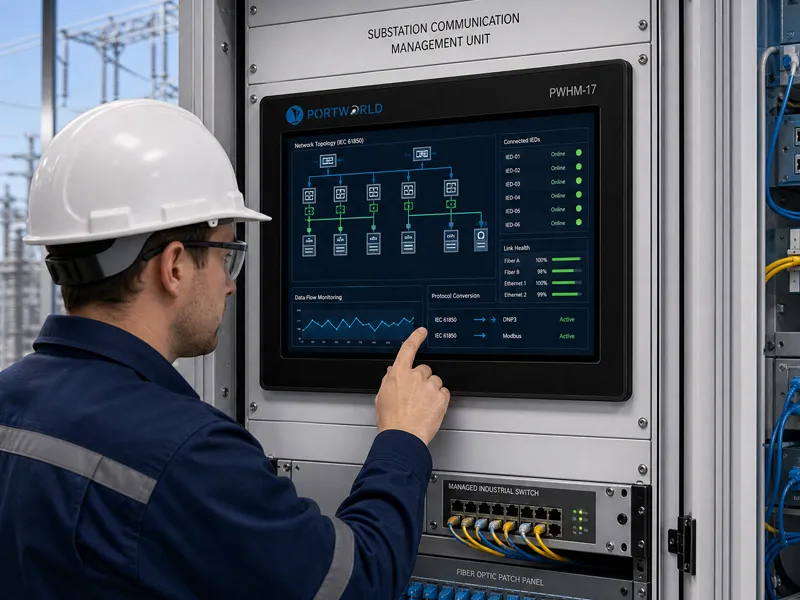
For factories that are modernizing their control interfaces, support for VGA is instrumental in prolonging the operational life of current equipment.
Applications of HDMI and VGA Industrial Touchscreen Monitors
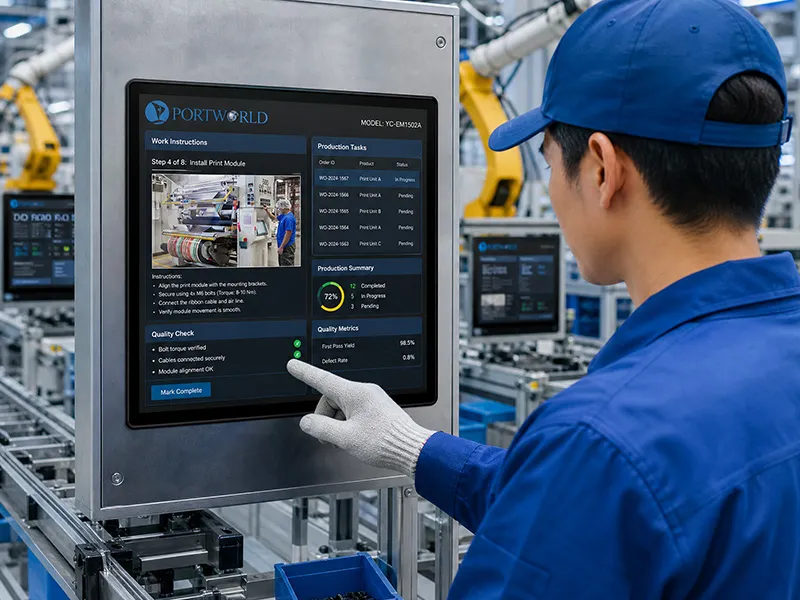
Industrial Automation and HMI Systems
Human Machine Interface (HMI) applications necessitate dependable interaction between operators and machinery.
An industrial touchscreen monitor equipped with HDMI and VGA can connect to:
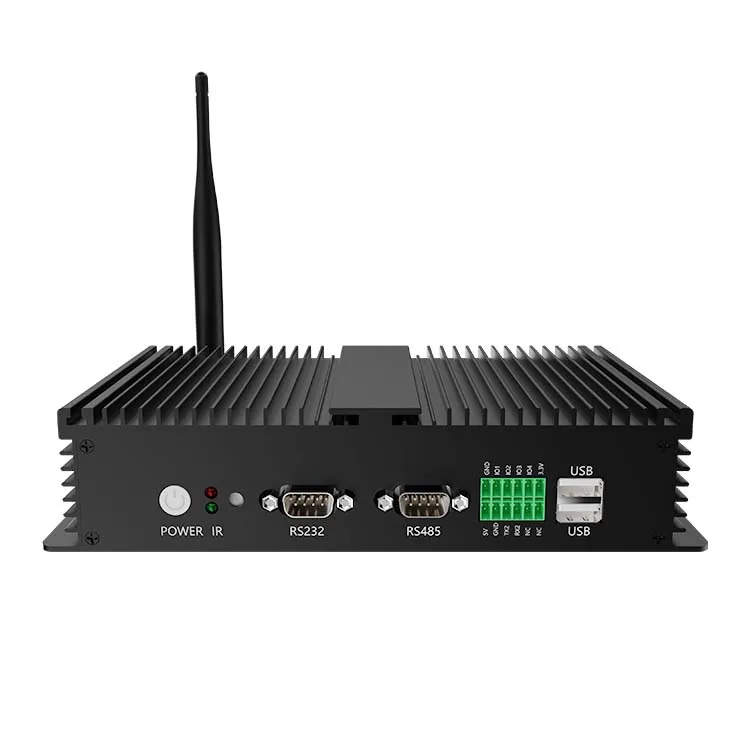
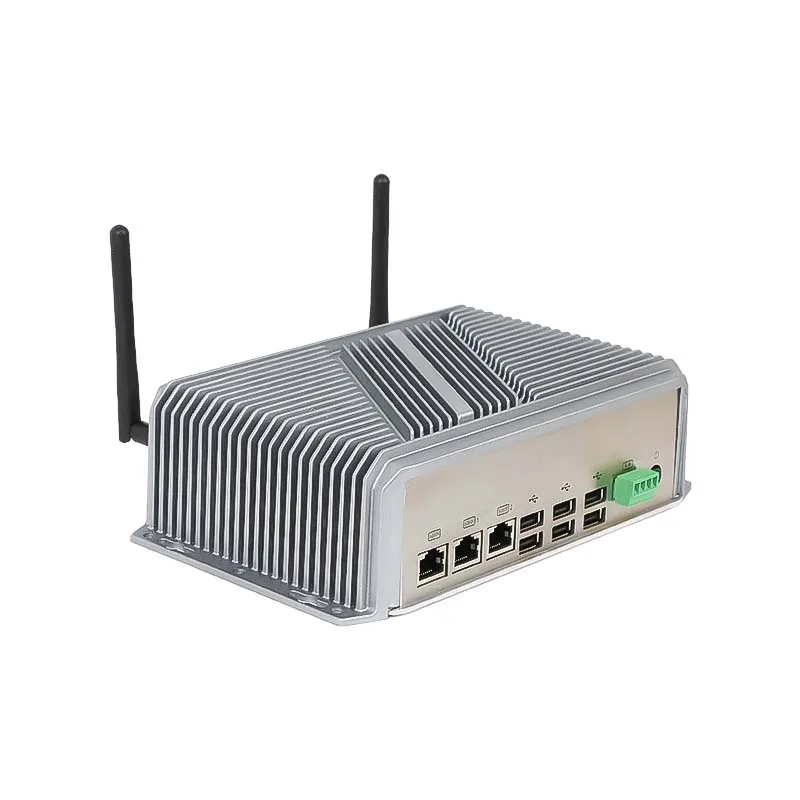
Industrial PCs
PLC control systems
Automation controllers
Production monitoring systems
Operators can effortlessly oversee machine status, modify parameters, and manage production workflows through a user-friendly touchscreen interface.
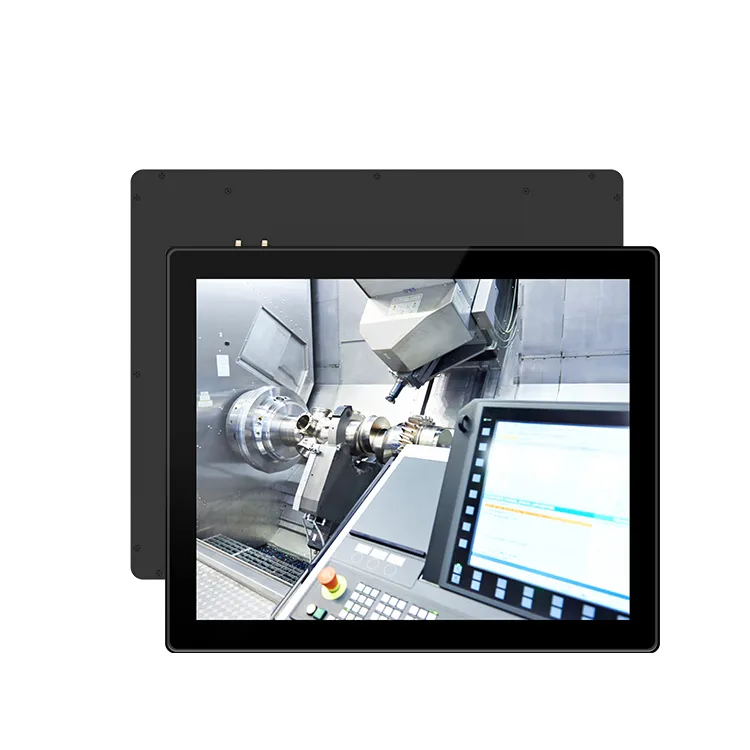
CNC Machine Control
CNC machinery frequently functions in challenging environments characterized by dust, vibrations, and the necessity for continuous operation.
A robust touchscreen monitor equipped with HDMI/VGA connectivity offers:
Clear visualization of machine data
Accurate touch control
Seamless connection with CNC controllers
Long-lasting operational dependability
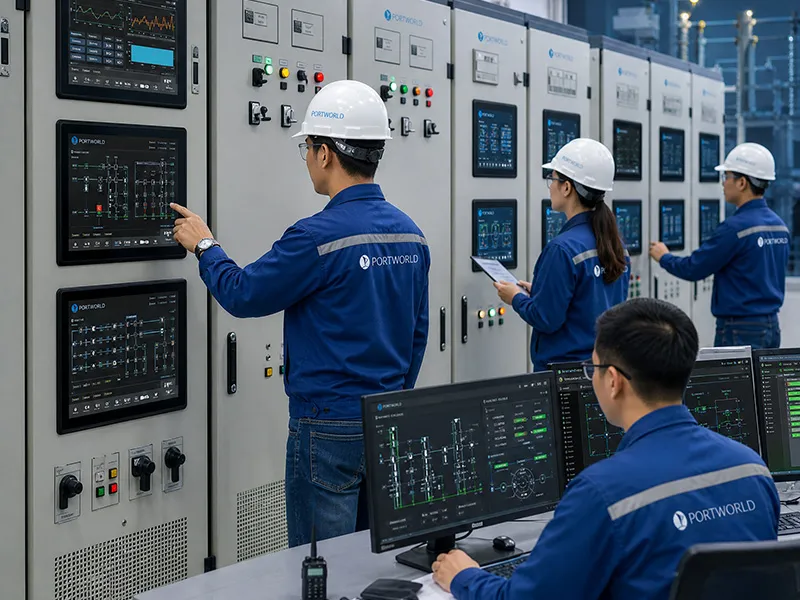
Factory Monitoring Systems
Manufacturing plants utilize industrial touchscreen displays for:
Production dashboards
Monitoring of equipment
Quality assurance systems
Data visualization
HDMI facilitates high-quality graphics, while VGA guarantees compatibility with pre-existing factory computers.
Digital Signage and Interactive Terminals
Industrial-grade touchscreen monitors are also employed in:
Smart kiosks
Retail terminals
Transportation displays
Self-service machines
Versatile video inputs simplify installation across various hardware platforms.
Key Features to Consider When Selecting an HDMI/VGA Industrial Touchscreen Monitor
1. Industrial-Grade Durability
In contrast to consumer displays, industrial touchscreen monitors are engineered for rigorous environments.
Key characteristics include:
Aluminum alloy casing
Fanless cooling system
Resistance to shock and vibration
Capability for continuous 24/7 operation
Extensive operating temperature range
These attributes ensure consistent performance in factories, workshops, and outdoor settings.
2. Touchscreen Technology
Industrial applications generally necessitate precise and robust touch interaction.
Common alternatives include:
10-point capacitive touch
Seamless multi-touch functionality
Quick response time
Comparable experience to tablets and smartphones
Resistive touch
Compatible with gloves or industrial tools
Ideal for certain manufacturing conditions
3. IP65 Protection
In industrial settings, safeguarding against dust and moisture is crucial.
A front panel with an IP65 rating offers:
Dust protection
Water splash resistance
Simplified cleaning and maintenance
This renders the monitor appropriate for production lines, machine control stations, and challenging environments.
4. Mounting Flexibility
Industrial touchscreen monitors frequently require adaptability to various installation settings.
Typical mounting techniques consist of:
Embedded mounting
Panel mounting
VESA mounting
Wall mounting
Desktop installation
Versatile mounting options facilitate seamless system integration.
HDMI vs VGA: Which Interface Should You Choose?
| Feature | HDMI | VGA |
|---|---|---|
| Signal Type | Digital | Analog |
| Image Quality | Higher | Standard |
| Compatibility | Modern systems | Legacy systems |
| Common Applications | Industrial PCs, mini PCs, smart terminals | Older controllers and industrial computers |
In new projects, HDMI is typically favored for its superior image quality. Nevertheless, VGA continues to hold significance when it comes to integrating with pre-existing industrial equipment.
To enhance compatibility and minimize upgrade expenses, many industrial projects opt for monitors that support both HDMI and VGA.
Portworld HDMI & VGA Industrial Touchscreen Monitor Solutions
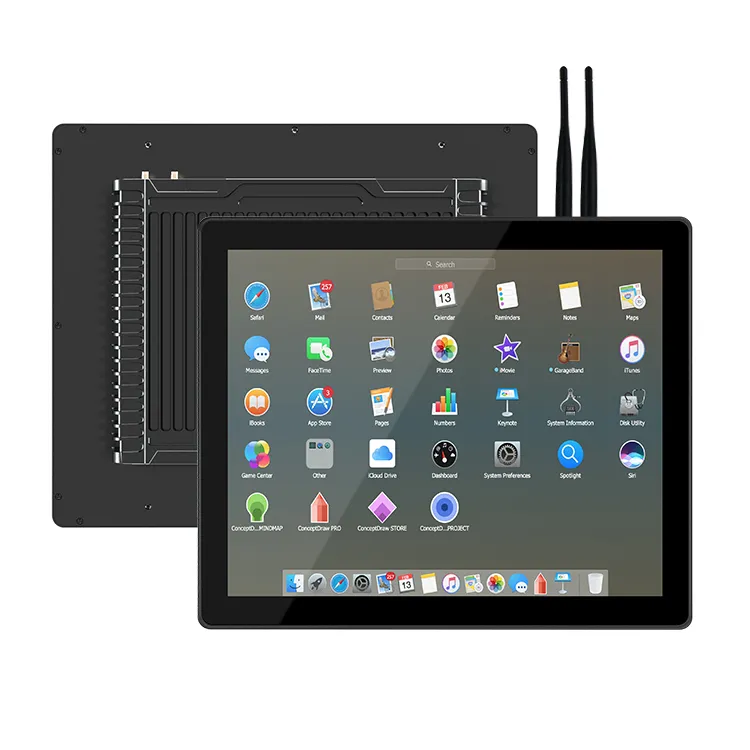
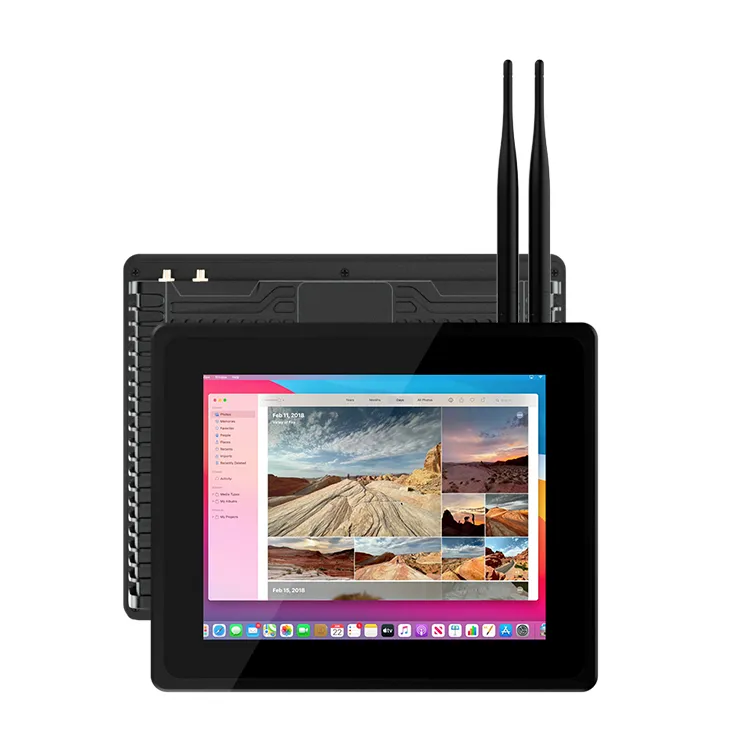
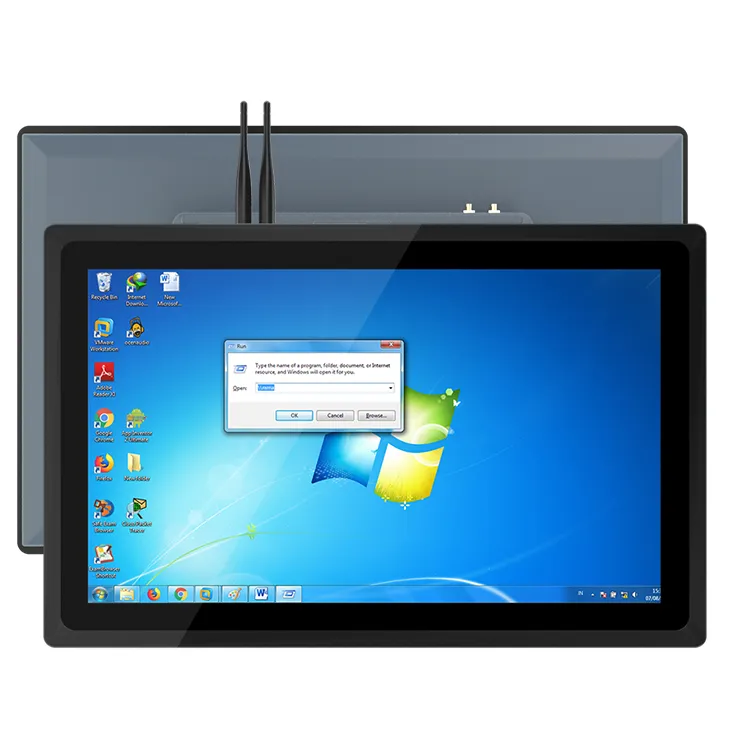
Portworld offers customizable industrial touchscreen monitors tailored for automation, embedded systems, and commercial uses.
Our solutions encompass:
HDMI and VGA video inputs
10-point capacitive touch
Various screen sizes
Compatibility with Android, Linux, and Windows
OEM/ODM customization options
Designs with industrial-grade protection
Our available models range from compact embedded touch displays to larger industrial panel solutions, suitable for applications such as:
Factory automation
CNC control
Smart manufacturing
Medical equipment
Digital kiosks
Industrial monitoring systems