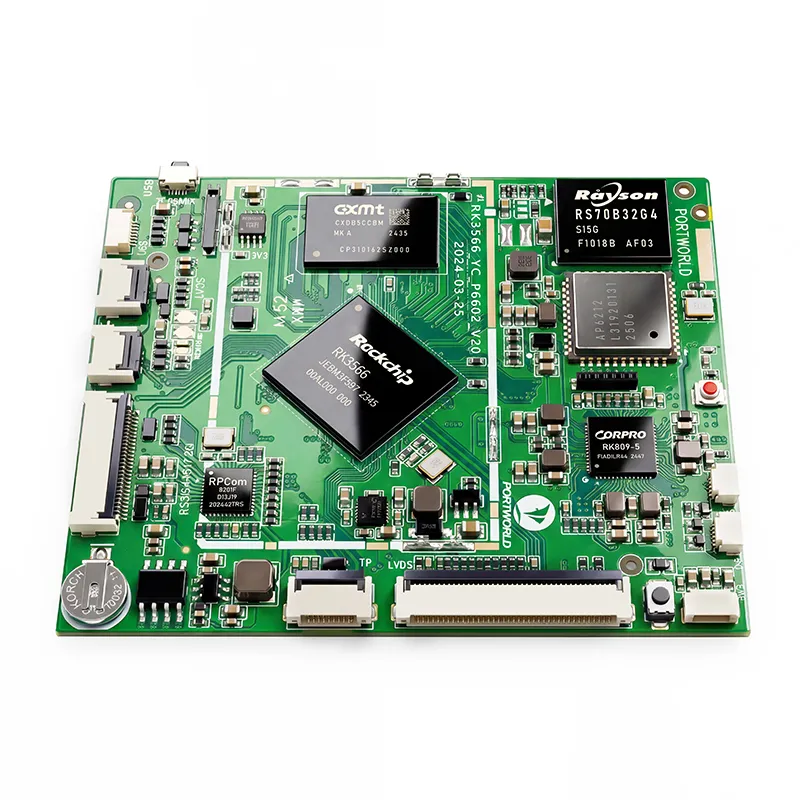
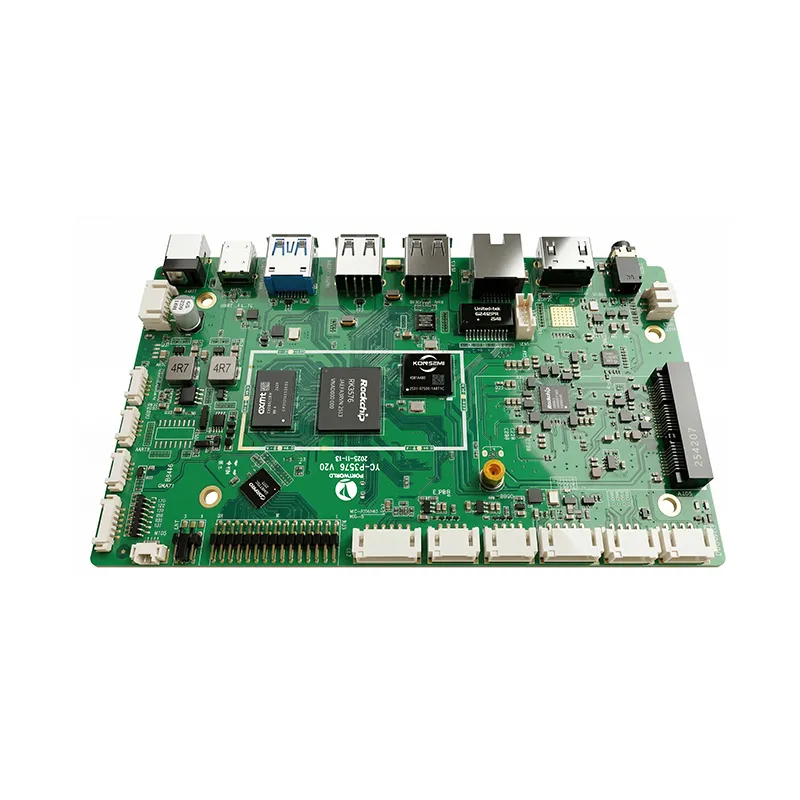
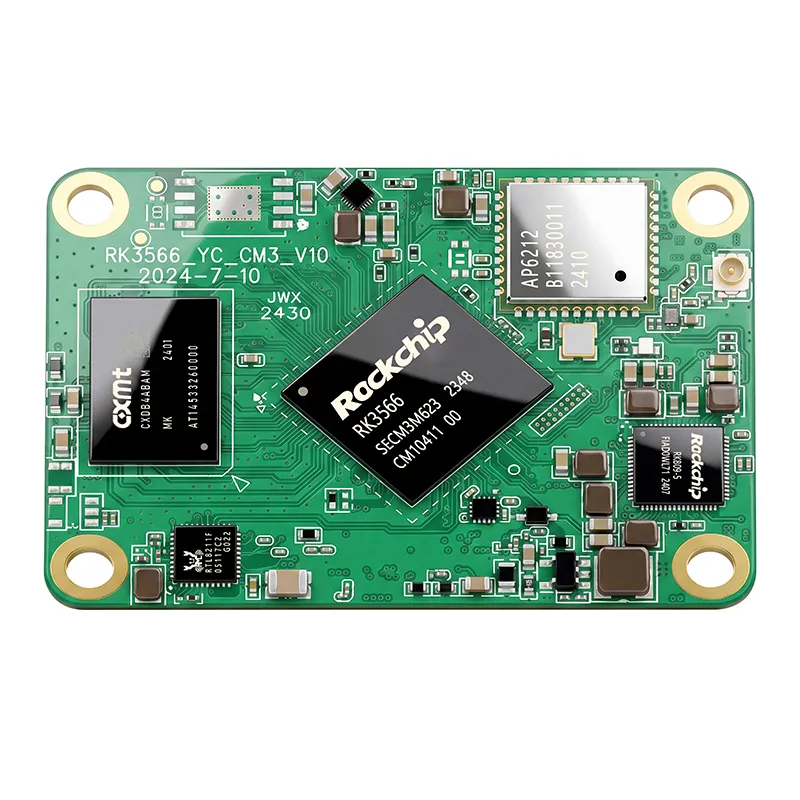
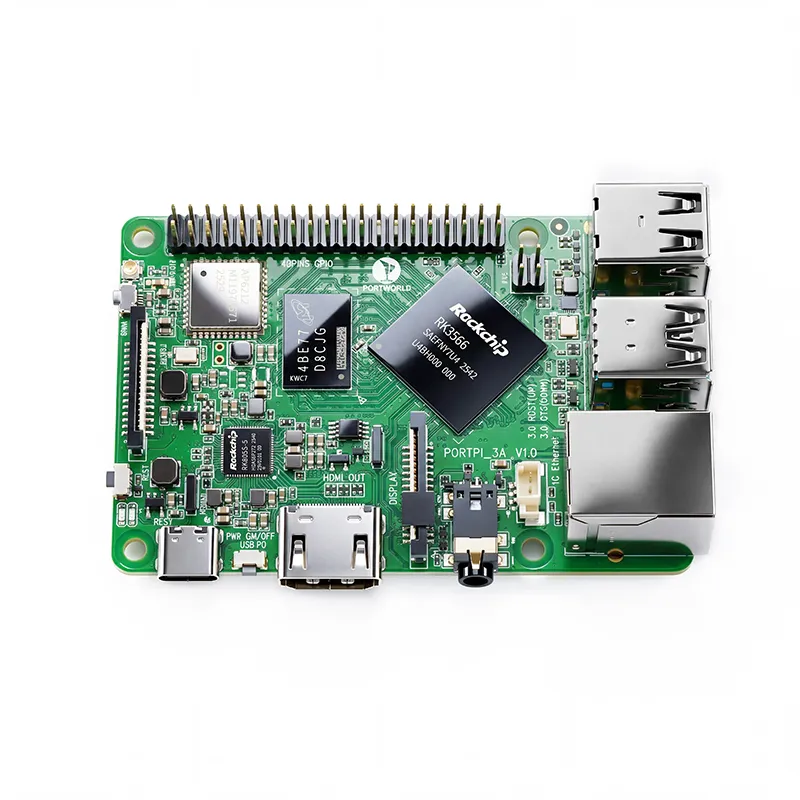

RK3576 Motherboard PCBA Design and Custom OEM/ODM Services
Apr 27,2026
The Next-Gen RK3588 Core board
Powerful, AI-Driven, High-Performance.Shop Now>


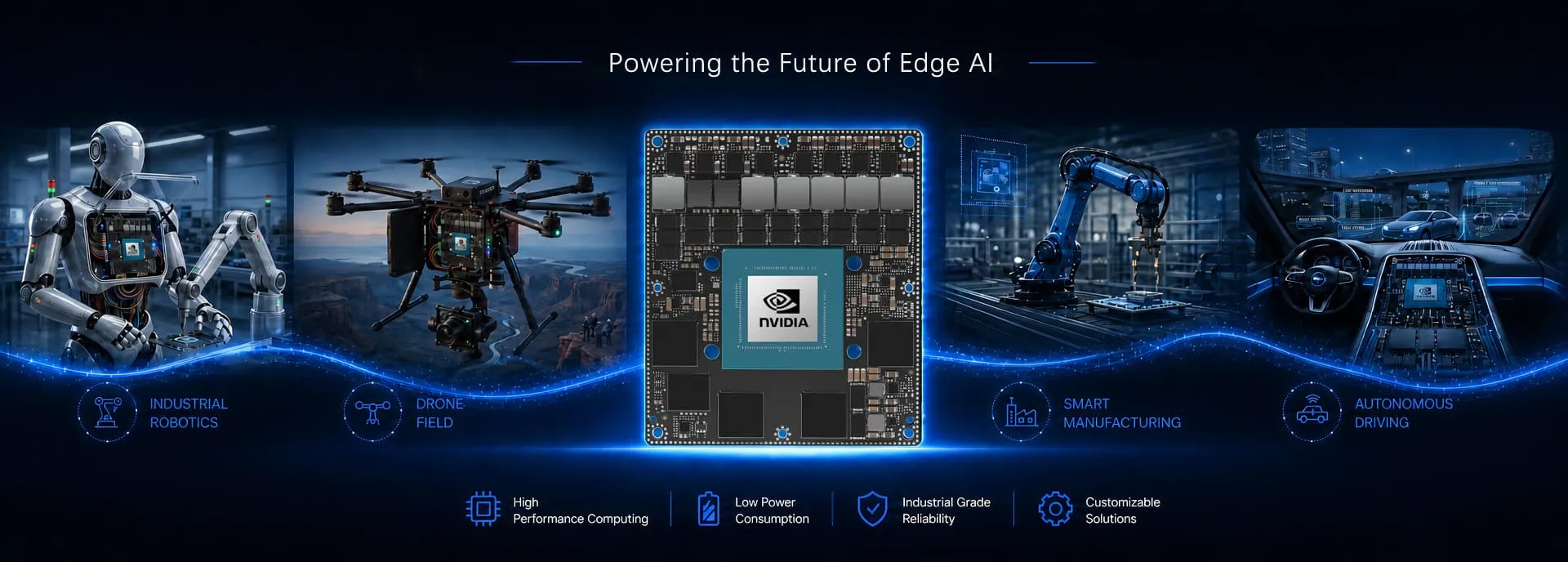


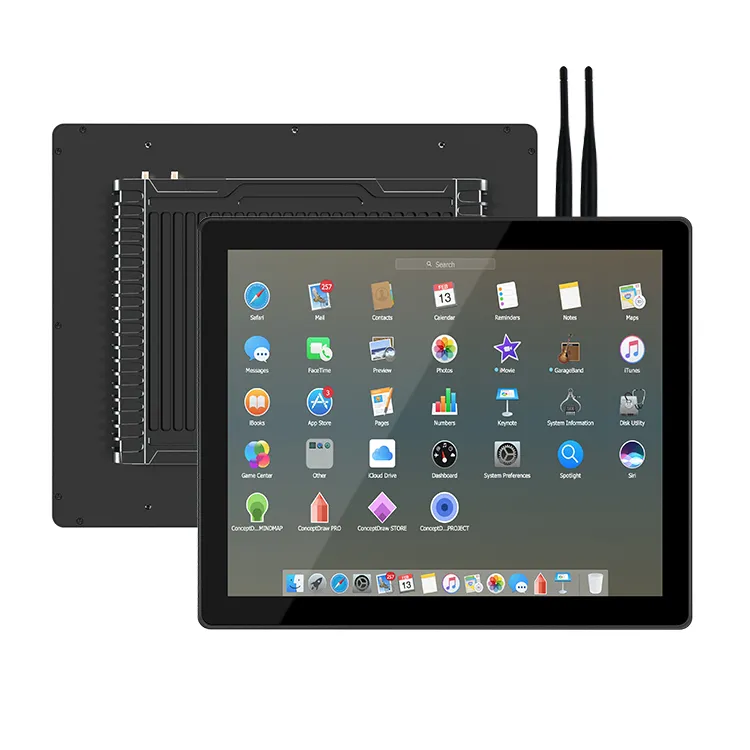
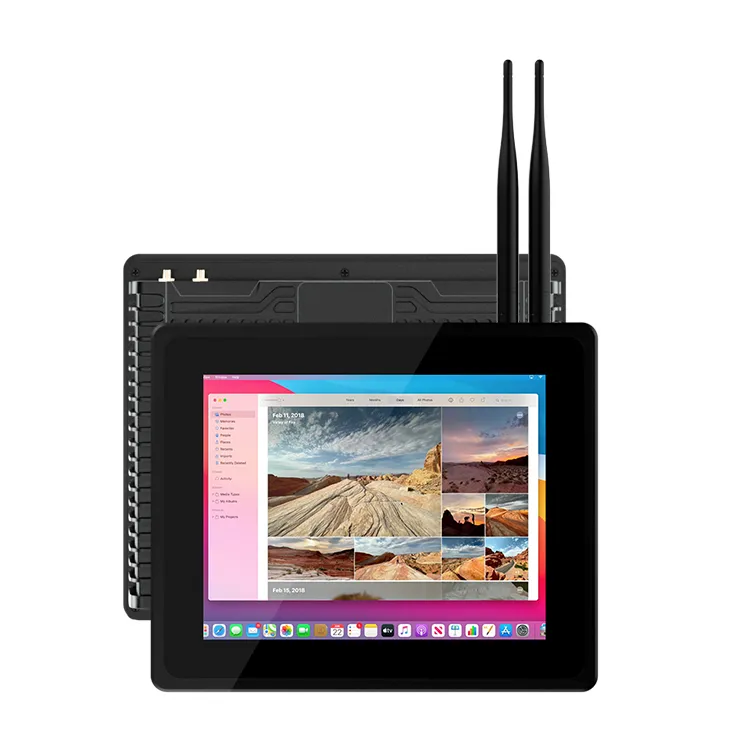
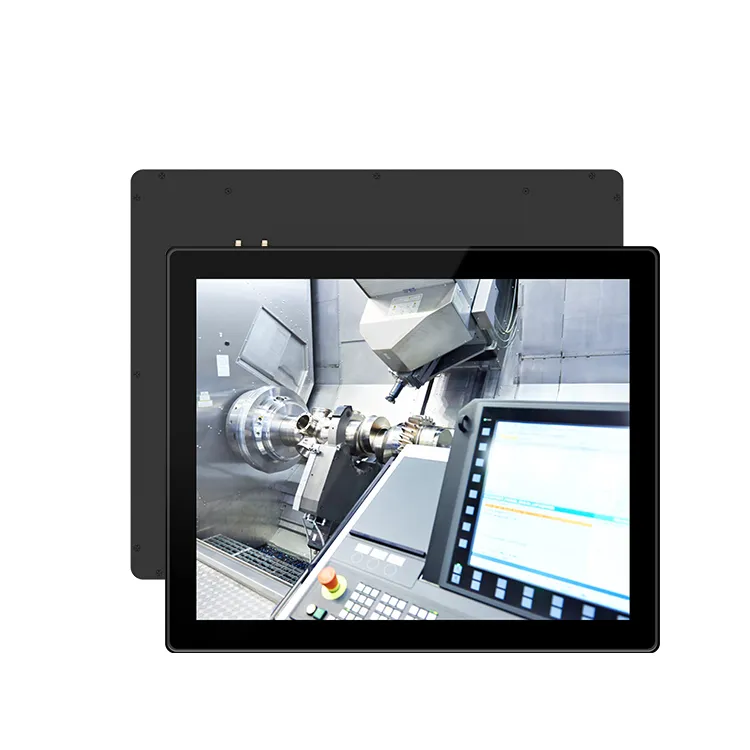
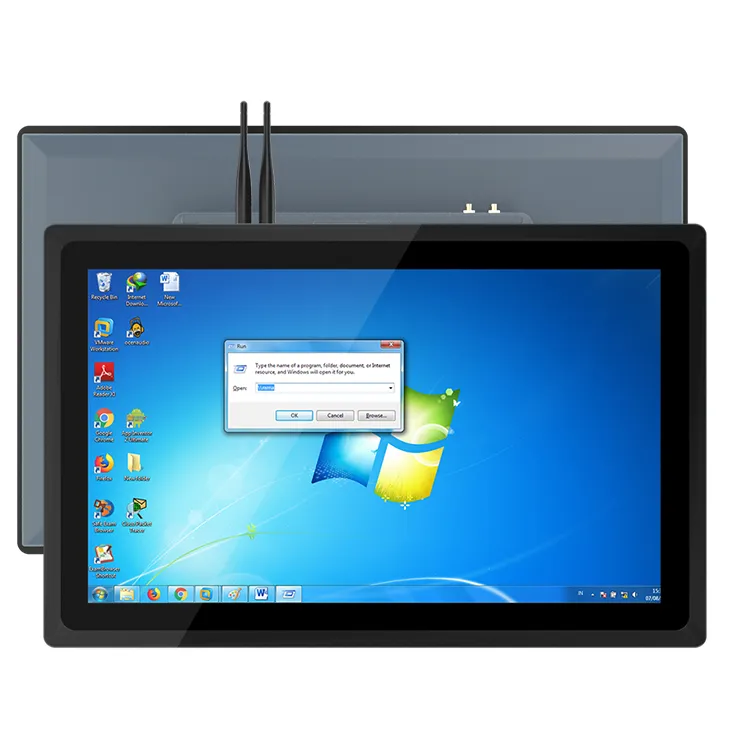
Industrial Human-Machine Interfaces (HMIs) enable operators to supervise equipment, modify operating parameters, review alarm notifications, and engage with industrial systems via touchscreen technology. As industrial equipment becomes increasingly interconnected, manufacturers require HMI platforms featuring tailored displays, specialized communication interfaces, and customized software capabilities.
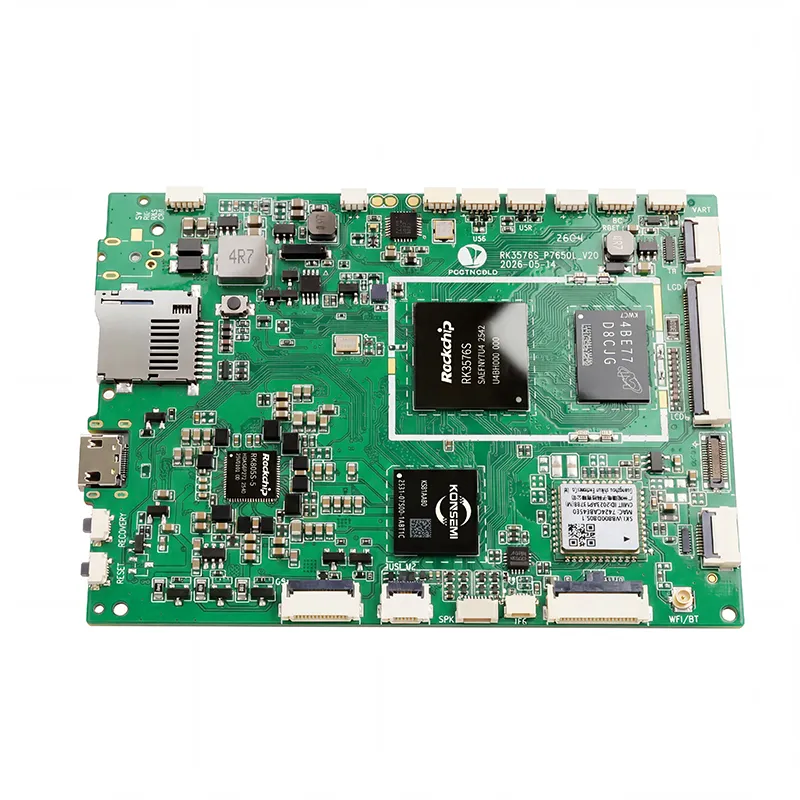
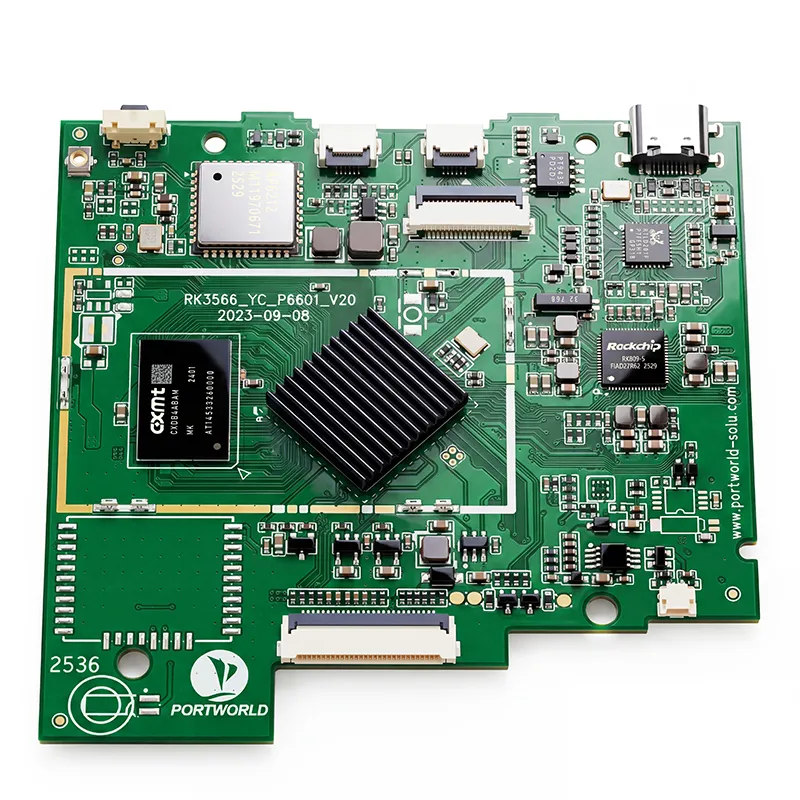
A custom embedded mainboard facilitates the development of an HMI aligned with the specific operational requirements of the equipment, eliminating the necessity to compromise the entire product to accommodate the constraints of a conventional board.
1. Select an Appropriate Processor and Mainboard Configuration
The initial phase involves establishing the HMI's computational demands. A fundamental machine control interface may require only a responsive graphical user interface and serial communication protocols, whereas a sophisticated HMI may demand multiple display outputs, video processing capabilities, networking functionality, or integrated local artificial intelligence inference.
Processor solutions including Rockchip RK3566, RK3568, and RK3576 warrant evaluation based on computational performance, interface specifications, software support, and financial constraints.
Mainboard architecture should additionally account for memory capacity, data storage solutions, electrical power requirements, thermal management, and physical installation specifications. Determining these parameters at an early stage facilitates the reduction of hardware modifications throughout the development lifecycle.
2. Personalize Display, Touch, and Industrial Interfaces
The display represents one of the most prominent components of an industrial HMI; however, its incorporation extends beyond merely determining screen dimensions.
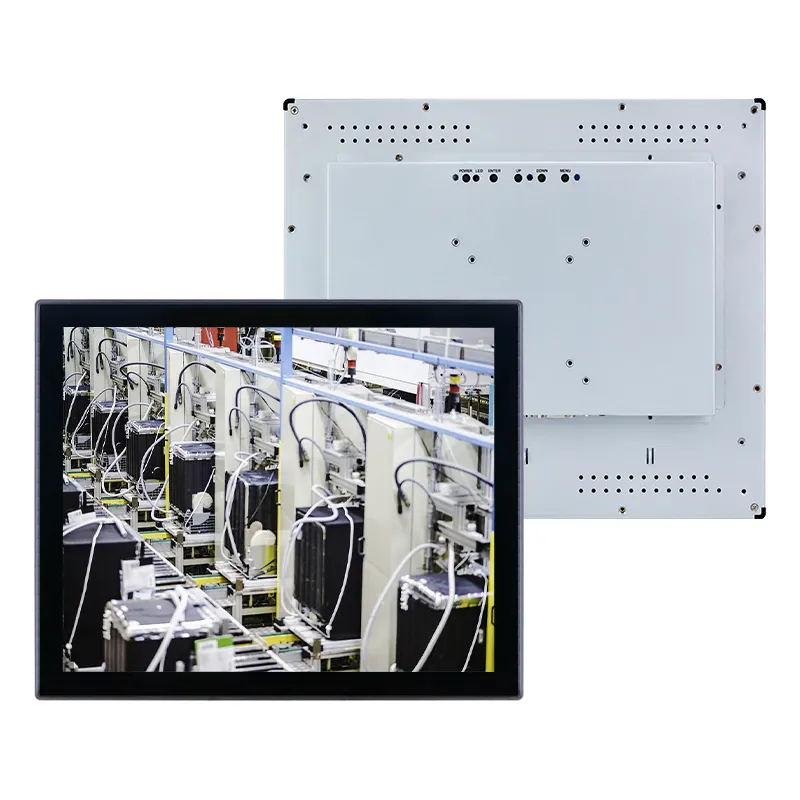
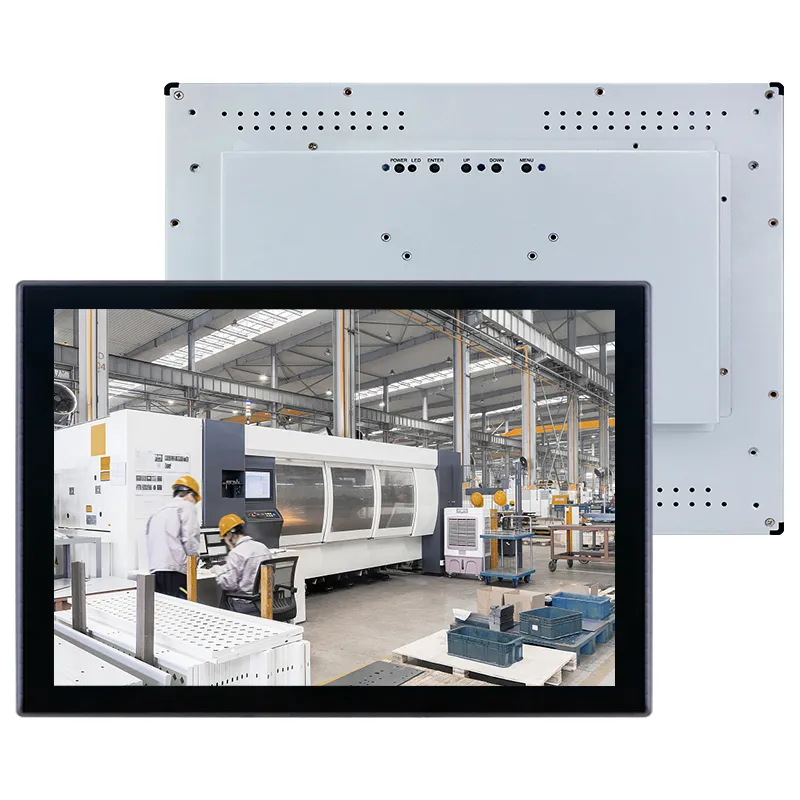
Developers must assess display resolution, luminosity, display connectivity protocol, touch-controller compatibility, and physical mounting requirements. The mainboard must facilitate the necessary display connection and deliver appropriate driver support.
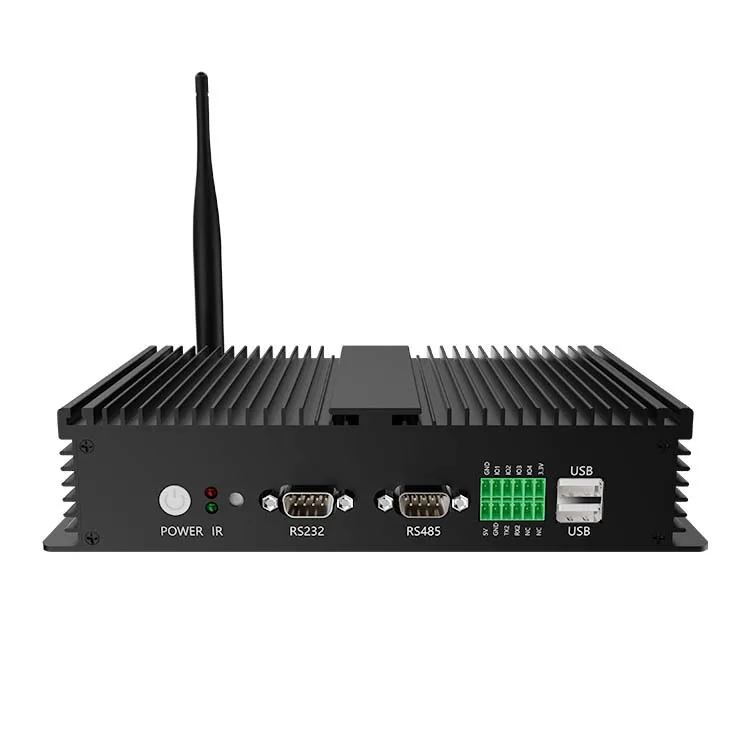
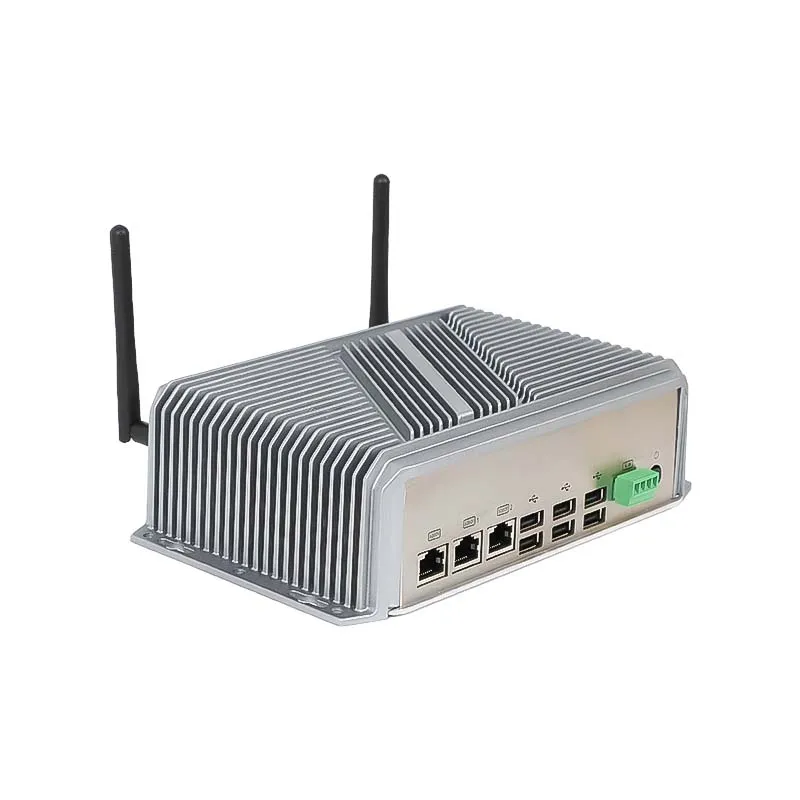
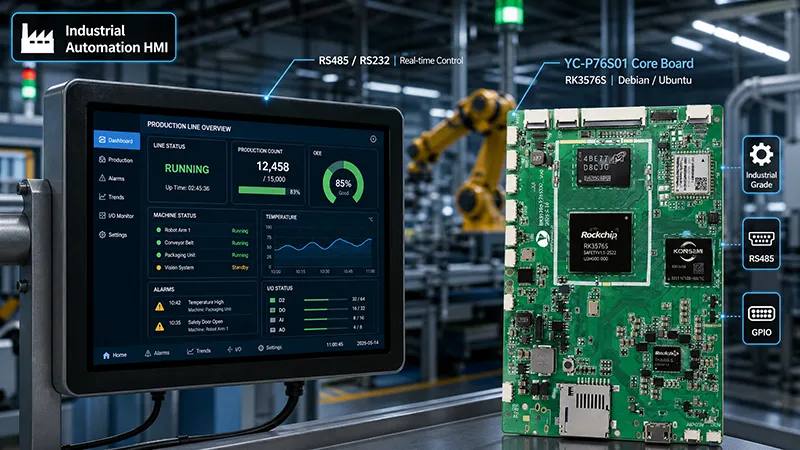
Industrial connectivity holds equivalent significance. Contingent upon the specific application, an HMI may require Ethernet, RS485, RS232, CAN, USB, or GPIO connectivity.
As an illustration, an HMI deployed with manufacturing equipment may establish communication with a PLC via Modbus RTU utilizing RS485, whereas Ethernet facilitates connection between the terminal and a supervisory monitoring system. Interface safeguarding, signal isolation, connector positioning, and electrical conformance warrant consideration throughout the mainboard design phase.
A purpose-built mainboard or carrier board can consolidate the requisite interfaces into a more streamlined and efficient hardware configuration.
3. Establish the Embedded Software Architecture and User Interface
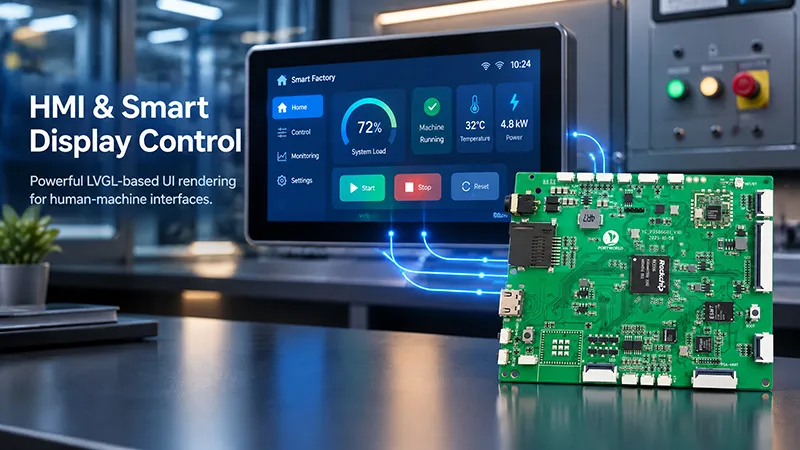
The software framework serves as the intermediary between hardware components and operator activities. The selection between Linux or Android should be determined by application requirements, including system complexity, driver availability, and pre-existing software dependencies.
Regarding the graphical interface, engineers may select from frameworks such as LVGL, which provides lightweight solutions for embedded displays, or Qt-based alternatives for applications requiring advanced graphical capabilities.
The software implementation must encompass considerably more than visual presentation layers. Essential components include communication protocols, system status tracking, fault notification mechanisms, core operational logic, and system restoration procedures.
In industrial contexts, the human-machine interface must explicitly communicate network disruptions and stale information rather than misrepresenting outdated data as current. Watchdog timer mechanisms, managed firmware deployment procedures, and role-based access controls collectively enhance overall system dependability.
4. Establish Reliability Validation Prior to Mass Production
An HMI prototype may demonstrate satisfactory performance in a laboratory development environment but may exhibit different behavior when installed within a sealed industrial enclosure or positioned adjacent to electrically noisy equipment.
Prior to initiating production, conduct comprehensive system testing under authentic operational conditions, encompassing:
Display and touchscreen precision and responsiveness.
Extended operational duration and thermal management performance.
Communication dependability with integrated equipment.
Power cycle resilience and recovery from exceptional circumstances.
Firmware deployment procedures and system restart functionality.
Enclosure compatibility, connector accessibility, and cable management.
Production strategy should additionally address component sourcing reliability, manufacturing process uniformity, firmware revision management, and comprehensive functional assessment of individual units.
Conducting integrated validation of hardware and software components facilitates the detection of compatibility challenges before they escalate into costly manufacturing complications.
Portworld specializes in providing embedded hardware solutions and comprehensive OEM/ODM customization services for industrial touch displays, intelligent control panels, and embedded mainboards.
Customization of industrial HMI systems may encompass processor and memory configuration, display and touch technology integration, industrial interface setup, PCB/PCBA design and manufacturing, and Android or Linux system adaptation, contingent upon specific project requirements.
Regardless of whether the application serves as a factory machine interface, equipment monitoring terminal, or industrial control panel, the development process should commence with a comprehensive specification document that addresses display specifications, interface requirements, operating environment conditions, software functionality, and anticipated production volume.
A purpose-built embedded mainboard enables these requirements to be evaluated collectively, resulting in an HMI platform specifically engineered for the intended product rather than relying on a generic development platform.