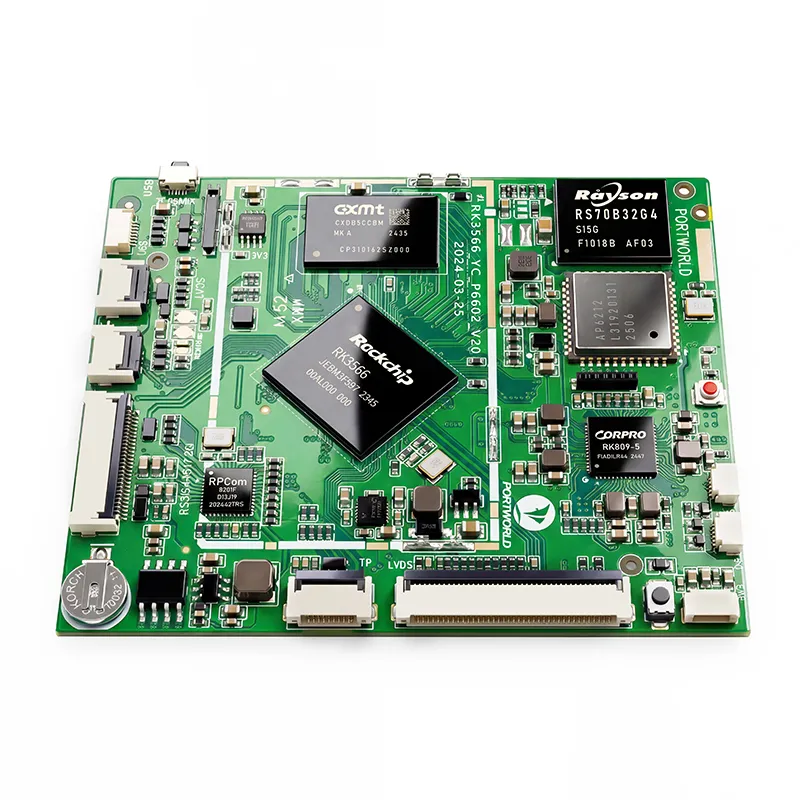
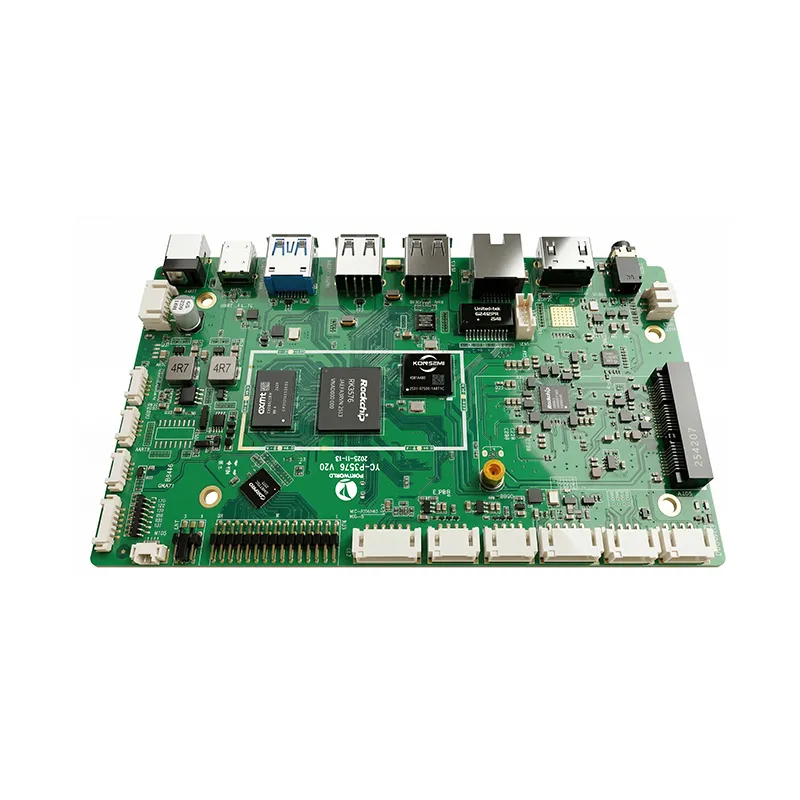
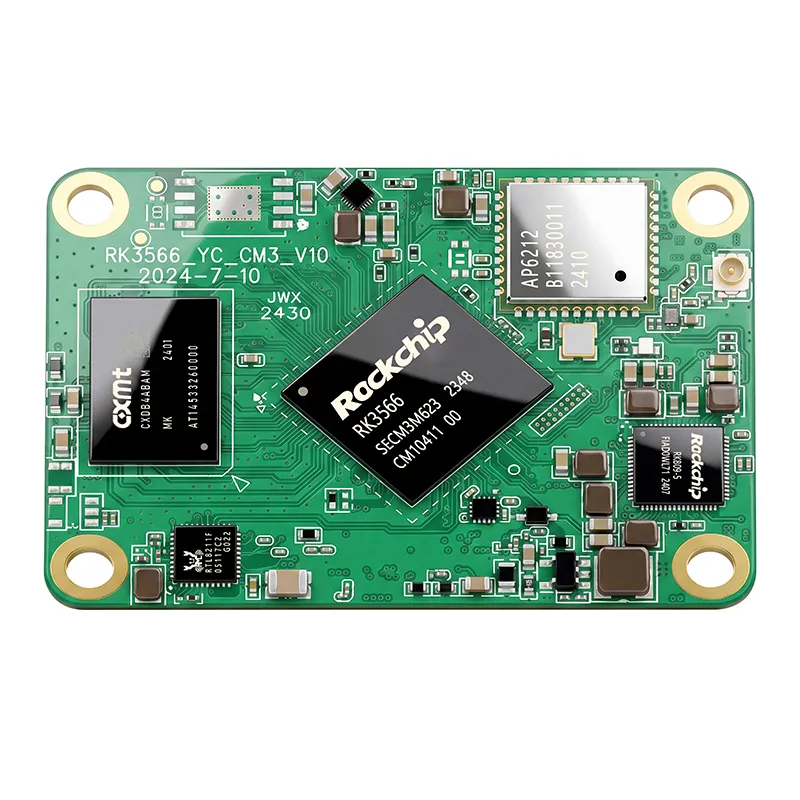
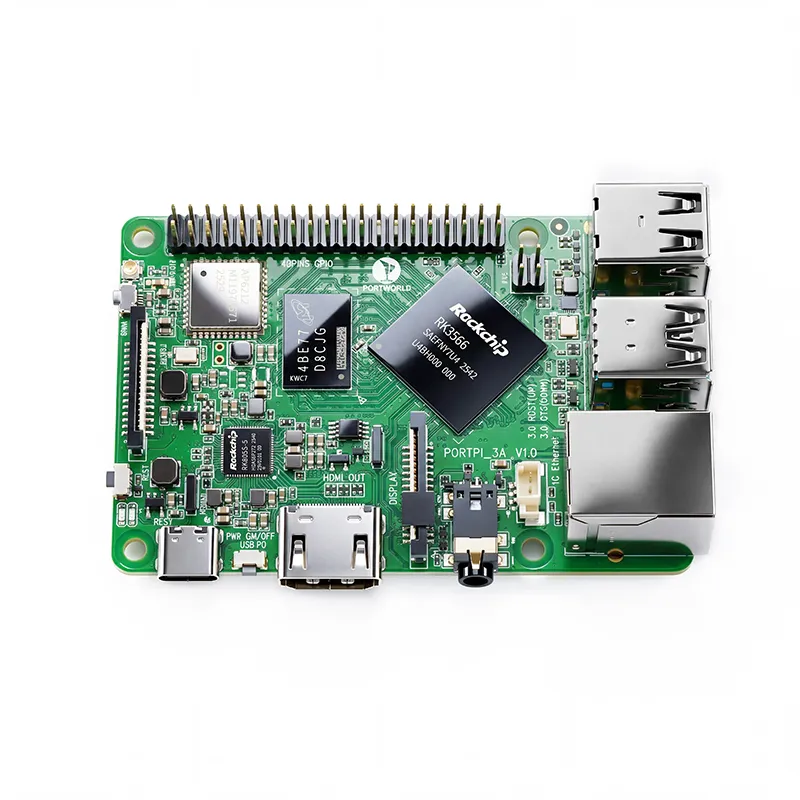

RK3576 Motherboard PCBA Design and Custom OEM/ODM Services
Apr 27,2026
The Next-Gen RK3588 Core board
Powerful, AI-Driven, High-Performance.Shop Now>




Contemporary intelligent buildings frequently integrate lighting systems, HVAC equipment, window coverings, sensor networks, and various interconnected devices. Nevertheless, these components may employ disparate communication protocols. Consolidating KNX, RS485, and GPIO technologies into a unified smart control infrastructure enables a central touchscreen interface or embedded processing unit to orchestrate comprehensive building automation and manage local hardware operations.
The fundamental principle involves recognizing the distinct function of each interface and establishing connections through an appropriate combination of hardware infrastructure and software framework.
Comprehending the Three Interface Technologies
KNX: Building automation communication protocol
KNX represents a standardized building automation framework extensively deployed for illumination control, HVAC management, automated shading systems, and power consumption optimization. A KNX-compatible smart control panel facilitates communication with corresponding KNX devices via an appropriate KNX interface or bus coupling mechanism. KNX TP implementations necessitate a suitable KNX bus power supply and appropriately configured equipment. <Cite refs={["turn962450search0","turn962450search2"]}/>
RS485: Industrial equipment communication standard
RS485 constitutes a differential electrical signaling specification predominantly utilized for interfacing with measurement instruments, sensing devices, HVAC systems, and industrial control units. It is regularly integrated with communication protocols including Modbus RTU.
For successful integration, the control unit requires a compatible RS485 transceiver module, appropriate cabling infrastructure, and corresponding software interfaces. Network termination resistance, bias voltage configuration, electrical grounding, and device identification parameters should be evaluated in accordance with the overall network architecture.
GPIO: Immediate circuit control capability
GPIO connections permit an embedded processing unit to capture digital input signals or regulate external electrical circuits. These connections serve applications including user input devices, operational status monitoring, and fundamental hardware activation mechanisms.
Conversely, GPIO functions at predetermined logic voltage thresholds and must not directly energize high-voltage systems or loads surpassing its technical specifications. Electromagnetic relays, optical isolation components, or amplification circuits may be necessary for managing external systems.
Integration Methodology for Unified System Architecture
An effective architectural approach employs a sophisticated control interface or integrated processing board as the primary user interaction point and operational management hub.
KNX-compatible devices execute standardized building management operations, including illumination regulation and window covering automation.
RS485-based devices facilitate data exchange with compatible measurement instruments, environmental sensors, climate control systems, or Modbus-compliant apparatus.
GPIO interfaces manage discrete digital inputs and foundational control signals via appropriate signal conditioning circuits.
The application software layer consolidates these operational components. It aggregates information from KNX and RS485 devices, refreshes the display interface, and executes directives based on operator input or programmed automation protocols.
As an illustration, an operator may modify ambient lighting parameters via KNX protocol, examine thermal measurements obtained from an RS485-interfaced instrument, and supervise an access-point status signal via GPIO—all accessible through a single integrated control interface.
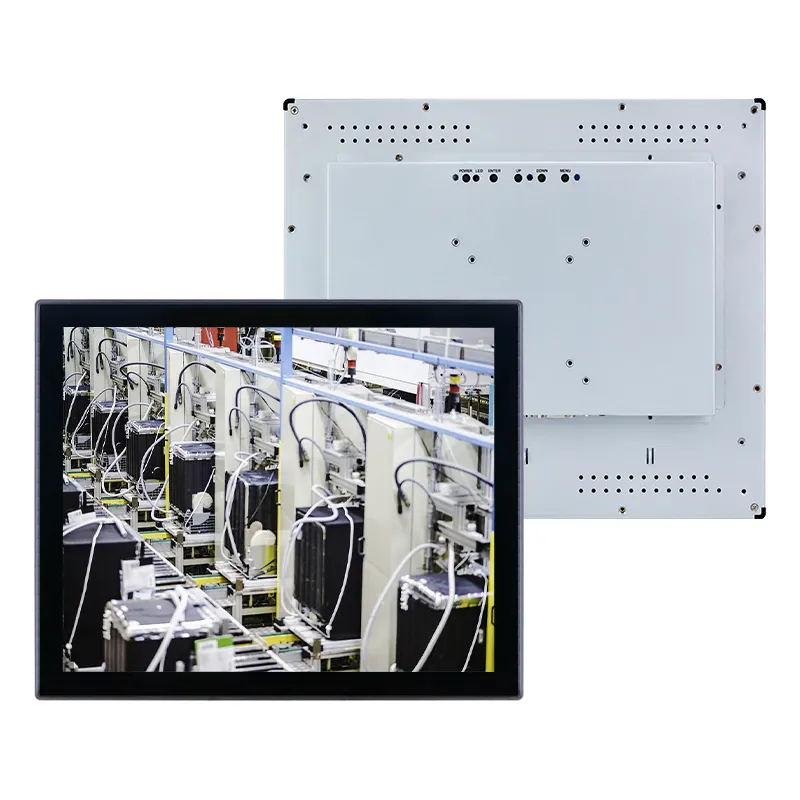
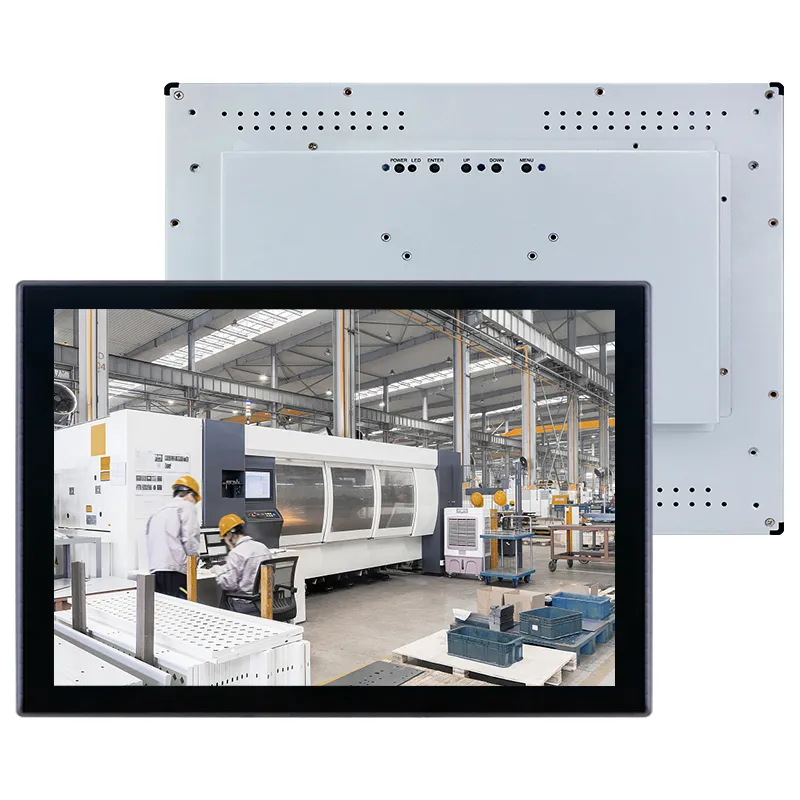
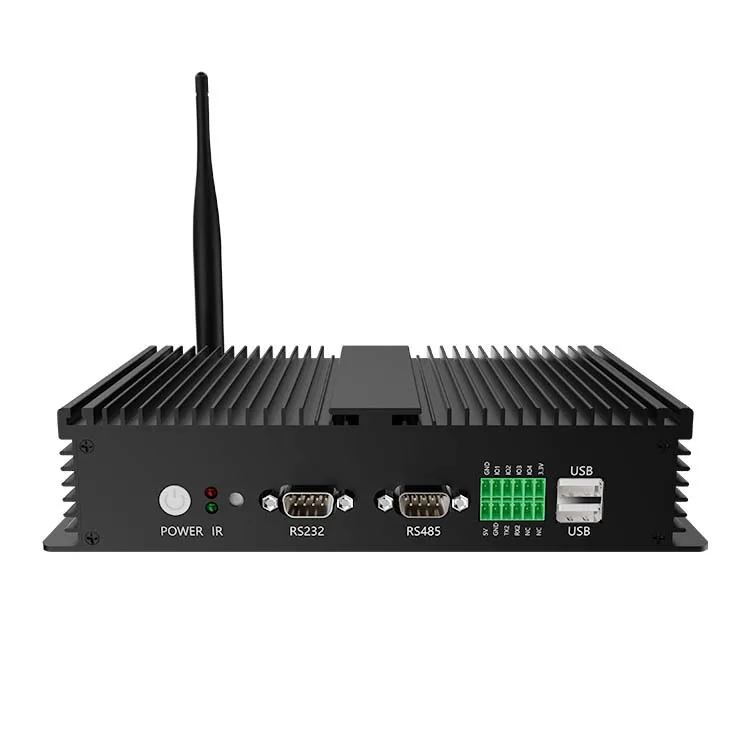
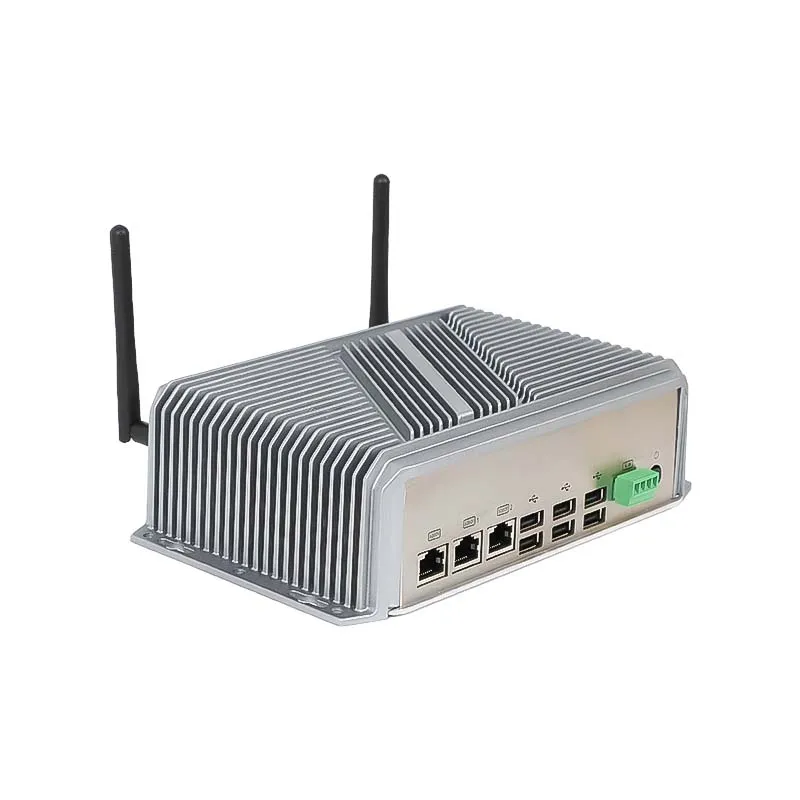
When evaluating a smart control panel or embedded mainboard, it is essential to verify that the necessary interfaces are present on the selected hardware. Certain products incorporate native RS485 ports, whereas others necessitate an external transceiver or expansion module. KNX TP typically demands specialized KNX interface hardware or a suitable KNX gateway.
Softwarecompatibility represents an equally critical consideration. The infrastructure may require a KNX communication stack or gateway, a Modbus RTU driver, GPIO management capabilities, and an integrated application layer to manage and synchronize device operations.
Additionally, evaluate electrical isolation mechanisms, surge protection systems, communication error management protocols, and recovery procedures following power loss events. These protective measures substantially enhance system dependability across residential and commercial environments.
Portworld manufactures intelligent home automation control panels and embedded hardware systems designed for smart buildings and interconnected devices. When projects necessitate touchscreen functionality combined with KNX, RS485, or alternative communication protocols, the suitable panel and hardware configuration must be selected based on the specific system design requirements.
As an illustration, the YC-SM41P-KNX represents a KNX-focused intelligent control panel engineered for building automation implementations. Additional Portworld panel and mainboard options are available for assessment in projects demanding serial communication, GPIO functionality, or expanded peripheral connectivity.
Portworld provides comprehensive OEM/ODM customization services, encompassing hardware interface integration and operating system configuration, tailored to individual project specifications.
Successfully implementing KNX, RS485, and GPIO integration transcends mere interface connection. An effective smart control system integrates compatible hardware components, dependable communication protocols, and a cohesive software framework to enable diverse devices to operate collaboratively through a single, user-friendly interface.