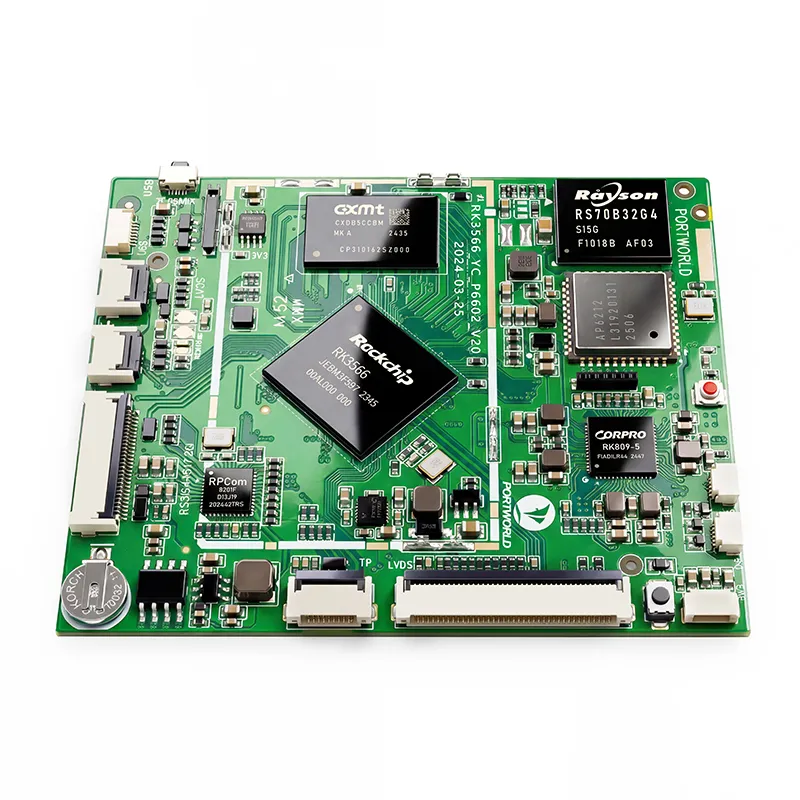
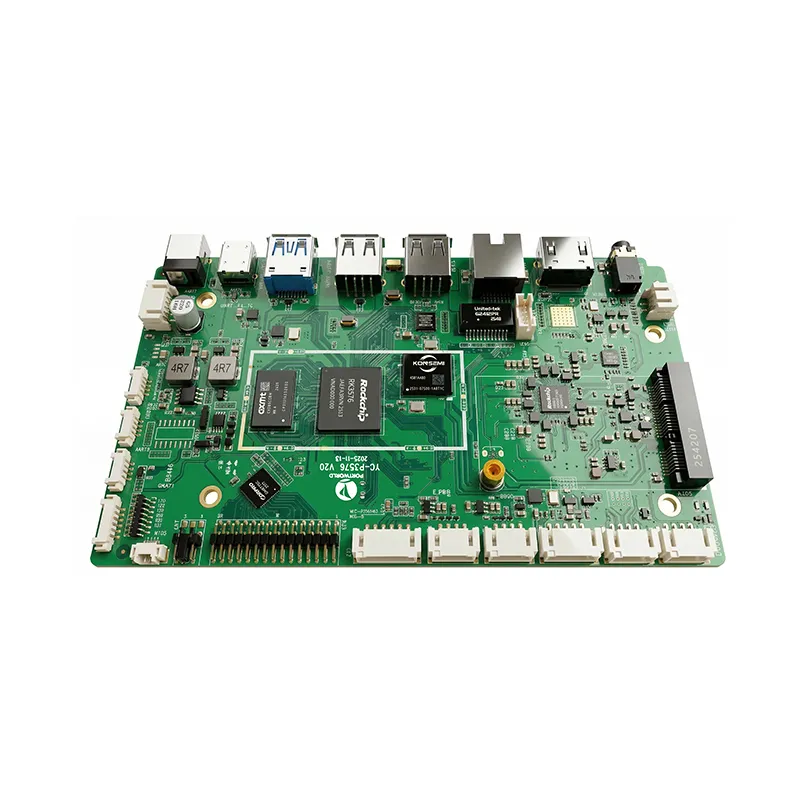
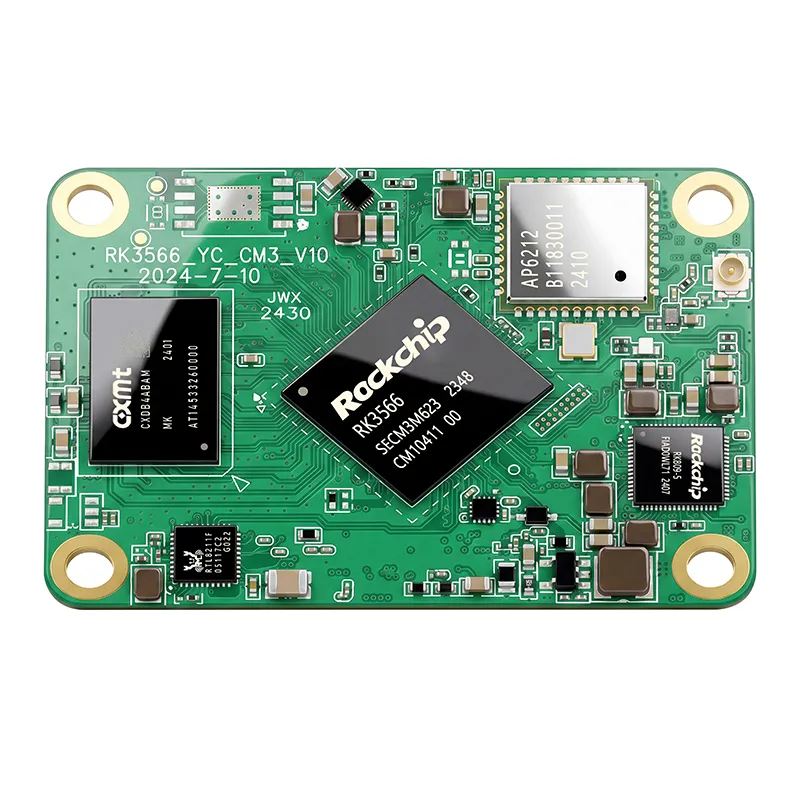
RK3576 Motherboard PCBA Design and Custom OEM/ODM Services
Apr 27,2026
The Next-Gen RK3588 Core board
Powerful, AI-Driven, High-Performance.Shop Now>


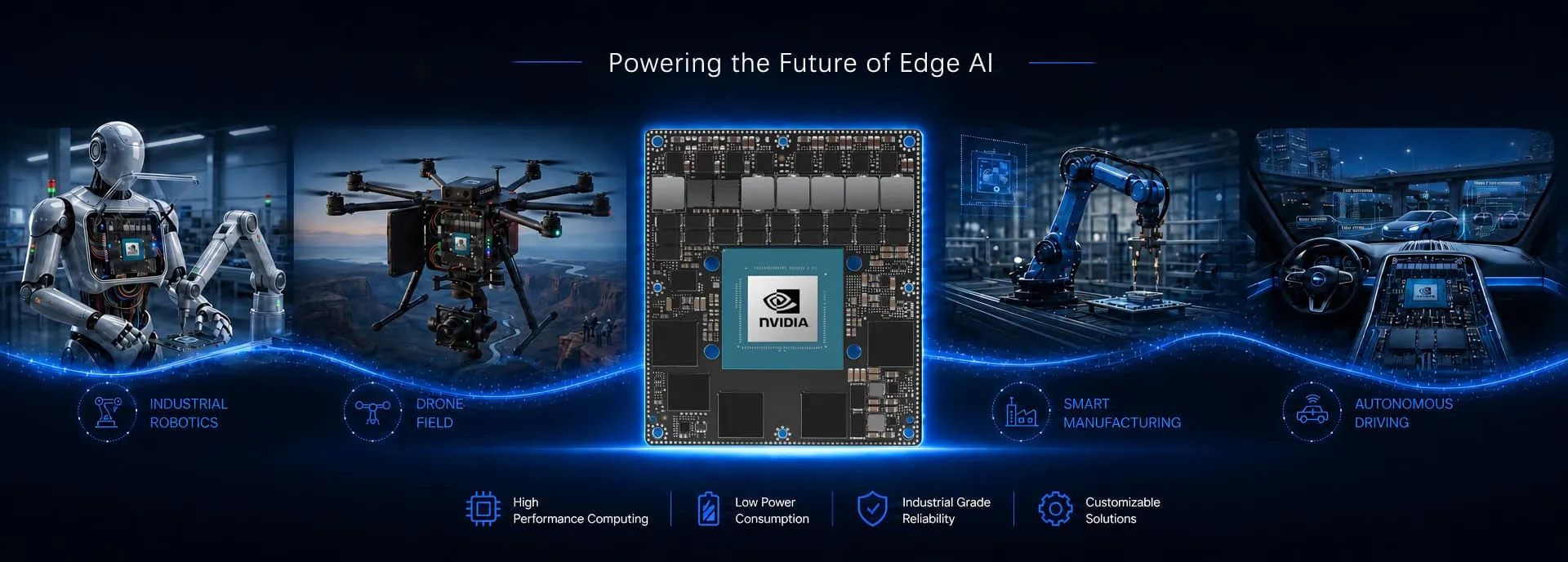


For businesses engaged in the development of industrial equipment, smart terminals, automation systems, and commercial devices, selecting an appropriate touchscreen supplier extends beyond mere product specifications. Factors such as Minimum Order Quantity (MOQ) and lead time can significantly influence project budgets, production timelines, and market entry speed.
In contrast to standard consumer displays, custom industrial touch screens frequently necessitate unique hardware configurations, mechanical designs, firmware modifications, and specialized manufacturing processes. Consequently, suppliers must often find a balance between the demands for customization and the need for production efficiency.
A comprehensive understanding of MOQ and lead times can empower OEM customers, system integrators, and distributors to make informed purchasing choices and mitigate unforeseen delays during the product development phase.
What Is MOQ for Custom Industrial Touch Screens?
MOQ, or Minimum Order Quantity, denotes the minimum number of units that a manufacturer mandates customers to order for a production run.
For standard industrial touch screens, MOQ tends to be relatively adaptable since these products are typically in continuous production.
Conversely, custom industrial touchscreen initiatives generally incur additional development expenses, which may include:
Tailored display dimensions
Specific touch panel specifications
Altered enclosure designs
Customized interfaces
Hardware modifications
Software or operating system integration
Due to the engineering resources and production setup required for these processes, manufacturers frequently establish varying MOQ requirements based on the degree of customization involved.
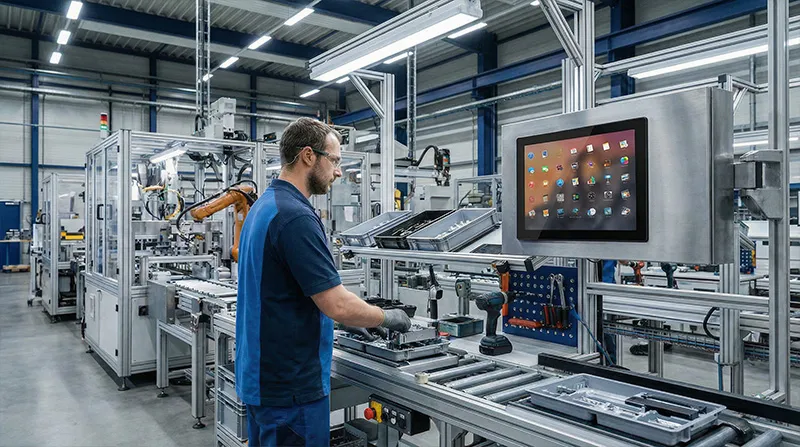
Why do manufacturers of industrial touch screens establish minimum order quantity (MOQ) requirements?
1. Custom Components Necessitate Production Planning
Industrial touch screens often incorporate customized components such as:
Touch sensors
LCD panels
Metal housings
Mounting structures
Industrial motherboards
Many suppliers are required to procure these components in bulk from upstream manufacturers.
A higher MOQ enables manufacturers to manage:
Material costs
Production efficiency
Inventory management
2. Engineering and Setup Costs Must Be Amortized
Custom projects typically involve:
Product design
Mechanical drawings
Prototype development
Testing procedures
Firmware adjustments
These initial expenses are challenging to recoup from very small orders.
By producing larger quantities, manufacturers can spread development costs over multiple units, allowing them to provide more competitive pricing.
3. Stable Production Enhances Product Consistency
Industrial applications frequently necessitate long-term dependability.
Completing a full batch enables manufacturers to uphold:
Consistent hardware quality
Stable component supply
Controlled production processes
This aspect is particularly crucial for industrial clients who may require thousands of identical devices to be deployed across various locations.
Different Types of MOQ for Industrial Touch Screen Projects
MOQ is not always a fixed figure. It varies based on the project's phase and the level of customization involved.
Prototype Stage
During the initial stages of product development, customers typically need only a limited number of units for testing purposes.
Common requirements include:
Functional verification
Software development
System integration testing
Manufacturers may offer prototype quantities at a higher unit price.
Small Batch Production
Small batch orders are frequently utilized for:
Pilot projects
Market testing
Limited deployments
At this phase, customers can assess:
Product performance
User experience
Installation compatibility
Mass Production
In the context of commercial projects, producing larger quantities offers several benefits, including:
Reduced unit costs
Enhanced production efficiency
More consistent supply
This approach is frequently utilized in various applications, such as:
Intelligent factories
Retail kiosks
Healthcare terminals
Transportation systems
Industrial automation machinery
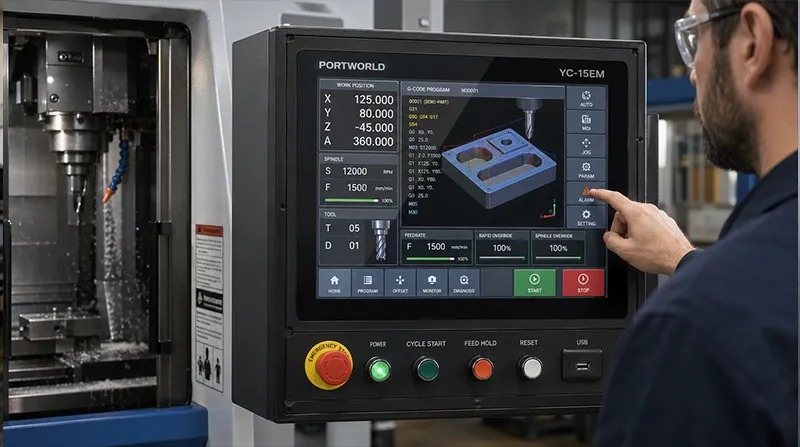
Understanding Lead Time for Custom Industrial Touch Screens
Lead time denotes the entire duration from the confirmation of an order to the delivery of the product.
In the case of custom industrial touch screens, the lead time typically encompasses several phases:
Engineering confirmation
Component preparation
Prototype production
Testing and approval
Mass production
Quality inspection
Shipment preparation
In contrast to products that are ready for immediate shipment, customized industrial touchscreen solutions necessitate additional time for development and manufacturing.
Factors Influencing Lead Times for Industrial Touch Screens
Product Customization Level
The degree of customization of the product can significantly extend the production cycle.
Examples:
Standard configuration:
Existing display size
Standard motherboard
Existing enclosure
Generally requires a shorter lead time.
Customized solution:
New enclosure design
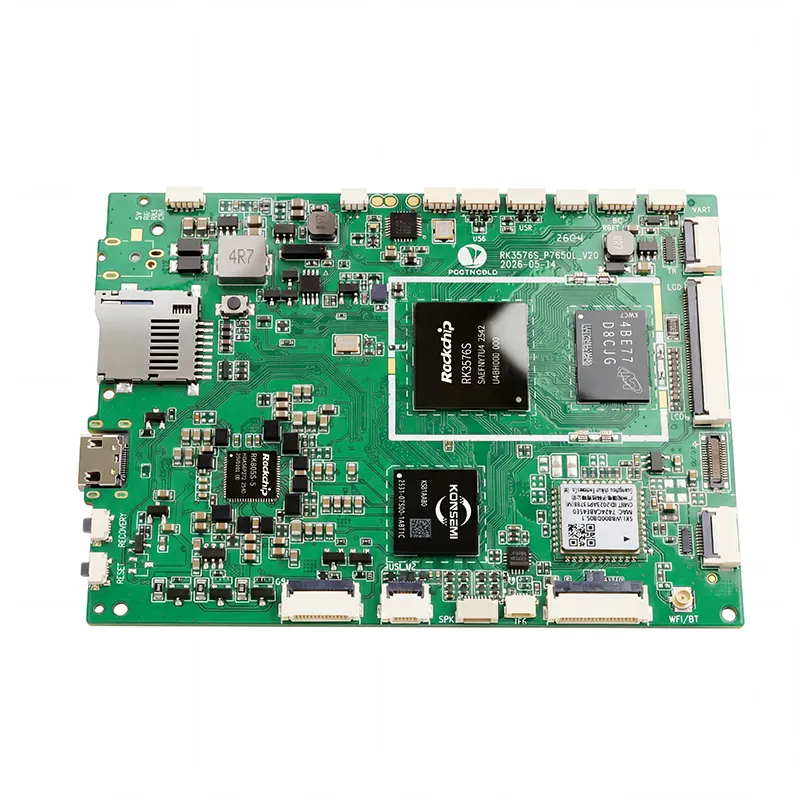
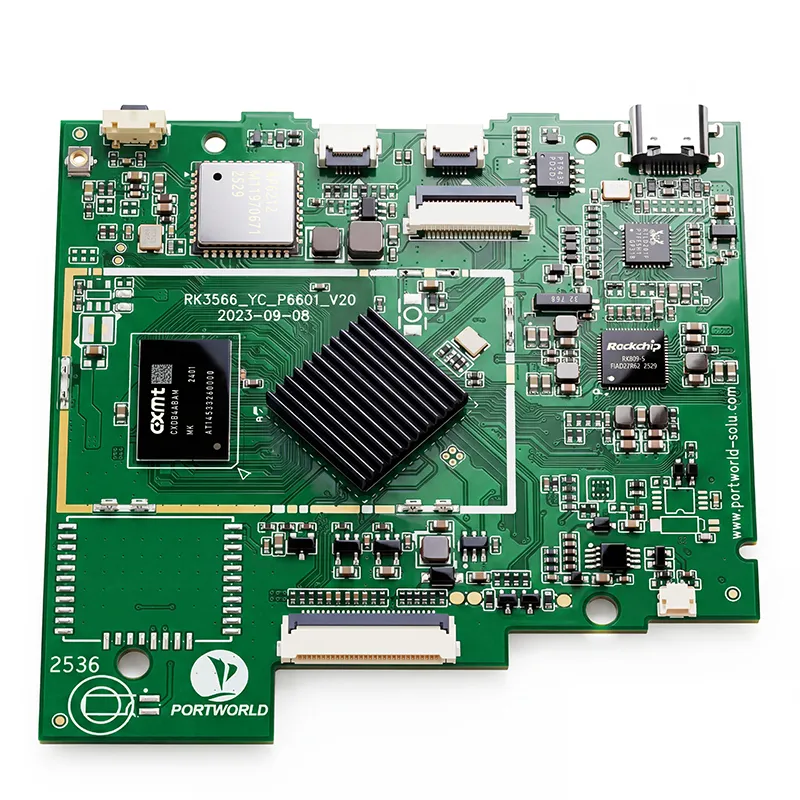
Custom PCB
Special interfaces
Modified operating system
Typically demands more engineering and testing time.
Component Availability
Industrial touch screens frequently rely on particular components:
Industrial LCD panels
Processors
Touch controllers
Communication modules
Global supply conditions may affect production timelines.
Seasoned manufacturers typically mitigate risk by sustaining stable supply chains and strategizing component availability.
Testing Requirements
Industrial products generally necessitate further validation, which includes:
Touch accuracy testing
Temperature testing
Reliability testing
Interface compatibility testing
Continuous operation testing
These procedures guarantee that the product can function dependably in challenging environments.
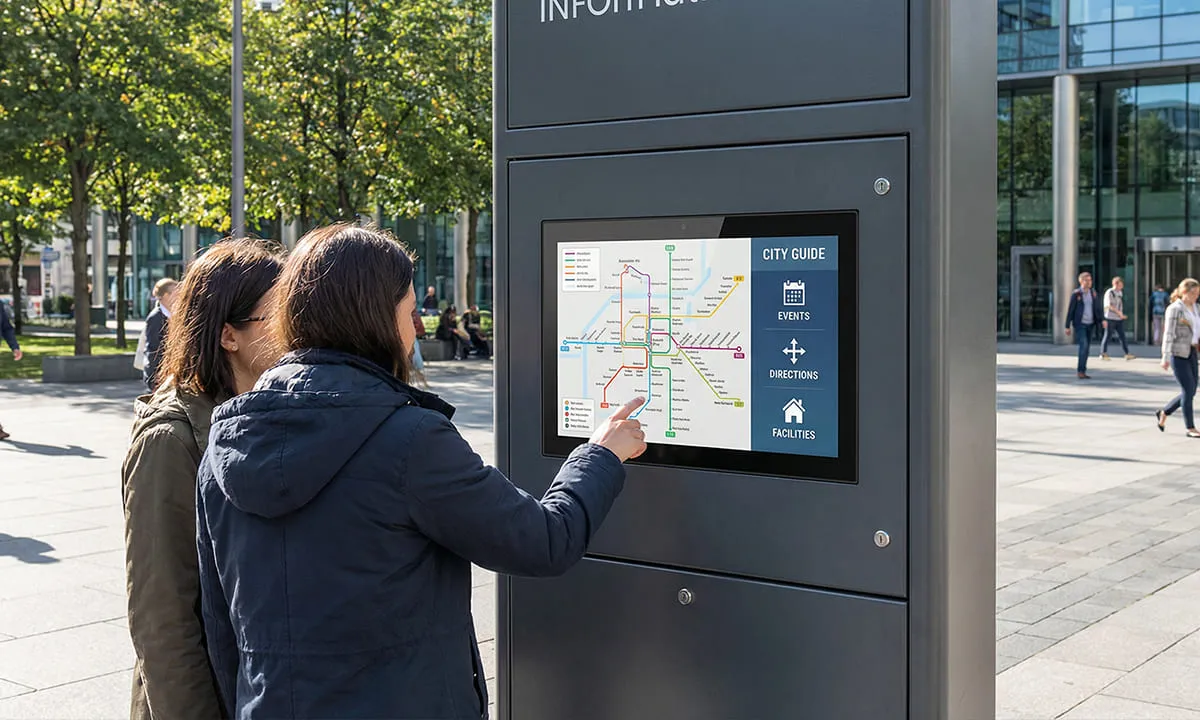
How Portworld Facilitates Flexible OEM/ODM Industrial Touch Screen Initiatives
Portworld offers tailored industrial touchscreen solutions for international OEM and system integration clients.
With a strong background in embedded hardware development, Portworld supports various projects, including:
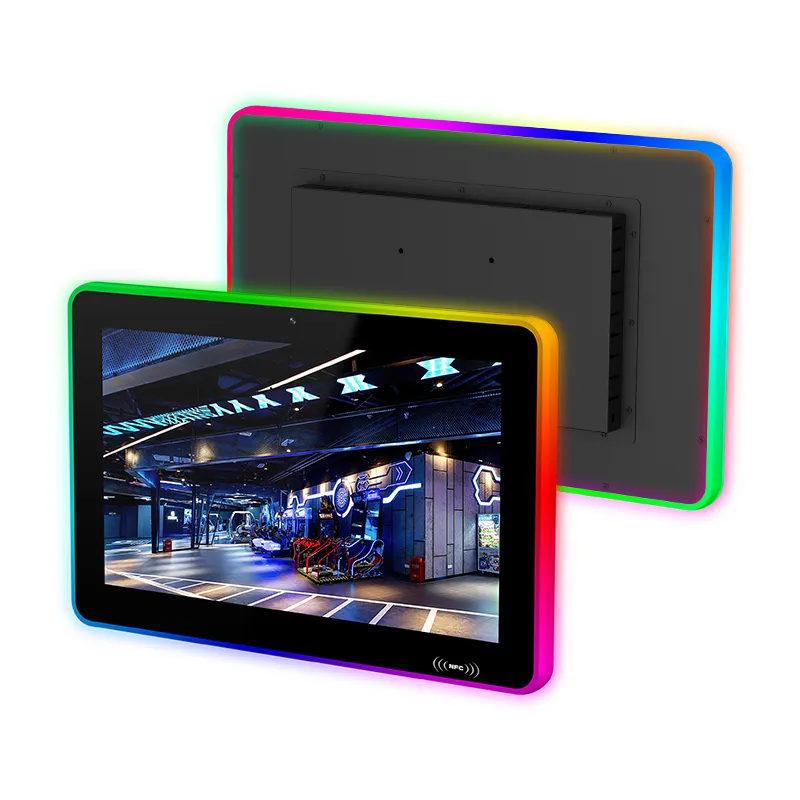
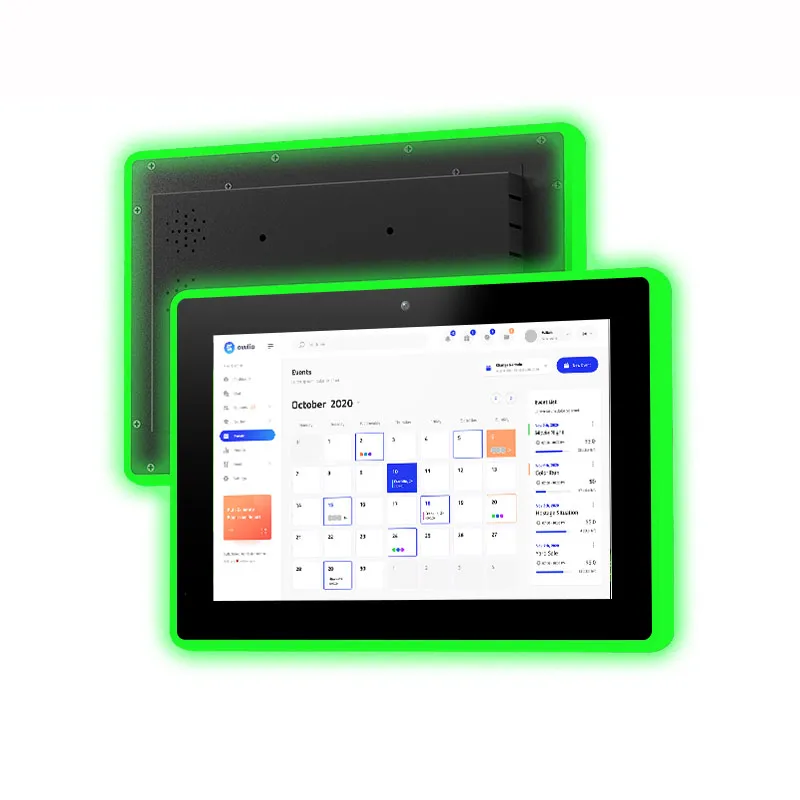
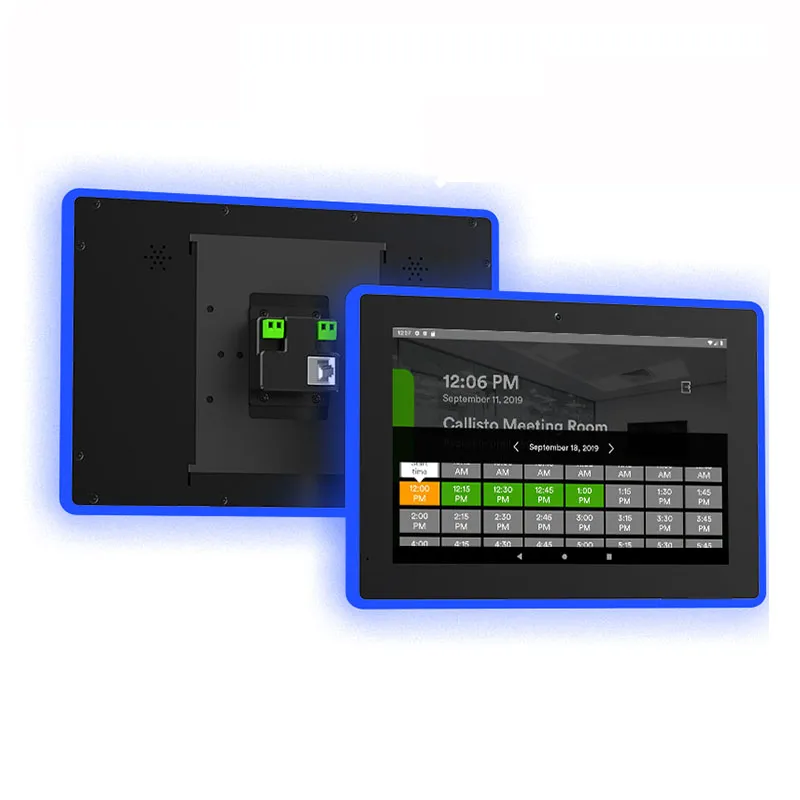
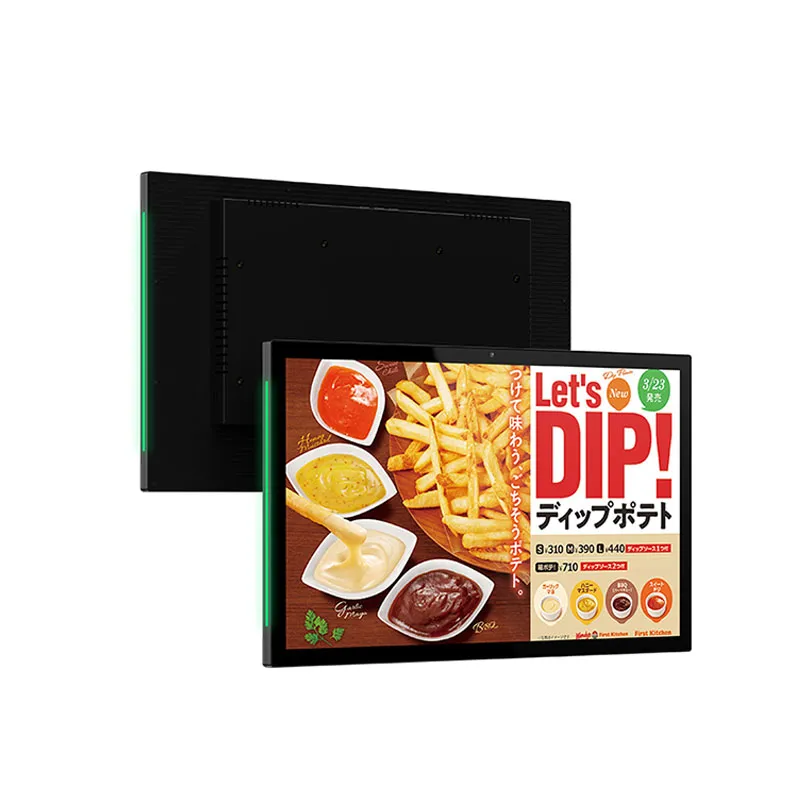
Embedded touch monitors
Industrial Android tablets
Embedded computing systems
Customization options encompass:
Display size adjustments
Touch panel configurations
Selection of industrial motherboards
Customization of Android/Linux/Windows systems
Interface expansion
Housing and mechanical design
Branding and packaging
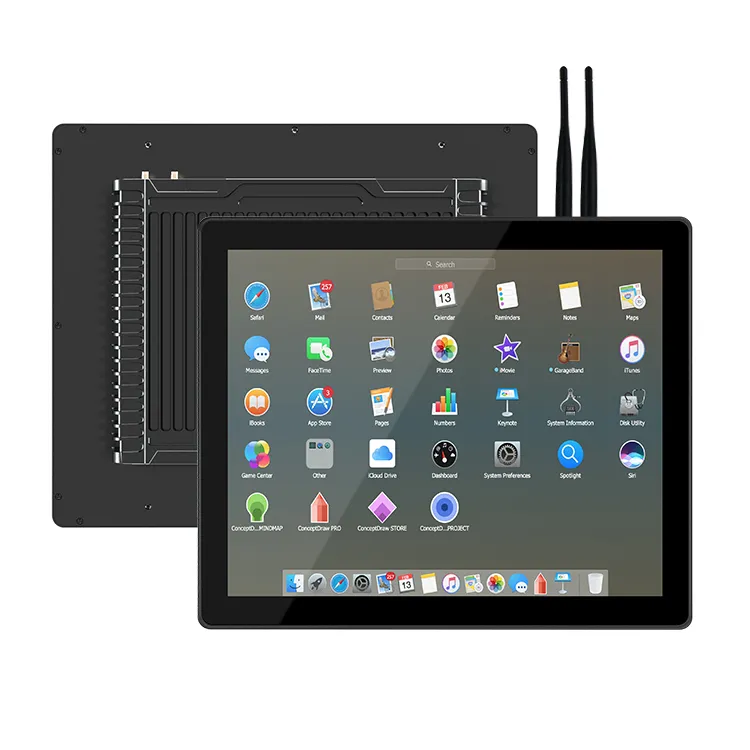
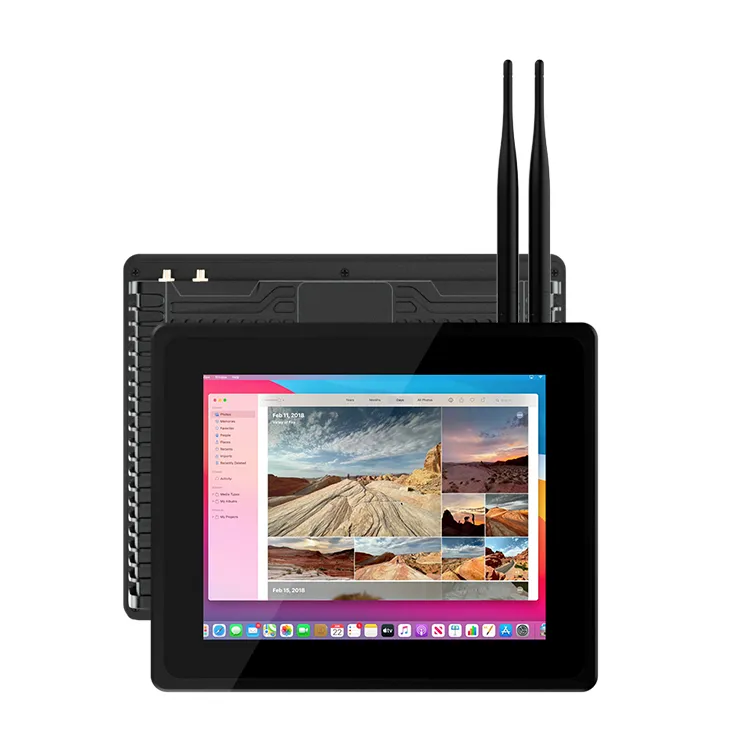
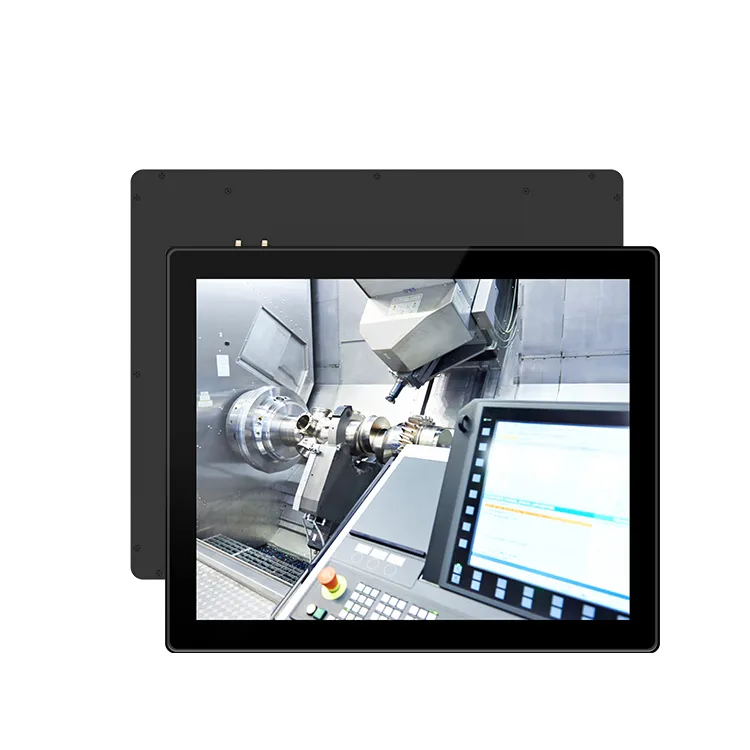
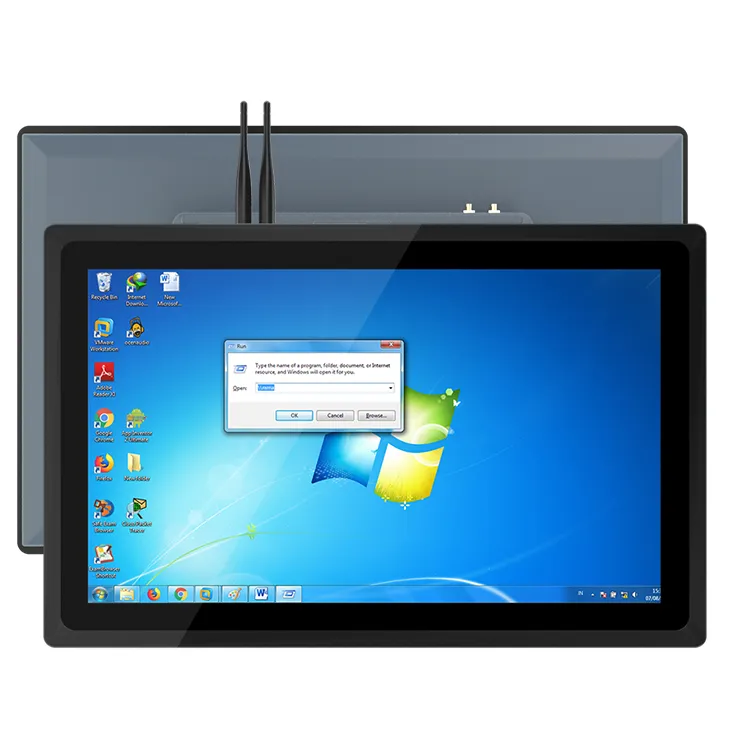
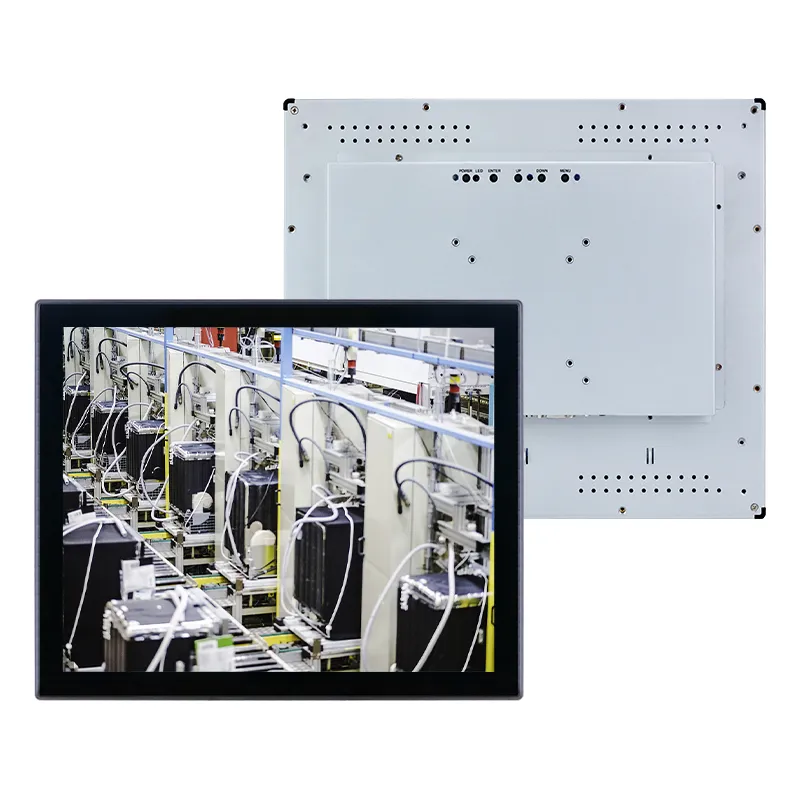
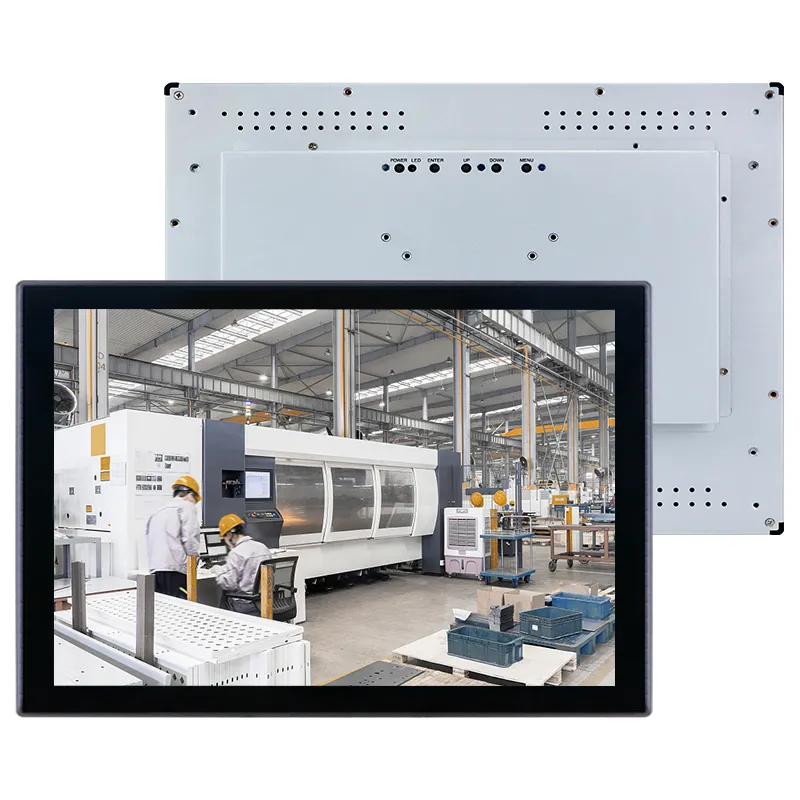
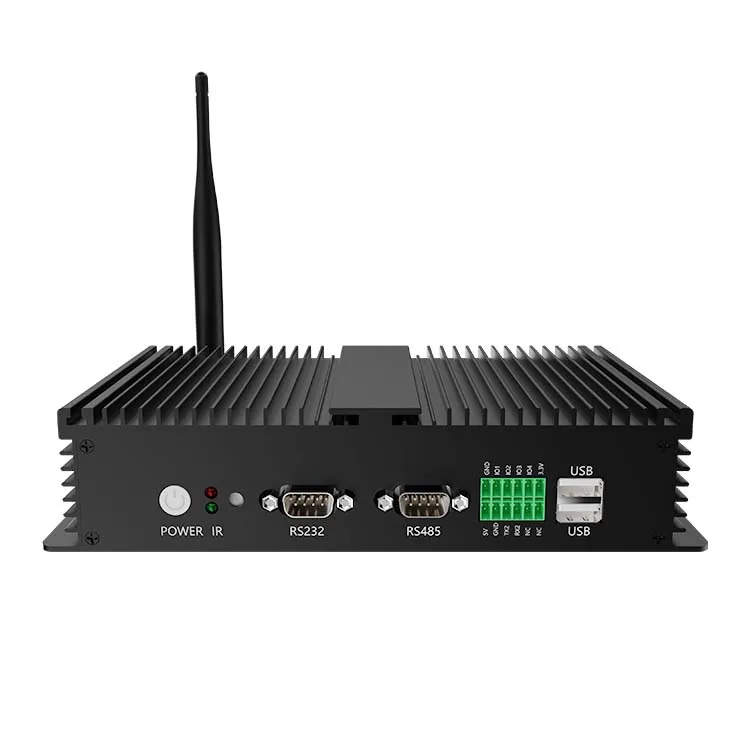
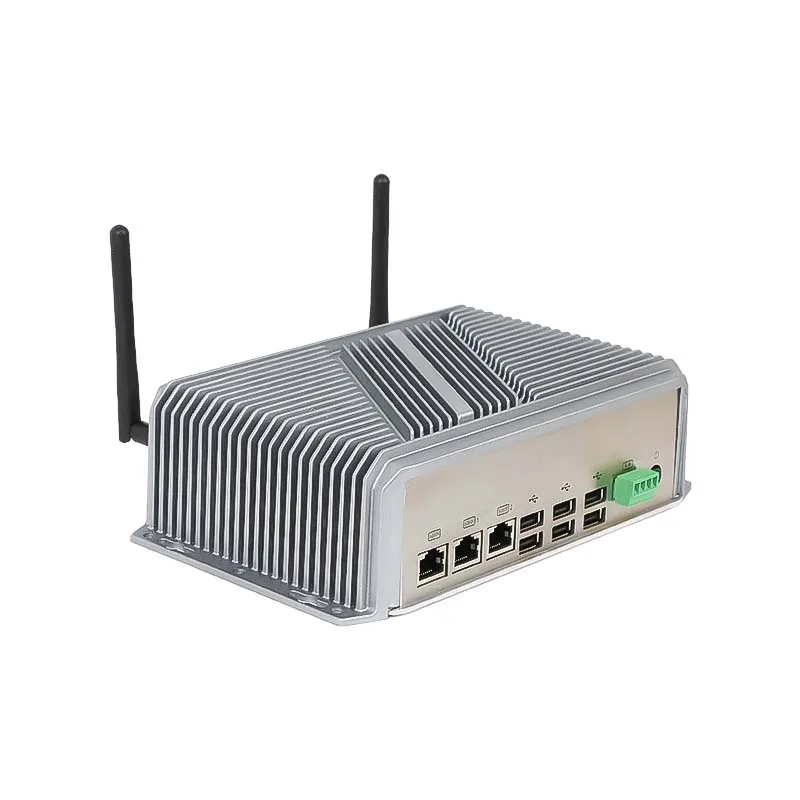
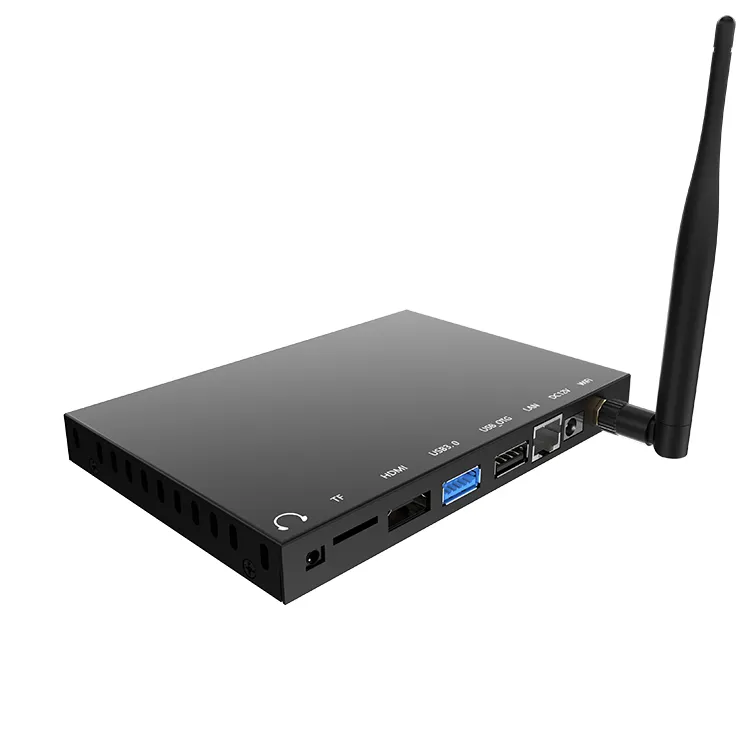
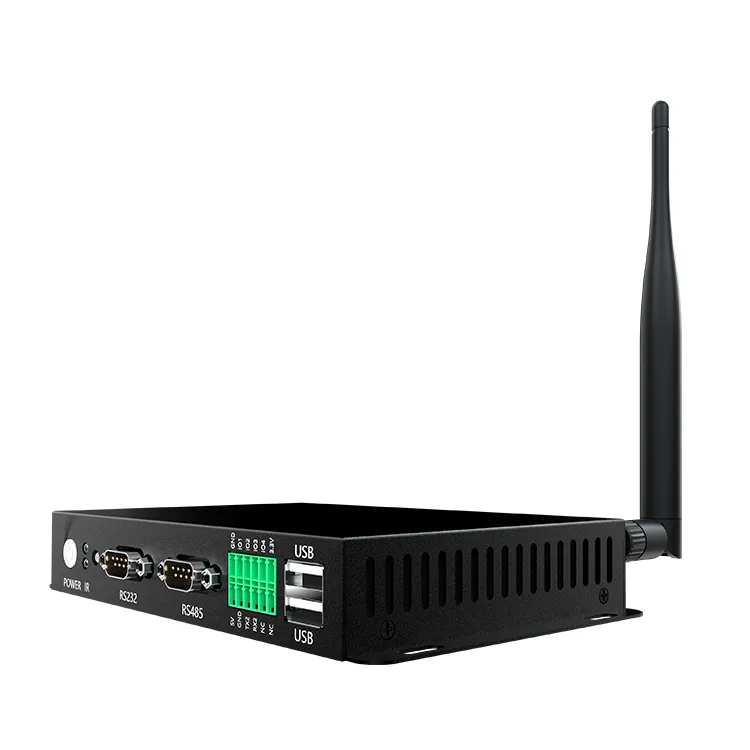
Products like the YC-104EM, YC-15EBT, YC-215EBT, and YC-T621 Industrial Mini PC are crafted to deliver adaptable platforms for diverse industrial applications.
By merging existing hardware platforms with OEM/ODM engineering assistance, Portworld aids clients in balancing customization needs, MOQ expectations, and production timelines.
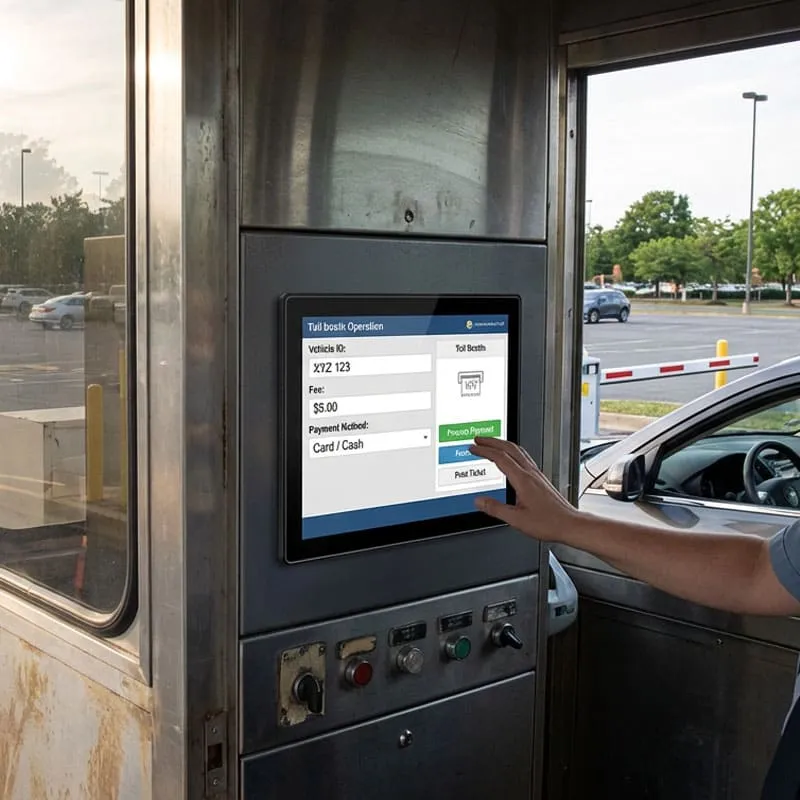
Final Thoughts: Achieving the Right Equilibrium Between MOQ, Cost, and Customization
When acquiring custom industrial touch screens, MOQ and lead time are critical elements that significantly impact project success.
A reduced MOQ can be advantageous during prototype development, while larger production quantities can lower costs and enhance supply stability.
The essential factor is selecting a manufacturer capable of providing the ideal balance between:
Product customization
Production capacity
Quality assurance
Delivery timelines
Long-term support
For industrial touchscreen projects, a trustworthy OEM/ODM partner can assist in transforming an initial idea into a scalable and reliable product solution.