RK3576 Motherboard PCBA Design and Custom OEM/ODM Services
Apr 27,2026
The Next-Gen RK3588 Core board
Powerful, AI-Driven, High-Performance.Shop Now>




The Importance of Certifications in Sourcing Industrial Touch Screen Solutions
As industrial machinery becomes increasingly interconnected and prevalent in global markets, the issues of reliability and compliance have emerged as significant concerns for manufacturers, system integrators, and distributors.
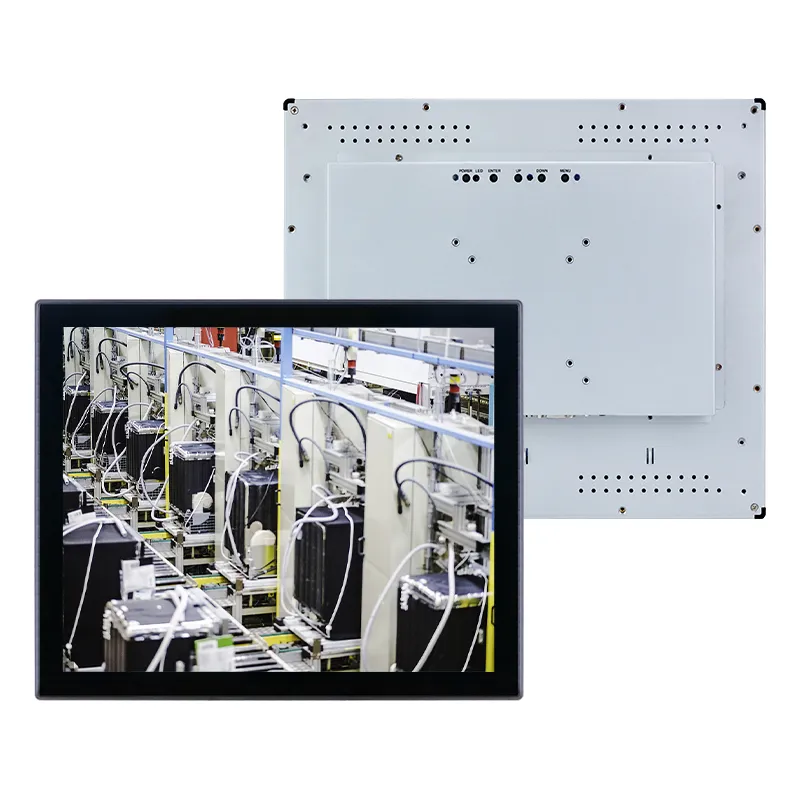
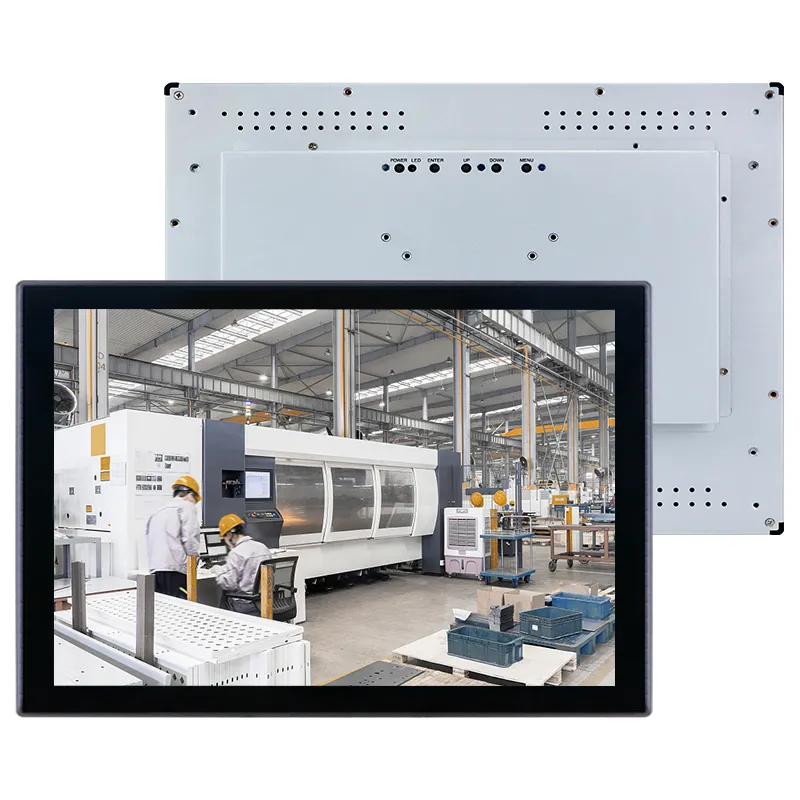
An industrial touch screen serves as a vital interface within automation equipment, medical systems, smart terminals, transportation devices, and industrial control platforms. If a product fails to adhere to necessary safety and environmental standards, companies may encounter challenges such as unsuccessful compliance testing, project delays, import restrictions, or unforeseen maintenance expenses.
This underscores the significance of international certifications like CE, FCC, and RoHS as essential evaluation criteria when acquiring industrial touch screens.
Nevertheless, numerous B2B purchasers err by viewing certifications merely as documents, rather than ensuring their validity, relevance, and connection to the specific product being acquired.
Gaining an understanding of how to verify certification information can assist companies in selecting more dependable industrial touchscreen suppliers and mitigating project risks.
The Increasing Significance of Compliance in Industrial Touchscreen Initiatives
Industrial touch screenshave evolved beyond being mere standalone displays. They are frequently incorporated into comprehensive systems that include:
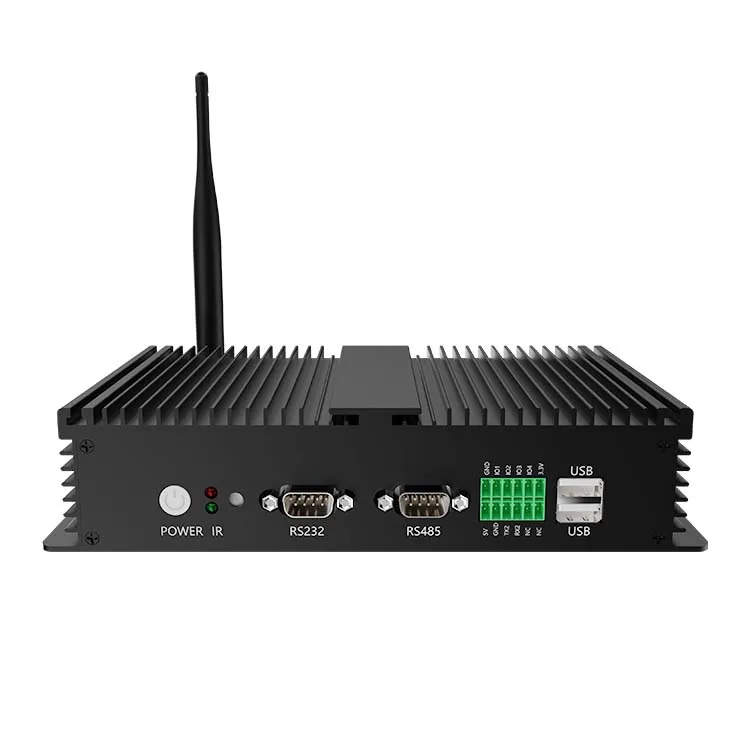
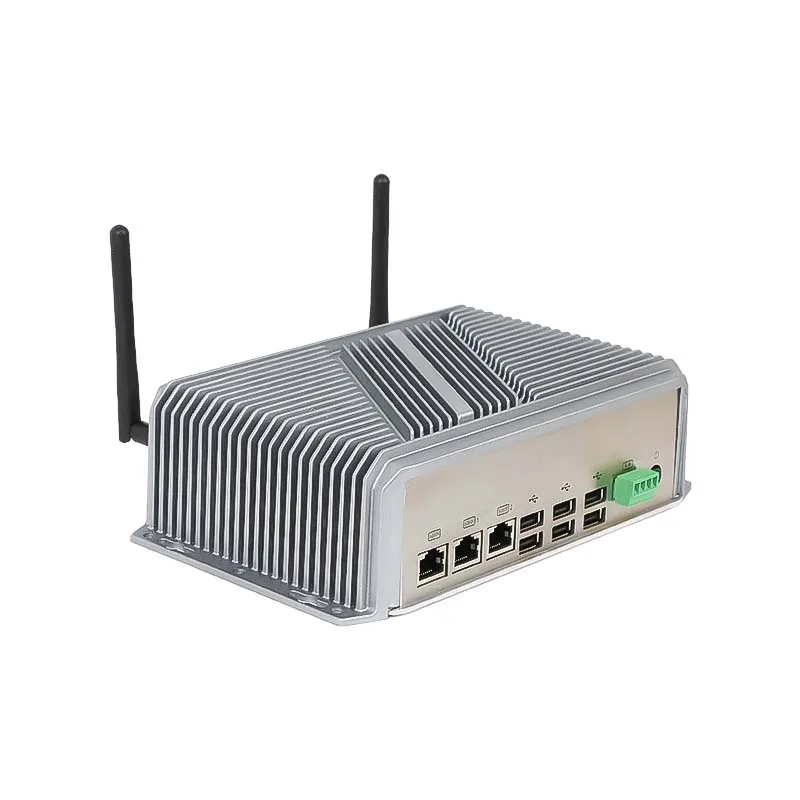
Industrial computers
Control equipment
IoT devices
Network modules
Sensors
Automation platforms
When these products are exported to international markets, they must adhere to various regulatory standards based on the specific market.
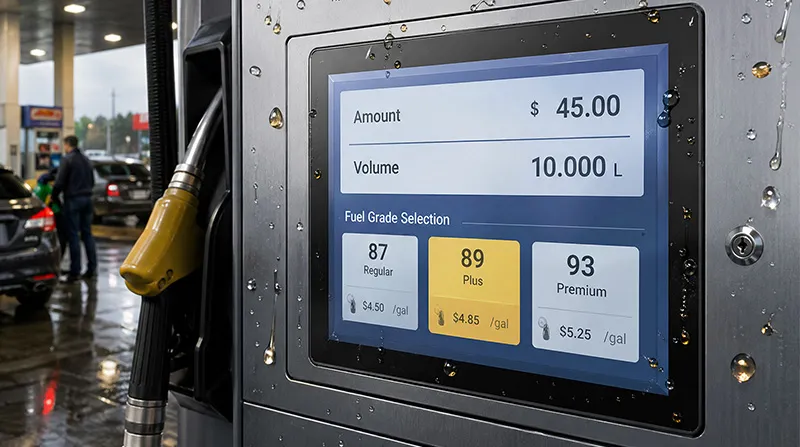
For instance:
European markets typically necessitate CE compliance.
The United States market often mandates FCC compliance for electronic devices.
Global clients are progressively prioritizing RoHS compliance concerning environmental regulations.
For manufacturers of equipment and OEM clients, selecting certified industrial touch screens streamlines the product approval process and enhances market acceptance.
Understanding the Key Certifications for Industrial Touch Screens
CE Certification: Adhering to European Safety Standards
The CE marking signifies that a product meets the relevant health, safety, and environmental protection standards set by the European Union.
In the context of industrial touch screens, CE-related criteria may include:
Electrical safety
Electromagnetic compatibility (EMC)
User protection
Environmental factors
When choosing a touchscreen supplier, purchasers should verify:
Whether the CE certification is applicable to the specific model of the product
Whether the testing encompasses the entire device configuration
Whether the certification documents correspond with the supplier's information
A CE mark displayed on a product alone is insufficient. Reputable suppliers should be prepared to provide the necessary supporting documentation.
FCC Certification: Ensuring Electromagnetic Compatibility
The significance of FCC certification is particularly pronounced for products entering the United States market.
Industrial touch screens frequently incorporate electronic components that can emit electromagnetic signals.

FCC testing assesses whether the equipment:
Limits electromagnetic interference
Operates safely in conjunction with other electronic devices
Complies with communication regulations
In industrial settings with numerous interconnected devices, electromagnetic compatibility is essential.
Inadequately designed products may lead to:
Signal interference
Communication breakdowns
System instability
Consequently, adherence to FCC standards is vital for ensuring dependable operation in intricate industrial environments.
RoHS Compliance: Controlling Hazardous Materials
RoHS (Restriction of Hazardous Substances) aims to minimize the use of specific harmful materials in electronic products.
For industrial touch screens, RoHS compliance verifies that the product aligns with environmental standards concerning materials such as:
Lead
Mercury
Cadmium
Other restricted substances
Numerous global corporations mandate RoHS-compliant components as part of their supply chain criteria.
This requirement is particularly crucial for businesses committed to long-term sustainability and international distribution.
How to Authenticate Certification Documents from Suppliers
When acquiring industrial touch screens, it is essential for buyers to go beyond simply asking:
"Does this product possess certification?"
A more effective inquiry would be:
"Can you supply valid certification documents for this specific model?"
Below are several methods to verify quality certifications.
Examine the Product Model Number
The certification document must clearly correspond to the product being purchased.
Verify:
Product model name
Manufacturer name
Product category
Testing information
A frequent challenge in sourcing is that suppliers may provide certificates for similar products rather than the exact model.
For instance, a certificate for a standard monitor may not be applicable to a customized industrial panel PC with distinct internal hardware.
Confirm the Manufacturer Information
A trustworthy certification document should contain consistent manufacturer details.
Check whether:
Company name aligns with the supplier
Address information is accurate
Product information corresponds with the quotation
This verification process helps to avoid issues arising from outdated or irrelevant certification documents.