
RK3576 Motherboard PCBA Design and Custom OEM/ODM Services
Apr 27,2026
The Next-Gen RK3588 Core board
Powerful, AI-Driven, High-Performance.Shop Now>




Why Smart Industrial Buyers Are Considering Factors Beyond Unit Price
In the realm of industrial projects, purchasing decisions seldom hinge solely on the initial cost of a product. For equipment manufacturers, system integrators, and solution providers, the comprehensive cost of a project encompasses far more than just the hardware itself.
Elements such as product customization, engineering assistance, supply chain stability, maintenance expenses, replacement cycles, and production delays all play a role in determining the total cost of ownership (TCO).
As industrial automation, smart terminals, and intelligent equipment continue to grow, an increasing number of companies are opting to procure industrial touch screens in bulk rather than acquiring small quantities as demand arises.
Bulk purchasing serves not only as a means to lower unit costs. When paired with the appropriate manufacturing partner, it can greatly enhance project efficiency, mitigate development risks, and establish long-term competitive advantages.
The Expanding Importance of Industrial Touch Screens in Contemporary Equipment
Industrial touch screens have emerged as a vital element in numerous intelligent systems.
Currently, they find extensive application in:
Factory automation equipment
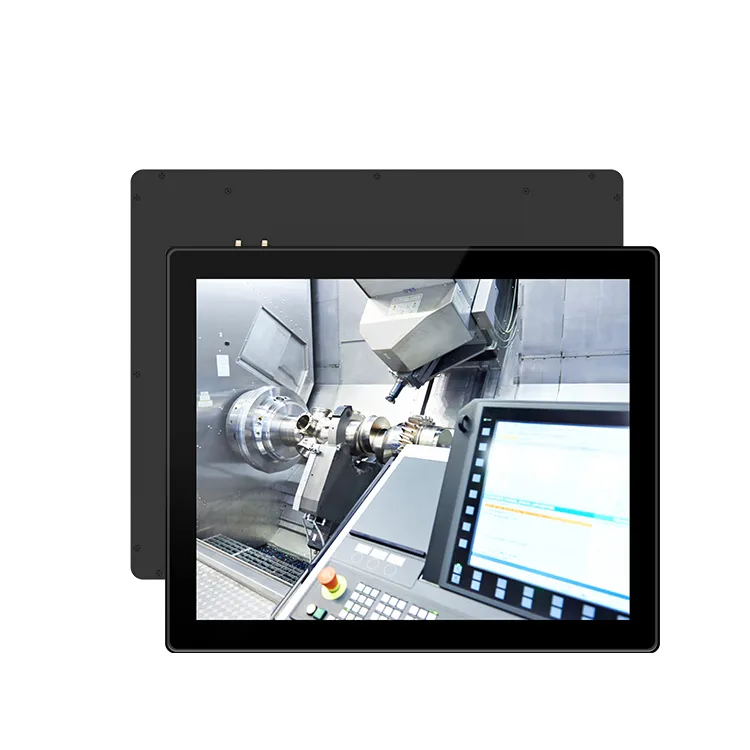
CNC machine control systems
Smart logistics equipment
Medical devices
EV charging stations
Digital signage systems
Self-service kiosks
Transportation terminals
In comparison to traditional control panels, touchscreen interfaces offer superior visualization, simplified operation, and enhanced integration capabilities.
Nevertheless, as more sectors embrace touchscreen-based systems, equipment manufacturers encounter new challenges:
Ensuring consistent product quality
Managing supply chains
Controlling production costs
Guaranteeing long-term availability
This is where bulk sourcing emerges as a crucial strategy.
Bulk purchasing leads to a reduction in hardware expenses through economies of scale.
A primary benefit of acquiring industrial touch screens in bulk is the decreased average cost per purchase.
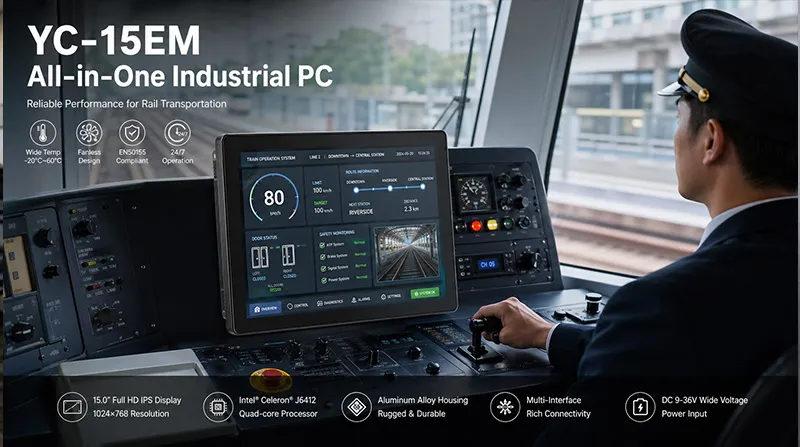
Manufacturing expenses encompass:
Raw materials
LCD panels
Touch sensors
Electronic components
Housing materials
Assembly processes
Quality testing
When suppliers manufacture larger quantities, production efficiency is enhanced, allowing fixed manufacturing costs to be spread over a greater number of units.
For B2B purchasers, larger orders frequently result in more favorable pricing options, as manufacturers can streamline:
Material procurement
Production planning
Assembly operations
Quality control
For instance, a company that is developing thousands of smart terminals may realize significantly improved cost efficiency by ordering customized industrial touch screens in a single production run instead of making multiple smaller orders.
Bulk Orders Enhance Product Uniformity
For manufacturers of industrial equipment, maintaining consistency is frequently prioritized over achieving minor savings on each unit.
A project may span several years, necessitating hundreds or even thousands of identical touch displays.

Purchasing in small batches from various suppliers can lead to complications such as:
Different suppliers for LCD panels
Altered hardware configurations
Variations in touch performance
Compatibility issues with interfaces
Differences in appearance
Opting for bulk purchases from a single, dependable industrial touch screen manufacturer ensures the maintenance of:
Identical hardware specifications
Consistent mechanical design
Uniform firmware configuration
Equal quality standards
This approach minimizes integration challenges during production and enhances the overall reliability of the final product.
Reduce Development Expenses via OEM/ODM Collaboration
Numerous industrial initiatives necessitate tailored touch solutions instead of conventional displays.
Illustrations include:
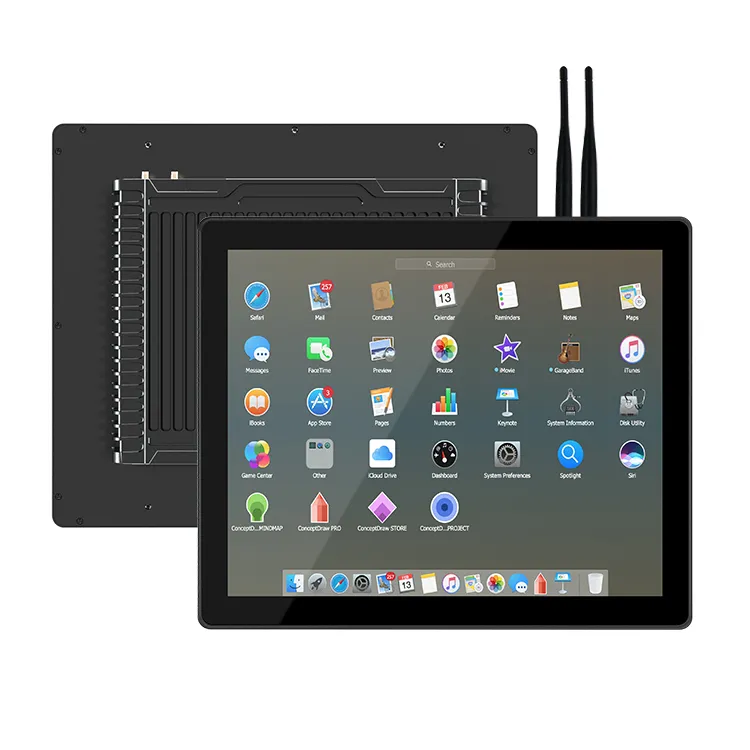
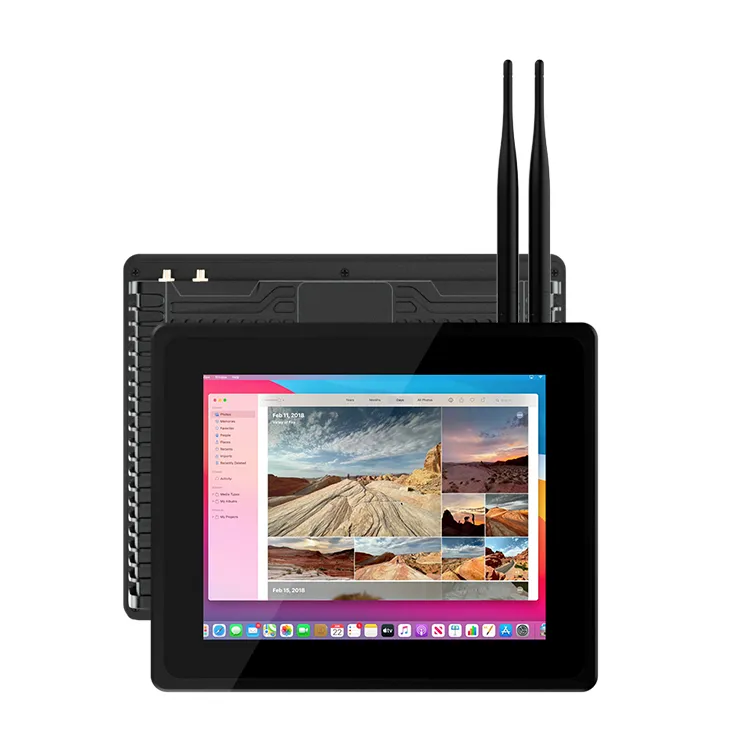
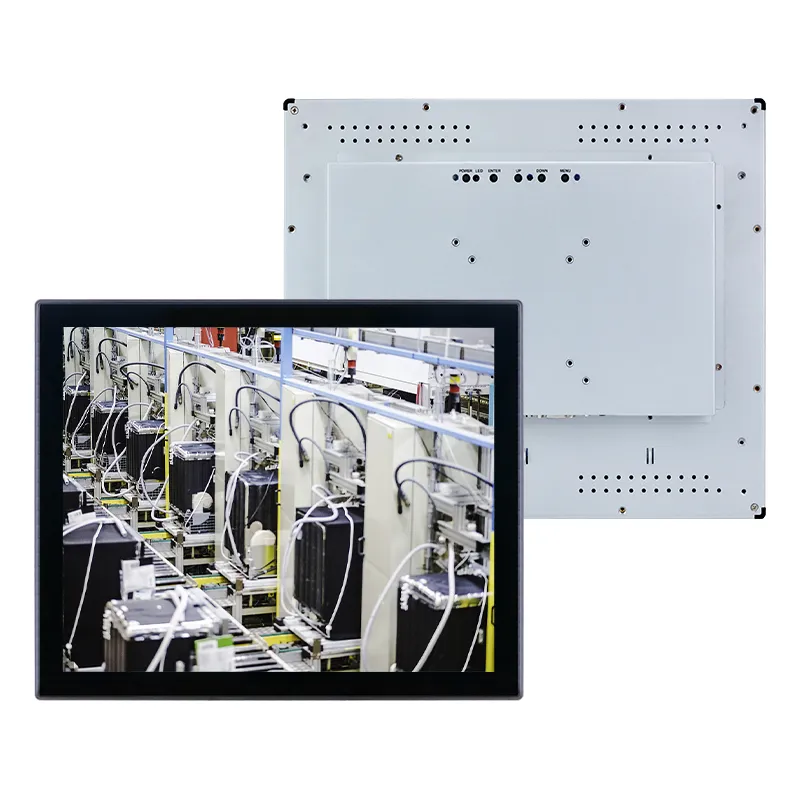
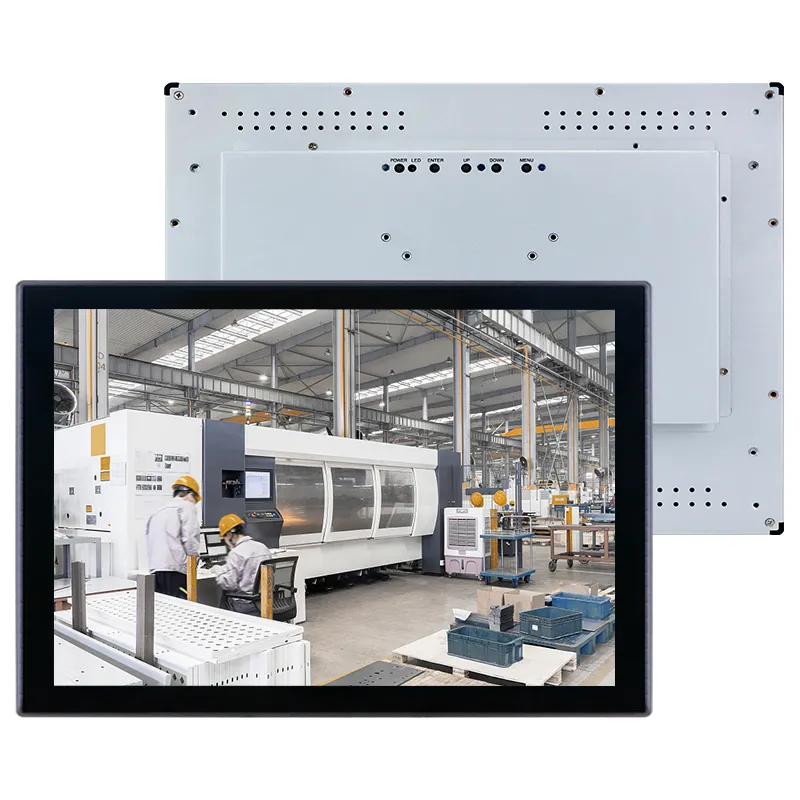
Embedded touch monitors for machinery
Android-based industrial tablets
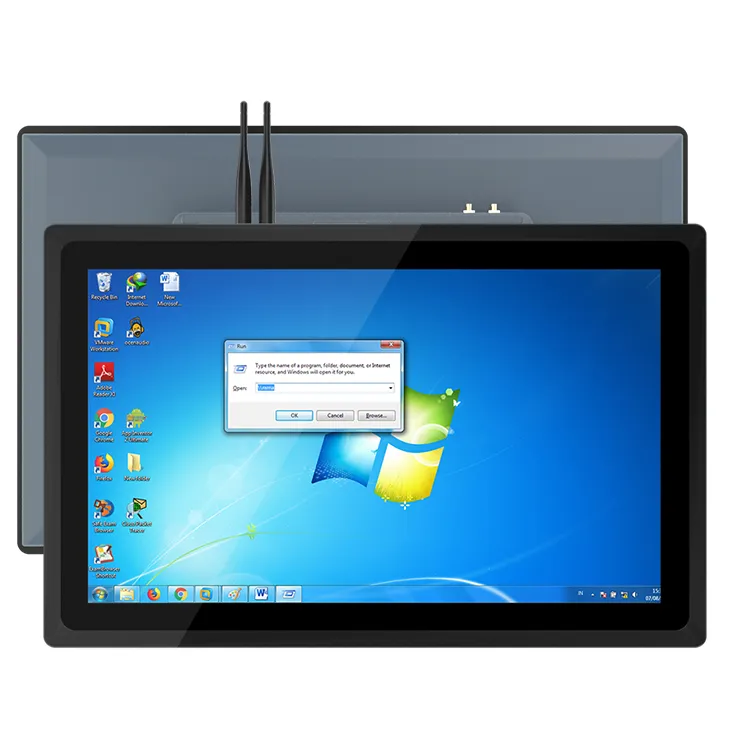
Panel PCs featuring specific interfaces
Custom-designed enclosures
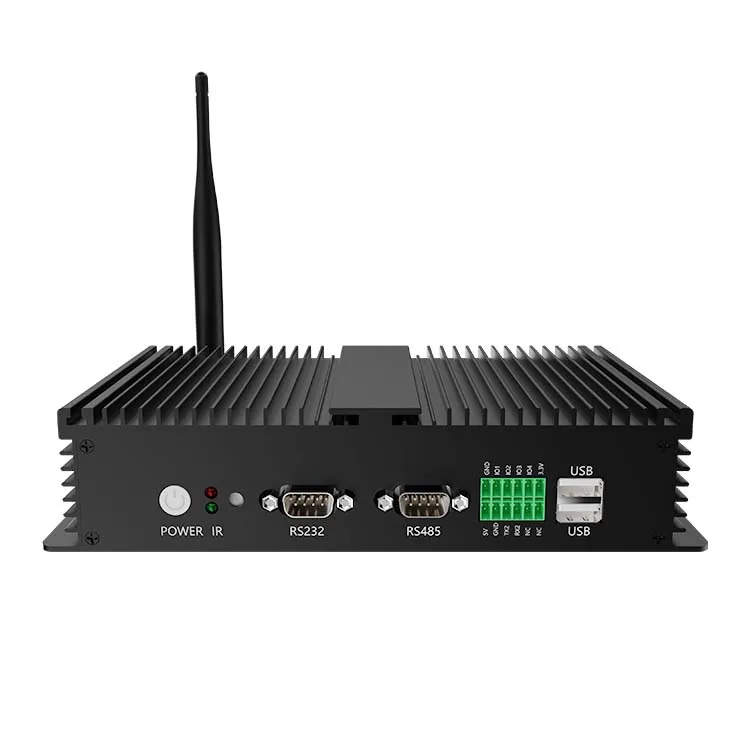
Displays equipped with RS232/RS485 communication
Engaging with a manufacturer through bulk procurement facilitates enhanced OEM/ODM collaboration.
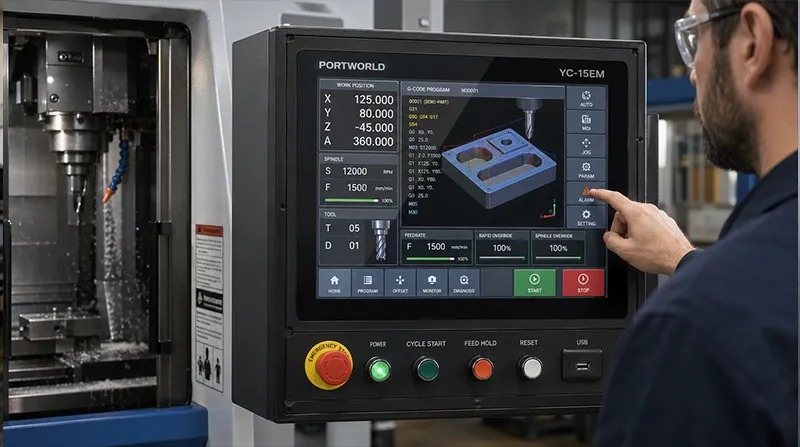
Rather than merely purchasing a completed product, businesses can create a bespoke solution with assistance in:
Selection of touch panels
Adjustment of display sizes
Integration of motherboards
Customization of interfaces
Adaptation of operating systems
Design of mechanical structures
This approach minimizes the necessity for clients to coordinate with multiple suppliers and decreases engineering expenses during the product development phase.
Mitigated Supply Chain Risks and Enhanced Production Planning
Industrial machinery typically necessitates ongoing production support.
A lack of a crucial component can hinder the progress of an entire project.
For manufacturers engaged in producing:
Industrial machinery
Smart cabinets
Automated systems
Commercial terminals
a delay in the supply of touchscreens can halt final assembly and escalate operational expenses.
Bulk purchasing enables companies to establish a more resilient supply chain by:
Securing inventory ahead of time
Minimizing procurement frequency
Enhancing production planning
Preventing unforeseen component shortages
A dependable supplier relationship also facilitates future product expansion, as the same hardware platform can be consistently provided.
Reduced Maintenance and Replacement Expenses
The least expensive product does not necessarily represent the most cost-effective option.
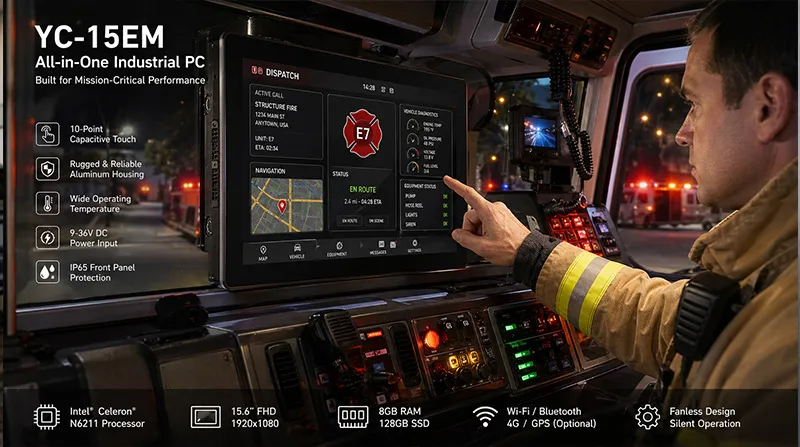
In industrial settings, failures of touchscreens can lead to extra expenses:
Equipment downtime
Service calls
Logistics for replacements
Customer dissatisfaction
Disruptions in production
Touch screens designed for industrial use are built for extended operation and include features such as:
Sturdy aluminum casing
Fanless construction
Broad operating temperature range
IP65 rated protection options
Components of industrial quality
By opting for dependable industrial displays in bulk, organizations can minimize failure rates and decrease maintenance expenses over the entire product lifecycle.