RK3576 Motherboard PCBA Design and Custom OEM/ODM Services
Apr 27,2026
The Next-Gen RK3588 Core board
Powerful, AI-Driven, High-Performance.Shop Now>


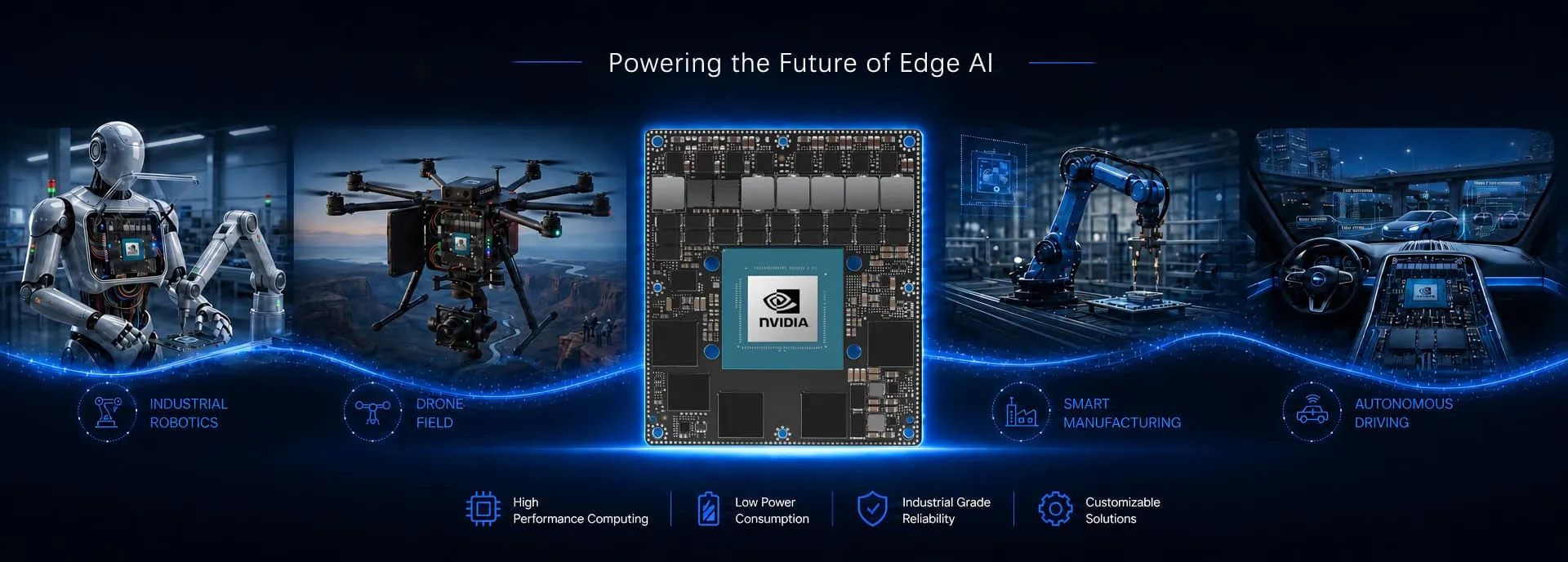


As the demand for smart terminals, industrial automation, digital signage, healthcare devices, and IoT applications continues to rise, embedded Android tablets have emerged as a favored hardware solution for businesses aiming to create tailored products.
In contrast to conventional consumer tablets, embedded Android tablets are specifically engineered for integration into designated systems. They find extensive application across various sectors, including smart retail, industrial control, transportation, hospitality, healthcare, and public information terminals.
Nevertheless, when engaging in wholesale procurement of embedded Android tablets, selecting an inappropriate supplier can result in significant issues, such as unreliable hardware, delayed shipments, inadequate software support, and unforeseen development expenses.
Numerous buyers tend to concentrate solely on pricing and specifications; however, effective sourcing necessitates an assessment of the supplier's technical expertise, manufacturing background, and long-term support capabilities.
Below are five prevalent warning signs to be cautious of when choosing a supplier for embedded Android tablets.
Red Flag 1: The Supplier Only Provides Standard Products Without Customization Options
One of the most significant errors in sourcing embedded Android tablets is selecting a supplier that solely offers off-the-shelf products.
Although standard tablets may seem appealing due to their lower costs and quick delivery times, they frequently fail to satisfy the demands of professional applications.
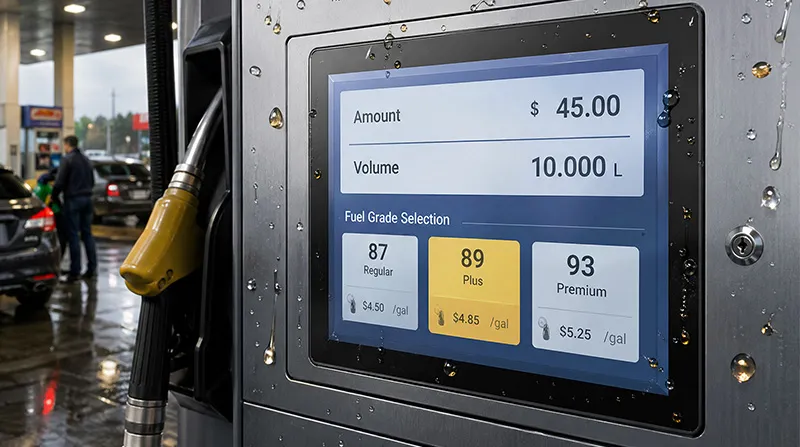
Embedded projects typically necessitate customization, which may include:
Custom enclosure design
Various screen sizes
Specialized mounting solutions
Additional interfaces
Tailored Android firmware
Pre-installed applications
Branding and logos
For instance, a manufacturer of smart lockers might require a wall-mounted Android tablet with a personalized interface, whereas a company in industrial automation may need RS232/RS485 communication or GPIO expansion.
A dependable manufacturer of embedded Android tablets should possess OEM/ODM development capabilities to modify the product in accordance with project specifications.
Red Flag 2: Insufficient Technical Support Post-Purchase
A prevalent issue in wholesale sourcing is that certain suppliers concentrate solely on selling hardware, offering minimal technical assistance thereafter.
Embedded Android devices are more than mere displays. They encompass:
Configuration of the Android system
Compatibility with hardware
Integration of drivers
Deployment of applications
Communication over networks
Connections to peripherals
In the absence of adequate technical support, customers may encounter challenges during the integration of products.
Prior to choosing a supplier, inquire:
Are they able to provide SDK or API support?
Do they offer firmware customization assistance?
Can they assist with debugging the system?
Is there an engineering team accessible?
A manufacturer with robust R&D support can greatly shorten development timelines and enhance the reliability of projects.
Red Flag 3: Absence of Clear Product Lifecycle Management
In industrial and commercial projects, the stability of products over time is of utmost importance.
Numerous embedded Android tablets are incorporated into systems that may function for several years. If the supplier frequently alters components or ceases production of products, customers may encounter issues such as:
Redesign expenses
Software compatibility challenges
Production delays
Maintenance difficulties
A dependable manufacturer of embedded tablets should offer:
Long-term product availability
Consistent hardware platforms
Component oversight
Ongoing technical assistance
This is particularly crucial for sectors such as:
Industrial automation
Medical devices
Transportation systems
Smart building technologies
Red Flag 4: The Supplier Cannot Provide Industrial-Grade Hardware
Not all Android tablets are intended for embedded applications.
Consumer tablets are typically optimized for brief personal use, whereas industrial embedded tablets are designed to endure more challenging environments.
Key industrial features include:
Rugged Design
Industrial applications may necessitate:
Metal housing
Shock resistance
Heat resistance
Dust protection
Reliable Connectivity
Embedded projects frequently require:
Ethernet
PoE
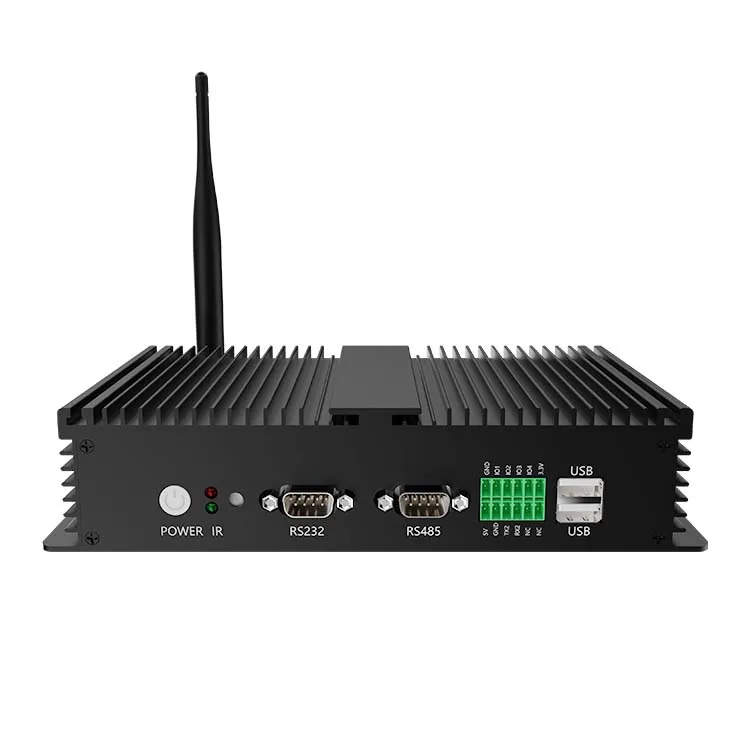
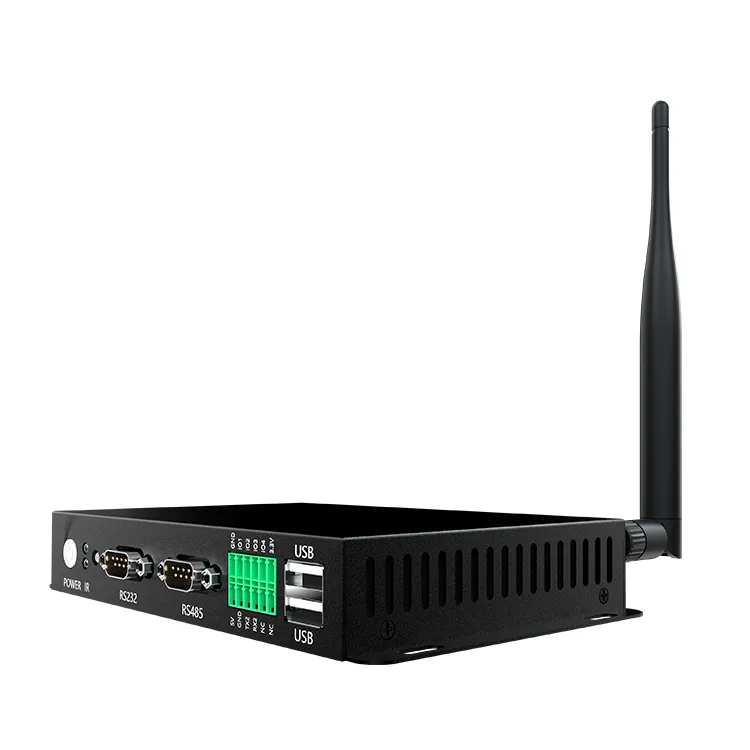
RS232/RS485
USB expansion
GPIO
CAN bus
Continuous Operation
Numerous industrial systems demand:
24/7 operation
Stable thermal management
Long service life
A supplier that exclusively offers consumer-grade Android tablets may lack the necessary experience for industrial applications.

Red Flag 5: The Supplier Cannot Provide Authentic Samples or Testing Assistance
Prior to making a significant wholesale purchase, it is crucial to conduct testing.
A competent supplier ought to be able to furnish samples for:
Hardware testing
Software integration
Environmental assessment
Application validation
During the sample evaluation, buyers should assess:
Touchscreen functionality
System reliability
Display performance
Interface compatibility
Heat management
Long-term usage
Suppliers who refrain from supplying samples or are unable to clarify their testing procedures may pose risks during large-scale production.
How to Select a Dependable Embedded Android Tablet Manufacturer
A reliable supplier should offer more than just competitive rates. They should function as a long-term technological ally.
Key considerations include:
Robust OEM/ODM Capability
The manufacturer should facilitate:
Hardware customization
Software modification
Mechanical design
Interface enhancement
Experience in Industrial Applications
Seek suppliers with expertise in:
Industrial control
Smart terminals
IoT devices
Digital signage
Healthcare systems
Comprehensive Production Support
A proficient manufacturer should deliver:
Prototype creation
Mass production
Quality assurance testing
Technical documentation
Post-sales assistance
Portworld Embedded Android Tablet Solutions
Portworld offers tailored embedded Android tablet solutions suitable for both industrial and commercial uses.
With a strong background in embedded hardware development, Portworld is equipped to assist with projects that necessitate:
Custom Android tablets
Industrial touch panels
Embedded displays
POE Android terminals
Smart control interfaces
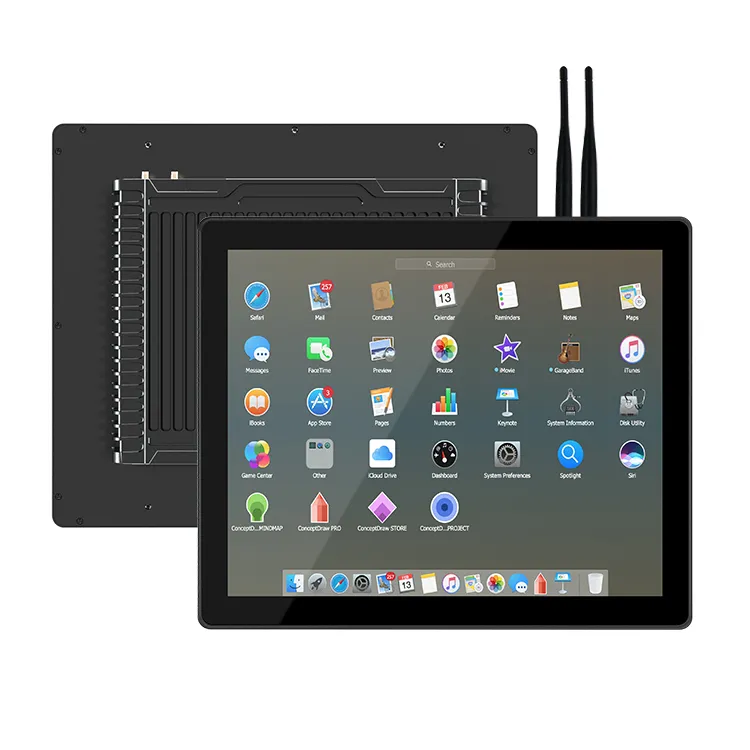
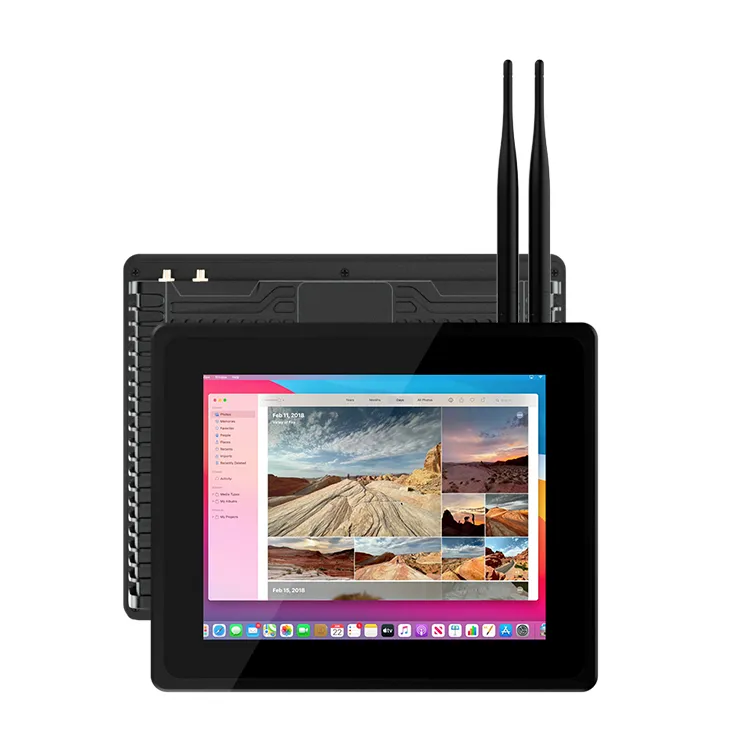
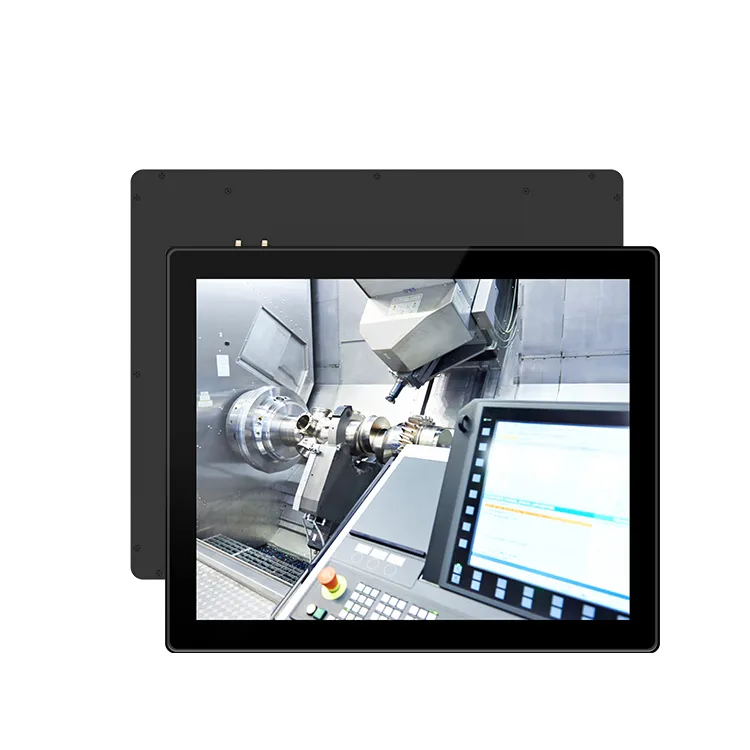
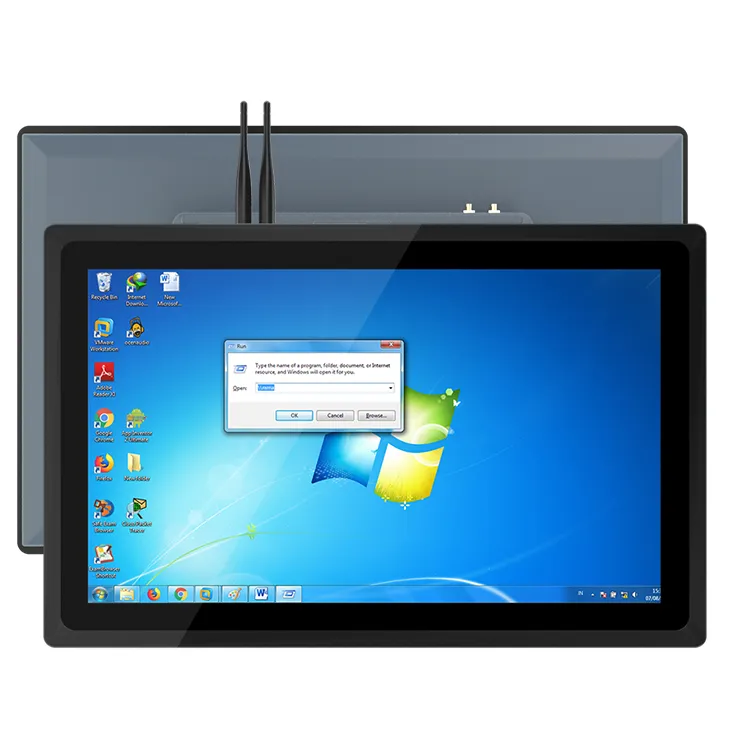
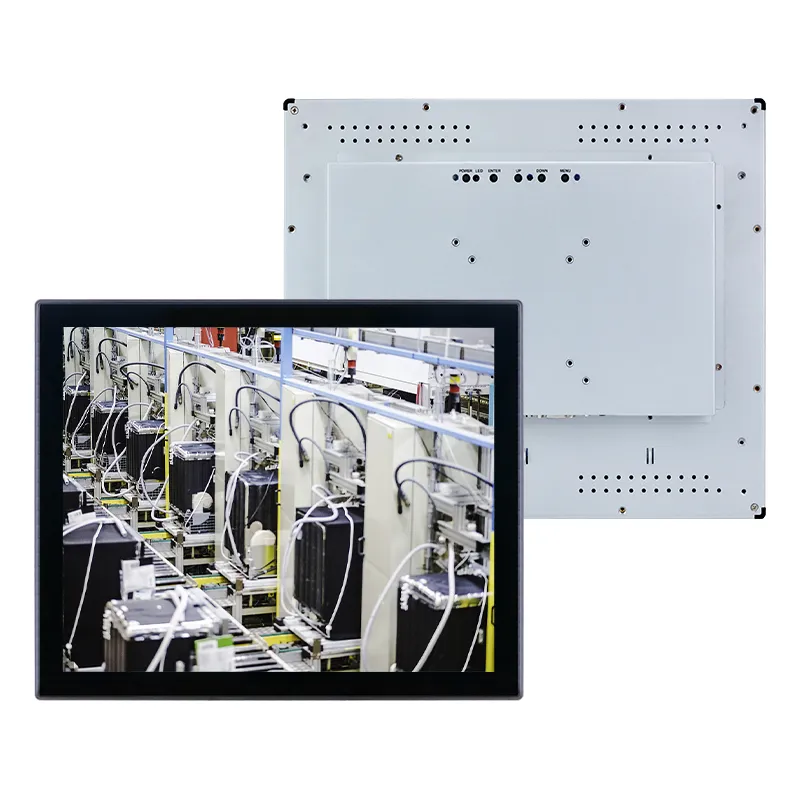
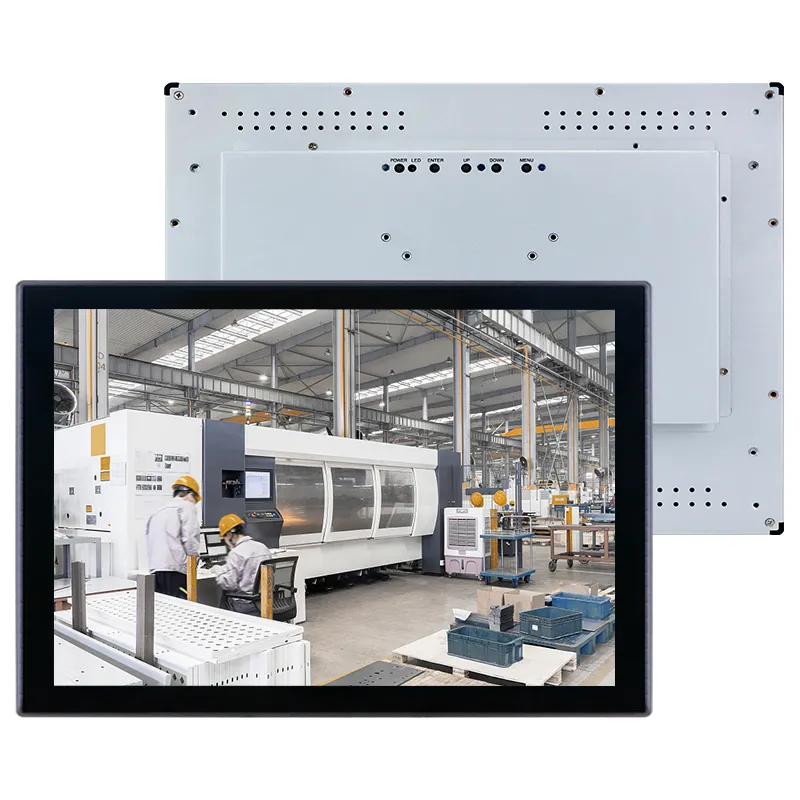
Products like the YC-102EB Embedded Industrial POE Tablet are engineered for applications that demand dependable performance, versatile installation, and seamless industrial integration.
Portworld also provides customization options, which include:
Custom housing design
Logo and branding
Android system optimization
Auto-run applications
Hardware configuration
Peripheral integration
From the initial prototype stage to full-scale production, Portworld collaborates with businesses to create dependable embedded Android solutions across various industries.