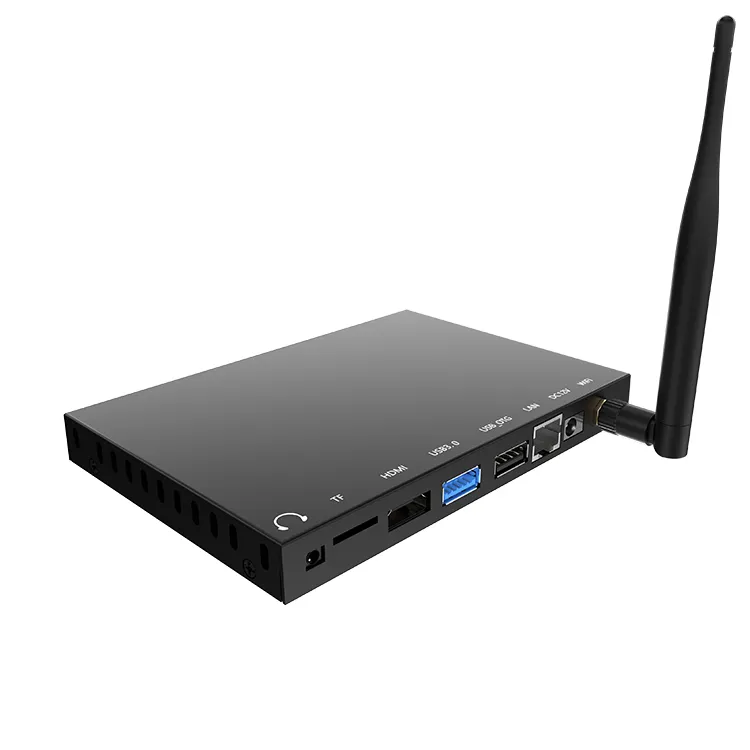
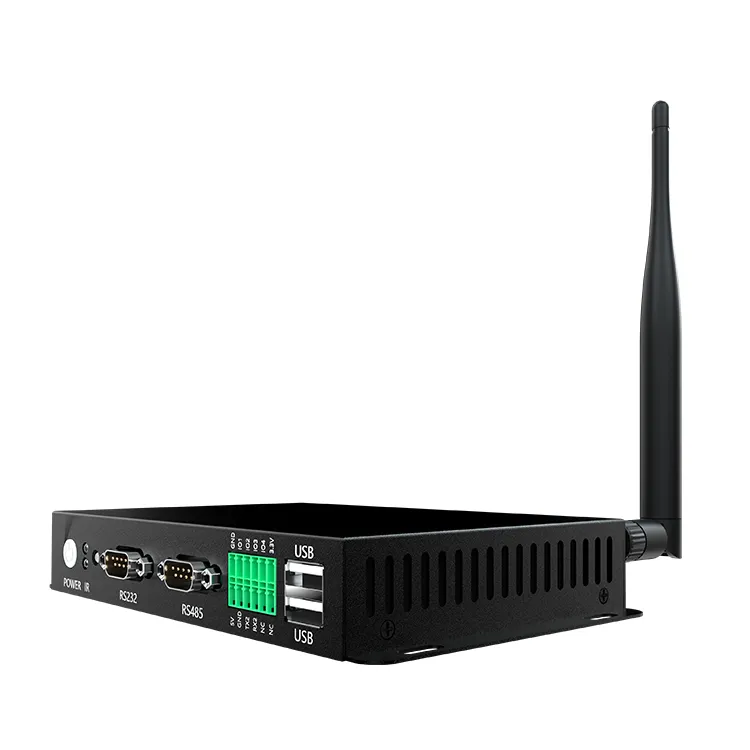
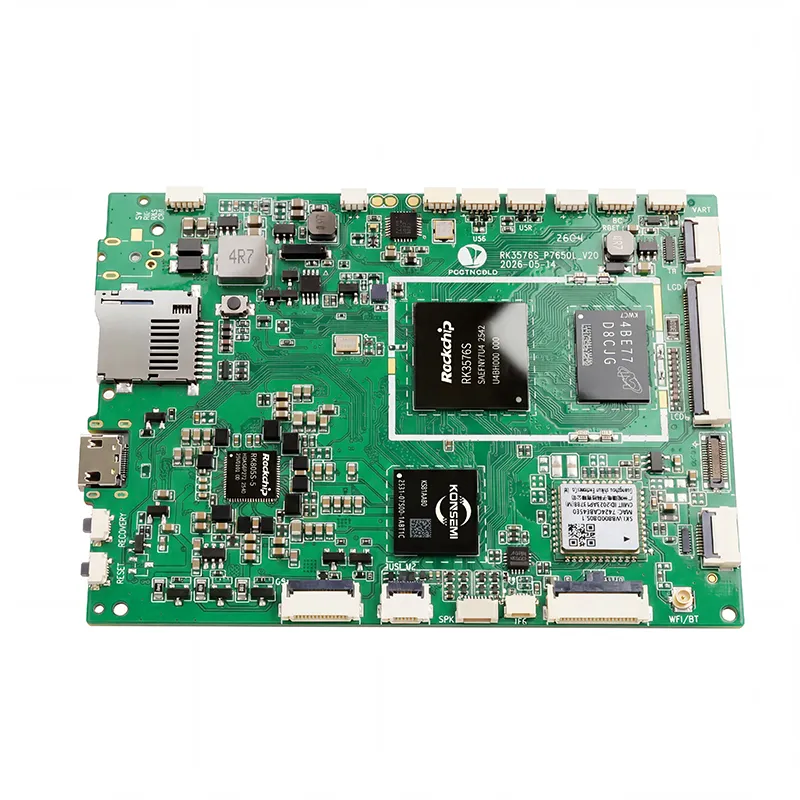
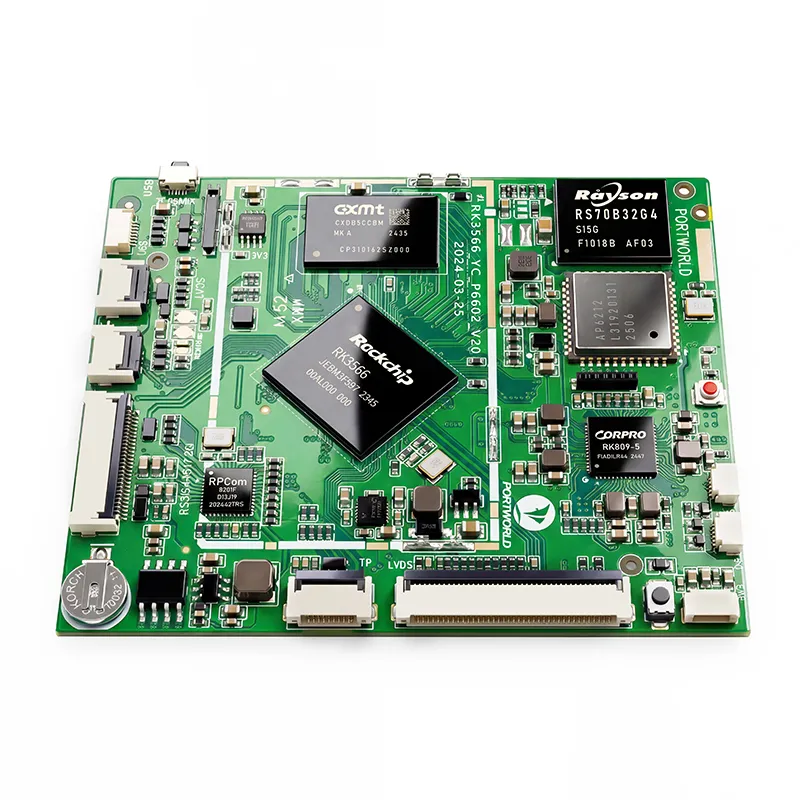
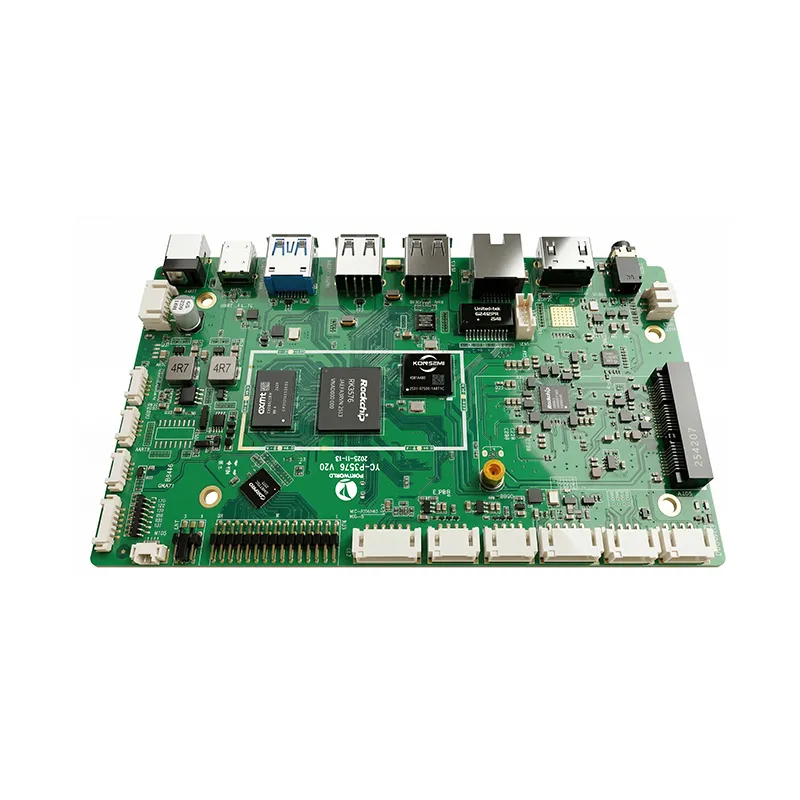
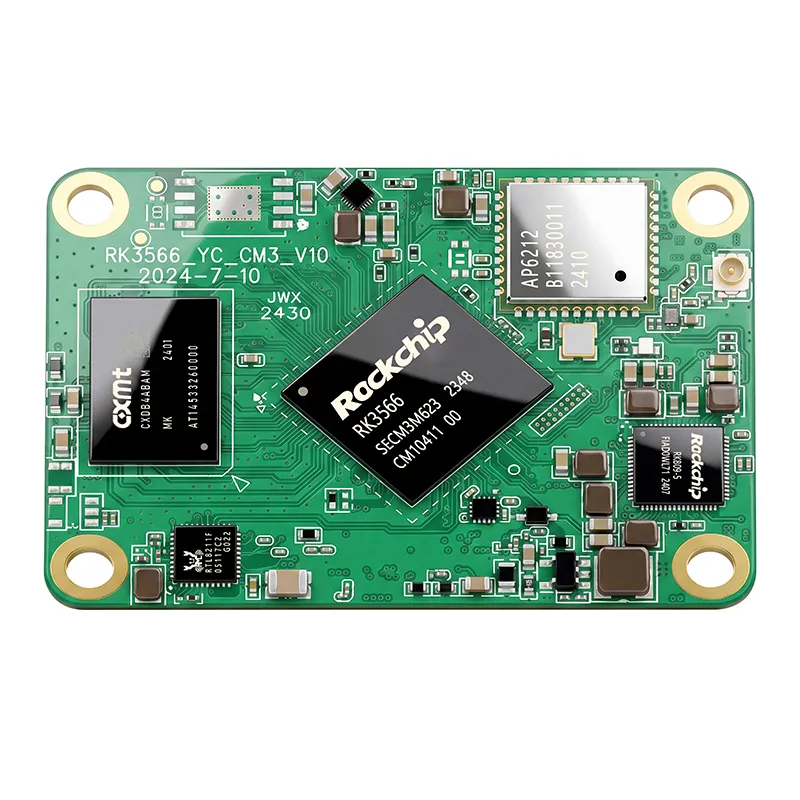
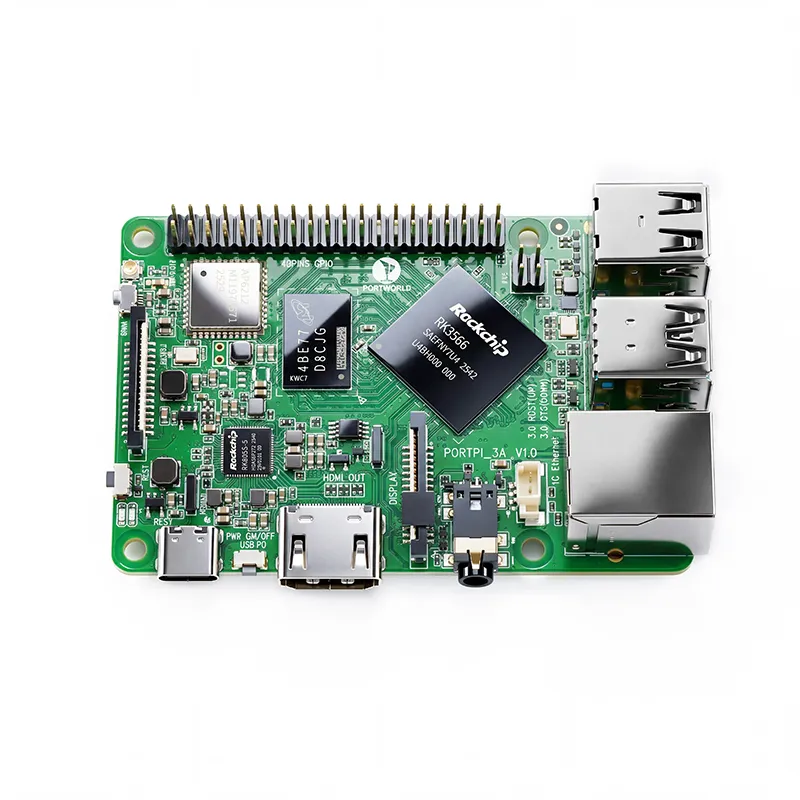

RK3576 Motherboard PCBA Design and Custom OEM/ODM Services
Apr 27,2026
The Next-Gen RK3588 Core board
Powerful, AI-Driven, High-Performance.Shop Now>




Marine settings present exceptionally demanding operational conditions for electronic systems. Persistent contact with moisture, saline aerosols, atmospheric moisture, mechanical oscillation, and thermal fluctuations necessitates display systems engineered explicitly for severe operational contexts.
A corrosion-resistant interactive display designed for maritime environments must deliver consistent performance for vessel navigation apparatus, ship management systems, operational surveillance instruments, and deep-water installations where operational interruption represents an unacceptable risk.
Marine Applications and Their Necessity for Corrosion-Resistant Interactive Displays
Conventional industrial-grade displays lack engineering specifications for maritime operational conditions. Within maritime vessels, subsea installations, and waterfront infrastructure, display systems encounter:
Saline-induced material degradation
Elevated atmospheric moisture levels
Water spray phenomena and precipitation
Intense mechanical stress and impact forces
Unobstructed solar radiation
Uninterrupted operational cycles spanning 24 hours daily
Specialized industrial interactive displays furnish the structural integrity and operational consistency demanded by these demanding settings.
Essential Specifications for Selecting a Maritime Interactive Display System
1. Corrosion and Particulate Matter Resistance
The paramount consideration for maritime applications involves safeguarding against moisture infiltration and particulate contamination.
An engineered interactive display incorporating IP65 or superior environmental protection delivers:
Completely sealed display interface
Defense against pressurized water discharge
Particulate filtration construction
Simplified decontamination and upkeep procedures
This configuration proves appropriate for:
Vessel command and control installations
Maritime directional navigation facilities
Deep-water operational apparatus
Remote surveillance infrastructure
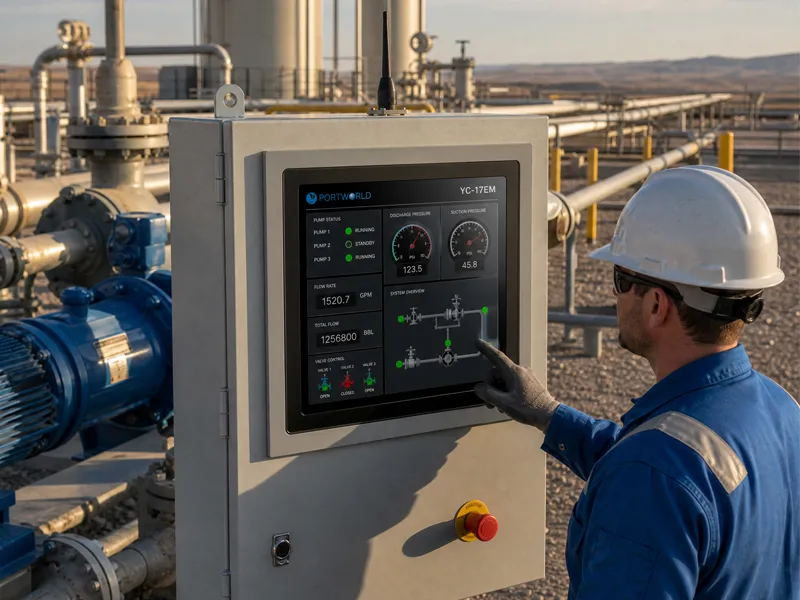
2. Corrosion-Resistant Construction
Salt air and seawater can accelerate corrosion of electronic components.
An appropriate marine touchscreen display should incorporate:
Aluminum alloy housing
Anti-corrosion surface treatment
Sealed enclosure design
These characteristics enhance durability in coastal and offshore environments.
3. High Brightness Display for Outdoor Visibility
Marine equipment is frequently operated under intense sunlight. A conventional monitor may experience reflections and diminished visibility.
Essential display characteristics include:
High brightness LCD panel
Anti-glare coating
Wide viewing angles
High contrast ratio
A sunlight-readable touchscreen enables operators to observe information with clarity during daytime operations.
4. Reliable Touch Operation in Marine Conditions
Touchscreens deployed on vessels must maintain responsiveness despite adverse conditions.
Suggested characteristics include:
10-point capacitive touch support
Glove-touch capability
High sensitivity touch control
Durable glass surface
This capability permits operators to manage systems with speed and precision.
5. Shock and Vibration Resistance
Marine equipment undergoes continuous motion from waves, engines, and machinery.
Industrial touchscreen monitors should deliver:
Shock-resistant structure
Reinforced housing
Stable internal mounting
Fanless design
A robust design ensures sustained reliable operation throughout extended voyages.
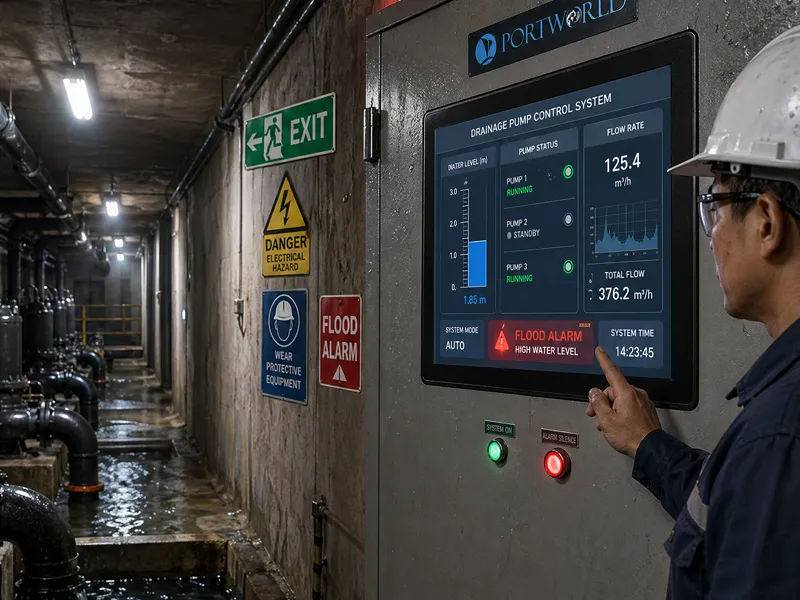
6. Comprehensive Temperature Management Capabilities
Marine environments present significant thermal challenges, ranging from frigid offshore conditions to elevated temperatures within engine compartments.
A dependable marine touchscreen monitor must incorporate:
Extended operational temperature tolerance
Optimized thermal management mechanisms
Commercial-grade LCD technology
Passive cooling architectures
This configuration guarantees consistent functionality while minimizing maintenance requirements.
7. Comprehensive Connectivity Infrastructure for Marine Operations
Marine automation frameworks frequently interface with numerous peripheral devices, encompassing sensors, control units, and navigational instruments.
Standard connection protocols encompass:
HDMI
USB
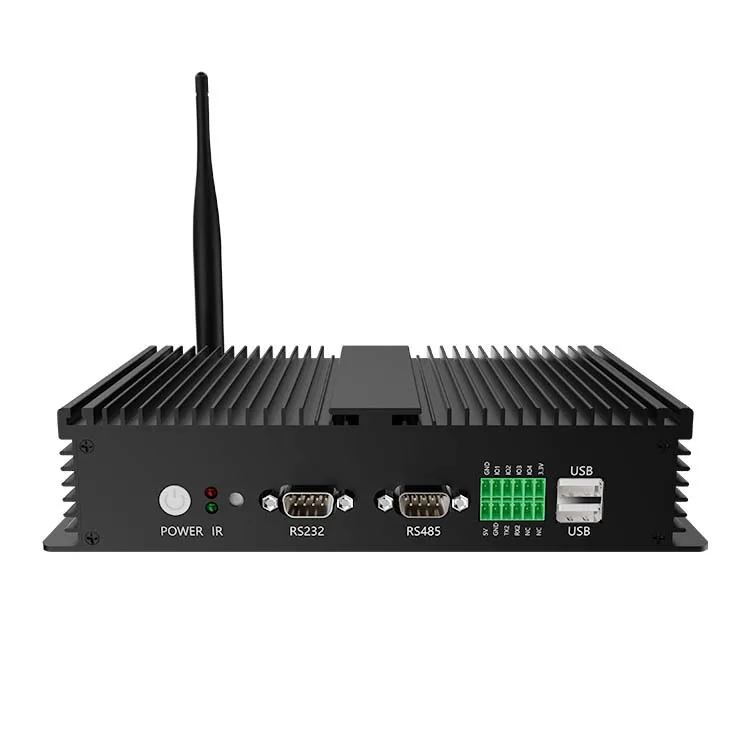
RS232 / RS485
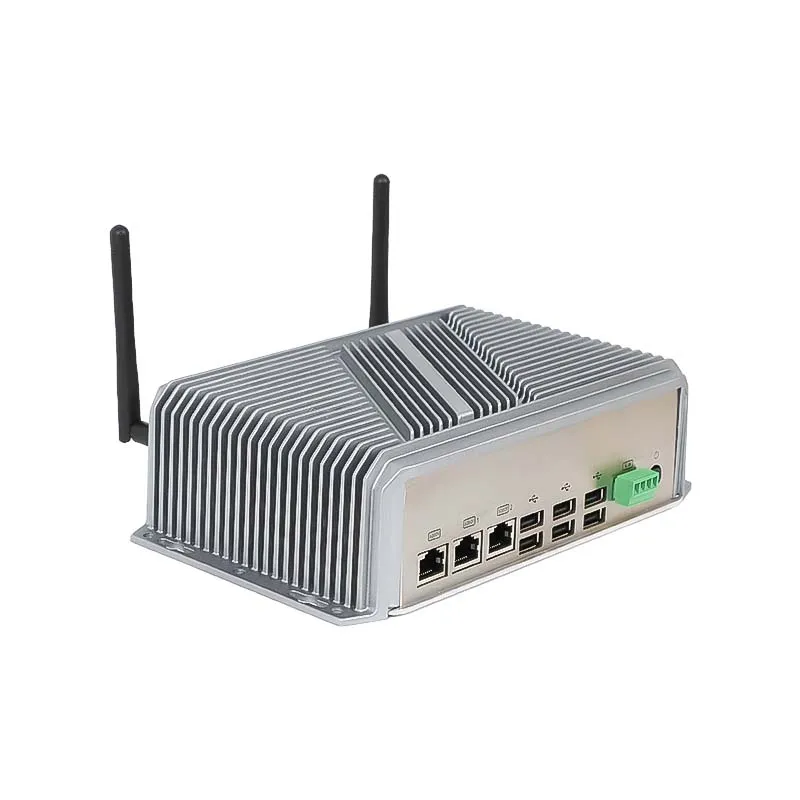
Ethernet
CAN Bus
GPIO
These interconnections facilitate seamless integration with vessel management systems, supervisory monitoring platforms, and contemporary Internet of Things applications.
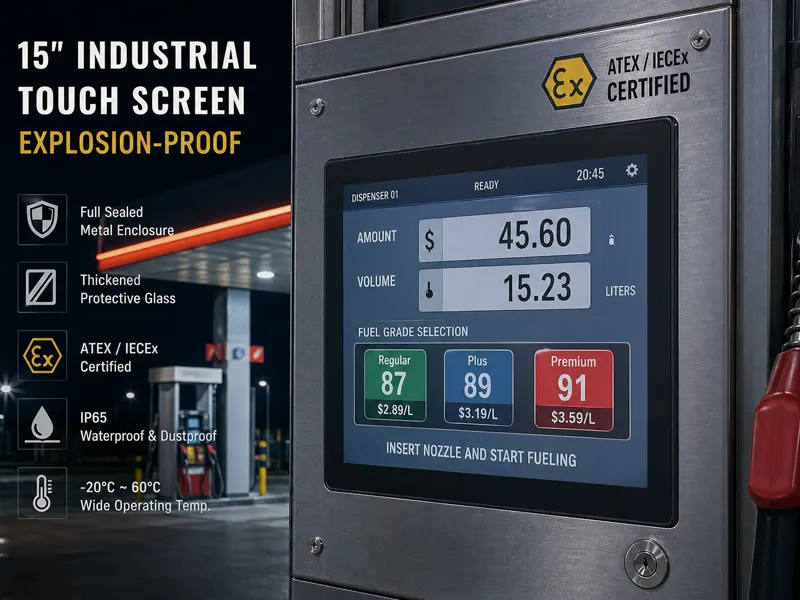
Utilization of Waterproof Touchscreen Monitors in Maritime Environments
Industrial waterproof touchscreen monitors are extensively deployed across:
Vessel navigation systems
Marine operational automation
Offshore drilling installations
Commercial fishing equipment
Luxury yacht multimedia systems
Harbor surveillance terminals
Beachfront protection infrastructure
Machine room observation systems
These devices furnish operators with dependable access to instantaneous information and system management capabilities.
Tailored Marine Touchscreen Implementations
Distinct maritime undertakings necessitate distinct technical specifications. OEM/ODM personalization capabilities may encompass:
Adjustable display dimensions
Sensitive surface panel modifications
Connectivity port augmentation
Integrated processing unit incorporation
Android/Linux/Windows operating system compatibility
Specialized installation frameworks
A purpose-built industrial touchscreen system facilitates the fulfillment of distinctive vessel or subsea infrastructure operational demands.
A waterproof touchscreen monitor for marine environments must combine durability, visibility, and reliable performance. Features such as IP65 protection, corrosion-resistant housing, sunlight readability, industrial connectivity, and rugged construction are essential for marine applications.