

RK3576 Motherboard PCBA Design and Custom OEM/ODM Services
Apr 27,2026
The Next-Gen RK3588 Core board
Powerful, AI-Driven, High-Performance.Shop Now>


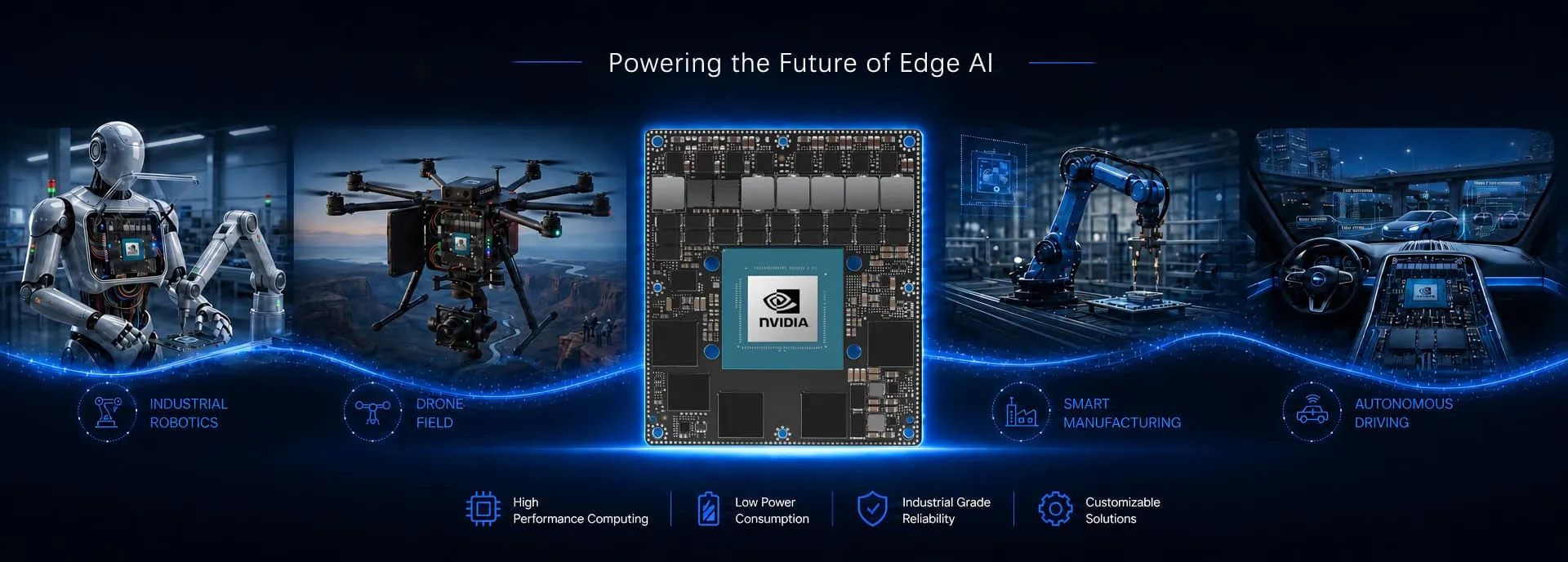


As artificial intelligence, robotics, and edge computing continue to evolve, selecting the appropriate motherboard equipped with an NVIDIA GPU has become increasingly crucial for developers creating high-performance embedded systems. Unlike conventional computing platforms, AI applications necessitate not only robust graphics processing but also effective AI acceleration, dependable hardware design, and adaptable system integration.
From industrial robots and machine vision systems to autonomous devices and intelligent terminals, a motherboard featuring an NVIDIA GPU delivers the computational power essential for processing substantial amounts of visual and sensor data in real time.
This article outlines the critical factors to consider when choosing a motherboard with an NVIDIA GPU for AI and embedded applications.
1. Define Your Application Requirements
The initial step in selecting an NVIDIA GPU motherboard is to comprehend your application scenario.
Various industries demand different levels of computing performance.
Industrial Robotics
Robotic applications frequently require:
Real-time object detection
Multiple camera processing
AI-based navigation
Motion control
Sensor data fusion
A robust NVIDIA GPU platform enables robots to assess their surroundings and make decisions with minimal latency.
Machine Vision
AI inspection systems necessitate:
High-speed image processing
Deep learning inference
Multiple industrial camera connections
Accurate defect recognition
NVIDIA GPU acceleration facilitates quicker visual analysis and enhances production efficiency.
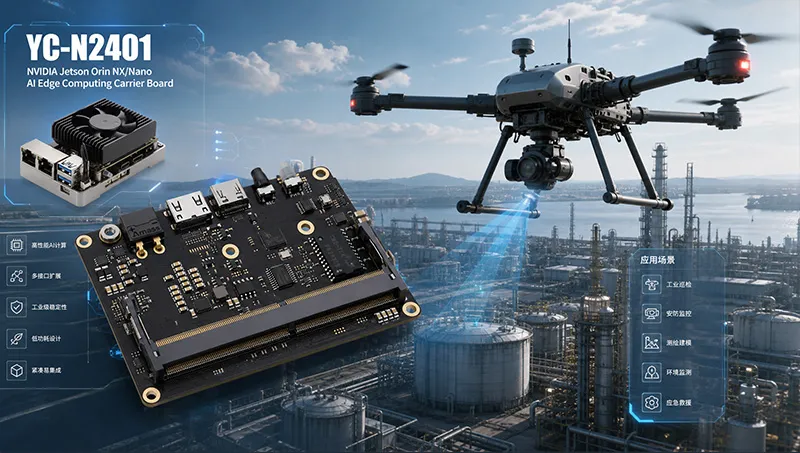
Edge AI Applications
For smart terminals and AI gateways, significant factors include:
Low power consumption
Compact design
Stable operation
Flexible connectivity
2. Evaluate GPU Computing Performance
The GPU serves as the fundamental element for AI acceleration. When choosing an NVIDIA GPU motherboard, it is essential to take into account:
CUDA core performance
AI inference capability
GPU memory capacity
Support for deep learning frameworks
NVIDIA GPU platforms are extensively utilized due to their compatibility with robust AI development ecosystems, which include:
CUDA
TensorRT
PyTorch
TensorFlow
OpenCV
This compatibility enables developers to implement sophisticated AI models for applications in vision, robotics, and automation.
3. Assess AI Acceleration Capability
Contemporary AI applications demand more than just graphics processing; they require specialized acceleration for neural network inference.
An appropriate NVIDIA GPU motherboard should facilitate:
Deep learning acceleration
Real-time AI inference
Computer vision processing
Optimization of AI models
For embedded applications, NVIDIA Jetson platforms are commonly embraced as they offer GPU acceleration within compact and energy-efficient designs.
4. Assess CPU, Memory, and Storage Configuration
While the GPU is responsible for managing AI workloads, the overall performance of the system is contingent upon the entire hardware architecture.
Key factors to consider include:
CPU Performance
The CPU oversees:
System operations
Device communication
Application management
Memory Capacity
AI applications frequently necessitate adequate RAM for:
Handling large datasets
Running multiple applications
Supporting real-time video streams
Storage
Take into account:
eMMC storage
SSD compatibility
NVMe interfaces
Rapid storage solutions enhance system boot times and improve data processing efficiency.
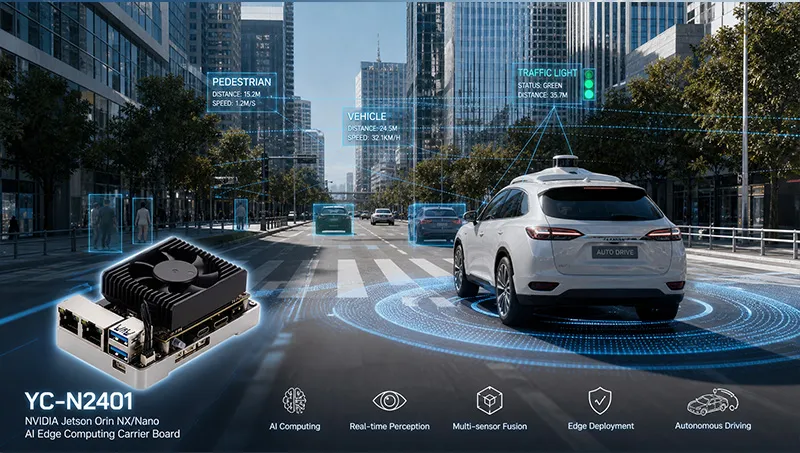
5. Verify Interface and Expansion Capabilities
Industrial AI systems typically connect various cameras, sensors, and external devices.
An appropriate NVIDIA GPU motherboard should offer:
Camera interfaces
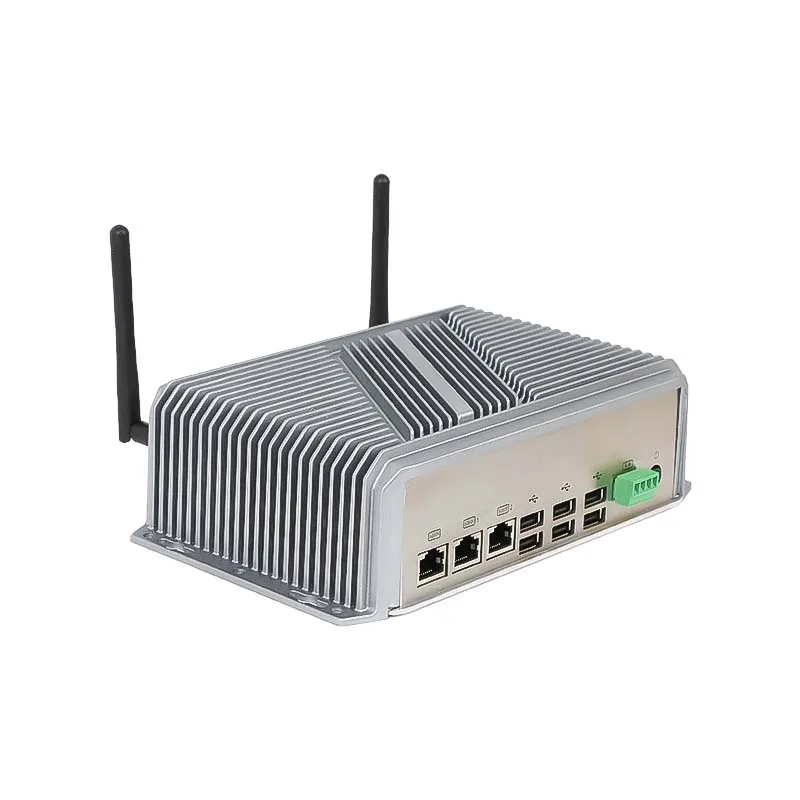
USB expansion
Ethernet networking
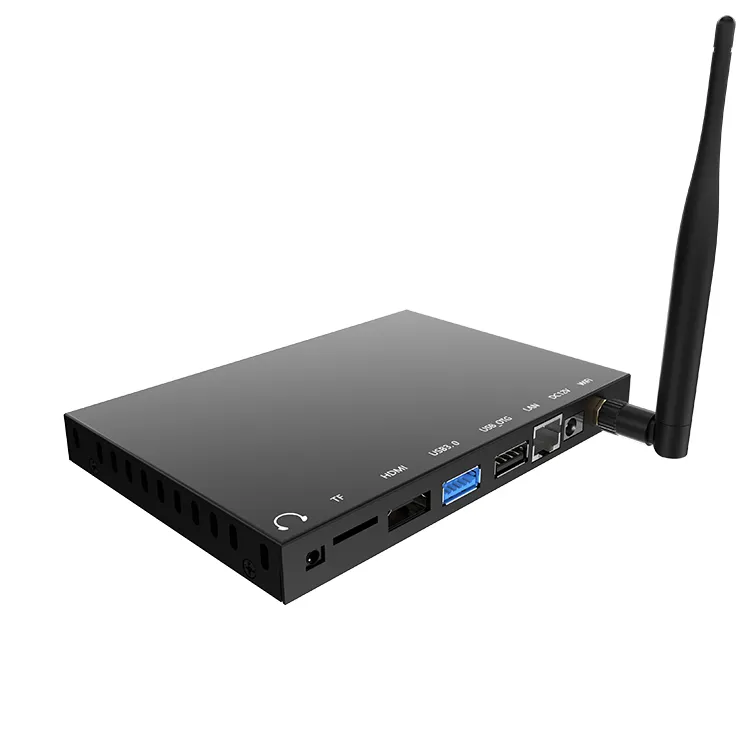
HDMI / DisplayPort output
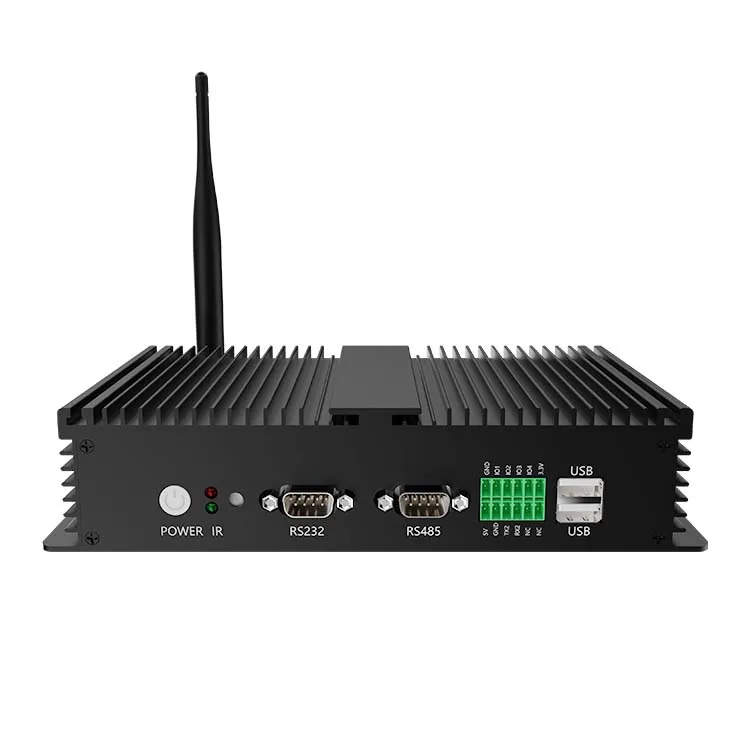
UART
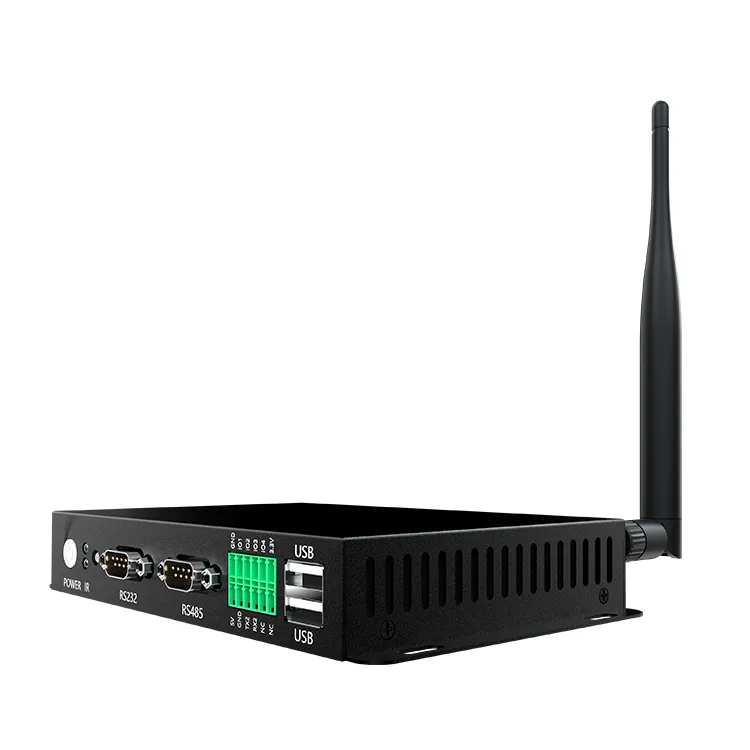
RS232 / RS485
CAN bus
GPIO
M.2 expansion
These interfaces facilitate the integration of the platform into robotics, automation, and industrial machinery.
6. Consider Power Consumption and Thermal Management
High-performance GPUs produce considerable heat, particularly during AI inference tasks.
When choosing an NVIDIA GPU motherboard, take into account:
Cooling design
Power efficiency
Operating temperature range
Continuous operation capability
Industrial AI devices frequently require 24/7 operation in factories, outdoor settings, or autonomous systems, making thermal reliability a critical factor.
7. Select a Motherboard with Robust Customization Capabilities
In the realm of commercial AI products, standard development boards frequently fall short. Organizations typically necessitate tailored hardware solutions.
A reputable NVIDIA motherboard solution provider ought to offer support for:
Custom carrier board design
Interface customization
Mechanical structure design
Power optimization
System integration
Mass production assistance
Portworld NVIDIA GPU Motherboard Solutions
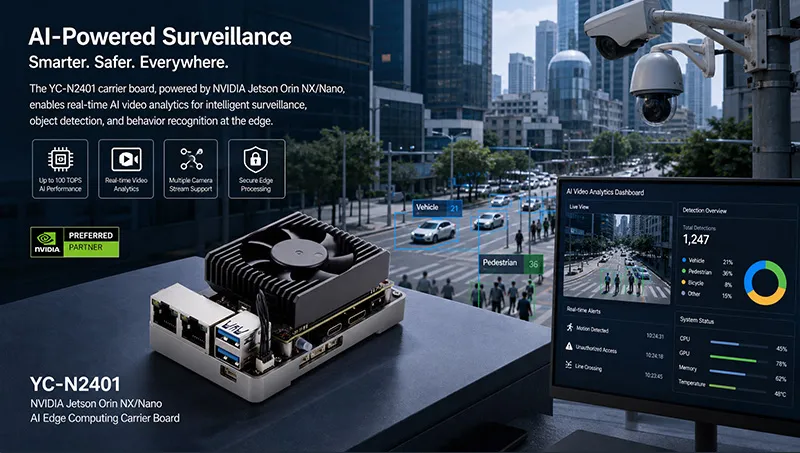
Portworld delivers tailored NVIDIA GPU motherboard solutions specifically designed for industrial AI and embedded applications.
As a comprehensive screen touch solution provider with a focus on custom B2B smart hardware, Portworld boasts 18 years of industry expertise, offering complete OEM/ODM services that span from hardware design to mass production.
Portworld's NVIDIA-based offerings encompass:
NVIDIA embedded AI computing platforms
Custom carrier boards
Robot control computing units
Machine vision systems
AI smart display solutions
Comprehensive OEM/ODM Development Services
Portworld offers extensive support to clients throughout the entire product development process:
Hardware architecture design
PCB schematic and layout
Integration of AI computing platforms
Customization of Linux systems
Optimization of drivers and firmware
Development of prototypes
CKD/SKD manufacturing
Assistance with mass production
This comprehensive approach allows companies to expedite the development of dependable AI products powered by NVIDIA GPUs.
Multi-Platform Embedded Computing Solutions
In addition to NVIDIA GPU platforms, Portworld also delivers solutions utilizing:
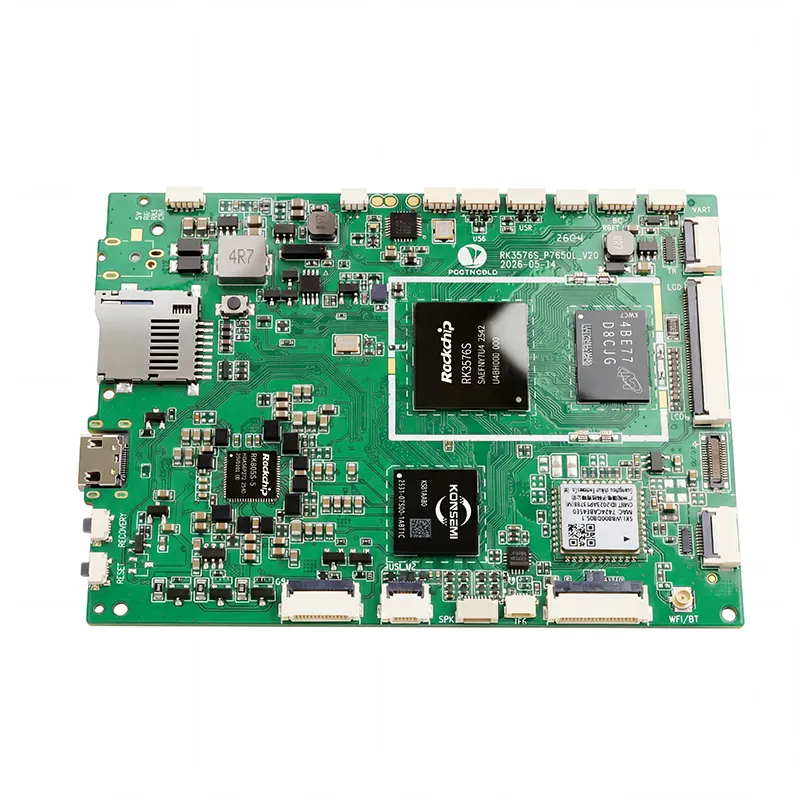
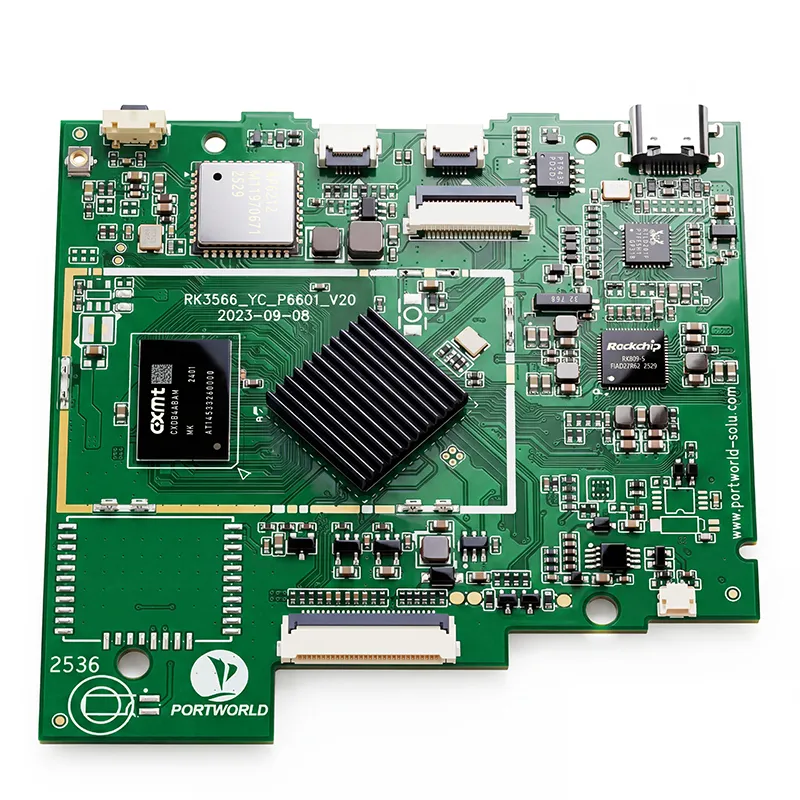
Rockchip RK3566 / RK3576 / RK3588 / RK3572 / RK3506
MediaTek MTK P8786
Espressif ESP32-P4
Intel / AMD platforms
Snapdragon and Spreadtrum technologies
The supported operating systems encompass:
Android
Linux (Ubuntu / Debian / Buildroot)
Windows
Selecting the appropriate motherboard equipped with an NVIDIA GPU necessitates a thorough assessment of GPU performance, AI acceleration capabilities, system compatibility, thermal design, interfaces, and customization options.
For use cases such as industrial robotics, machine vision, autonomous systems, and edge AI devices, NVIDIA GPU motherboards deliver the necessary computational power for advanced processing.