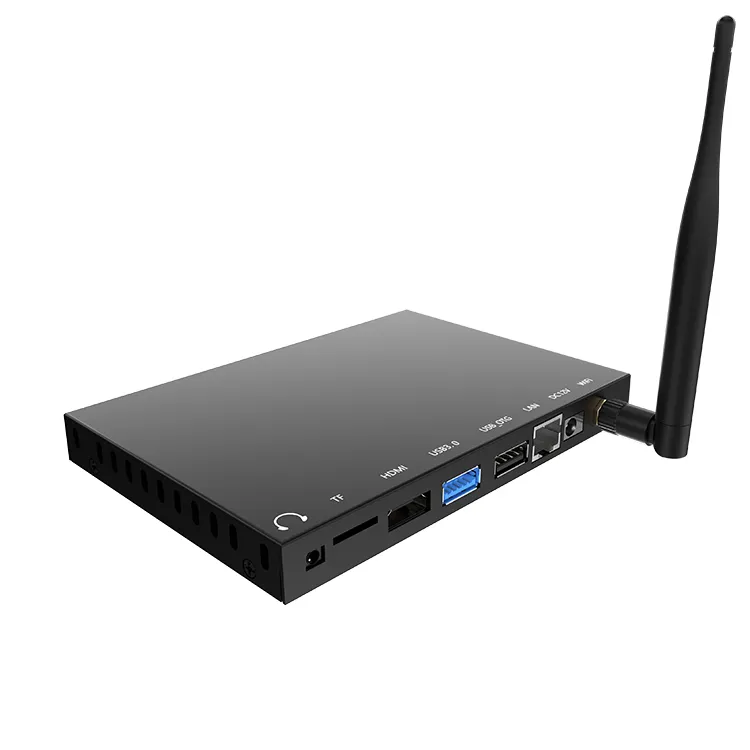
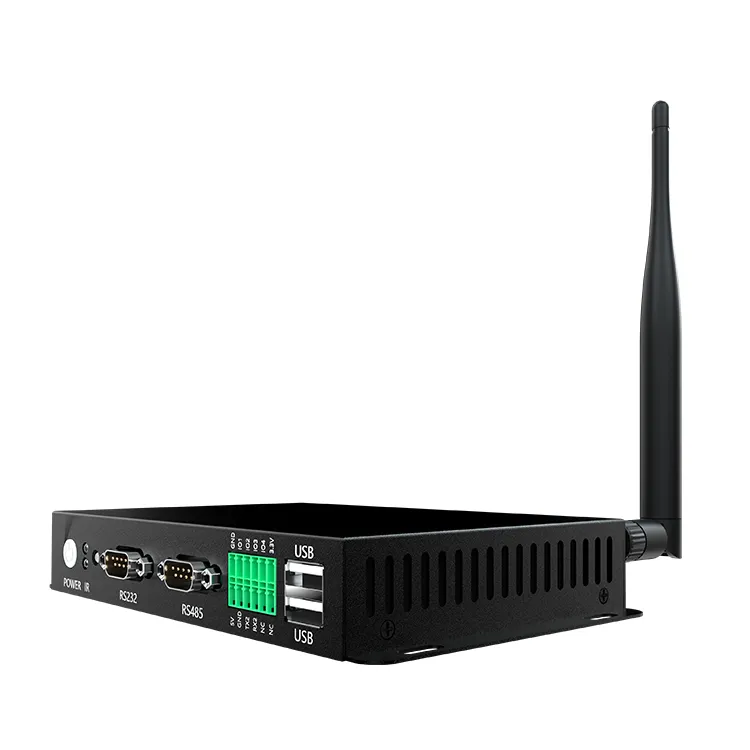
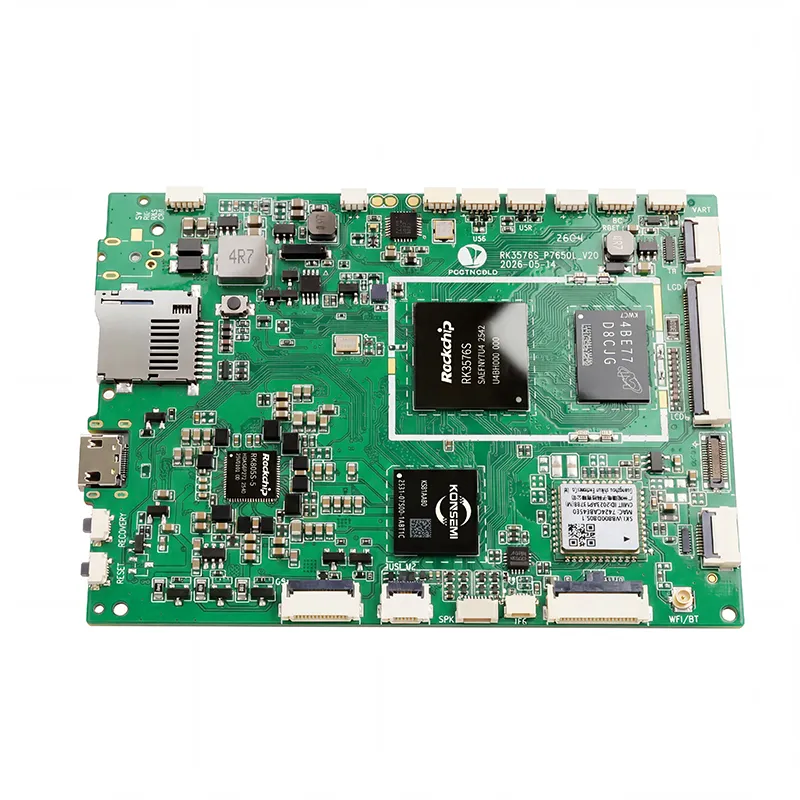
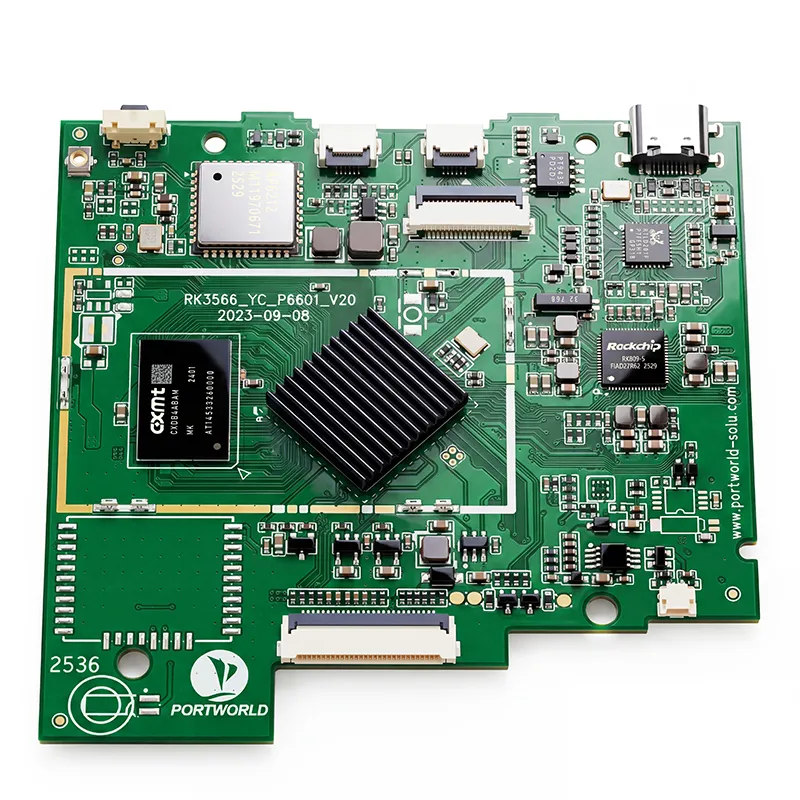
RK3576 Motherboard PCBA Design and Custom OEM/ODM Services
Apr 27,2026
The Next-Gen RK3588 Core board
Powerful, AI-Driven, High-Performance.Shop Now>




The Importance of Appropriate Communication Interfaces for Industrial Touch Screen Panel PCs
In contemporary industrial automation, a touch screen panel PC transcends its role as merely a display device. It has evolved into a pivotal control interface that links operators, machines, sensors, PLCs, robots, and industrial networks.
In contrast to consumer tablets or commercial displays, industrial touch screen panel PCs must ensure reliable communication with various devices within intricate environments. Factors such as long-distance transmission, electrical noise, multiple device connections, and real-time data exchange render communication interfaces a vital component of industrial system design.
Among the most prevalent industrial communication interfaces are RS232, RS485, and CAN Bus.
Each interface possesses distinct advantages and application scenarios. A thorough understanding of their differences enables engineers and system integrators to select the most suitable industrial panel PC solution for their projects.
RS232: A Reliable and Simple Point-to-Point Communication Method
RS232 is one of the oldest and most widely utilized serial communication standards in industrial equipment.
Despite the emergence of newer communication technologies, RS232 continues to be prevalent due to its simplicity and compatibility with numerous industrial devices.
Key Features of RS232
Point-to-point communication
Simple wiring structure
Easy integration
Suitable for short-distance communication
Commonly employed for device configuration and control
Typical RS232 connections encompass:
Barcode scanners
Printers
PLC programming devices
Measurement instruments
Serial controllers
Nevertheless, RS232 has certain limitations:
Restricted communication distance
Typically supports only two connected devices
Lower resistance to electrical interference compared to differential communication standards
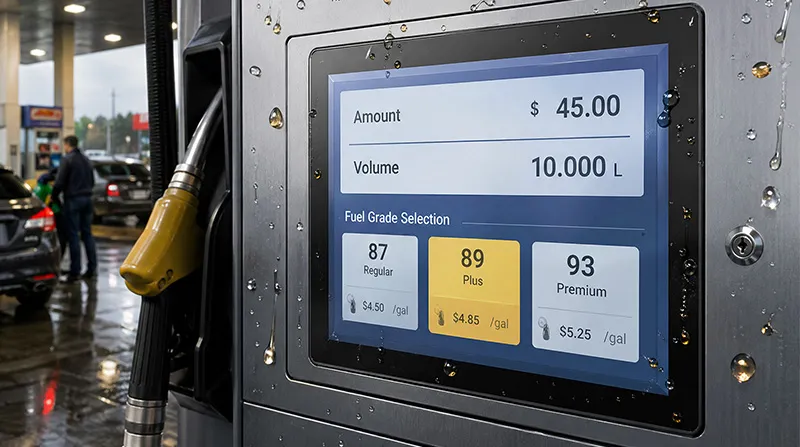
For scenarios where the industrial touch screen panel PC is situated in proximity to the controlled device, RS232 remains a practical and cost-effective option.
RS485: The Preferred Interface for Industrial Automation
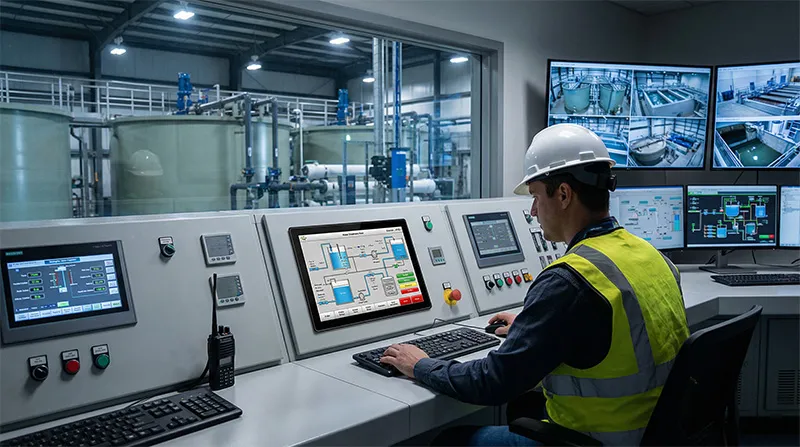
RS485 is among the most widely utilized communication interfaces in industrial settings.
In comparison to RS232, RS485 offers superior performance for factory automation, building management systems, and distributed control networks.
Advantages of RS485
Long-Distance Transmission
RS485 is capable of supporting communication over extensive distances, making it ideal for large industrial facilities.
Multi-Device Networking
In contrast to RS232, RS485 allows for multiple devices to be connected on the same communication bus.
A single industrial touch screen panel PC can interact with several:
Sensors
Controllers
PLC systems
Motor drivers
Smart meters
Strong Noise Resistance
Industrial environments frequently experience electromagnetic interference from:
Motors
Inverters
Machinery
RS485 employs differential signaling, which facilitates stable communication in electrically noisy environments.
Common RS485 Applications
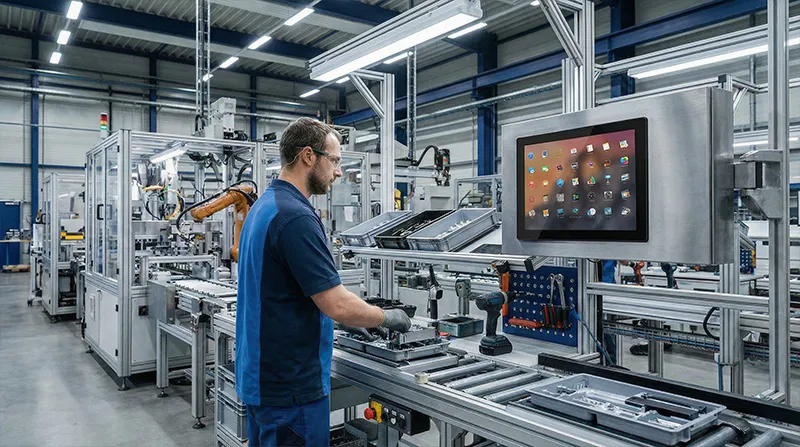
Industrial touch screen panel PCs equipped with RS485 interfaces are extensively utilized in:
Smart factory systems
Machine monitoring
Energy management systems
HVAC control
Industrial automation equipment
Building automation
For numerous industrial HMI applications, RS485 stands out as the preferred communication interface.
CAN Bus: Real-Time Communication for Intelligent Systems
Originally created for automotive uses, the CAN Bus (Controller Area Network) has gained significant traction in industrial applications.
The CAN Bus is engineered to facilitate dependable real-time communication among various electronic devices.
Key Advantages of CAN Bus
Real-Time Data Exchange
The CAN Bus enables rapid communication among numerous nodes with exceptional reliability.
Error Detection Capability
The protocols of CAN incorporate inherent error management features, thereby enhancing system stability.
Multi-Node Network
A variety of devices can interact on the same network, which includes:
Controllers
Sensors
Actuators
Embedded systems
Common Applications of CAN Bus
Industrial touch screen panel PCs equipped with CAN interfaces are frequently utilized in:
Equipment mounted on vehicles
Autonomous robotic systems
Industrial transportation vehicles
Energy storage solutions
Intelligent transportation systems
Robotics
In scenarios that demand real-time control and dependable data communication, the CAN Bus demonstrates outstanding performance.
RS232 vs RS485 vs CAN Bus Comparison
| Feature | RS232 | RS485 | CAN Bus |
|---|---|---|---|
| Communication Type | Point-to-point | Multi-point | Multi-node |
| Distance | Short | Long | Medium to long |
| Noise Resistance | Low | High | Very High |
| Device Quantity | 2 devices | Multiple devices | Multiple nodes |
| Data Reliability | Basic | High | Very High |
| Common Applications | Simple device control | Industrial automation | Real-time control systems |
Selecting the Appropriate Interface for an Industrial Touch Screen Panel PC
The choice of interface is contingent upon the specific requirements of your application.
Opt for RS232 When:
You require straightforward communication between devices.
The distance separating devices is minimal.
Only a single external device needs to be connected.
Integration simplicity is of utmost importance.
Illustrations include:
Printers
Barcode scanners
Configuration tools
Opt for RS485 When:
There is a necessity for communication among multiple devices.
Long-distance data transmission is essential.
The environment is subject to electrical interference.
Compatibility with industrial automation is required.
Illustrations include:
Factory control systems
Smart meters
PLC communication
Opt for CAN Bus When:
Real-time communication is essential.
Multiple intelligent devices are interconnected.
System reliability is of paramount importance.
Illustrations include:
AGV robots
Industrial vehicles
Robotics systems
Industrial Touch Screen Panel PCs Featuring Versatile Interface Expansion
Contemporary industrial panel PCs are engineered with adaptable connectivity to accommodate various industrial applications.
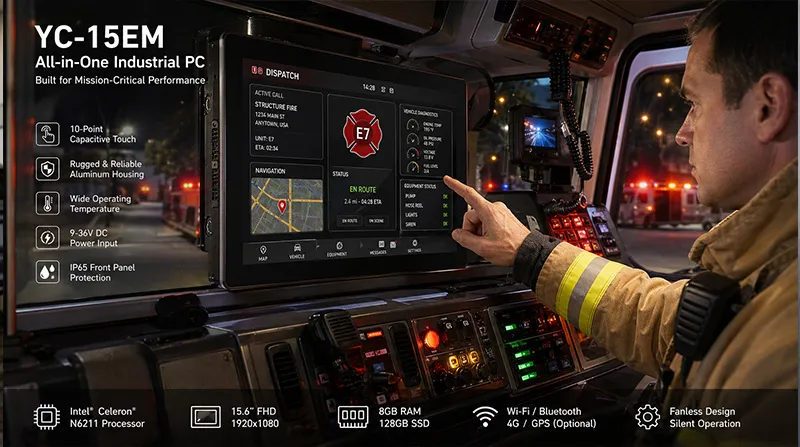
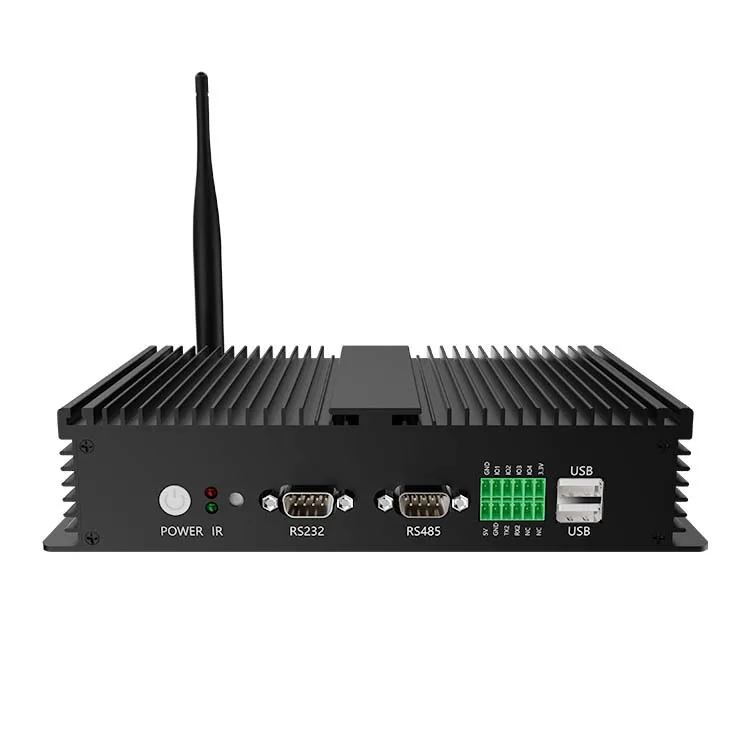
For instance, Portworld's industrial touch screen panel PCs can support tailored interfaces such as:
RS232
RS485
CAN Bus
GPIO
Ethernet
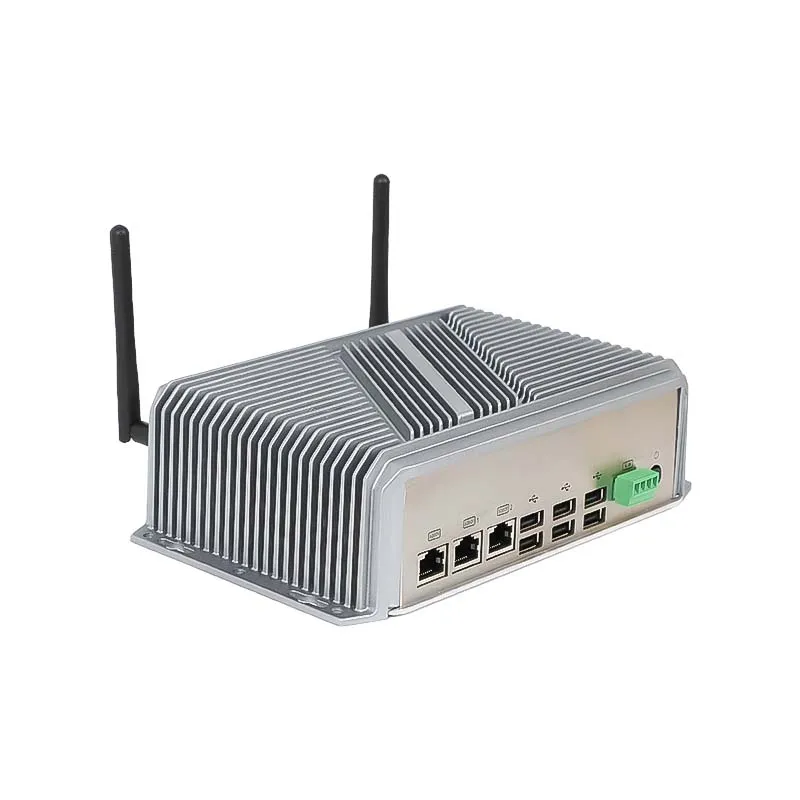
USB
HDMI
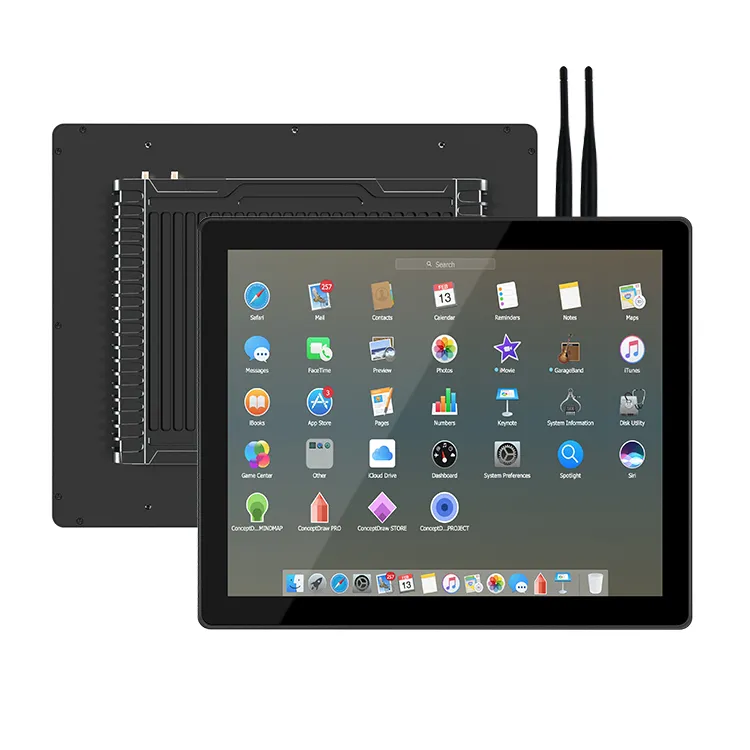
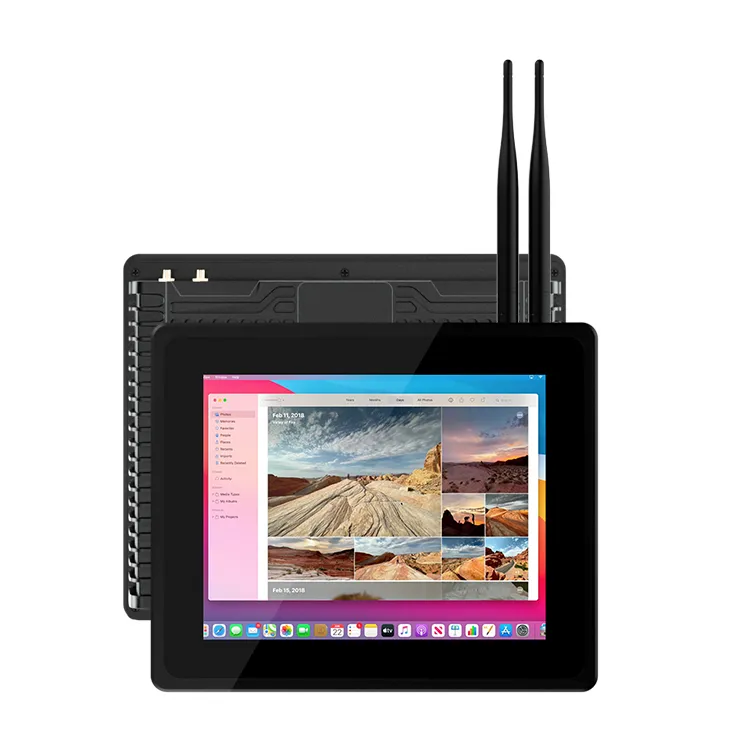
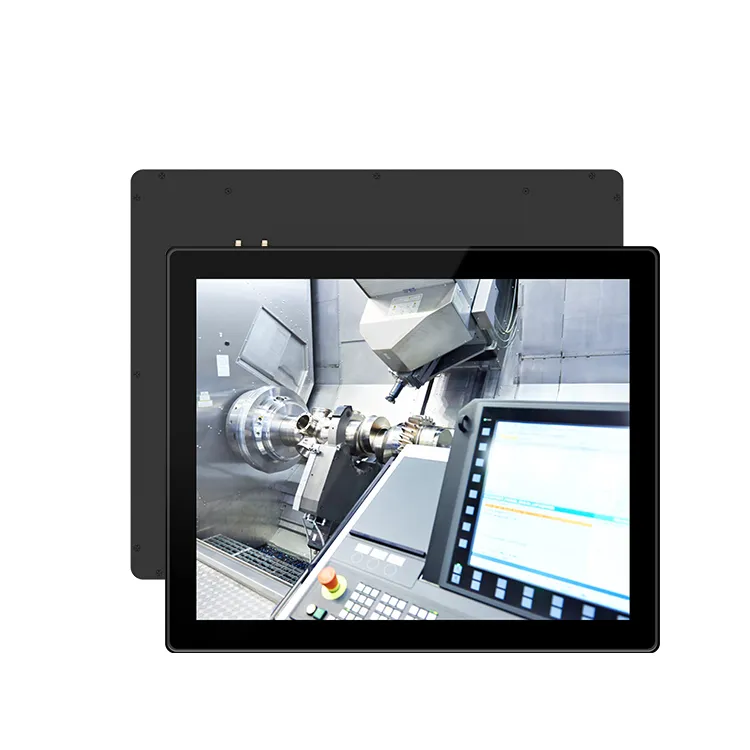
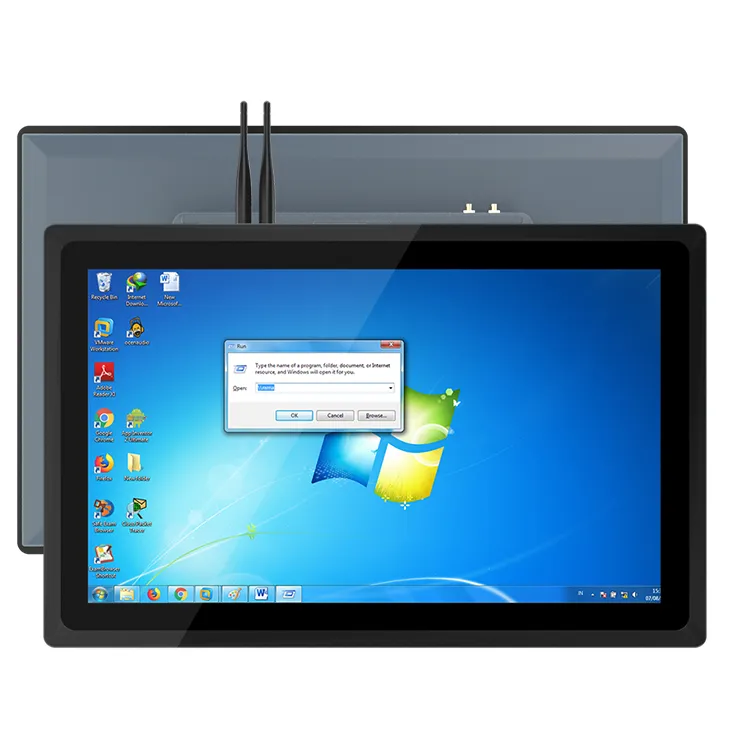
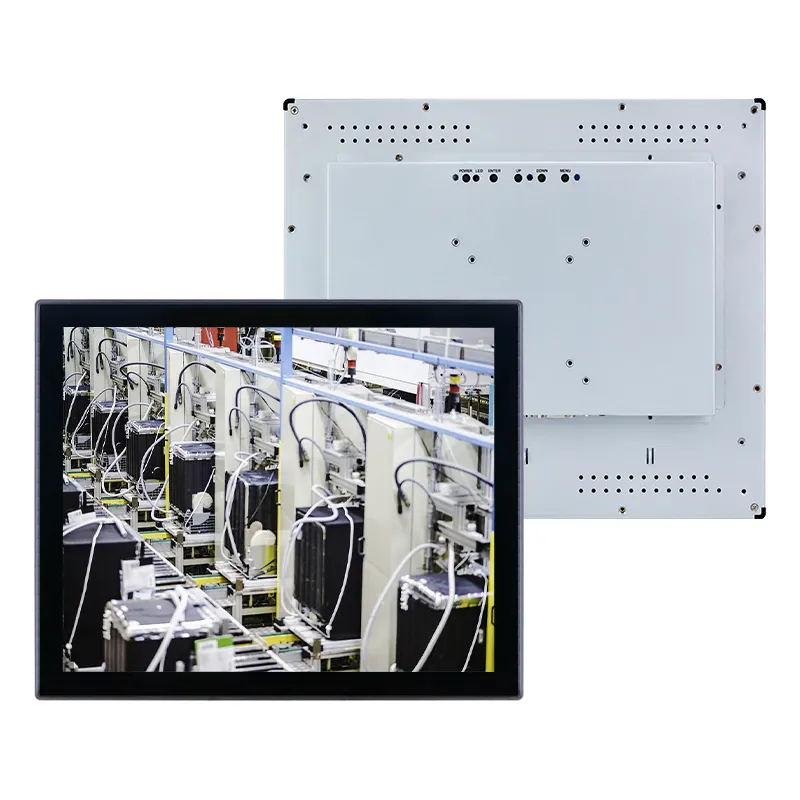
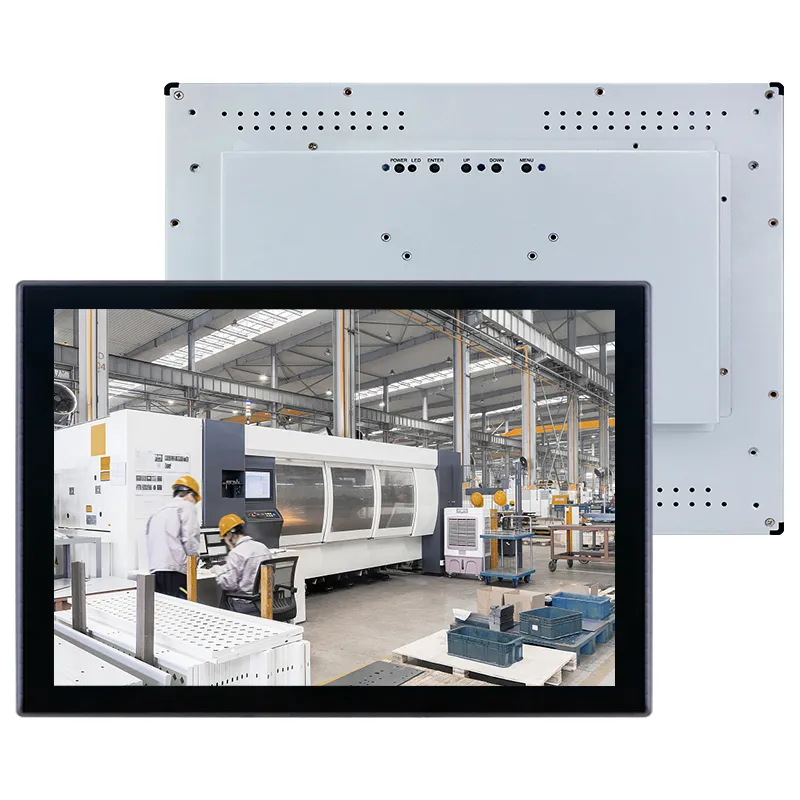
Models like the YC-104EM, YC-15EM, and YC-215EM industrial panel PCs are specifically crafted for industrial automation, machine control, and embedded applications where dependable communication is crucial.
With the capability for OEM/ODM customization, manufacturers can also offer:
Tailored motherboard designs
Supplementary communication modules
Interface expansion
Customization of Android/Linux/Windows systems
RS232, RS485, and CAN Bus are each crucial in the realm of industrial communication.
RS232 is best suited for straightforward point-to-point connections.
RS485 is commonly utilized in industrial automation and for communication among multiple devices.
CAN Bus is preferred for intelligent systems that demand real-time and highly dependable data exchange.
When opting for an industrial touch screen panel PC, selecting the appropriate communication interface is essential for improved system integration, enhanced reliability, and extended operational lifespan in challenging industrial settings.