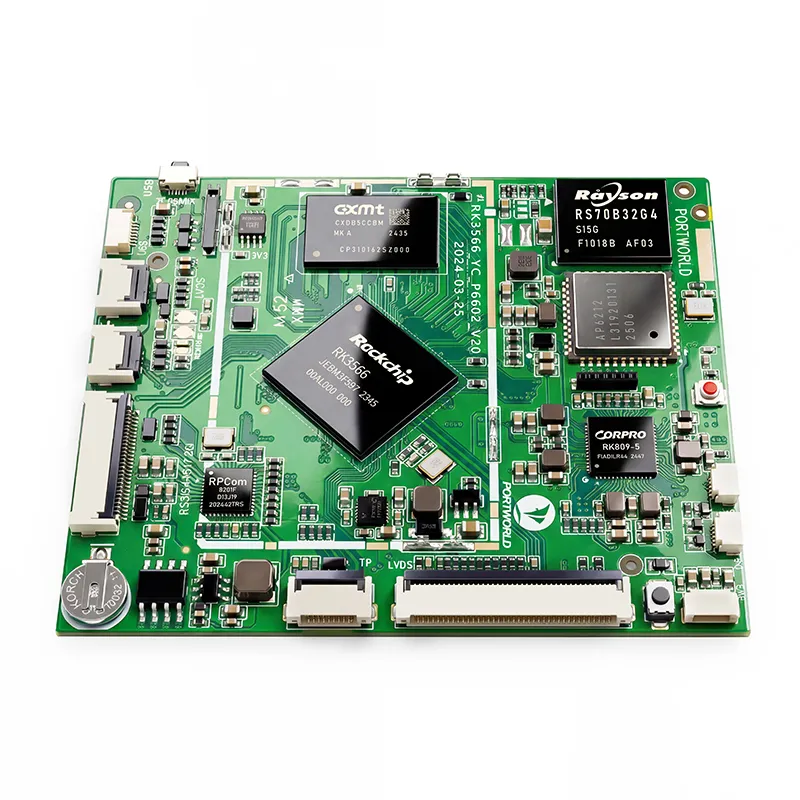
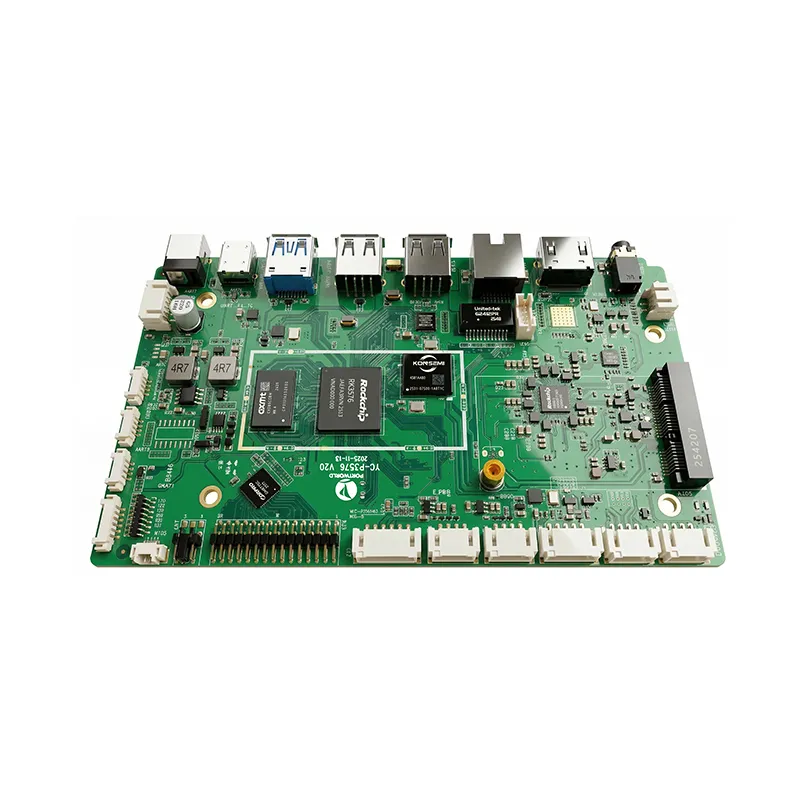
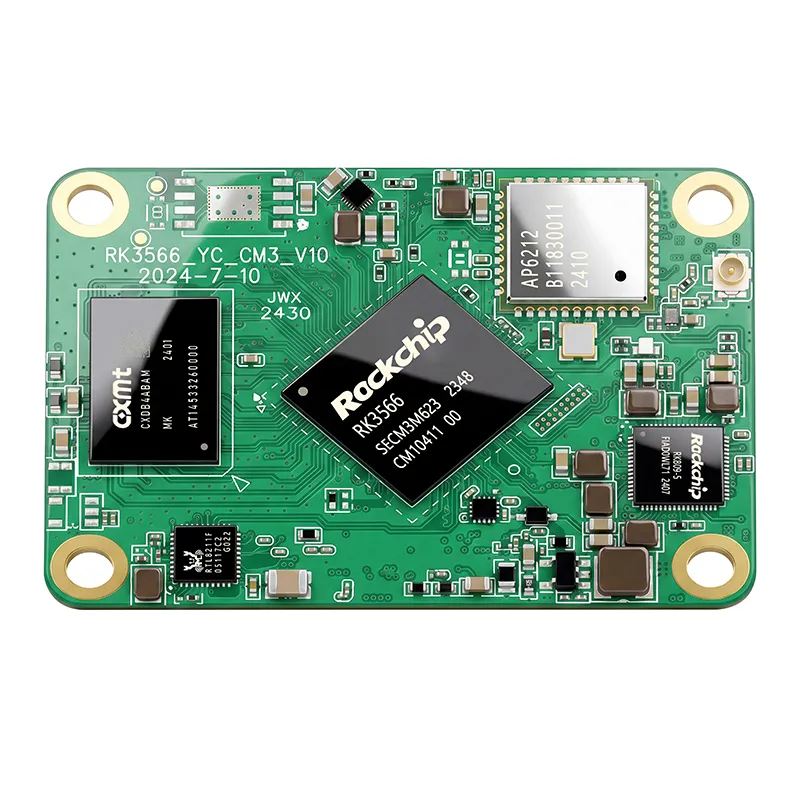
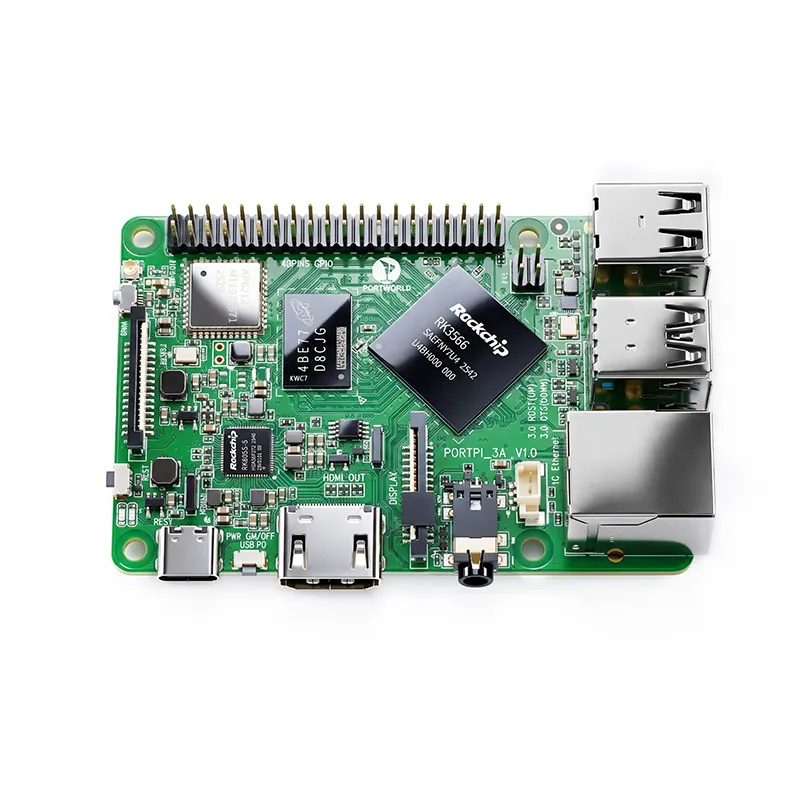

RK3576 Motherboard PCBA Design and Custom OEM/ODM Services
Apr 27,2026
The Next-Gen RK3588 Core board
Powerful, AI-Driven, High-Performance.Shop Now>




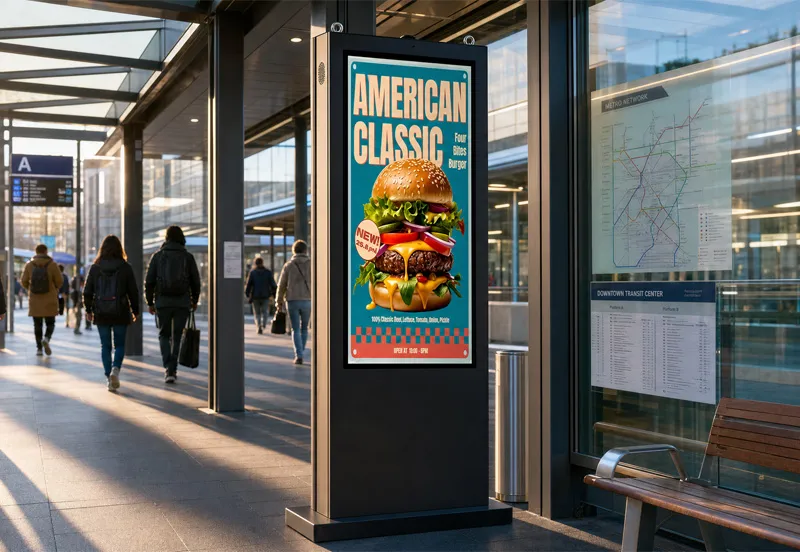
As smart cities continue to develop, conventional bus stop information boards are transforming into advanced communication platforms. A digital signage display kiosk for outdoor bus stops, integrated with 4G and 5G LTE technology, merges high-brightness display capabilities, wireless connectivity, and intelligent management systems to deliver real-time transportation updates and digital services in public areas.
This kiosk is specifically designed for outdoor use, allowing cities and transportation authorities to implement connected displays without the need for intricate wired network setups.
Connected Digital Signage for Contemporary Bus Stops
Conventional outdoor displays typically necessitate fixed network connections, complicating installation in remote areas. By incorporating 4G, 5G, and LTE communication modules, smart bus stop kiosks can establish direct connections to cloud platforms and transportation networks.
This facilitates:
Real-time bus arrival updates
Route modifications
Emergency notifications
Weather forecasts
Public service announcements
Digital advertising materials
Transportation authorities can oversee multiple displays from a centralized management platform.
Designed for Outdoor Challenges
Digital signage kiosks at bus stops function in challenging environments where durability and reliability are paramount.
Typical professional outdoor solutions encompass:
High Brightness Display
The visibility of screens can be compromised by outdoor sunlight. High-brightness panels, ranging from 1500 to 3000 nits, guarantee clear content visibility during daytime use.
Weather Protection
Outdoor kiosks are constructed with:
IP65/IP66 waterproof enclosures
Dust resistance
Corrosion-resistant materials
Wide temperature operation
This design ensures consistent performance across various climates.
Anti-Vandal Protection
Public installations necessitate robust physical security.
Features like IK10 tempered glass provide protection against impacts while enhancing durability in unattended settings.
Smart Remote Management with CMS
For extensive transportation networks, centralized management is crucial.
A cloud-based CMS enables operators to:
Upload content remotely
Schedule advertisements
Monitor device status
Update software
Manage multiple locations
This approach minimizes maintenance expenses and enhances operational efficiency.
Hardware Platform for Intelligent Applications
Outdoor bus stop kiosks can incorporate various embedded computing platforms based on specific project needs.
High-performance processors such as:
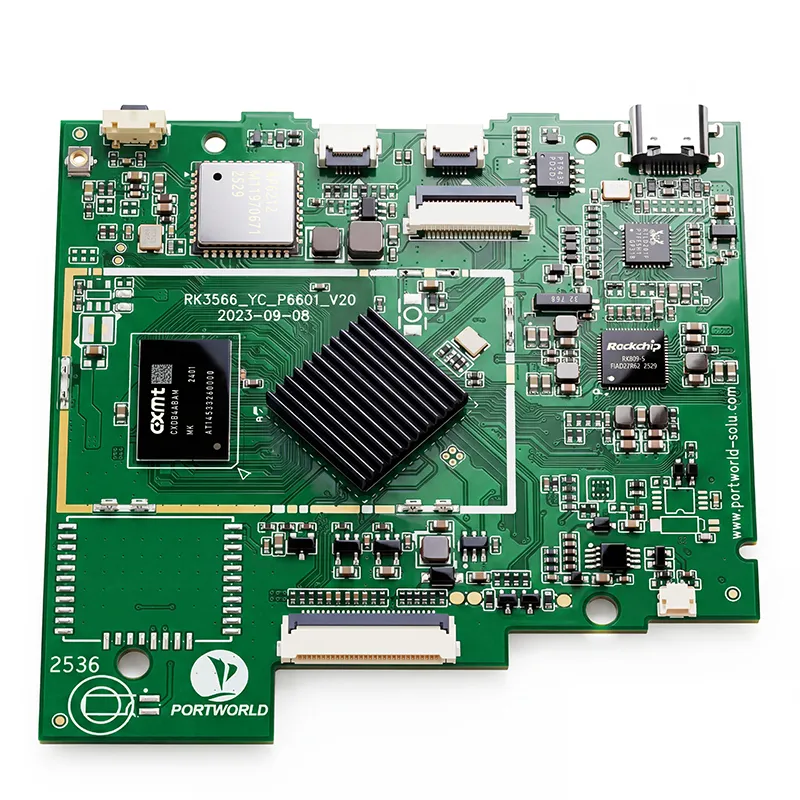
RK3566
RK3568
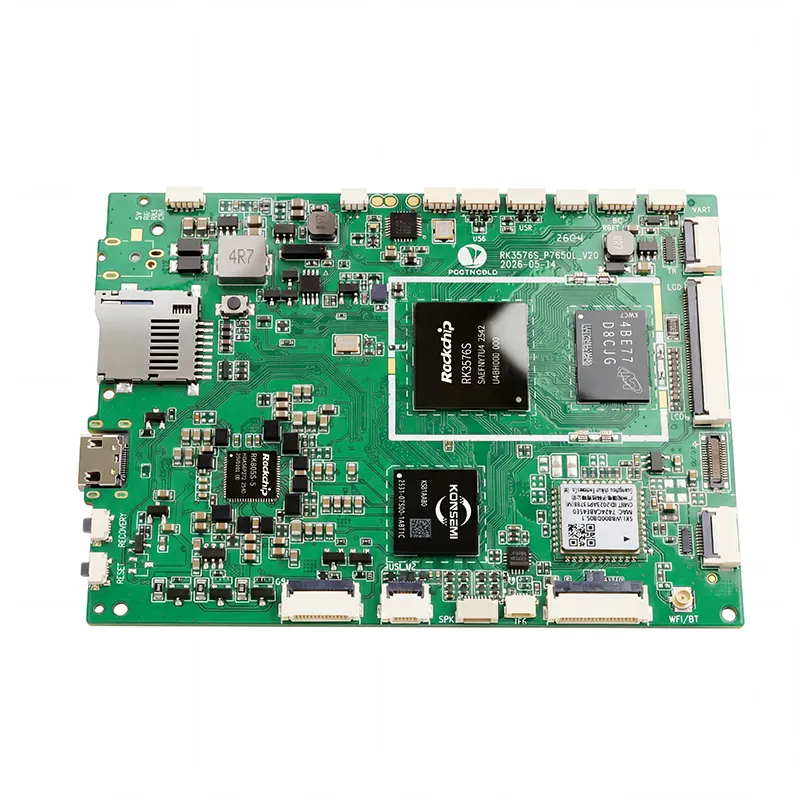
RK3576
RK3588
are capable of supporting sophisticated applications, including:
Interactive touch capabilities
AI-driven services
Multimedia playback
Integration of smart city data
Operating systems like Android, Linux, and Debian can be tailored to meet software specifications.
Portworld Outdoor Smart Kiosk Solutions
Portworld specializes in creating tailored digital signage and embedded display solutions for transportation, smart city initiatives, and commercial uses.
The 4G/5G LTE outdoor bus stop digital signage kiosk can be customized with:
High-brightness LCD screens
Touchscreen capabilities
Wireless communication modules
Integration of cameras and sensors
Connection to CMS platforms
Customization of Android/Linux systems
With OEM/ODM manufacturing capabilities, Portworld assists clients from hardware design and prototype development through to mass production.
Applications Beyond Bus Stops
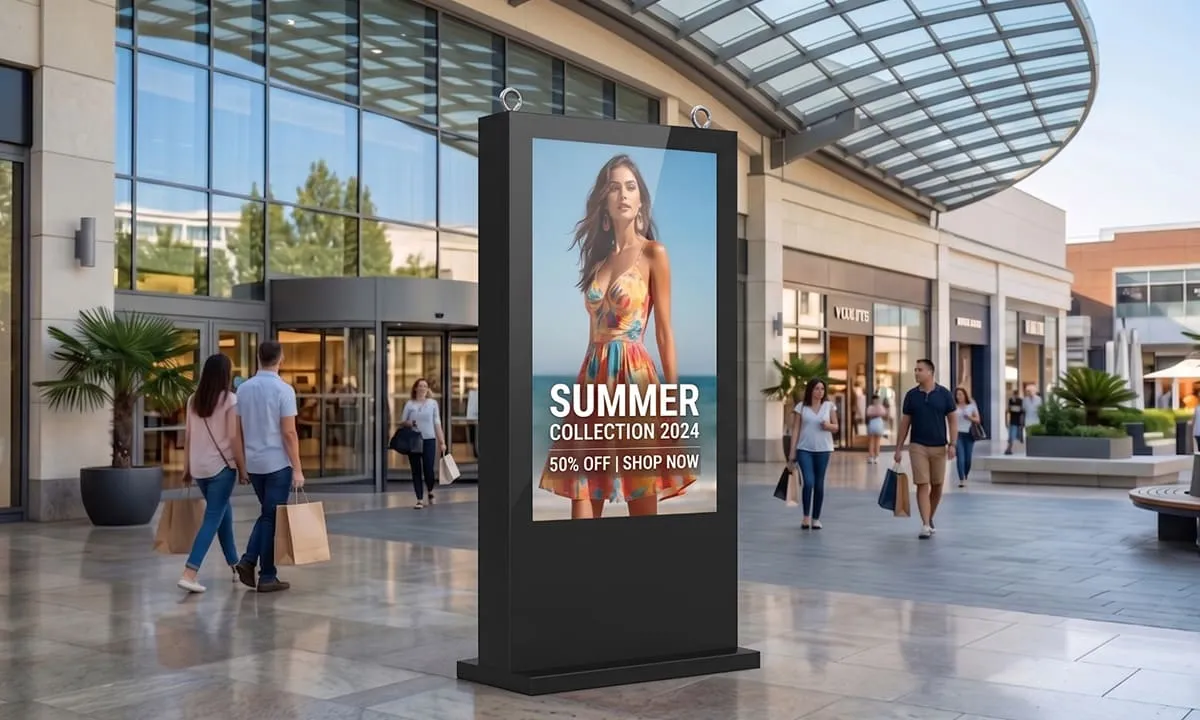
Connected outdoor digital signage kiosks can also be utilized in:
Metro stations
Airports
Tourist attractions
Smart city information centers
Public service areas
Commercial advertising networks
These kiosks offer a versatile platform for both information dissemination and digital interaction.
A 4G 5G LTE integrated outdoor bus stop digital signage display kiosk combines connectivity, durability, and intelligent management to enhance the future of smart transportation.
Equipped with high-brightness displays, robust outdoor protection, wireless networking, and customizable hardware platforms, these kiosks enable cities and businesses to establish more efficient and interconnected public communication systems.