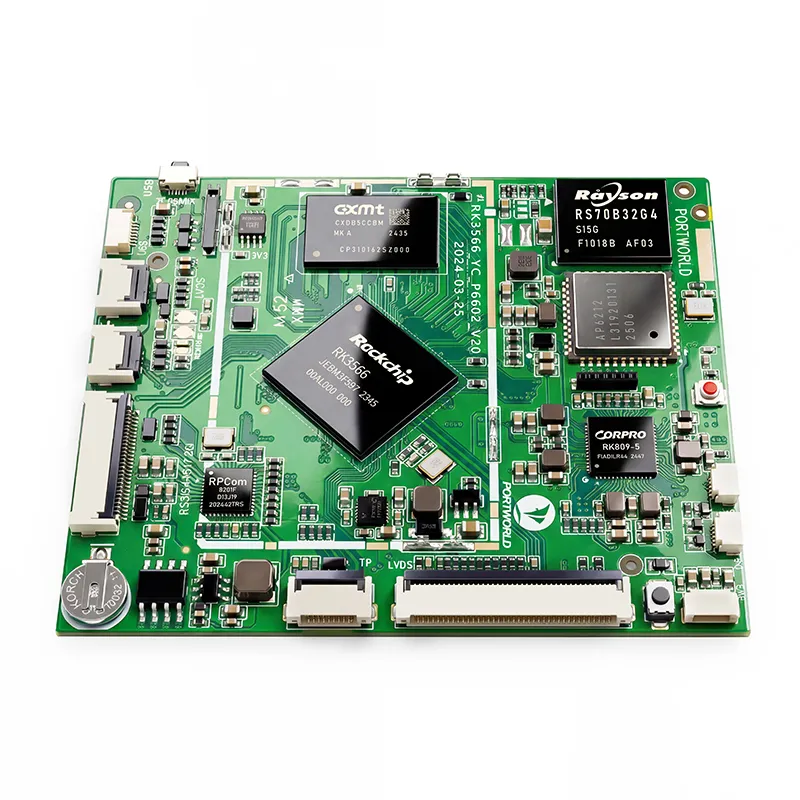
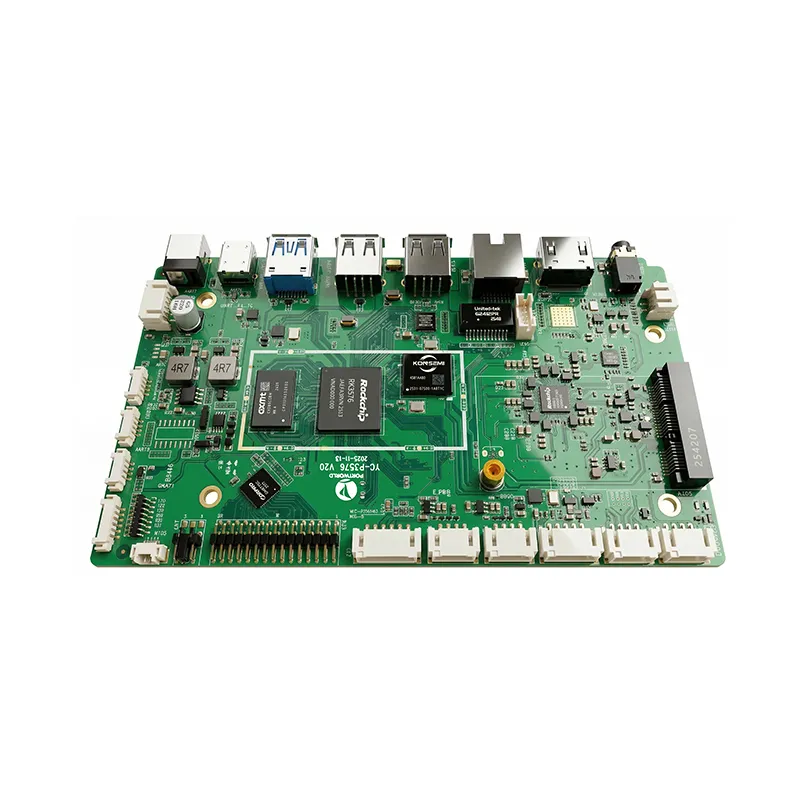
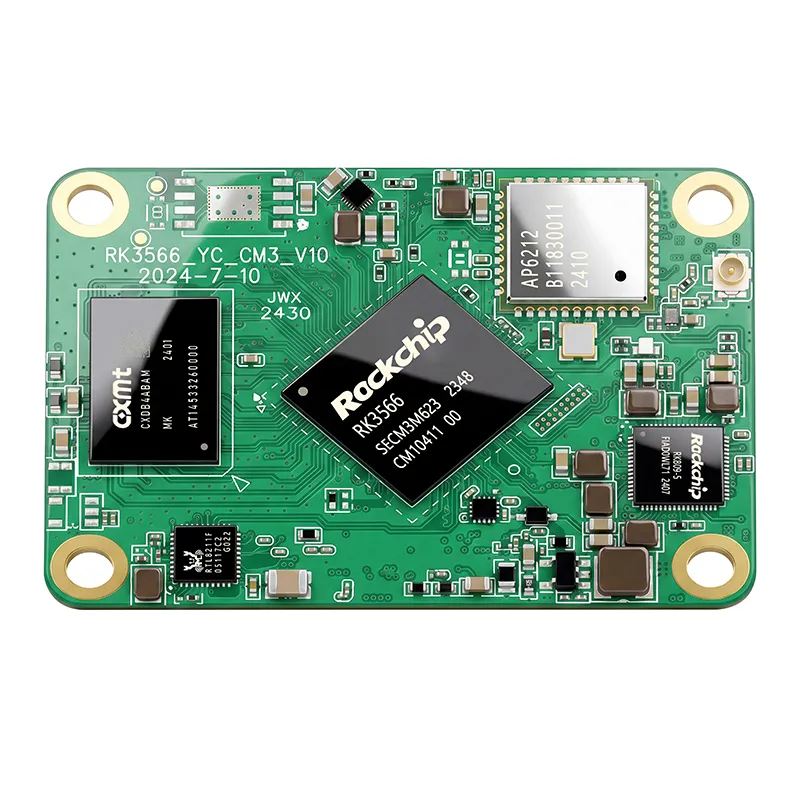
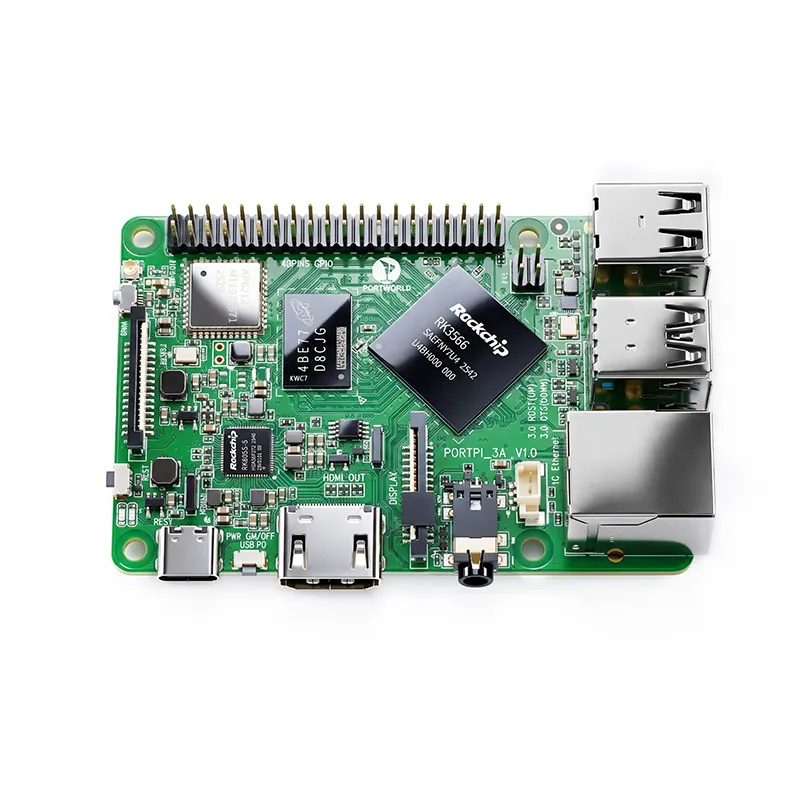
RK3576 Motherboard PCBA Design and Custom OEM/ODM Services
Apr 27,2026
The Next-Gen RK3588 Core board
Powerful, AI-Driven, High-Performance.Shop Now>




KNX is one of the most commonly used wired communication standards in professional building automation. Because it is dependable, has a long service life, and works seamlessly across different vendors, it’s frequently chosen for luxury villas, hotels, offices, and commercial buildings.
In many cases, conventional smart touch panels need an extra KNX gateway to communicate with KNX devices. By contrast, native KNX smart wall switches have the KNX communication hardware built directly into the panel. This means they can connect straight to the KNX bus line, without any extra conversion equipment.
For example, a 4-inch smart wall switch with native KNX support—like the Portworld YC-SM41P-KNX—pairs a modern touchscreen experience with direct KNX bus communication. The result is a simpler and more dependable way to control smart buildings.
Understanding Native KNX Bus Connection
In a typical arrangement, a smart panel may first communicate using Ethernet, WiFi, or another protocol. A gateway then translates those instructions into KNX telegrams, which are sent on to the KNX actuators.
While functional, this setup adds extra hardware and makes the overall system more complicated.
With a native KNX smart panel, the device already includes a built-in KNX communication interface. The panel can communicate directly using KNX telegrams with:
KNX lighting actuators
HVAC controllers
Curtain and blind actuators
Sensors
Energy management devices
Because of this, there is no need for an external protocol-conversion gateway.
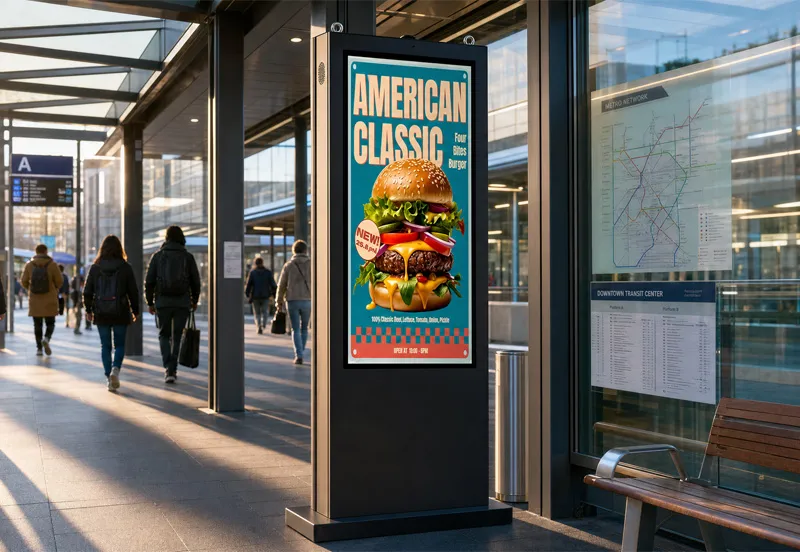
Sunlight Readability: The Main Requirement for Outdoor Bus Displays
One of the biggest challenges with outdoor screens is staying visible in direct sunlight.
A regular display can look too dark or hard to read when exposed to strong sun, which lowers its ability to clearly deliver information to passengers.
For outdoor bus stop digital signage, high-brightness LCD panels are usually used, with brightness options like:
1500 nits
2500 nits
3000 nits or higher
Going with higher brightness helps passengers easily see:
Bus arrival times
Route information
Digital advertisements
Public announcements
For smart transportation projects, automatic brightness control is also crucial. Built-in light sensors can monitor changes in the environment and adjust the screen brightness automatically—enhancing visibility while avoiding wasted power.
Weather Protection for Long-Term Outdoor Operation
Because bus stops are exposed to changing weather all year round, thoughtful protection design is essential.
A dependable outdoor digital signage display typically includes the following features:
IP65 / IP66 Waterproof Protection
The enclosure helps safeguard the internal components from:
Rainwater
Dust
Humidity
Outdoor pollution
As a result, the display can keep running reliably across different climates.
IK10 Anti-Vandal Protection
Since public transportation displays are placed in open areas, they may be subjected to accidental knocks or vandalism.
With IK10 tempered glass, you get:
Strong impact resistance
Screen protection
Better durability for everyday public use
This is particularly important for unmanned bus stations and smart city projects.
Wide Temperature Design
Outdoor displays must perform in both hot summers and cold winters.
Industrial outdoor signage solutions can be customized to support a wide operating temperature range, for example:
-20°C to +70°C
This helps ensure consistent performance in different regions and climates.
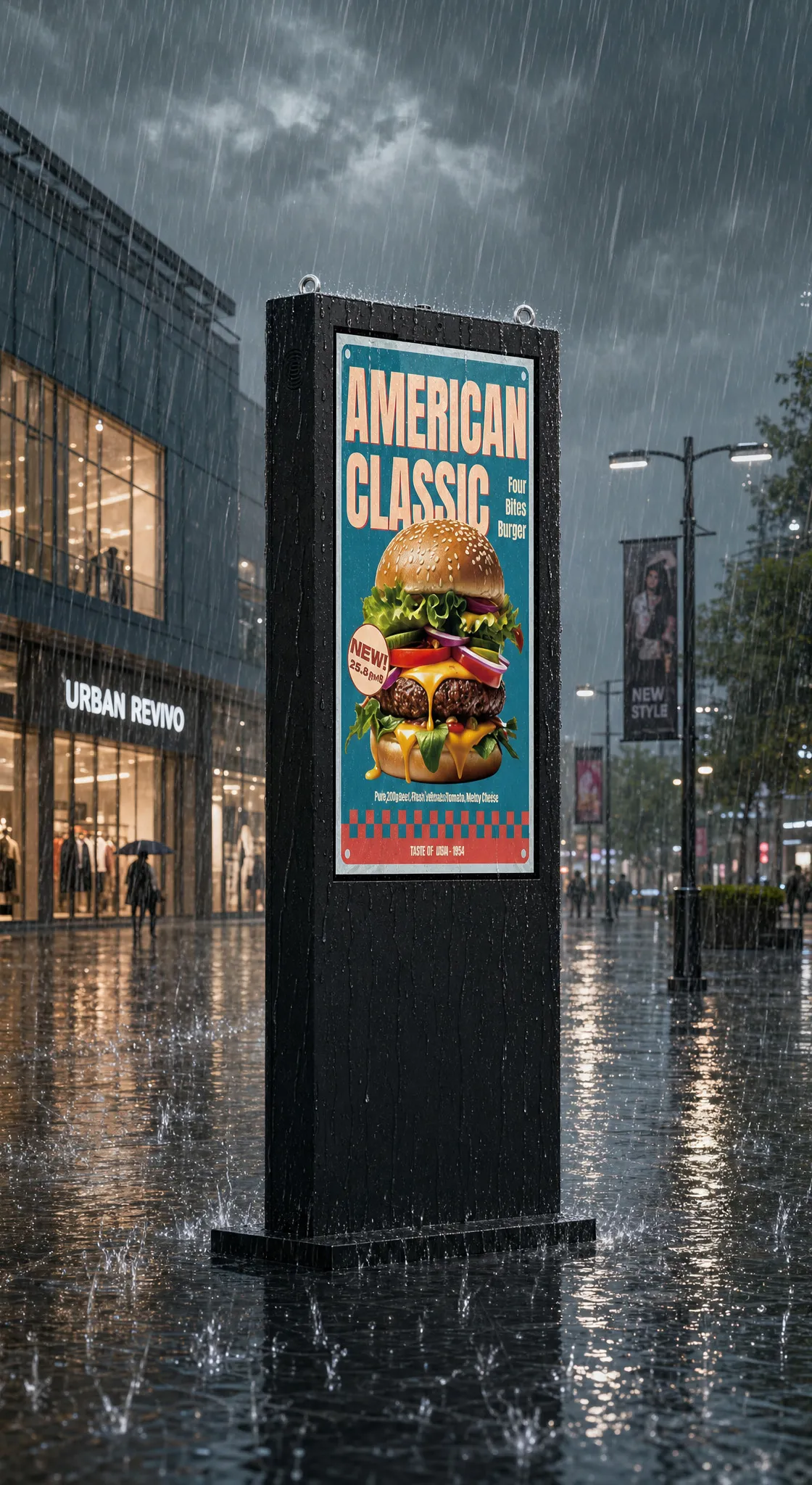
From Information Display to a Smart Transportation Platform
Today, digital bus stop signage is becoming increasingly intelligent.
Rather than just showing fixed timetables, smart transportation displays can link with back-end systems to deliver live, changing information.
Common features include:
Real-time bus arrival updates
Route change notifications
Weather information
Emergency announcements
Public service messages
Advertising content management
With network connectivity, operators can update content remotely across multiple bus stops without having to travel to each site.
Remote CMS Management for Large Transportation Networks
In cities with hundreds or even thousands of bus stops, updating content manually is not efficient.
A cloud-based CMS (Content Management System) enables operators to manage the displays from anywhere.
A professional outdoor digital bus stop signage solution can provide:
Remote content updates
Scheduled advertising playback
Device monitoring
Management across multiple locations
System status checks
As a result, maintenance costs are lowered and day-to-day operations become more efficient.
Hardware Platforms for Smart Bus Stop Displays
Different transportation projects call for different levels of computing power.
A simple information display might only need to support multimedia playback. In contrast, an intelligent transportation kiosk may require capabilities such as:
Interactive touch functions
Camera integration
AI recognition
Sensor connectivity
Embedded platforms like:
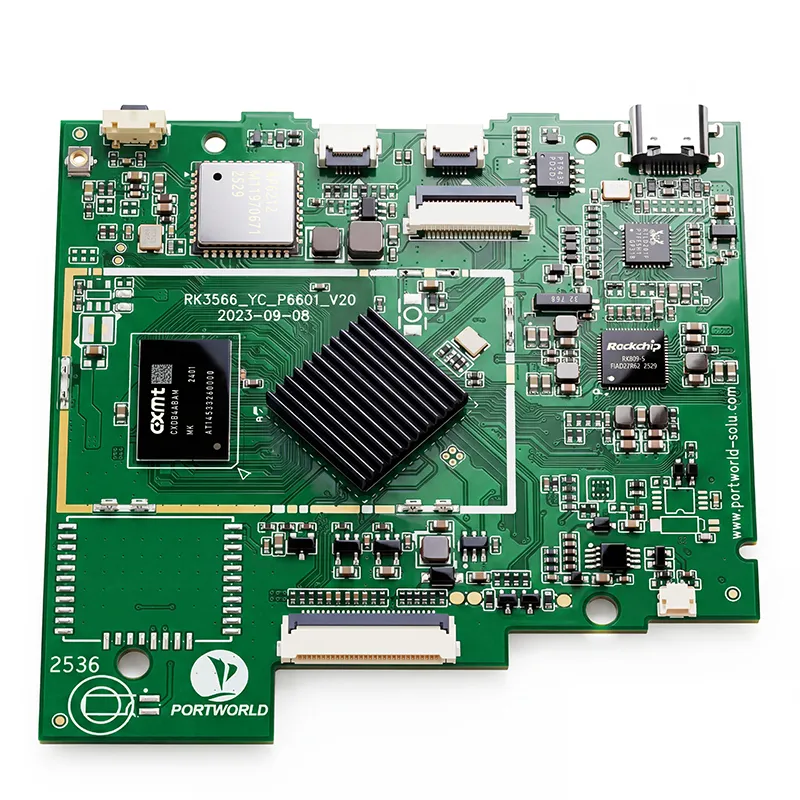
RK3566
RK3568
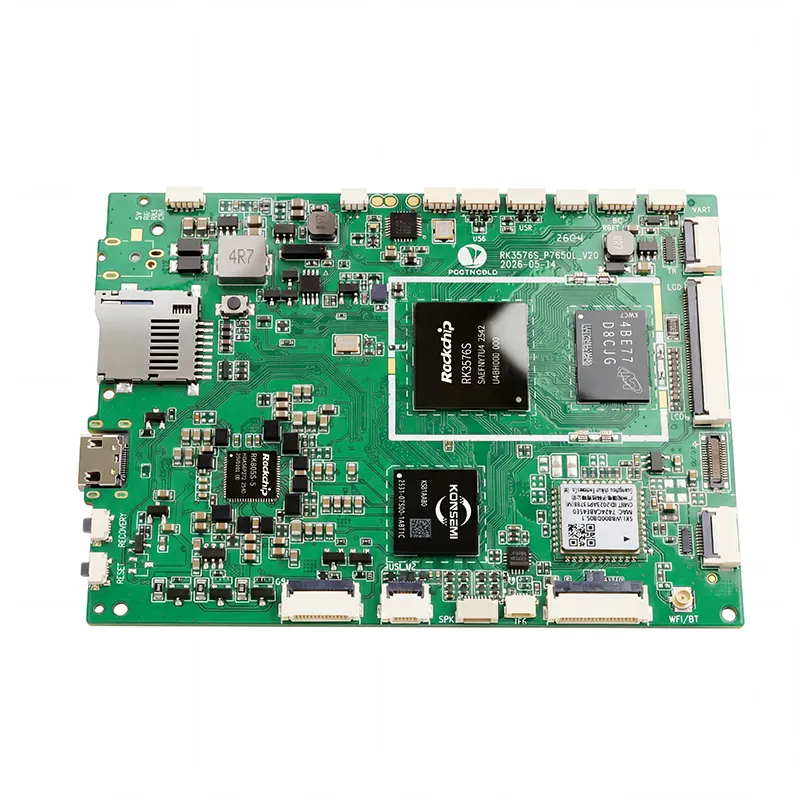
RK3576
RK3588
offer scalable performance to match a wide range of applications.
With high-performance processors, you can also enable more advanced features, including:
4K content playback
Interactive applications
AI-based analysis
Smart city integration
An outdoor digital signage display at a bus stop is quickly becoming a key part of today’s smart transportation systems. By offering high brightness, protection against the weather, remote management, and smart connectivity, these displays enhance how passengers get information while allowing cities to strengthen and streamline their public infrastructure.
For transportation operators and system integrators, the right choice involves more than just a tough screen—it calls for a dependable technology partner who can handle customization, integration, and long-term deployment.
With OEM/ODM capabilities across digital signage, embedded hardware, and touchscreen systems, Portworld helps partners around the world create outdoor display solutions for smart cities, transportation networks, and public information needs.