RK3576 Motherboard PCBA Design and Custom OEM/ODM Services
Apr 27,2026
The Next-Gen RK3588 Core board
Powerful, AI-Driven, High-Performance.Shop Now>


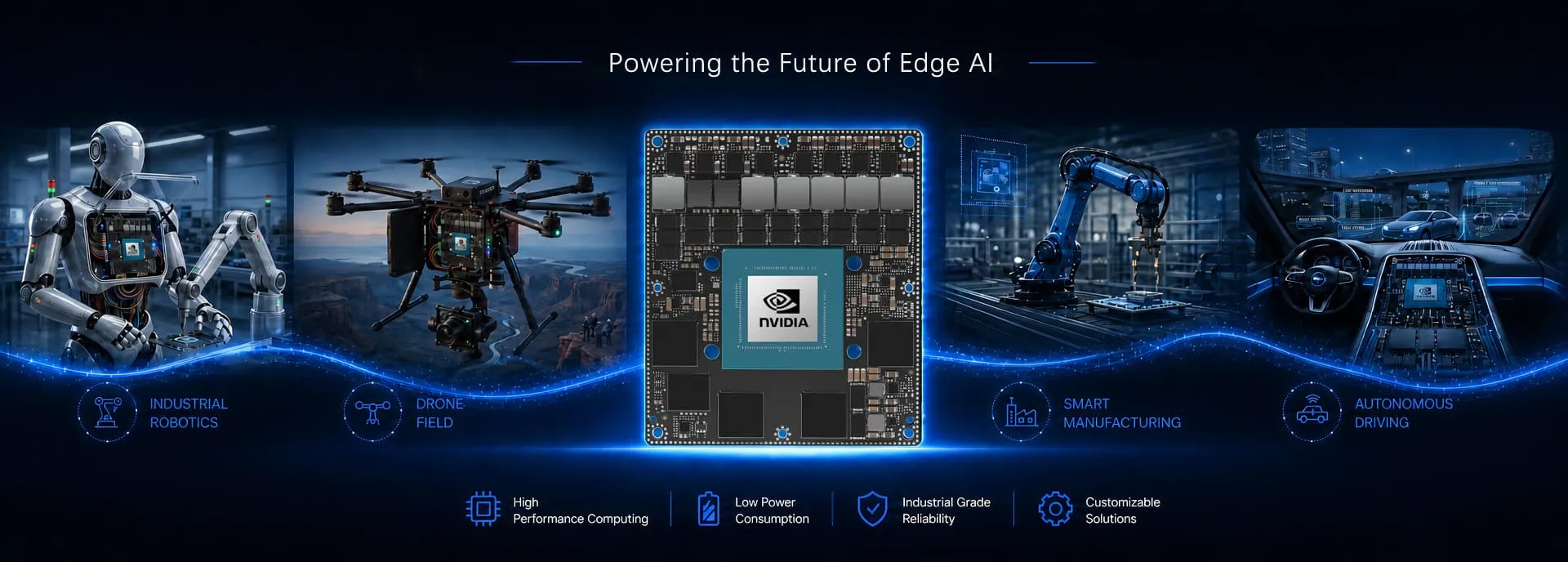


Industrial systems are experiencing a significant transformation as factories, energy facilities, transportation networks, and smart equipment become more interconnected.
Embedded industrial touch screen PCs have evolved from being mere isolated control terminals to integral components of broader ecosystems that include industrial networks, IoT platforms, cloud services, and remote monitoring systems.
While this connectivity offers substantial advantages, it also presents new security challenges.
For manufacturers of industrial equipment and system integrators, safeguarding embedded devices against unauthorized access, malware threats, and system failures has emerged as a critical focus during the product development process.
In contrast to consumer devices that emphasize general usability, industrial touch screen PCs typically demand long-term stability, controlled environments, and tailored security strategies.
This is where the customization of Linux for embedded industrial systems offers considerable benefits.
By specifically adapting the operating system for industrial applications, manufacturers can create touch-based control solutions that are more secure, reliable, and efficient.
The Expanding Influence of Linux in Embedded Industrial Touch Screen PCs
Linux has emerged as one of the most widely utilized operating systems for embedded industrial applications due to its flexibility, stability, and customization options.
In contrast to commercial operating systems that come with fixed configurations, Linux empowers developers to manage nearly every aspect of the system, including:
Kernel configuration
Hardware drivers
Network services
User permissions
System applications
Security policies
This degree of control is particularly advantageous for industrial touch screen PCs employed in:
Factory automation
Industrial HMIs
Smart manufacturing systems
Medical equipment
Energy management systems
Transportation terminals
IoT edge devices
For organizations developing industrial products, the ability to customize Linux enables the creation of a specialized operating environment instead of modifying equipment to fit a general-purpose operating system.
Mitigating Security Risks Through a Tailored Linux Environment
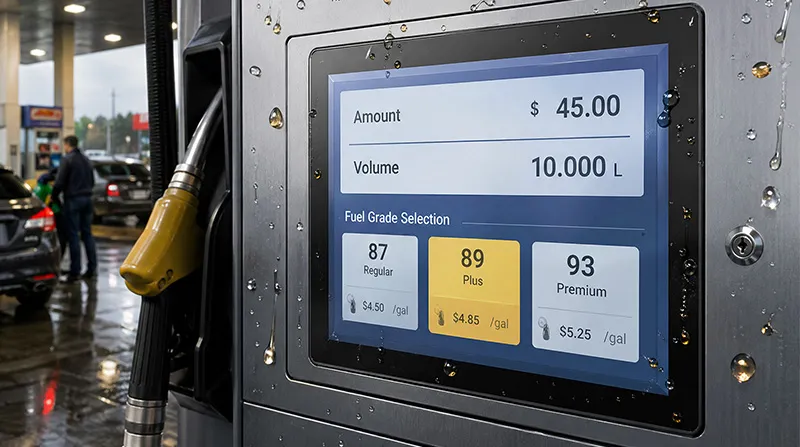
One of the primary security benefits of customizing Linux is the capability to eliminate superfluous system elements.
Standard operating systems frequently encompass:
Unutilized applications
Background services
Extra network functionalities
Default user accounts
Each extraneous component poses a potential security threat.
By utilizing a customized Linux system, developers can establish a streamlined industrial operating system that includes solely the essential functions.
This strategy aids in:
Diminishing attack surfaces
Enhancing system performance
Reducing vulnerabilities
Facilitating maintenance
For instance, an industrial touch panel designated solely for machine control may not require web browsers, media services, or redundant network protocols. The removal of these elements fosters a more secure and stable environment.
Improved Access Control for Industrial Applications
Industrial machinery frequently necessitates stringent regulation regarding who is permitted to access particular functionalities.
Customization of Linux enables manufacturers to establish sophisticated permission management, which includes:
User account oversight
Role-based access rights
Limited system entry
Secure authentication methods
For instance:
An equipment operator might be restricted to accessing only the machine control functionalities.
A maintenance engineer could be granted access to diagnostic instruments.
A system administrator may oversee software updates and system configurations.
This approach mitigates unauthorized alterations and diminishes operational hazards.
Secure Communication for Connected Industrial Devices
Contemporary industrial touch screen PCs commonly interact with various systems via:
Ethernet
WiFi
Industrial networks
Cloud platforms
Remote management systems
Ensuring security during data transmission is crucial.
Linux customization enables developers to incorporate security features such as:
Encrypted communication protocols
Firewall configuration
Secure remote access
Network monitoring tools
In the context of industrial IoT applications, these functionalities are vital for safeguarding sensitive production data and thwarting unauthorized access.
Long-Term Stability Through Kernel and Driver Optimization
Industrial machinery typically possesses a significantly longer lifespan compared to consumer electronics.
A factory machine, automation system, or industrial terminal may be required to function for many years without frequent hardware modifications.
Linux customization permits manufacturers to enhance:
Kernel versions
Hardware drivers
System startup processes
Resource management
This leads to improvements in:
Boot reliability
Hardware compatibility
System stability
Long-term product support
For embedded industrial touch screen PCs, a tailored Linux environment guarantees that the software platform aligns with the hardware design rather than depending on generic drivers.
Enhancing Reliability with a Dedicated Embedded Linux System
Industrial settings necessitate systems capable of continuous operation.
Customization of Linux contributes to improved reliability through features such as:
Watchdog monitoring
Automatic recovery functions
Read-only system partitions
Optimized startup processes
Remote update mechanisms
These features hold particular significance for unattended equipment deployed in:
Remote industrial locations
Smart factories
Energy facilities
Transportation systems
In the event of unforeseen issues, the system can autonomously recover, thereby minimizing downtime.
Linux Customization Facilitates Integration of Industrial Touchscreen Hardware
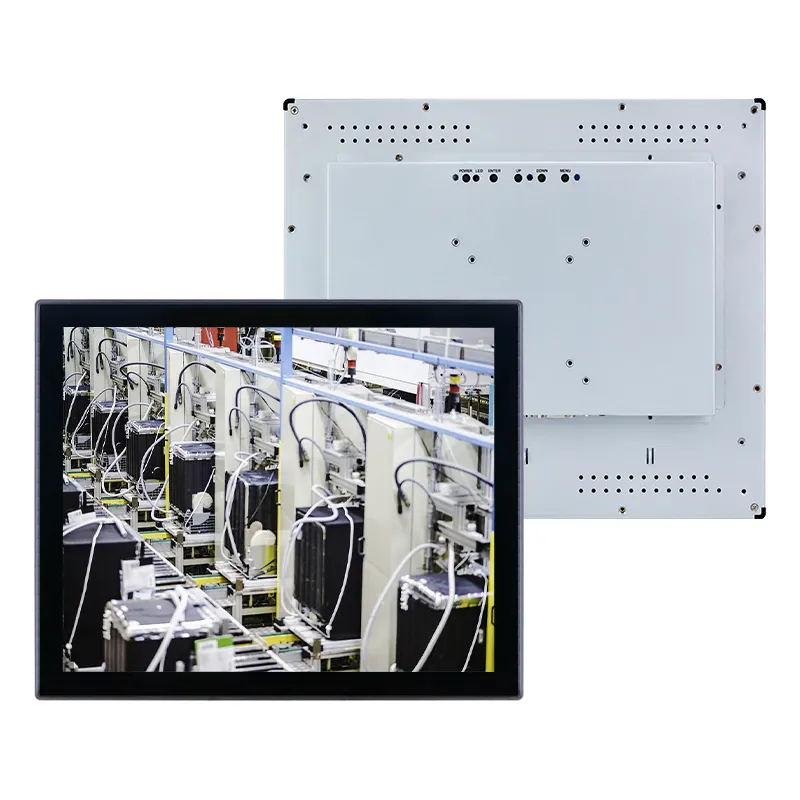
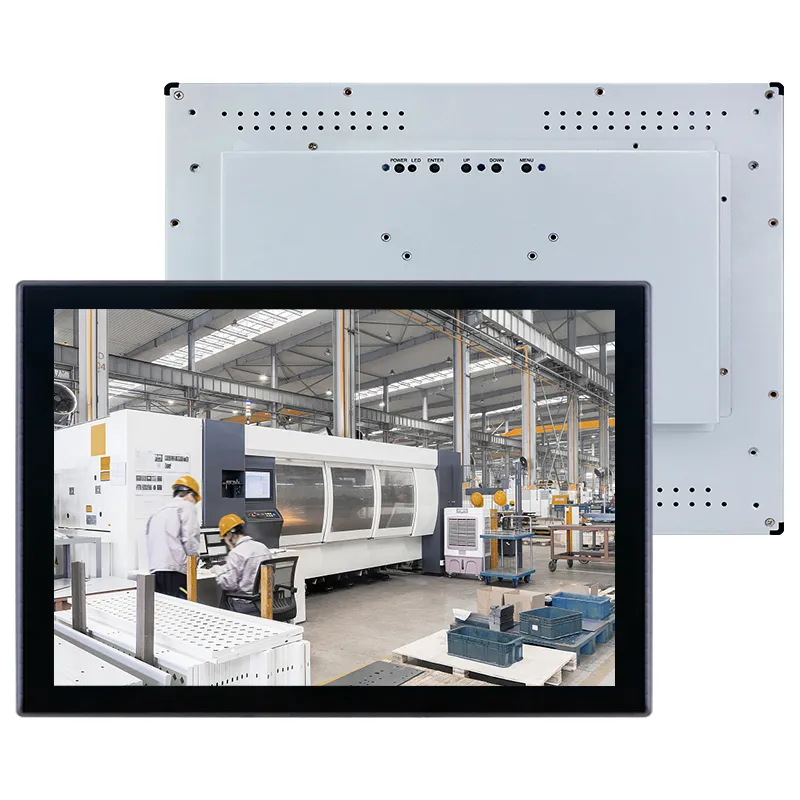
An embedded industrial touchscreen PC represents a fusion of hardware and software.
The operating system must function harmoniously with:
Touch controllers
Display modules
Industrial interfaces
Communication modules
Sensors and peripherals
Linux customization empowers developers to enhance:
Touchscreen drivers
Display performance
GPIO control
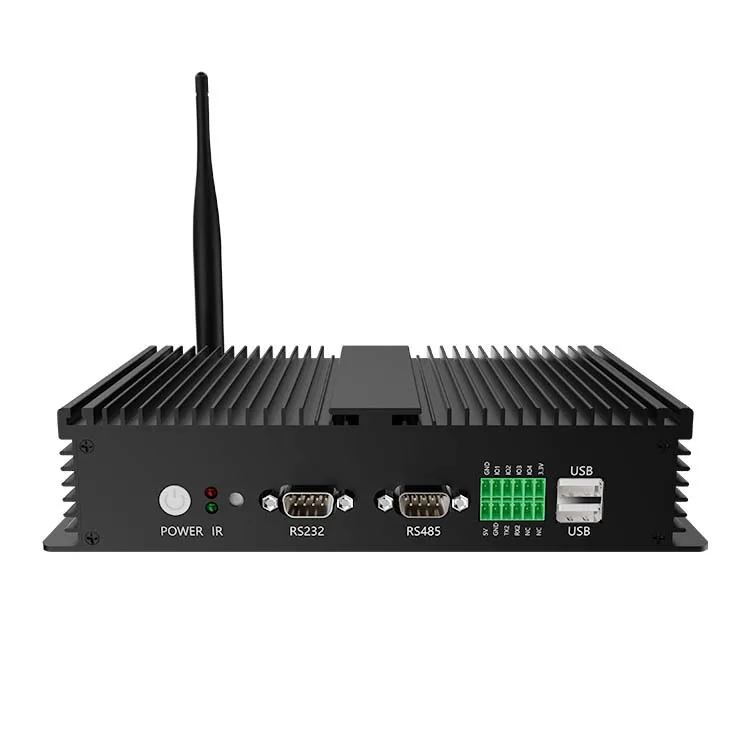
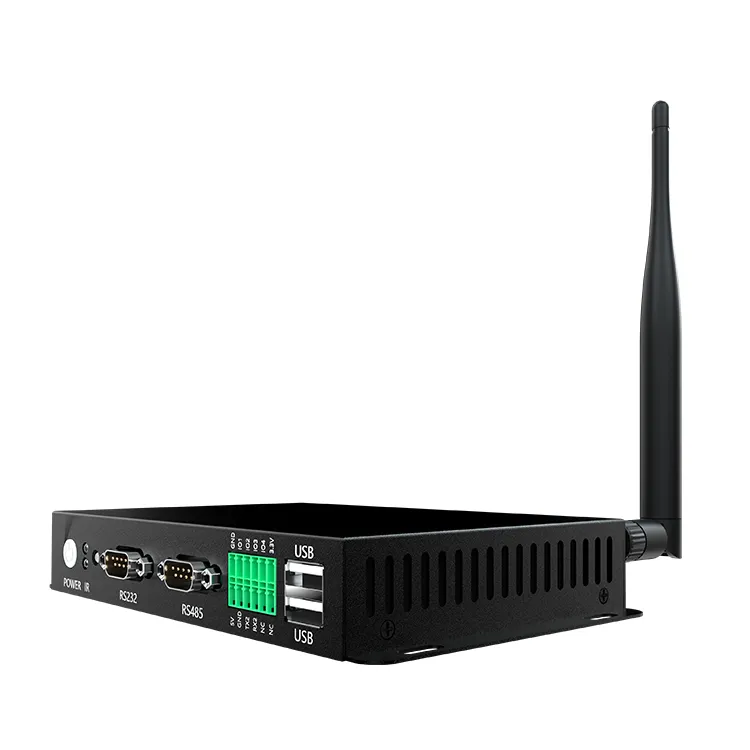
RS232/RS485 communication
USB expansion
Network functionalities
This results in a more cohesive and dependable industrial solution.
Edge Computing and Linux-Based Industrial Touch Solutions
As industrial systems progress towards intelligent automation, an increasing amount of data processing is transitioning from cloud platforms to edge devices.
Embedded industrial touch PCs utilizing Linux are capable of:
Real-time data analysis
Equipment monitoring
AI inference
Local decision-making
This shift diminishes reliance on networks and enhances response times.
For instance, a smart factory terminal can gather machine data, assess operating conditions, and present results directly via an industrial touchscreen interface.
Linux offers the necessary flexibility for these sophisticated edge computing applications.
Portworld Linux Customization for Embedded Industrial Touch Screen Solutions
As a manufacturer of embedded hardware, Portworld delivers tailored industrial computing solutions for OEM and ODM clients worldwide.
Portworld’s embedded platforms are compatible with various operating systems, including Linux customization for uses such as:
Industrial HMIs
Smart factory terminals
IoT gateways
Automation equipment
Edge computing devices
Portworld’s industrial touch solutions encompass:
Industrial panel PCs
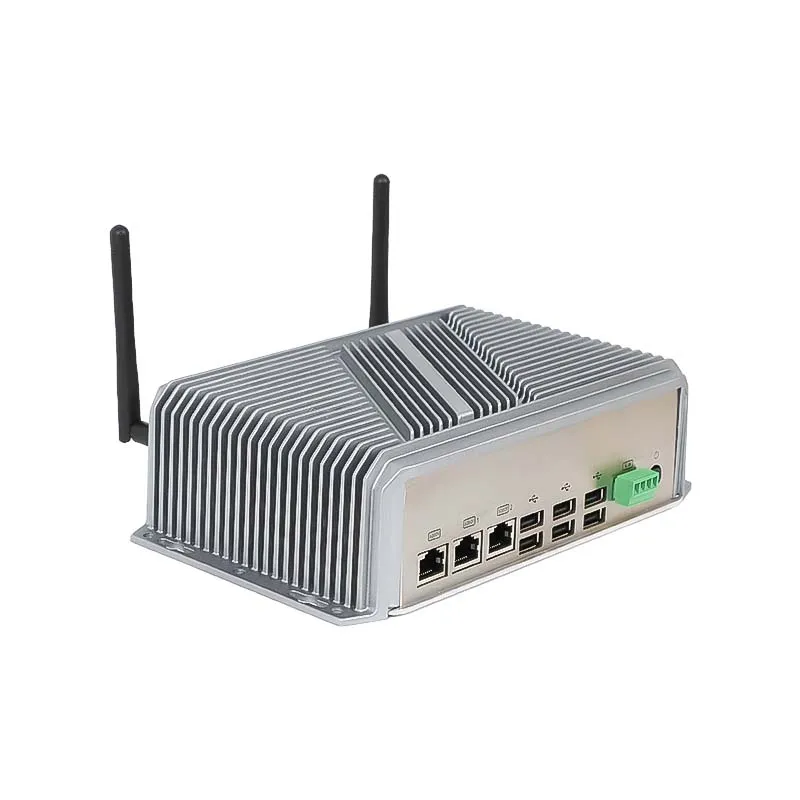
Embedded computers
Industrial tablets
Customization services provided include:
Linux OS adaptation
Driver optimization
Hardware integration
Interface customization
Boot configuration
Software deployment support
By merging industrial hardware design with Linux customization expertise, Portworld assists clients in creating secure, dependable, and scalable embedded touchscreen solutions.