RK3576 Motherboard PCBA Design and Custom OEM/ODM Services
Apr 27,2026
The Next-Gen RK3588 Core board
Powerful, AI-Driven, High-Performance.Shop Now>


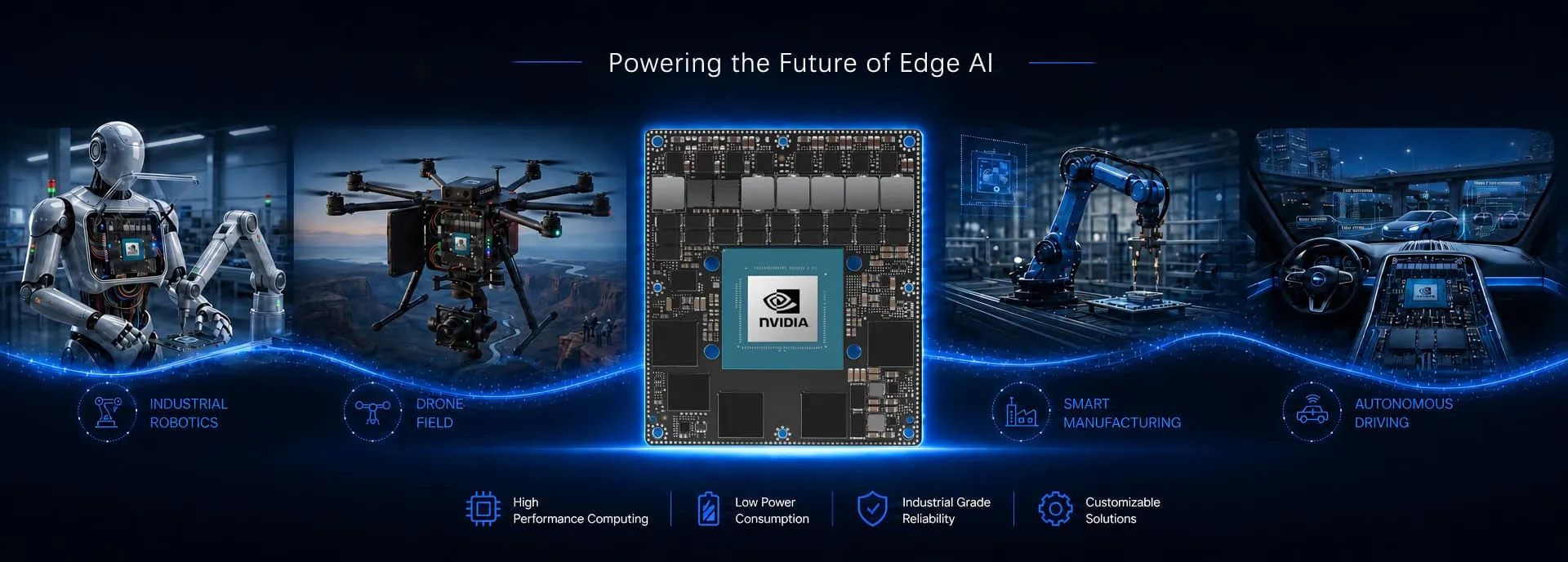


The swift advancement of smart factories is transforming the landscape of contemporary manufacturing. Conventional production lines, which relied on manual control panels and standalone machines, are progressively transitioning into interconnected, data-centric, and highly automated systems.
In this evolution, the relationship between humans and machines has gained paramount significance.
Operators are no longer limited to merely starting or stopping machinery. They are now required to oversee production data, modify machine settings, analyze real-time data, and manage intricate automation systems via user-friendly interfaces.
This necessity has led to the emergence of industrial touch screensas essential elements in smart factory settings.
A well-crafted industrial touch screen serves a purpose beyond merely presenting information. It functions as a communication conduit among operators, machines, and industrial systems, enhancing efficiency while minimizing operational complexity.
Nevertheless, selecting the appropriate industrial touch screenfor a smart factory is not merely a matter of opting for a standard commercial display. Manufacturing settings demand greater reliability, enhanced protection, and superior integration capabilities.
Smart Factories Demand More Than Just a Touchscreen
As factories evolve into smarter environments, equipment manufacturers encounter new challenges.
Contemporary industrial systems require interfaces that can facilitate:
Real-time production monitoring
Machine control and adjustments
Visualization of industrial data
Networking of equipment
Continuous operation over extended periods
A consumer-grade touchscreen, designed for office or personal use, is inadequate for these needs.
Factory settings are frequently subjected to:
Dust and oil exposure
Mechanical vibrations
Variations in temperature
Demands for continuous operation
Regular human interaction
Consequently, industrial touch screens must be engineered with robust components and structures to guarantee reliable performance throughout their operational lifespan.
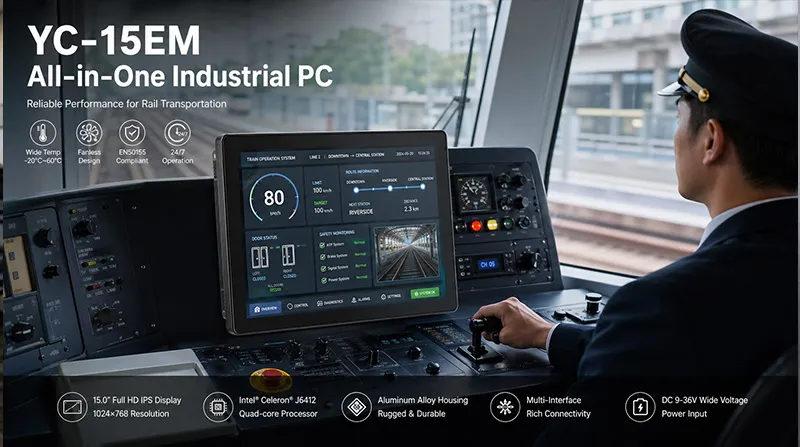
The Importance of Industrial Touch Screens in Factory Automation
In conventional manufacturing, operators typically engage with machines via physical buttons and basic control panels.
Nevertheless, smart manufacturing necessitates more sophisticated interaction techniques.
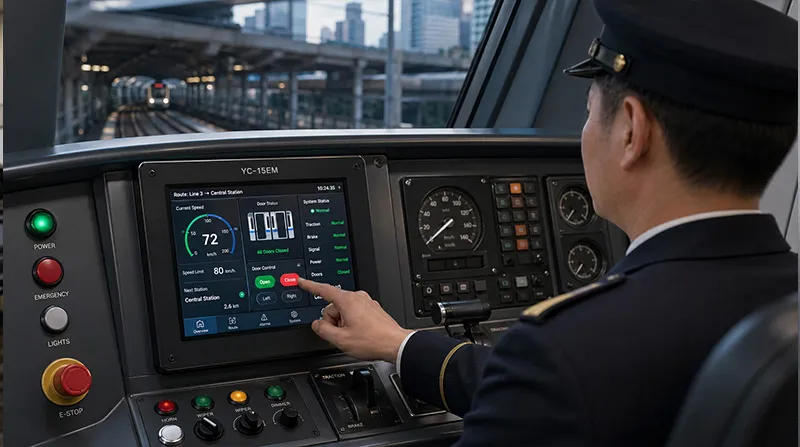
Industrial touch screens empower equipment manufacturers to develop modern Human-Machine Interfaces (HMIs) that enable operators to:
Visually monitor machine status
Manage production processes
Retrieve system information
Adjust equipment settings
Connect with industrial networks
From CNC machines and robotic systems to automated assembly lines and logistics equipment, touch-based interfaces are becoming a vital component of intelligent manufacturing.
Choosing the Appropriate Industrial Touch Screen Begins with Understanding Application Needs
Each smart factory initiative has unique specifications.
A compact automation device might necessitate a small embedded touch display that can fit into restricted installation areas.
Conversely, a large production monitoring system may demand a larger screen with enhanced visibility and robust computing capabilities.
For instance:
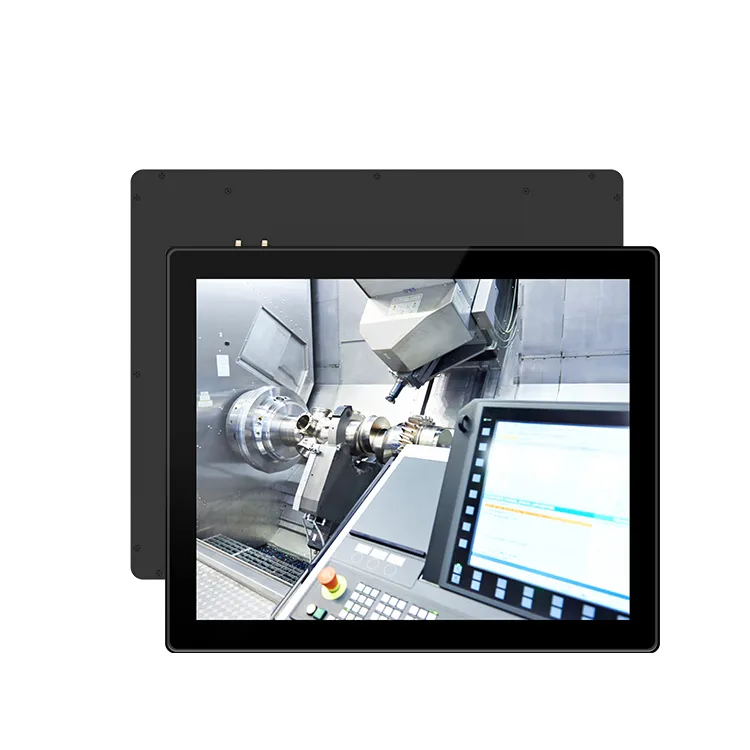
A CNC machine manufacturer might emphasize the importance of accurate touch response and industrial communication interfaces.
A factory automation integrator could require an embedded panel PC that merges computing power with touchscreen functionality.
An industrial equipment supplier may seek customized dimensions, mounting options, or operating systems.
The ideal industrial touch screen should not only fulfill the display criteria but also seamlessly integrate into the overall equipment system.
Durability and Reliability Are Essential Considerations in Industrial Settings
In contrast to commercial displays, industrial touch screens are anticipated to function reliably over extended periods.
This expectation goes beyond merely having a high-quality LCD panel.
Industrial solutions typically emphasize:
Industrial Protection Design
Features like IP65-rated front panels are crucial for safeguarding against dust and water exposure, rendering displays suitable for factory environments and challenging conditions.
Fanless Thermal Management
Fanless configurations minimize moving components and enhance system reliability by reducing dust buildup and mechanical failures.
Rugged Mechanical Structure
Aluminum alloy casings and reinforced designs enhance durability while facilitating effective heat dissipation.
These attributes enable industrial touch screens to sustain stable performance even during continuous operation.
The capability for integration is a key factor in determining the long-term success of a project.
A smart factory should not be viewed as a standalone device; rather, it represents a comprehensive ecosystem that encompasses:
PLC controllers
Sensors
Industrial computers
Communication networks
Cloud platforms
Automation software
Consequently, industrial touch screens must facilitate flexible integration.
Depending on specific applications, manufacturers may necessitate:
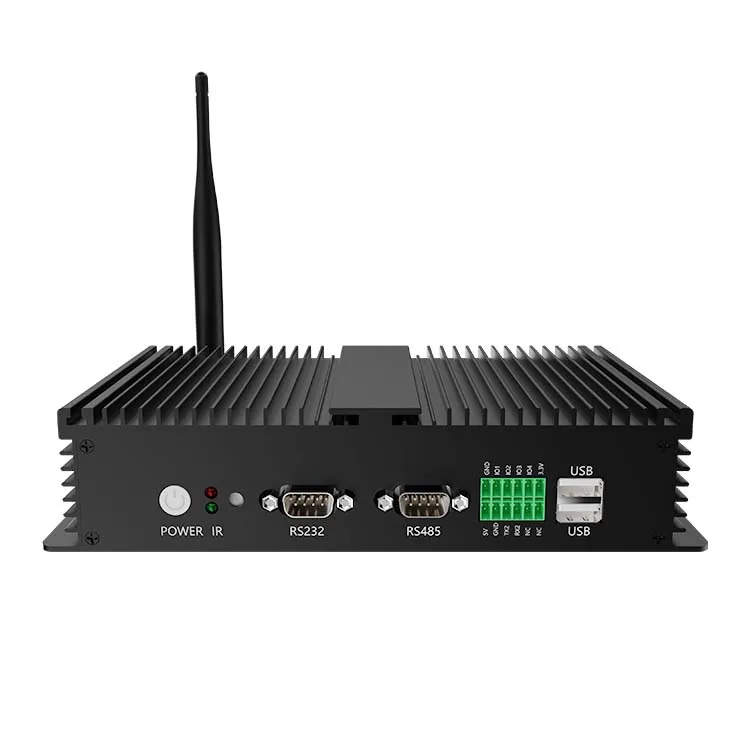
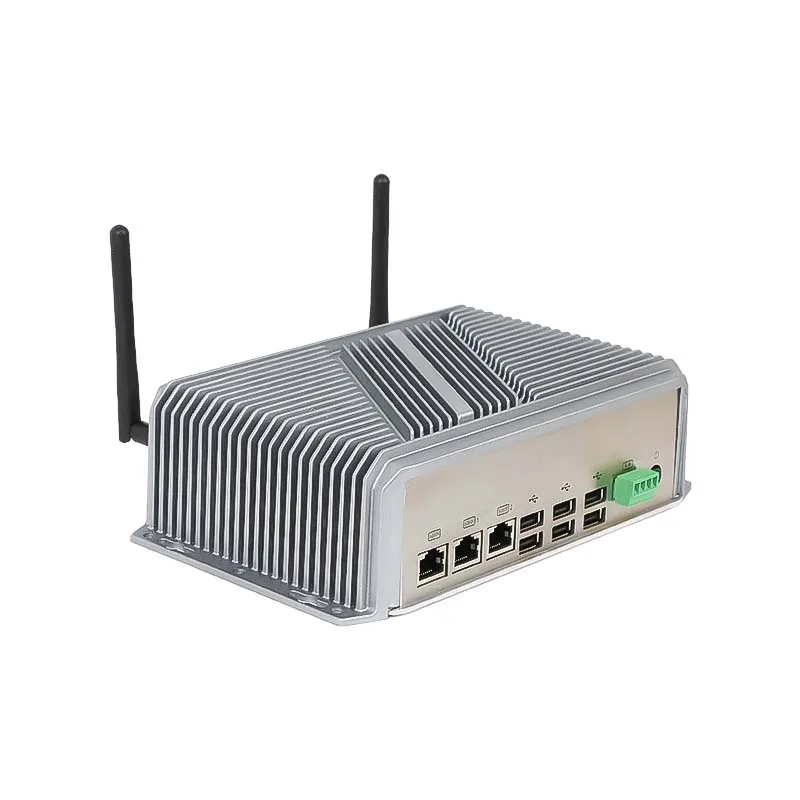
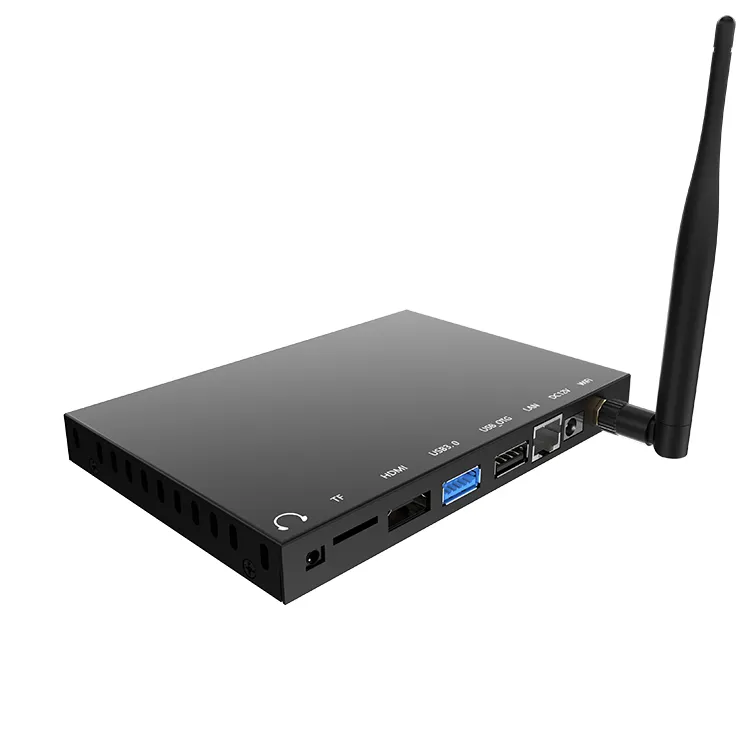
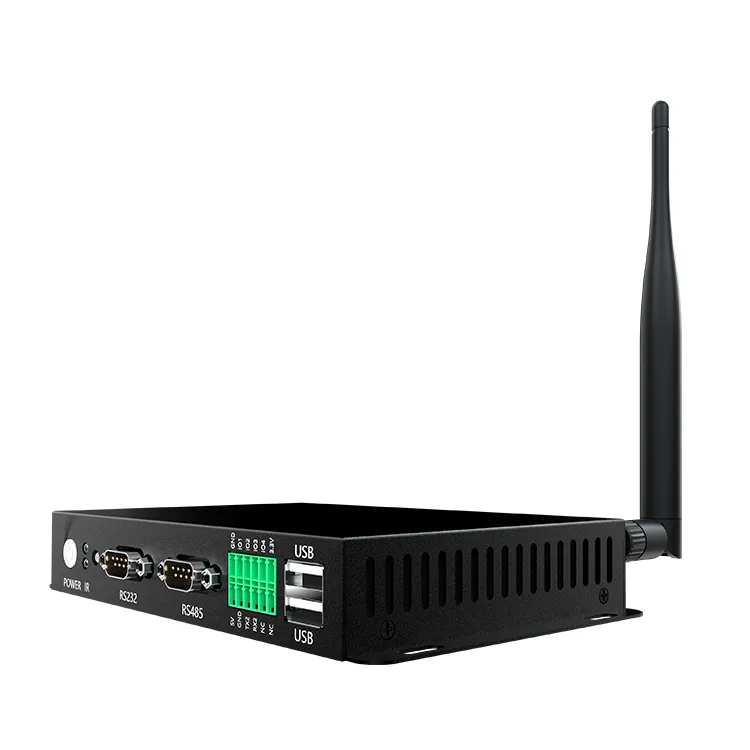
RS232/RS485 communication
Ethernet connectivity
USB expansion
GPIO control
HDMI output
Wireless connectivity
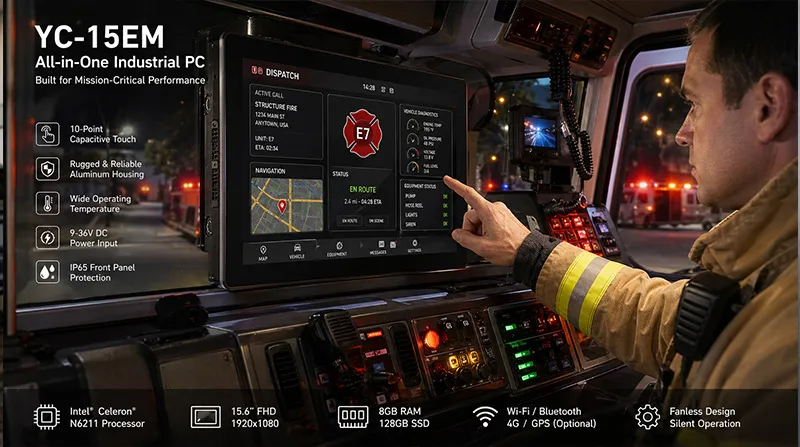
A dependable supplier of industrial touch screens ought to offer adaptable hardware configurations rather than merely providing fixed products.
Reasons for the Increasing Preference for Customized Industrial Touch Screen Solutions
As industrial applications grow more specialized, standard products often fall short of fulfilling all requirements.
Equipment manufacturers are increasingly leaning towards OEM/ODM partnerships, as this enables them to tailor:
Screen size
Touch technology
Housing structure
Interface configuration
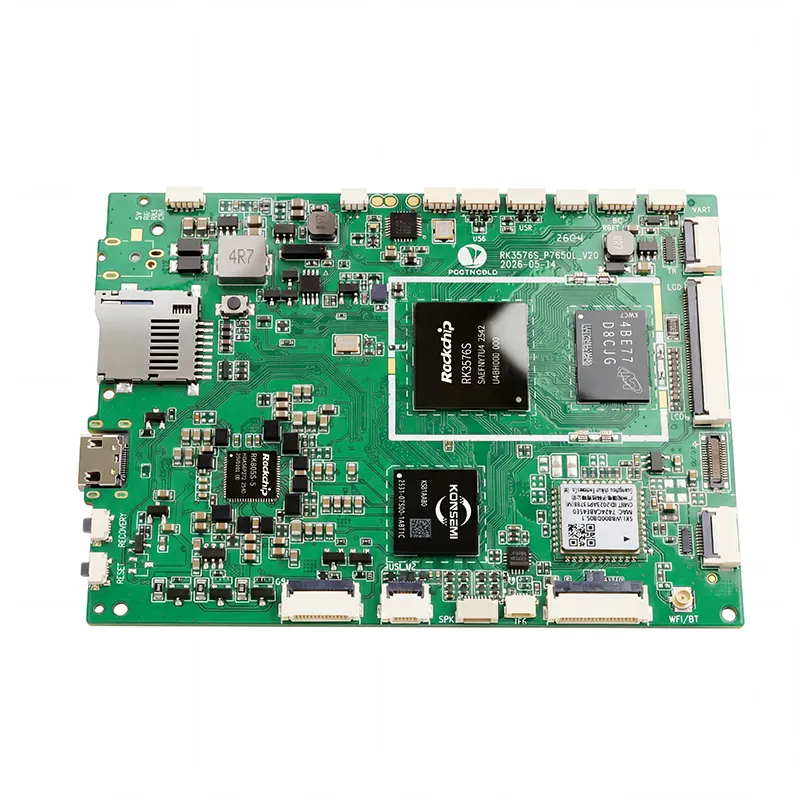
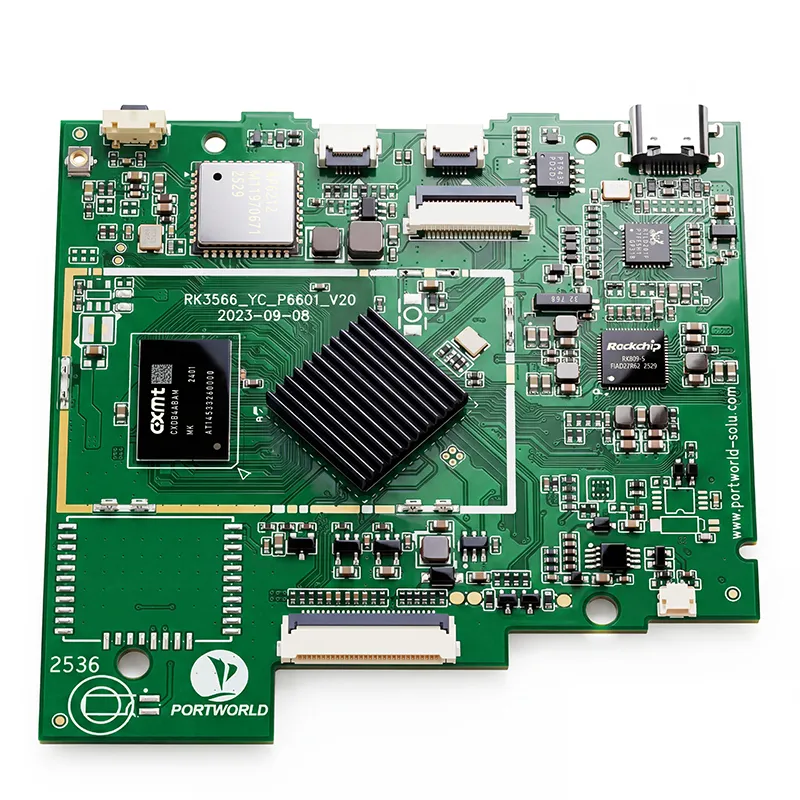
Motherboard selection
Operating system
Branding design
This strategy assists companies in creating products that align more closely with their customers' needs while simultaneously shortening development timelines.
Portworld Industrial Touch Screen Solutions for Smart Factory Applications
With extensive experience in embedded hardware development, Portworld offers industrial touch screen and panel PC solutions tailored for global automation and intelligent equipment manufacturers.
The industrial display solutions provided by Portworld encompass:
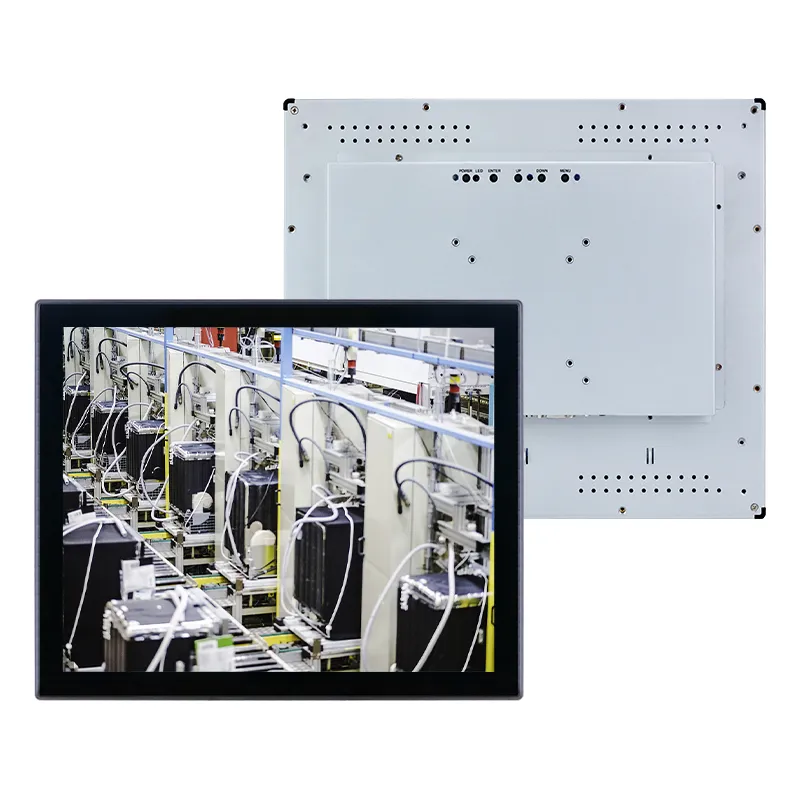
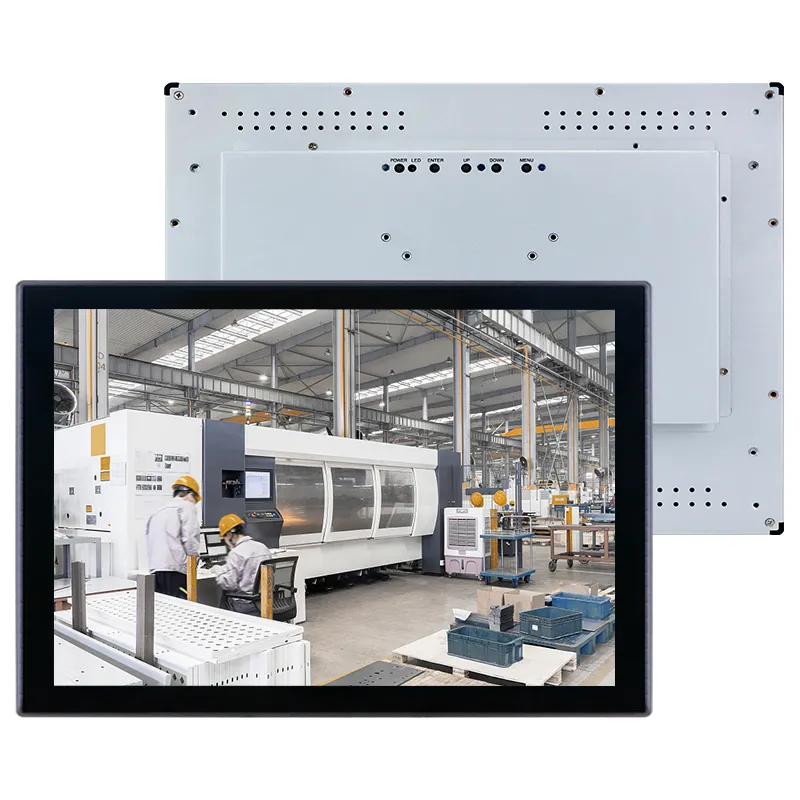
Embedded touch screen monitors
Industrial panel PCs
Android industrial tablets
Embedded computing platforms
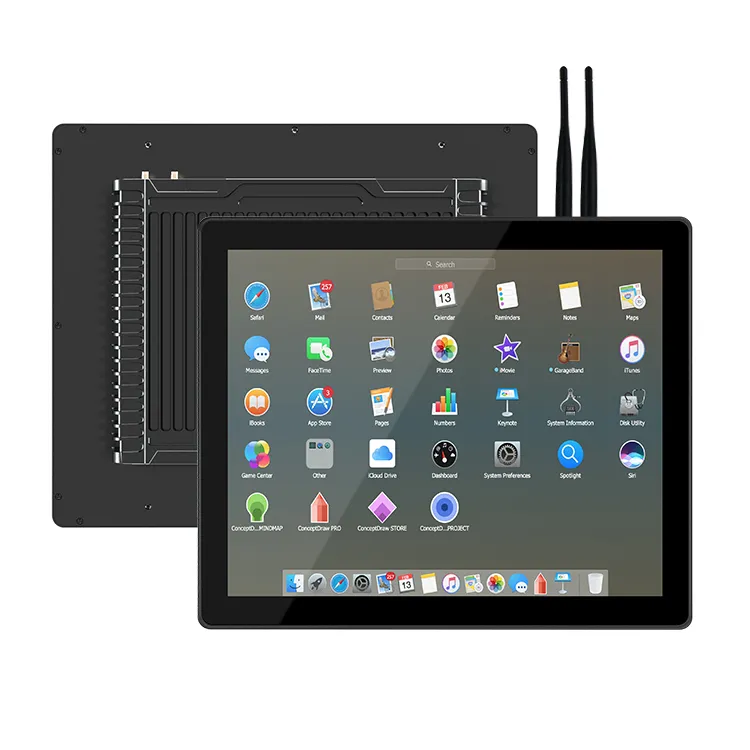
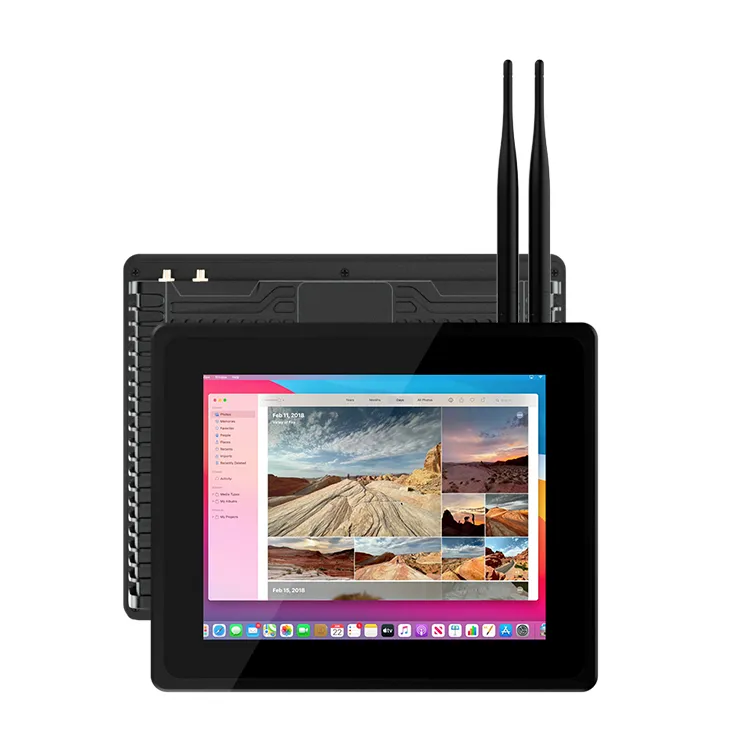
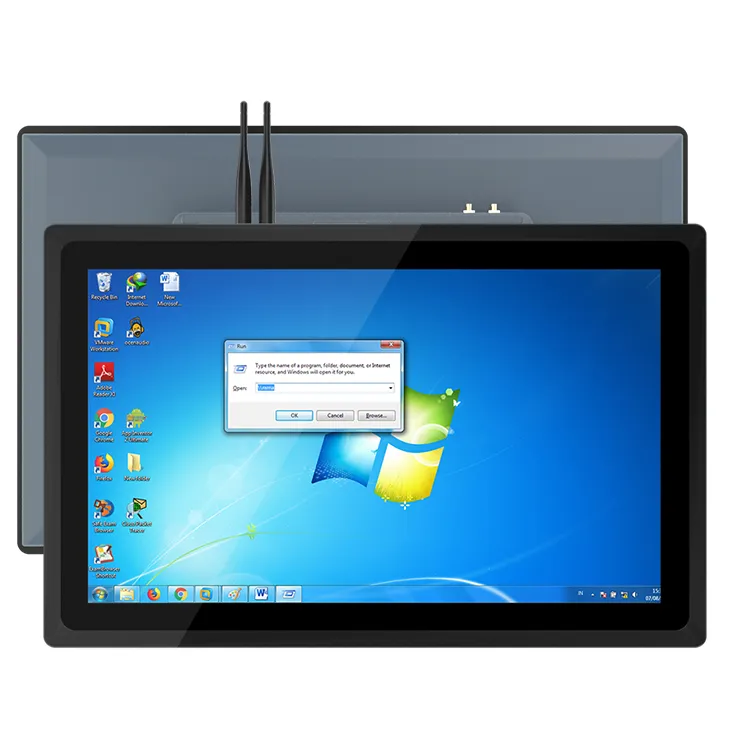
Products such as the YC-104EM 10.4-inch Industrial Panel PC, YC-15EBT Embedded Touch Screen Monitor, and YC-215EM All-in-One Industrial PC are specifically designed for applications that include:
Factory automation
Machine control
Production monitoring
Smart logistics
Industrial IoT systems
In addition to standard offerings, Portworld facilitates OEM/ODM customization, which includes hardware configuration, interface expansion, operating system adaptation, and mechanical design.
This capability enables system integrators and equipment manufacturers to develop dependable touchscreen solutions that meet their unique smart factory needs.
The Future of Industrial Touch Screens in Smart Manufacturing
Smart factories are advancing towards enhanced automation, connectivity, and intelligence. As this evolution progresses, industrial touch screens will assume a more significant role as the interface between humans and machines.
An appropriate industrial touch screen is not merely a display element; it represents a long-term investment in equipment reliability, operational efficiency, and future scalability.