Q1: What are the distinct architectural and aesthetic advantages of the YC-N156 "Narrow Edge" design?
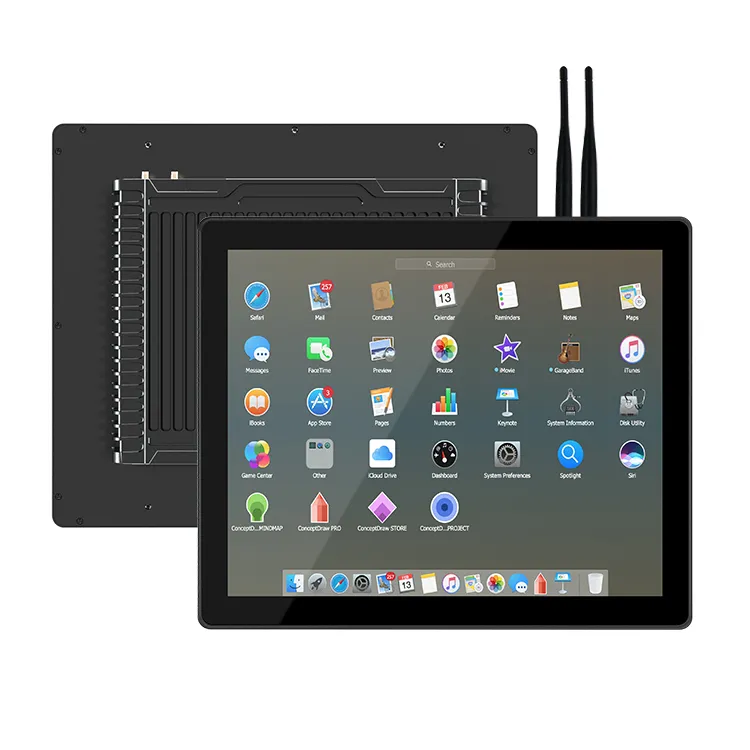
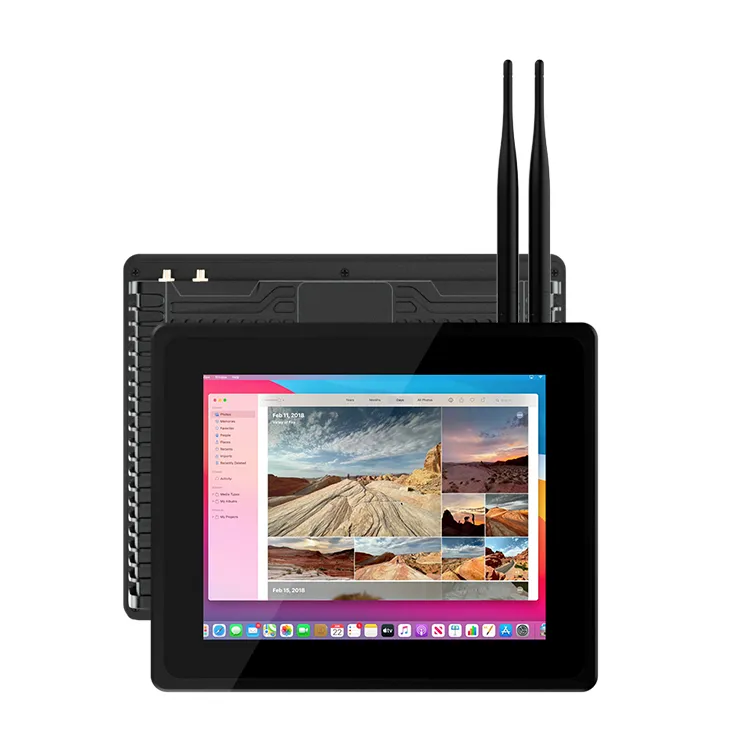
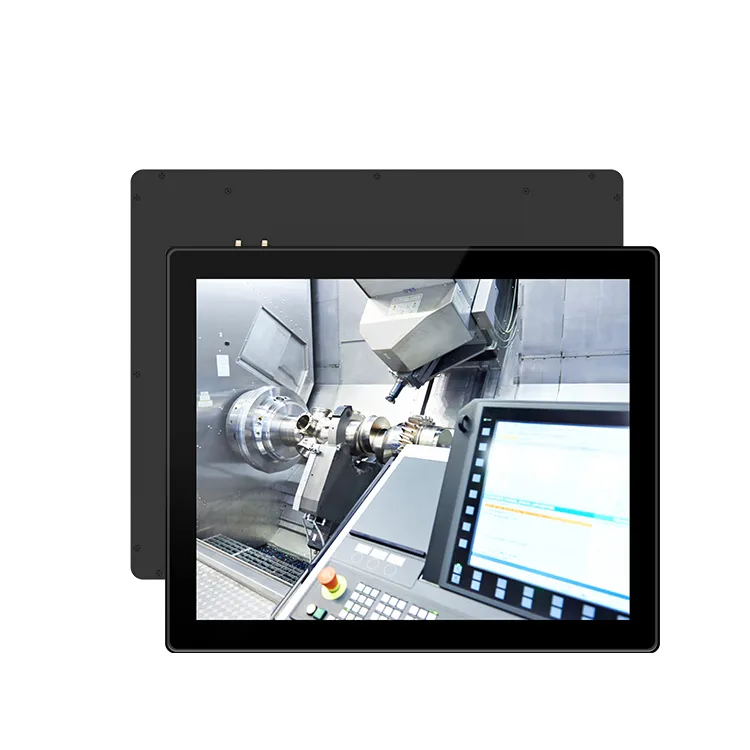
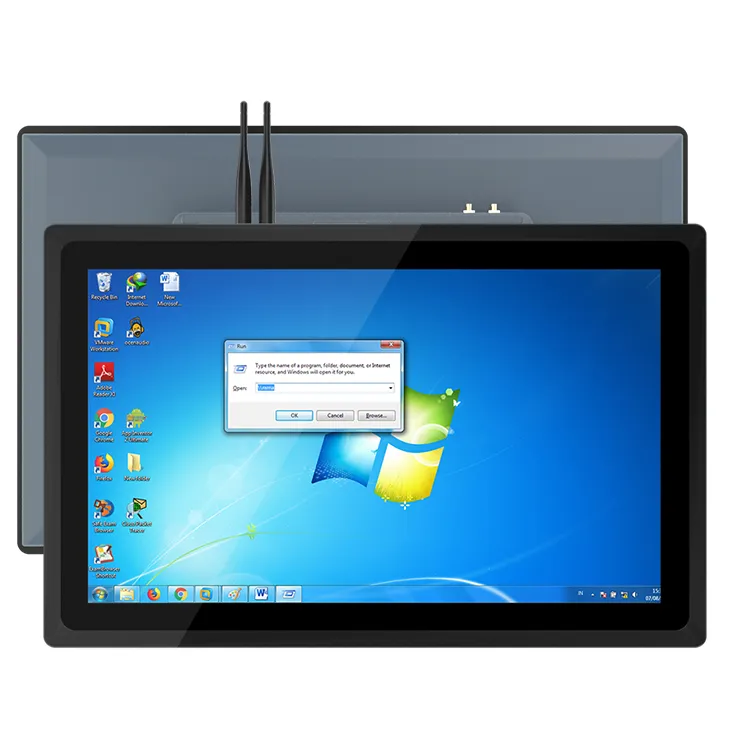
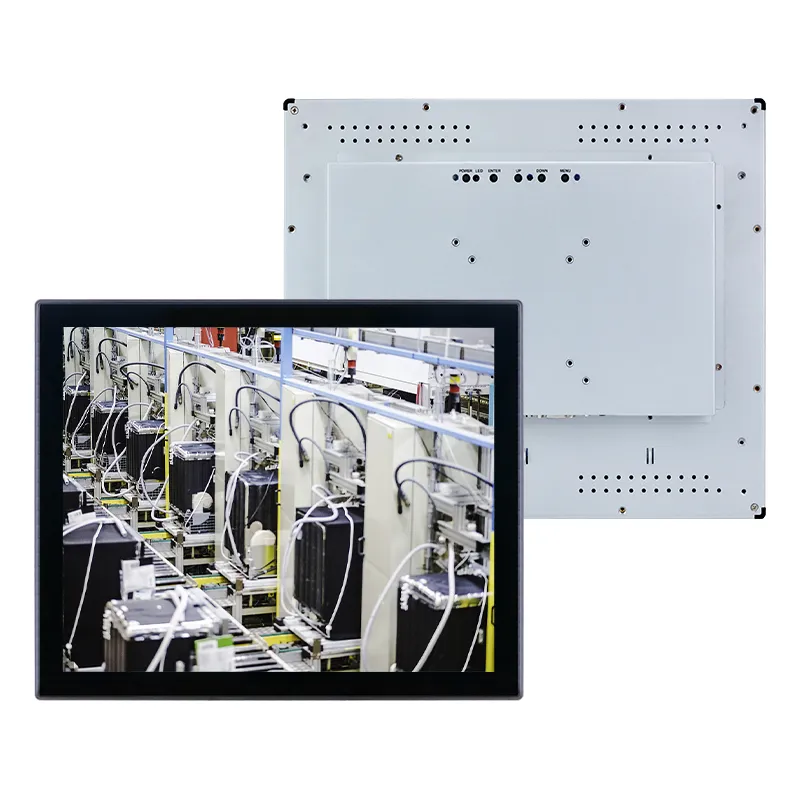
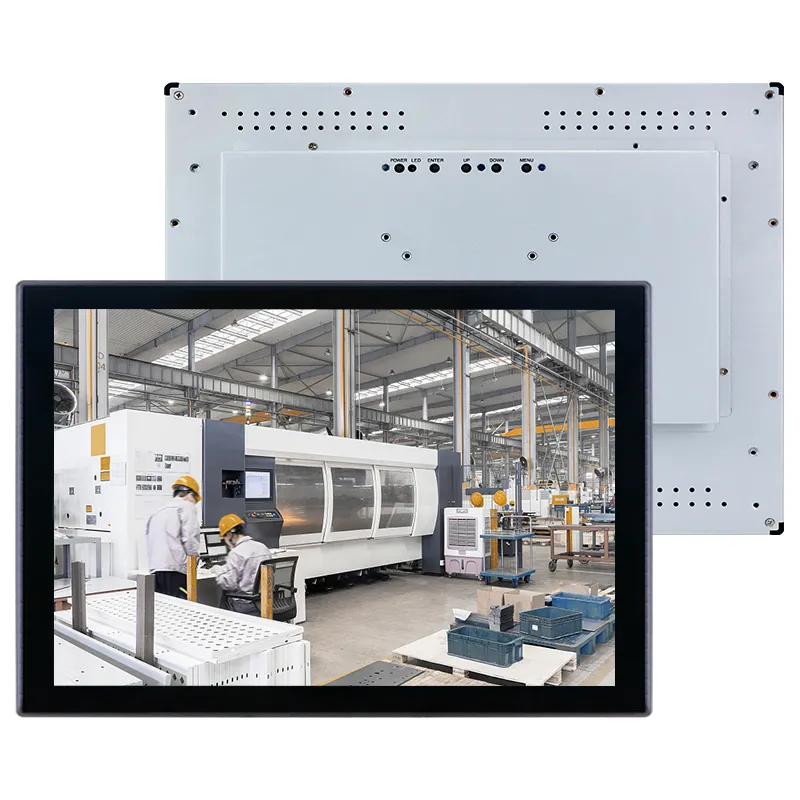
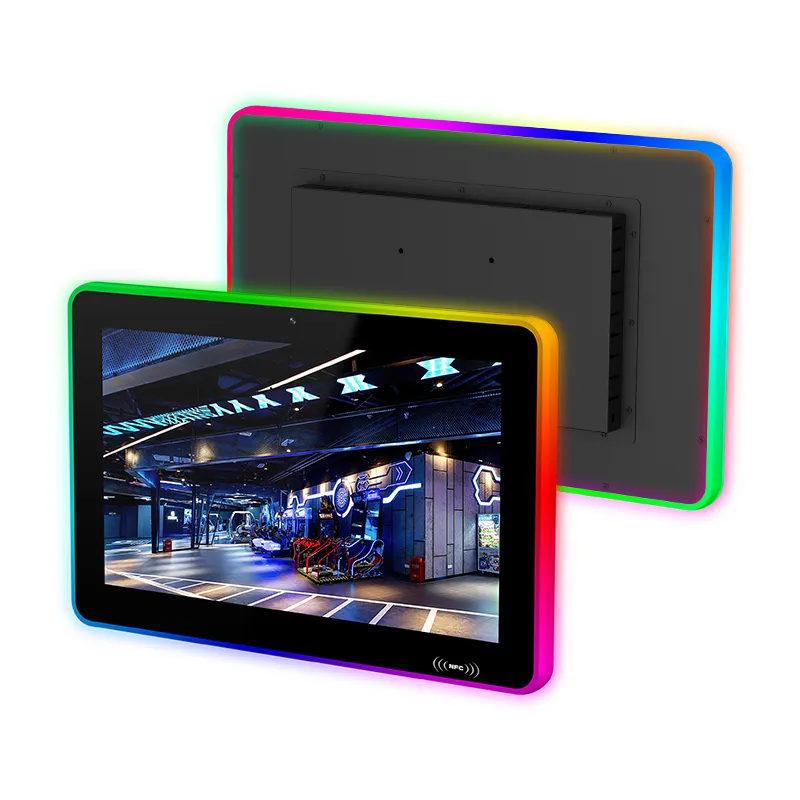
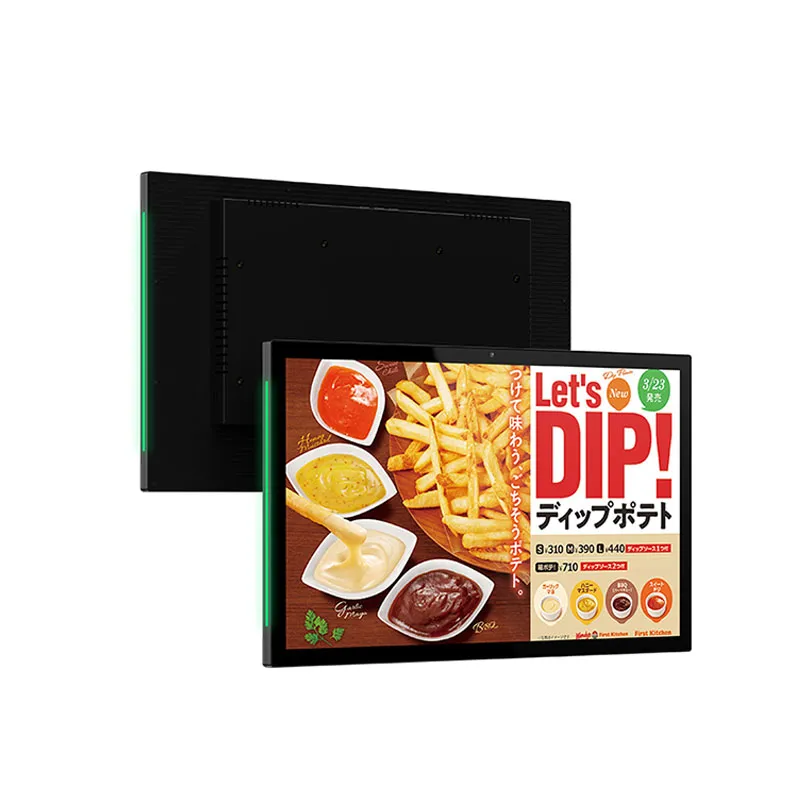
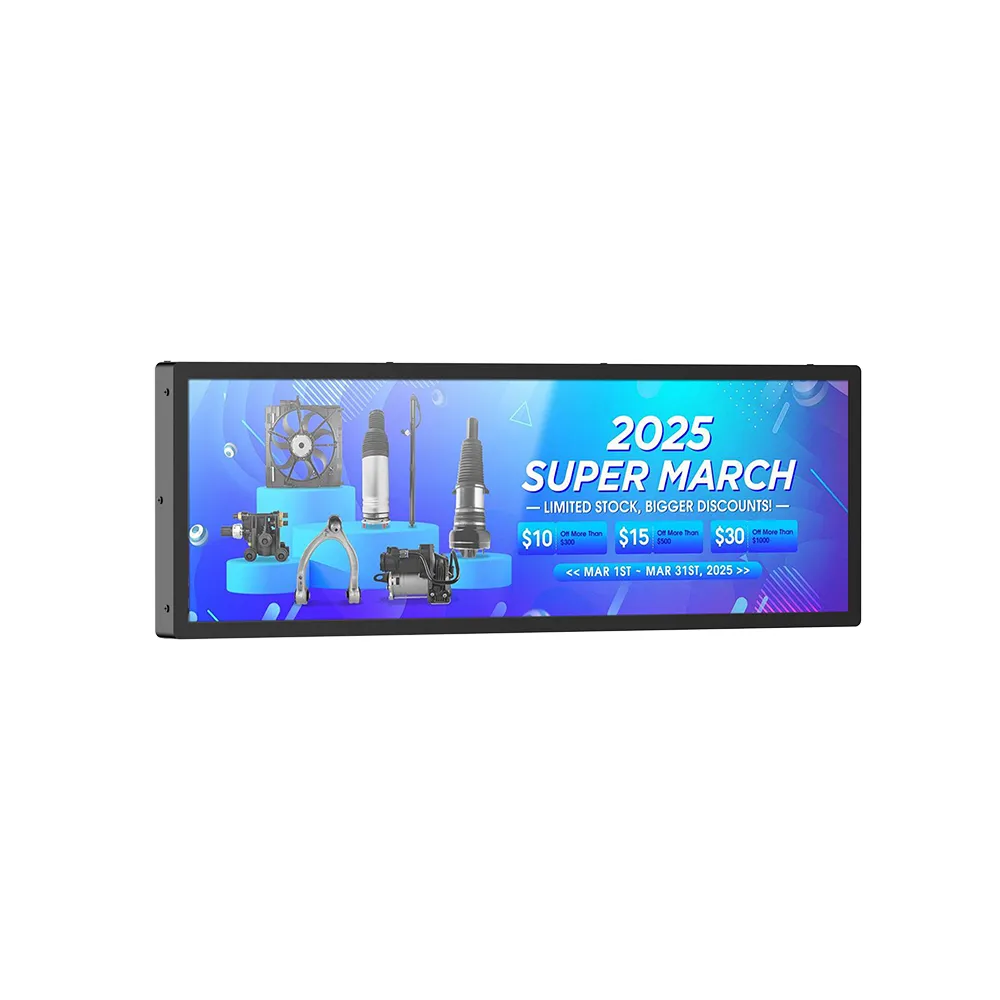
A1: The YC-N156 breaks away from bulky traditional commercial bezels by introducing an ultra-slim, minimalist narrow-edge chassis. This modern industrial design maximizes the active screen-to-body display area while maintaining a highly compact footprint. It is specifically engineered to blend seamlessly into high-aesthetic environments—such as corporate boardrooms, upscale hotel lobbies, modern medical clinics, and premium retail endcaps—where space-saving and clean design lines are critical.
Q2: What display and panel technologies ensure clarity and power efficiency on the YC-N156?
A2: The display is built around a 15.6-inch Full HD (1920×1080) IPS screen that delivers exceptional color saturation, wide viewing angles, and razor-sharp text legibility under varying ambient light conditions. It features an intelligent smart backlighting matrix that actively balances vivid visual output with reduced power consumption. This makes it highly efficient for displaying high-contrast graphics, real-time calendars, or promotional retail video loops.
Q3: What processing configurations does Portworld offer for the YC-N156 series?
A3: To accommodate varying software complexities and budget requirements, the YC-N156 features a scalable hardware architecture. System integrators can specify three performance tiers of Rockchip SoCs:
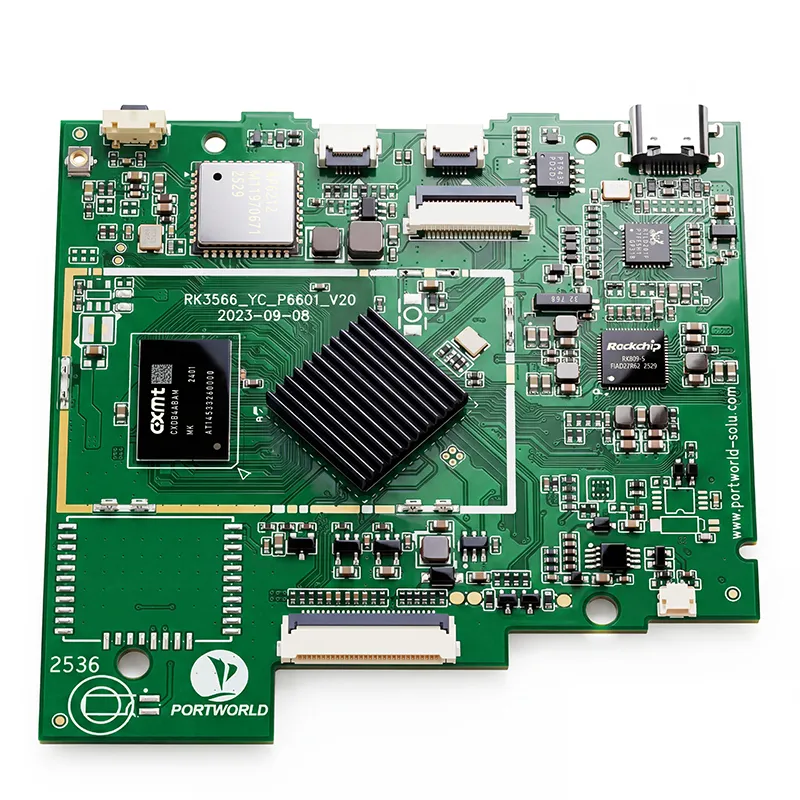
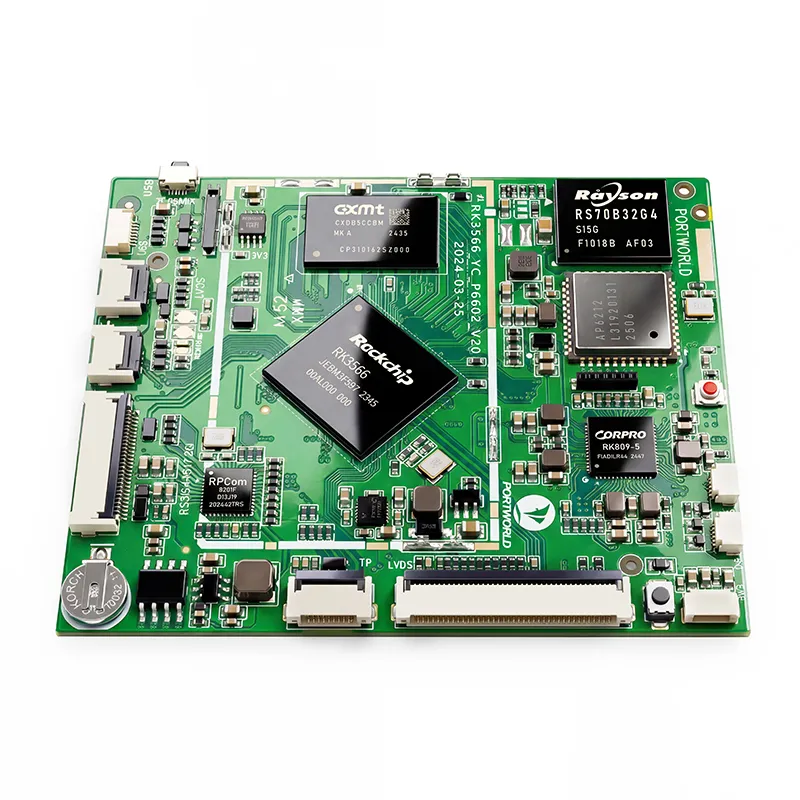
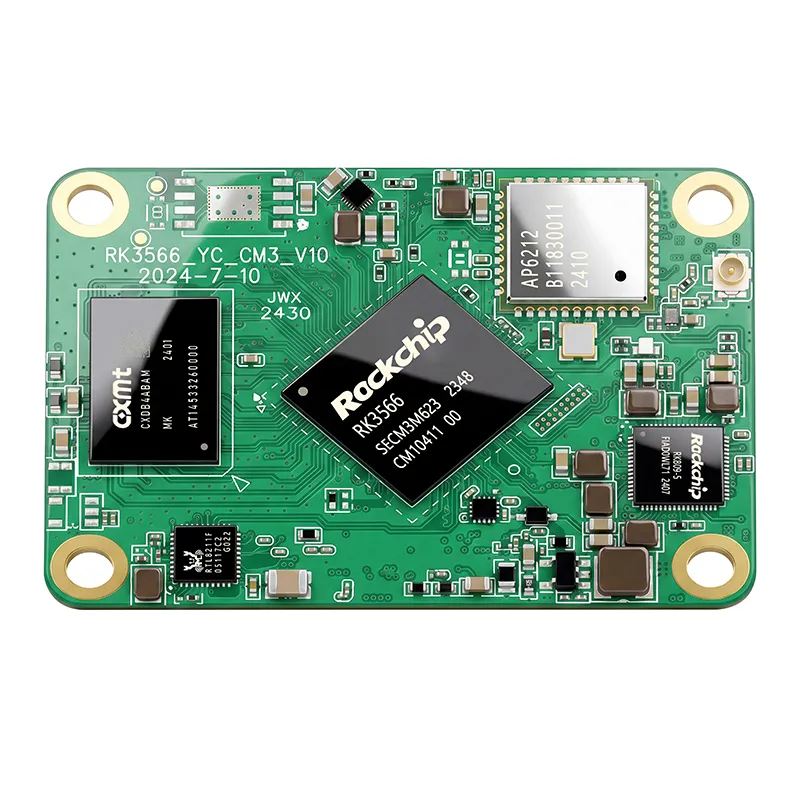
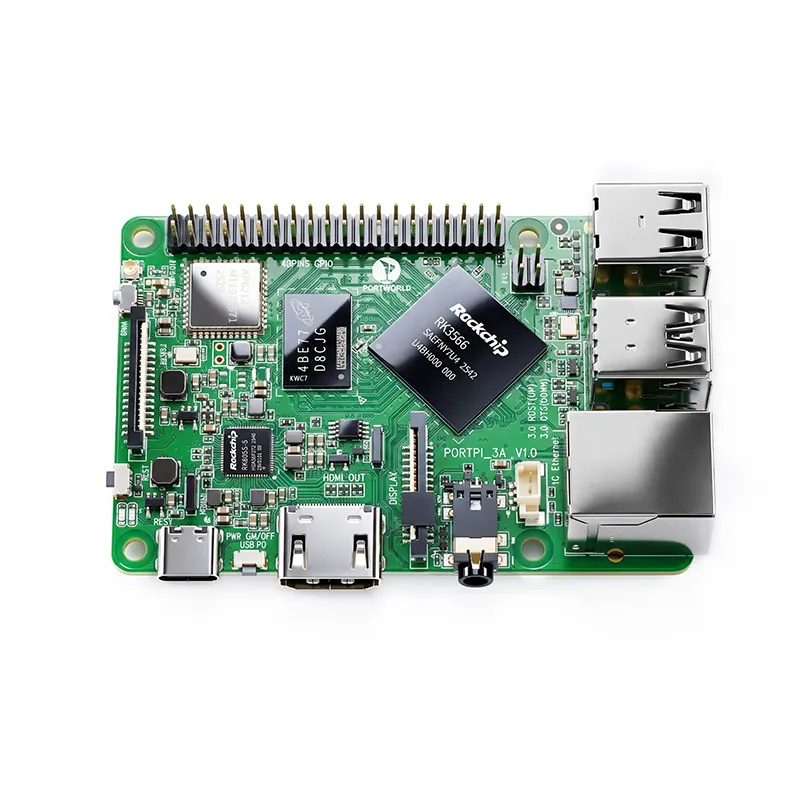
Rockchip RK3566: A highly reliable, cost-efficient quad-core processor ideal for standard room scheduling, basic digital signage, and feedback kiosks.
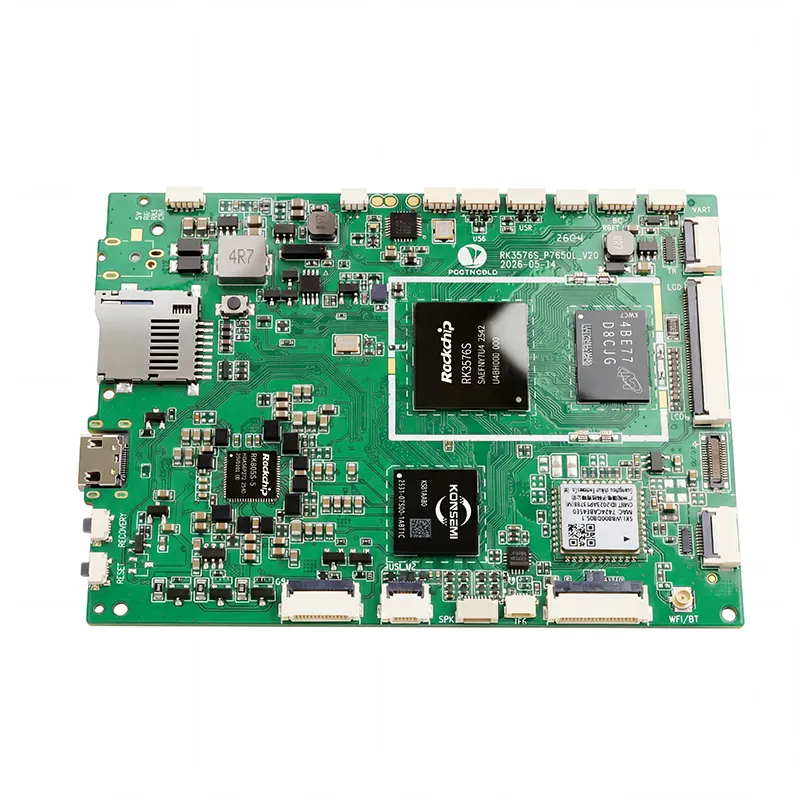
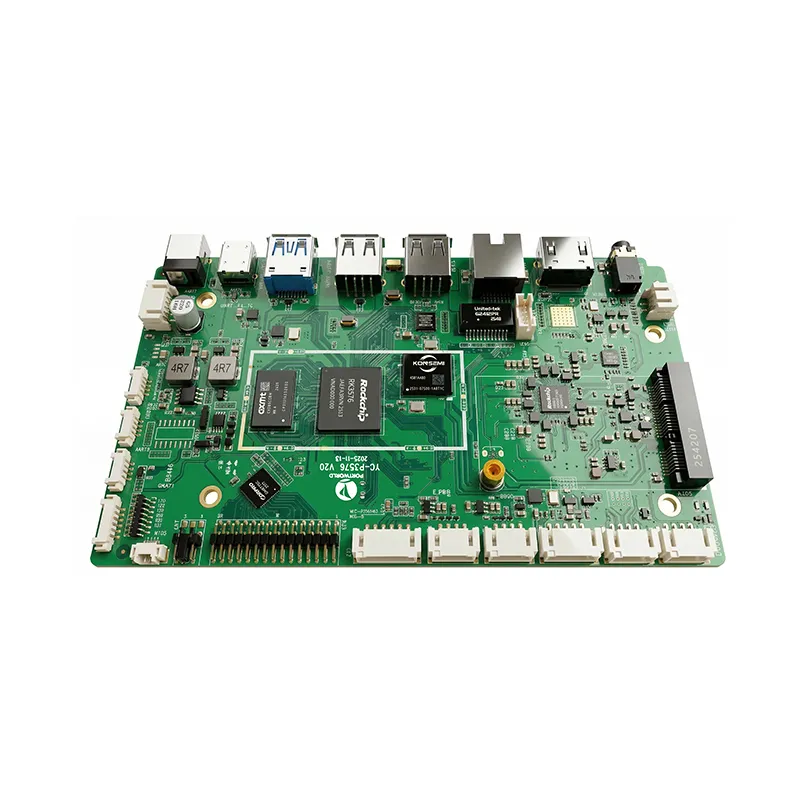
Rockchip RK3576: A high-performance midrange SoC equipped with a 6 TOPS NPU and 8K decoding capabilities, optimized for heavy WebGL rendering and smart retail edge tasks.
Rockchip RK3588: A flagship octa-core processor with a 6 TOPS NPU, designed for intensive AI computing, advanced multi-camera applications, complex 3D rendering, and demanding self-service terminal algorithms.
Q4: What memory, storage, and operating system options are available for deployment?
A4: The device comes preloaded with a modern, high-stability Android OS that ensures a fluid user interface and native support for modern enterprise apps. Hardware configurations are deeply customizable, offering 2GB, 4GB, or 8GB of high-speed RAM paired with 32GB or 128GB of robust onboard ROM storage, ensuring ample overhead for local media caching and complex application databases.
Q5: Is the YC-N156 rated for continuous commercial operations?
A5: Yes. The YC-N156 is strictly engineered for uninterrupted 24/7 continuous operation. It utilizes commercial-grade components and an optimized fanless thermal architecture to withstand heavy, non-stop workloads in high-traffic public spaces. This makes it fully reliable for mission-critical installations such as hospital check-in counters, interactive transit kiosks, and real-time queue management networks.
Q6: How does Power over Ethernet (PoE) simplify hardware installation for large rollouts?
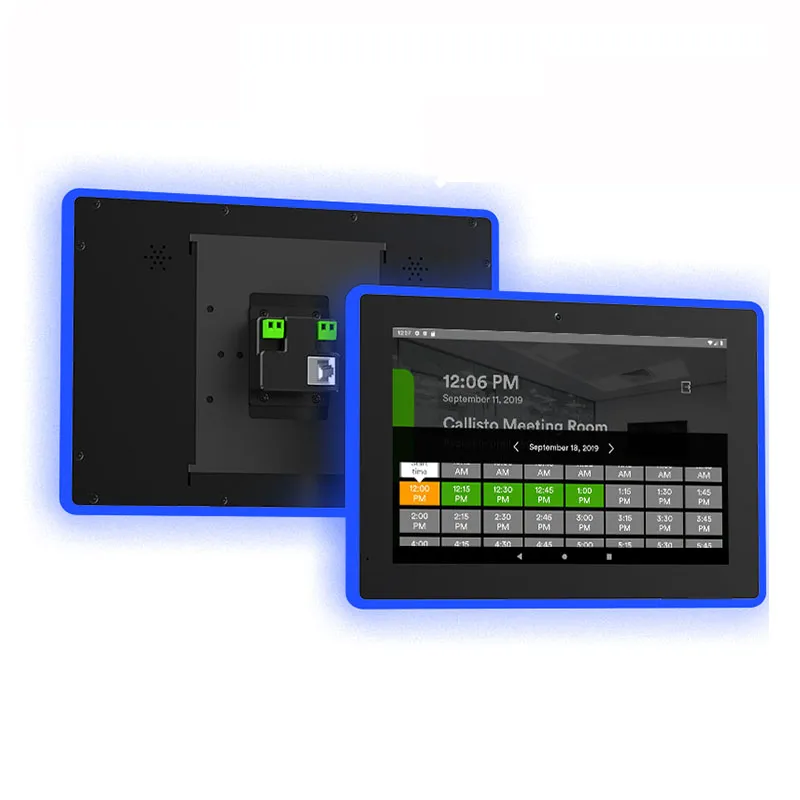
A6: The integrated Power over Ethernet (PoE) module enables the transmission of both high-speed network data and low-voltage electrical power through a single standard RJ45 LAN cable. By eliminating the need for dedicated AC power drops and localized power bricks behind walls or kiosks, PoE slashes labor installation costs, minimizes cable clutter, and allows network administrators to execute centralized remote power cycling via managed PoE switches.
Q7: How do the customizable side LED lights function, and how can software developers utilize them?
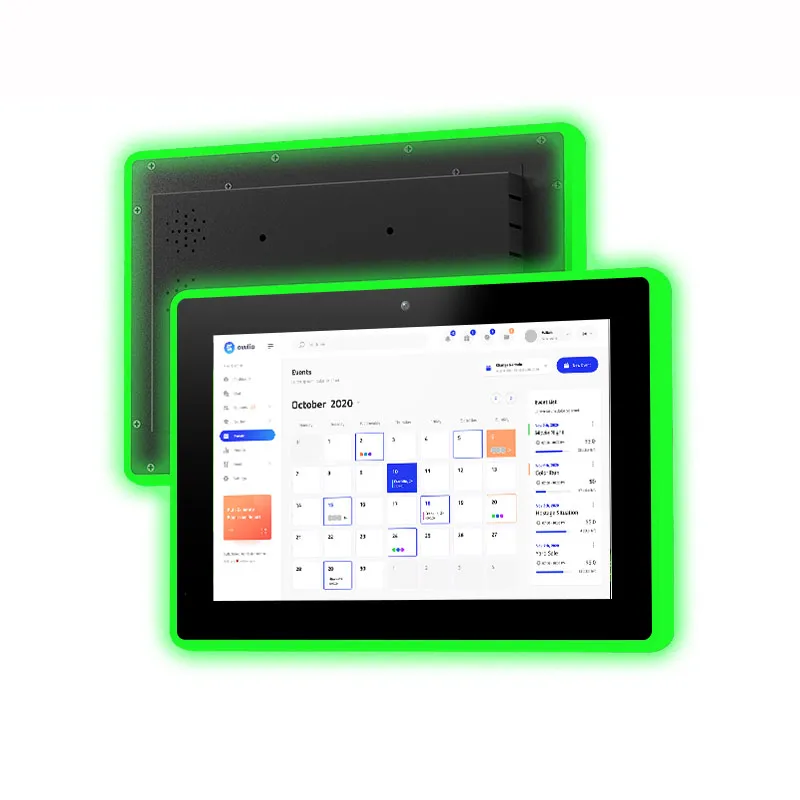
A7: The YC-N156 features intelligent side-colored LED indicator strips built right into the chassis profile. Governed by an open, customizable API, these LEDs can be programmatically synced with third-party software. In corporate or healthcare settings, they act as immediate visual indicators—glowing green for an available space/room, solid red for an occupied or in-use state, or pulsing amber for pending check-ins or active alerts. The LEDs can also be configured to match corporate branding or turned off completely.
Q8: What optional hardware modules can be integrated into the YC-N156?
A8: For project-specific needs, Portworld offers high-utility optional peripherals:
2MP Front Camera: Optimized for secure facial recognition login, AI-driven audience analytics, or video intercom communication.
Custom LED Strips: Expanded LED options tailored for strict corporate workspace identity, advanced mood lighting, or long-distance visual indicators.
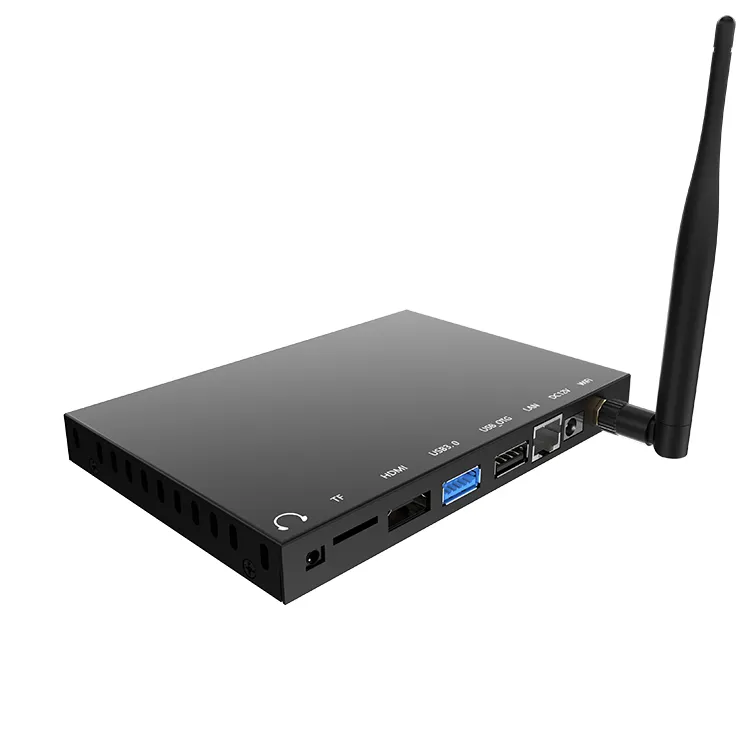
Wireless Connectivity: Integrated high-stability Wi-Fi and Bluetooth modules complement the hardwired Gigabit LAN port for seamless local pairing and wireless remote access.
Q9: What screen sizes are manufactured within the YC-N Narrow Edge series?
A9: To enable system integrators to maintain a cohesive hardware aesthetic across an entire facility, the Narrow Edge series is produced in four distinct sizes: 10.1-inch, 10.95-inch, 15.6-inch (YC-N156), and 21.5-inch.
Q10: What are the primary commercial use cases where the YC-N156 delivers maximum utility?
A10: Thanks to its high-performance processing, slim footprint, and rugged 24/7 design, the YC-N156 excels across several major vertical sectors:
Healthcare & Clinics: Functioning as patient interaction kiosks, check-in terminals, appointment management centers, or ward signage boards.
Enterprise Workspaces: Operating as advanced room schedulers outside large meeting rooms or as master smart building control panels managing HVAC, security, and lighting.
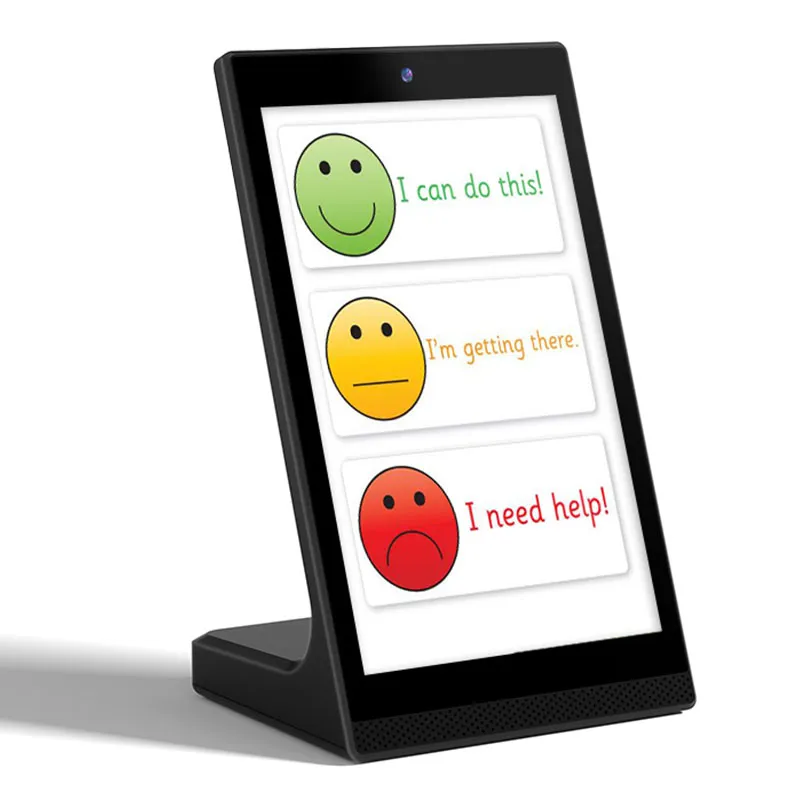
Retail & Hospitality: Powering interactive customer feedback terminals, digital shelf signage, self-service ticketing kiosks, and automated queue management screens.