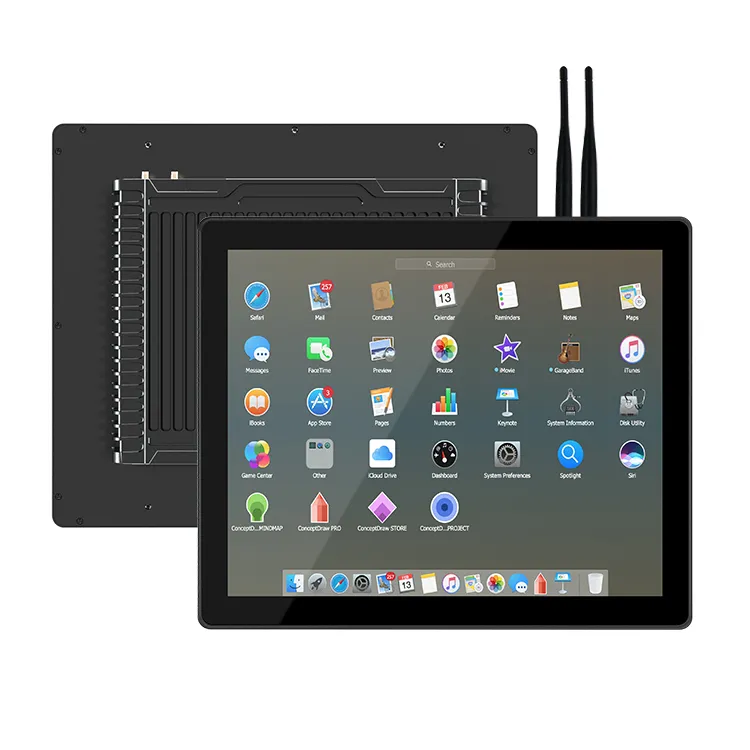
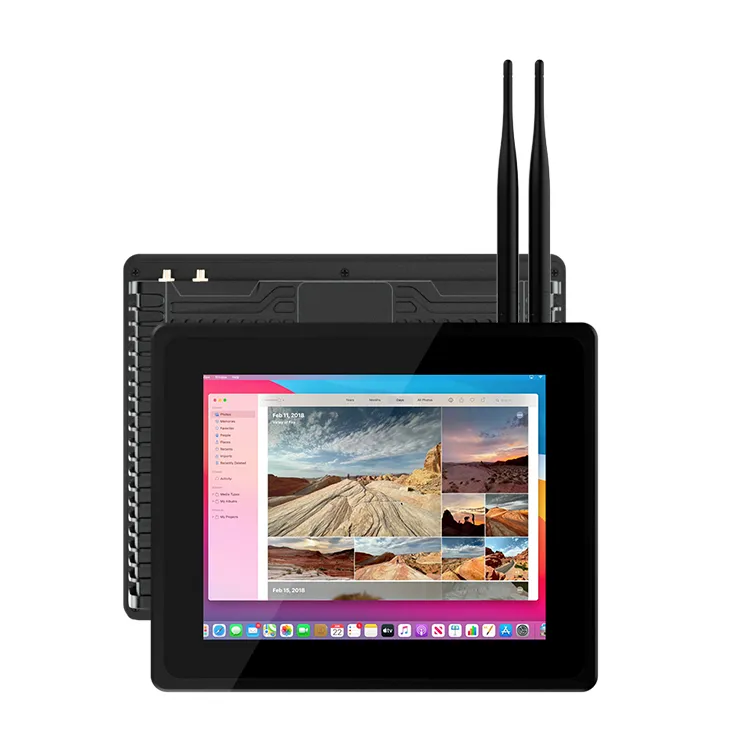
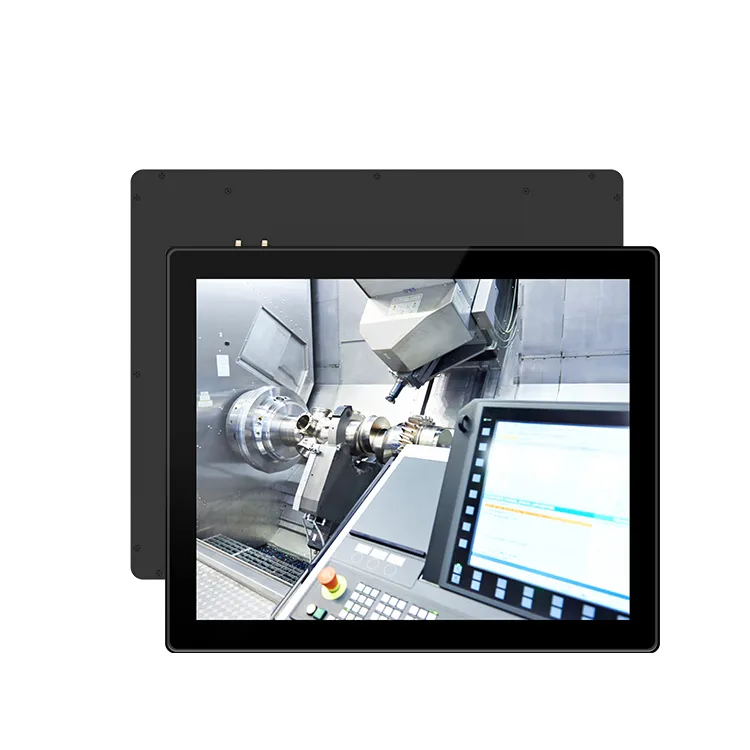
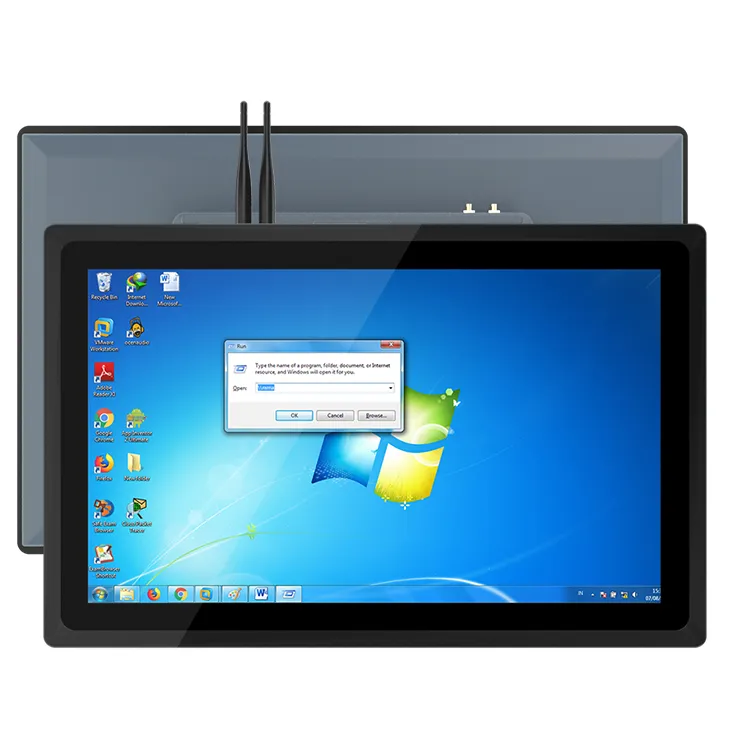
Q1: What makes the YC-LE156 "Glow-Frame" design unique for commercial and enterprise applications?
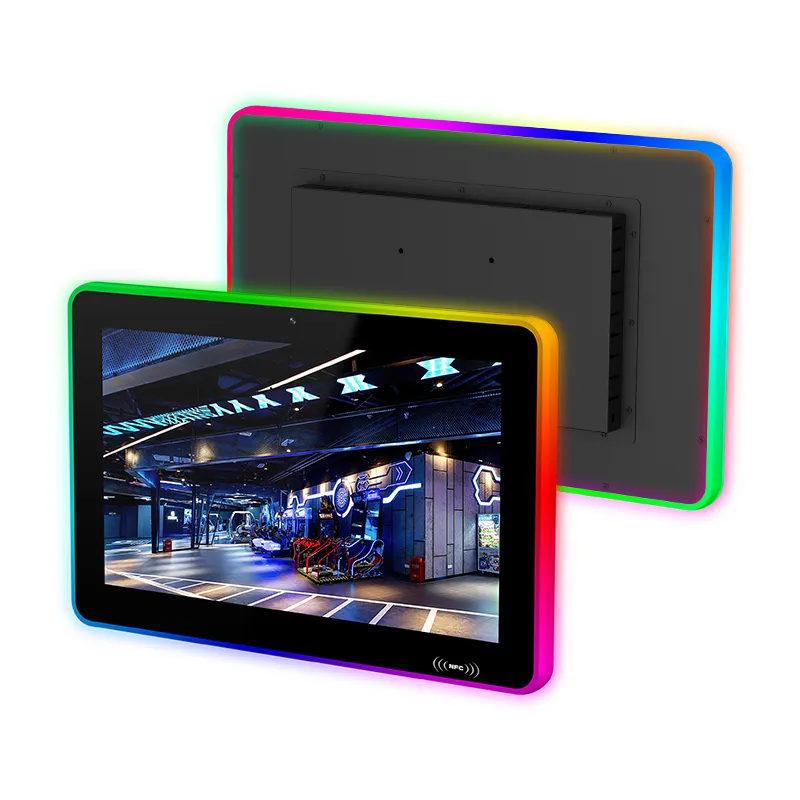
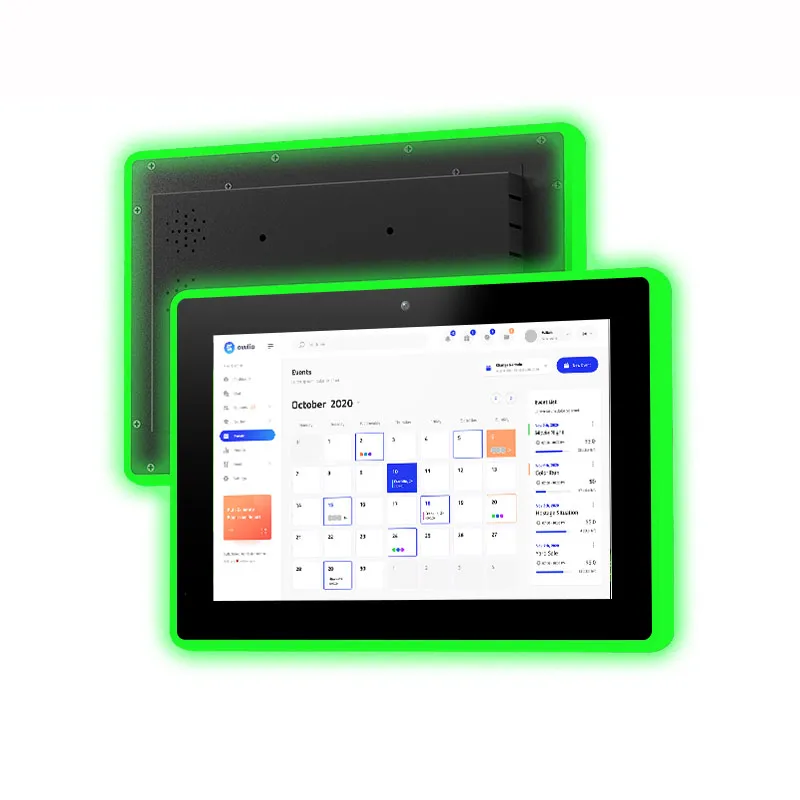
A1: The YC-LE156 features a premium acrylic crystal frame with glowing LED edges, creating an eye-catching, high-end, and futuristic aesthetic. Surrounding the bezel is a full-border RGB ambient lighting strip that comes with an open API. This allows software developers to programmatically control the frame's colors, brightness, and flashing patterns, turning the physical tablet into an instant visual indicator.
Q2: How is the customizable multicolor LED frame typically utilized in real-world business scenarios?
A2: The programmable LED frame serves as a highly visible, long-distance status indicator. Major deployments include:
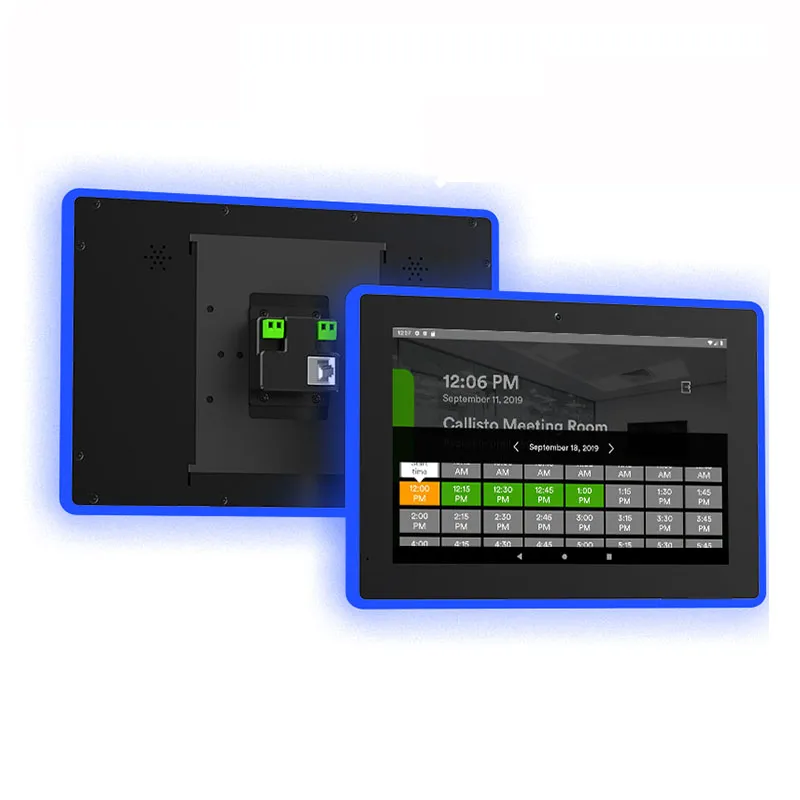
Meeting Room Booking Systems: Emitting a bright green glow when a conference room is vacant and shifting to red when a meeting is in progress or a user checks in.
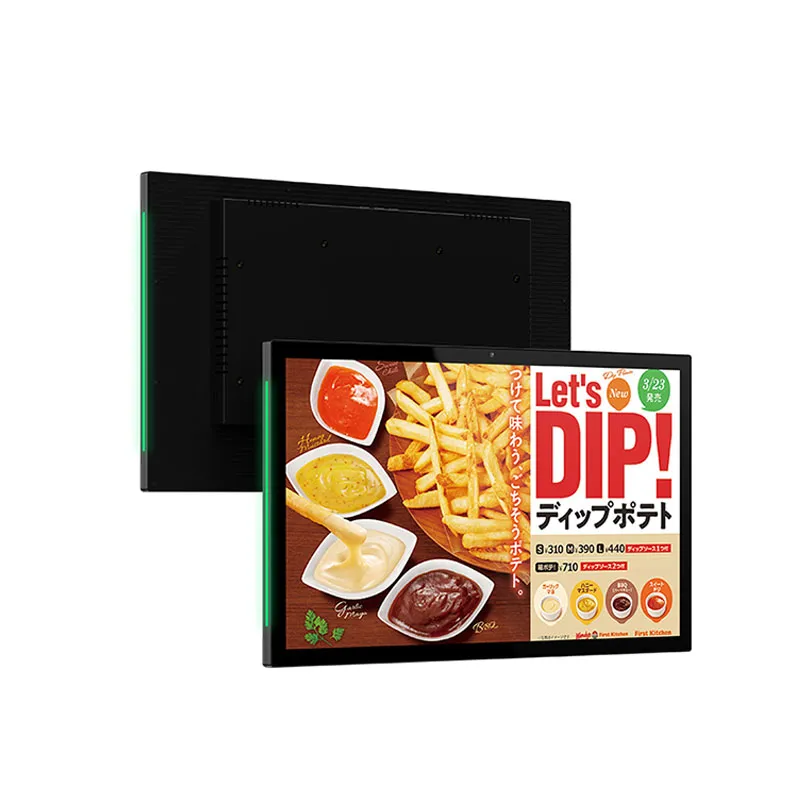
Smart Retail & Intelligent Shelves: Using dynamic color pulses to highlight promotional items, guide customers to specific products, or sync with digital signage media.
Access Control & Security: Flashing green for authorized access granted via facial recognition or card scanning, and red for access denied or security alerts.
Q3: What are the visual, touch, and brightness specifications of the YC-LE156 display assembly?
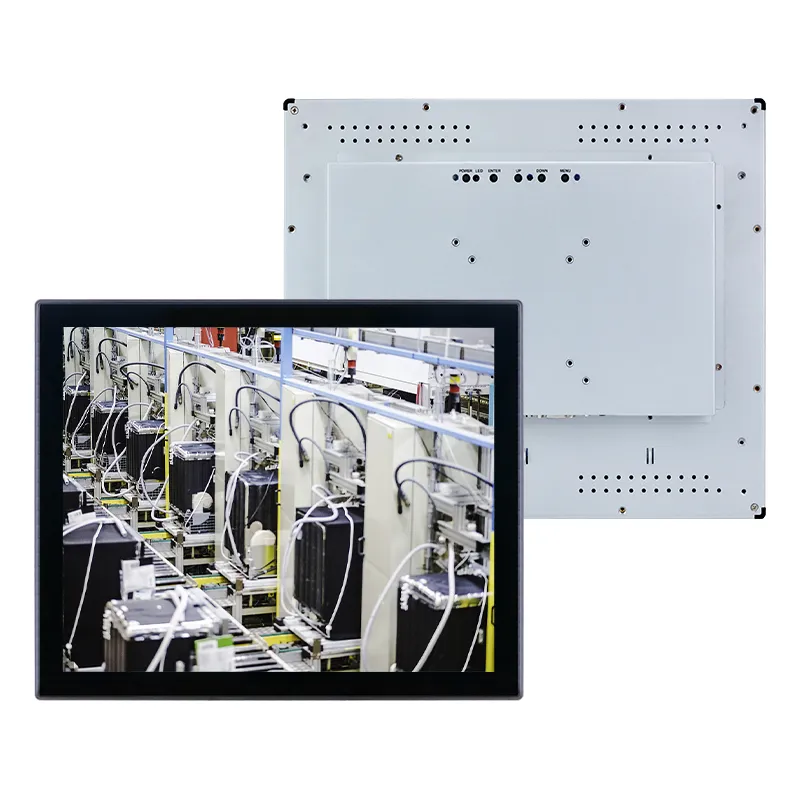
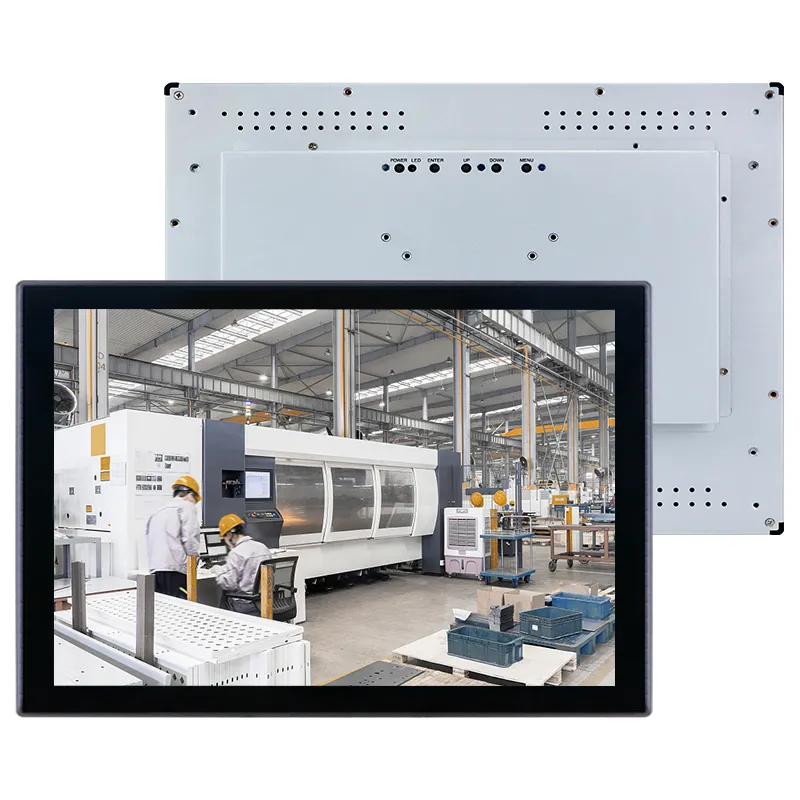
A3: The tablet features a 15.6-inch IPS Full HD screen with a native resolution of 1920×1080, ensuring wide viewing angles, vibrant color reproduction, and sharp text readability. Interaction is powered by a highly responsive 10-point capacitive multi-touch panel for fluid gesture control (swiping, zooming). While the standard model offers a 300 cd/m² brightness panel, Portworld provides optional 500-nit and 1000-nit high-brightness sunlight-readable versions for semi-outdoor kiosks, parking structures, and gas stations.
Q4: What physical I/O ports and peripheral expansion options are engineered into the tablet?
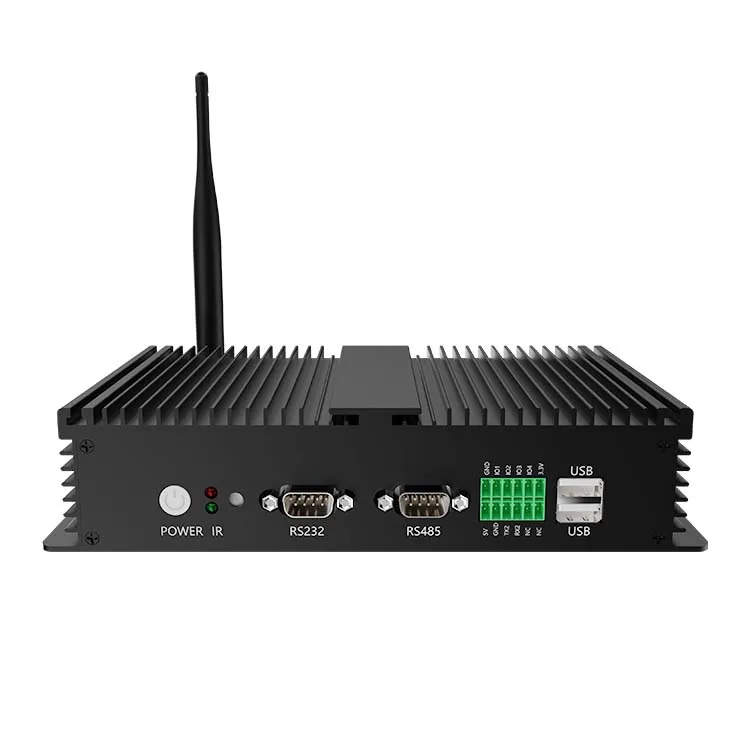
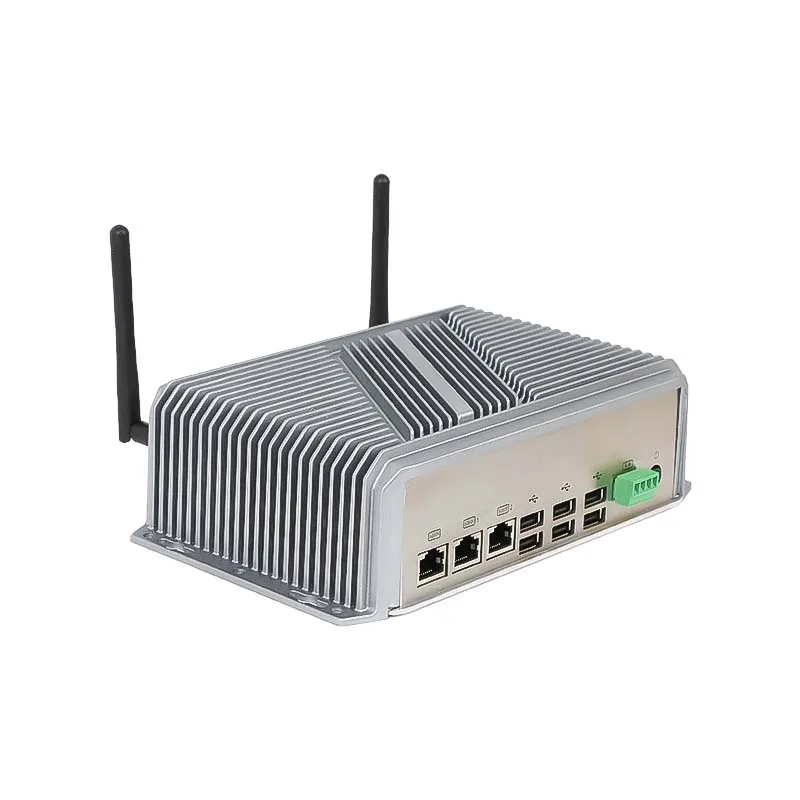
A4: To support diverse commercial hardware ecosystems, the rear side of the YC-LE156 is equipped with a comprehensive array of physical interfaces:
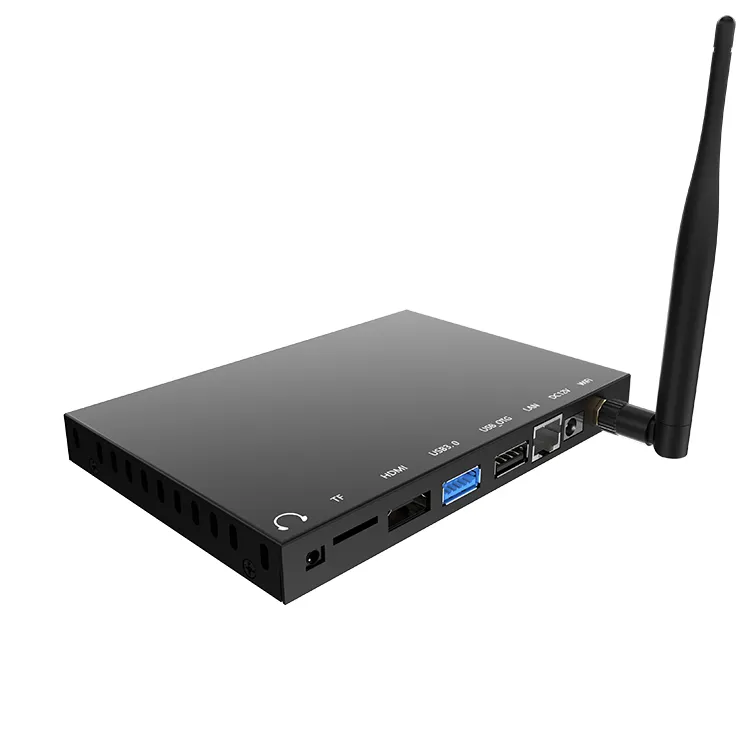
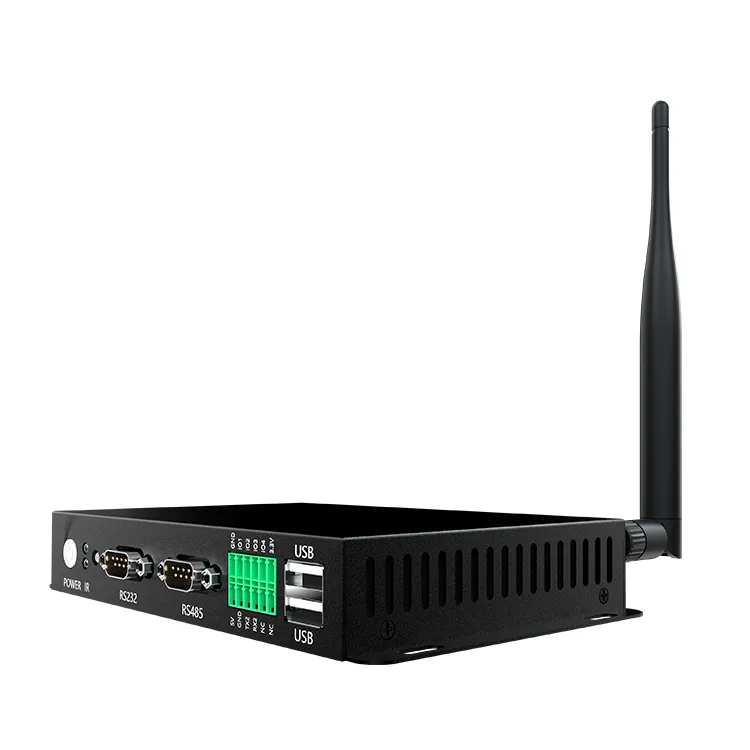
Data & Media Connectivity: High-speed USB ports, HDMI output, and a TF (MicroSD) card slot for expanded local storage.
Networking & Audio: An RJ45 Ethernet port, an external Wi-Fi antenna connector for stable wireless ranges, a standard headphone jack, and built-in 3W × 2 stereo speakers for voice guidance.
Integrated Peripherals: Optional configurations for an integrated 2MP or 5MP front-facing camera (optimized for AI facial recognition and video intercoms) and a built-in NFC/RFID module for secure badge-based authentication or contactless payments.
Q5: Does the YC-LE156 support Power over Ethernet (PoE), and what are the deployment advantages?
A5: Yes, the YC-LE156 offers optional Power over Ethernet (PoE) support. By choosing the PoE configuration, system integrators can run both high-speed network data and low-voltage electrical power through a single RJ45 CAT5e/CAT6 cable. This completely eliminates the need for localized AC outlets at every mounting point, drastically slashes electrical installation costs, simplifies cable management behind drywall or glass panels, and streamlines centralized power cycling.
Q6: What screen sizes are available in the Glow-Frame product family?
A6: To satisfy various spatial, architectural, and functional requirements, Portworld manufactures the Glow-Frame tablet series in four distinct form factors: 10.1-inch, 14-inch, 15.6-inch (YC-LE156), and 21.5-inch. This allows enterprises to deploy a unified software UI and hardware aesthetic across completely different mounting footprints—from compact shelf edges to large wall displays.
Q7: What level of software and system firmware (BSP/SDK) customization does Portworld offer?
A7: Backed by deep engineering resources, Portworld provides comprehensive system-level customization. We deliver tailored Board Support Packages (BSP) and software SDKs optimized for Android and Linux (including Debian and Ubuntu) operating systems. This includes open API access for the RGB frame, custom boot animation locking, root access management, and deep integration support for proprietary third-party room booking or retail software platforms.
Q8: Can Portworld provide CKD or SKD delivery models for international hardware partners?
A8: Yes. For global system integrators, local manufacturers, or distributors looking to optimize import tariffs and assembly logistics, Portworld offers flexible supply frameworks:
SKD (Semi-Knocked Down): Partially assembled sub-systems (e.g., screen panel mated with bezel) ready for final local integration.
CKD (Completely Knocked Down): Complete, unassembled component kits containing all necessary boards, screens, housings, and wiring looms for full local factory assembly.
Q9: What are the primary commercial and industrial industries leveraging the YC-LE156 tablet?
A9: The combination of an interactive touchscreen, PoE, built-in camera/NFC modules, and a programmable LED visual matrix makes the YC-LE156 exceptionally versatile across several major B2B sectors:
Corporate & Smart Offices: Serving as the definitive interactive terminal for enterprise meeting room booking, hot-desk scheduling, and centralized reception visitor management.
Smart Retail & Hospitality: Powering interactive endcap displays, digital shelf talkers, self-service concierge desks, and gaming or casino entertainment terminals.
Security & Facilities Management: Operating as an access control terminal at turnstiles, restricted area entries, and automated check-in zones utilizing facial recognition or RFID badges.
Outdoor Infrastructure: Driving transactional touch-points inside semi-protected environments like parking lot payment kiosks and fuel station point-of-sale terminals.