Q1: What processing architecture powers the YC-T720U, and how does it shift from previous ARM models?
A1: Unlike standard ARM-based entry terminals, the YC-T720U marks a transition to a high-performance, enterprise-grade x86 architecture. It is powered by the Intel Core Ultra 5 Processor (14th Gen), built on a modular system-on-chip (SoC) design. This delivers massive multi-threaded performance gains, making the device highly capable of acting as a centralized mini-server, network-attached storage (NAS) hub, or a high-throughput computing terminal.
Q2: What native AI and edge analytics capabilities does the Intel Core Ultra 5 bring to the YC-T720U?
A2: The Intel Core Ultra 5 processor integrates a dedicated Neural Processing Unit (NPU)—the Intel AI Boost engine. By offloading complex mathematical matrices and AI algorithms from the CPU and GPU to this low-power, specialized sector, the YC-T720U excels at continuous local edge computing. This makes it ideal for real-time edge analytics, sensor array pattern recognition, machine learning deployments, and smart automation without relying on cloud latency.
Q3: What communication, industrial buses, and I/O interfaces are broken out on the YC-T720U?
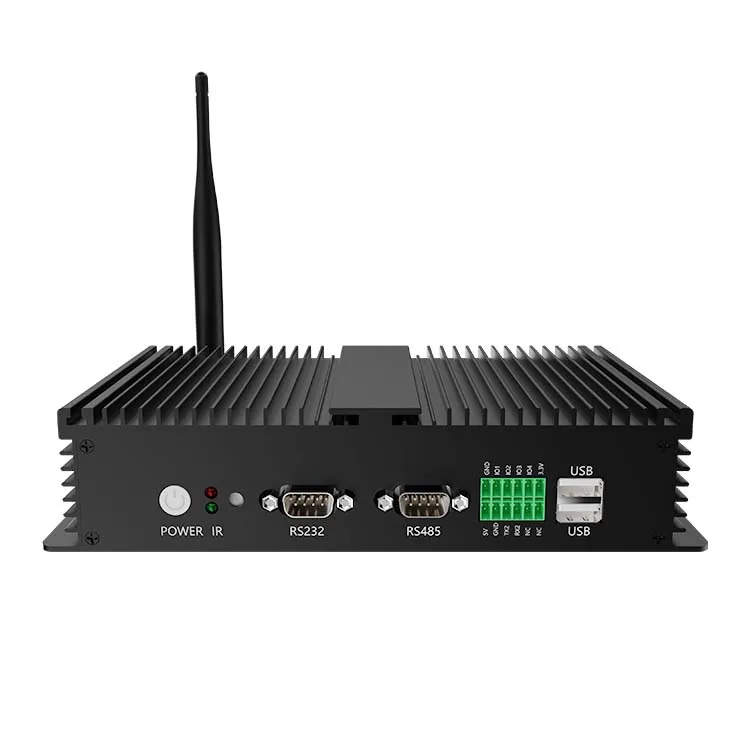
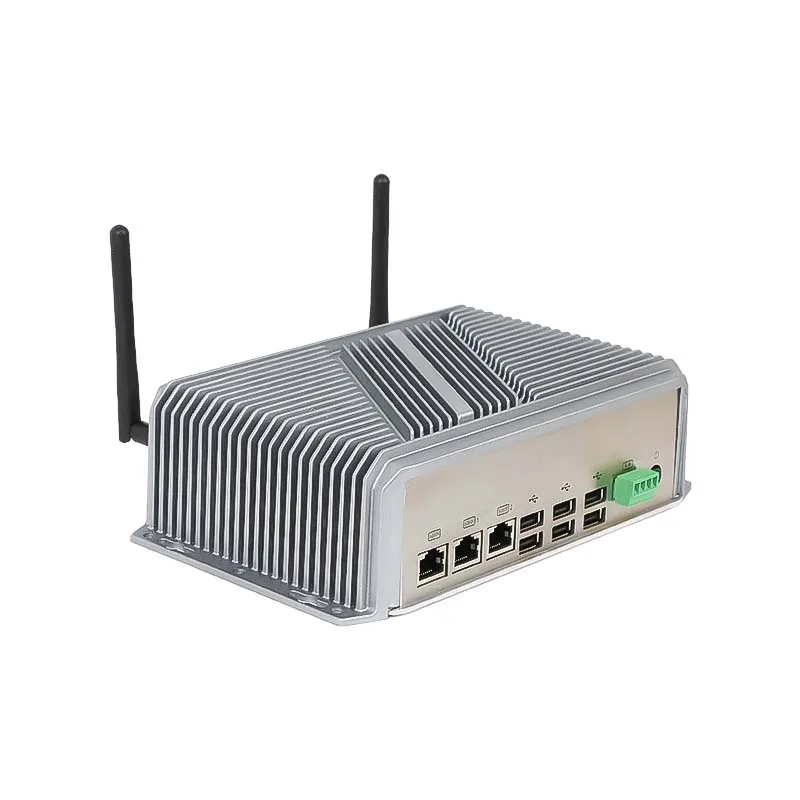
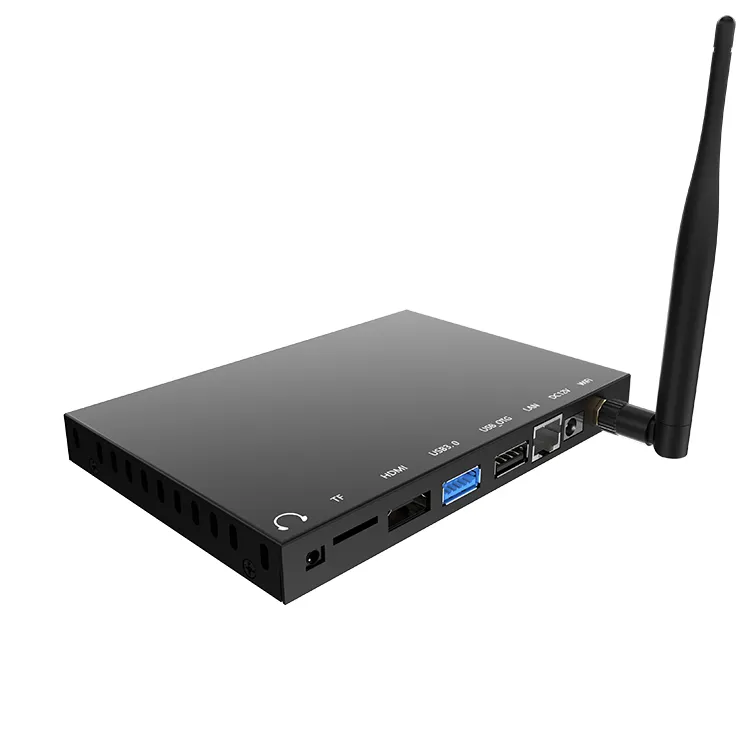
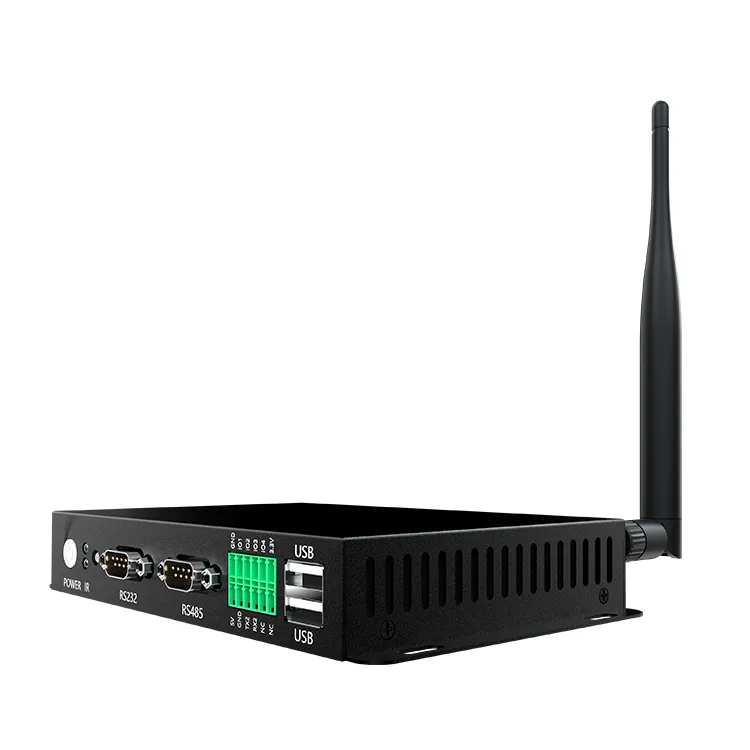
A3: Designed to bridge the gap between enterprise IT networks and physical machinery, the YC-T720U features a comprehensive industrial interface layout, including:
Networking: Dual LAN ports for network isolation or redundancy, backed by integrated Wi-Fi and Bluetooth wireless stacks.
Industrial Buses: Native RS232 and RS485 serial communication lines, alongside expandable GPIO lines for direct sensor data collection, programmable logic controller (PLC) interfacing, and hardware machine control.
Data Routing: High-speed USB 3.2 and legacy USB 2.0 ports for rapid storage expansion and peripherals, alongside a dedicated DC_IN power port.
Q4: What are the multi-display and visual processing capabilities of this system?
A4: Driven by its integrated Intel graphics engine, the YC-T720U supports ultra-high-definition video pipelines, natively outputting up to 8K resolution at 60Hz via HDMI 2.1. Additionally, through its combination of HDMI and DisplayPort interfaces, the box supports synchronous or asynchronous triple display outputs, giving industrial system integrators and control-room operators massive multitasking flexibility across extended multi-screen display setups.
Q5: How does the YC-T720U handle heat dissipation, and what environmental benefits does its chassis offer?
A5: The YC-T720U features an advanced fanless cooling design wrapped in a rugged casing optimized for passive thermal dissipation. Eliminating the mechanical fan removes the primary moving point of failure found in traditional industrial PCs. The result is completely silent, zero-noise operation that prevents airborne grease, manufacturing grime, and inductive dust from being drawn into the internal circuitry—offering a highly stable, dustproof, and vibration-resistant deployment for 24/7 continuous operation.
Q6: What operating systems are supported, and how does the system simplify project rollouts?
A6: To guarantee seamless plug-and-play functionality and a rapid development startup, the YC-T720U comes with pre-installed Windows or Linux operating systems. This multi-OS compatibility ensures that enterprise clients can deploy their existing x86 applications, custom network services, database storage solutions, or visual monitoring frameworks out of the box with zero compilation or architecture translation issues.